Artwork
Tablou, pictură pe carton, ”Nicolae Ceaușescu”, semnat M. Popescu-Stănești și datat 1974 în partea dreaptă jos . Nicolae Ceaușescu este reprezentat înconjurat de mâini care aplaudă, îl ating și care par că vor să-l prindă. Oferit cadou lui Nicolae Ceaușescu de către autor, București, 1974.
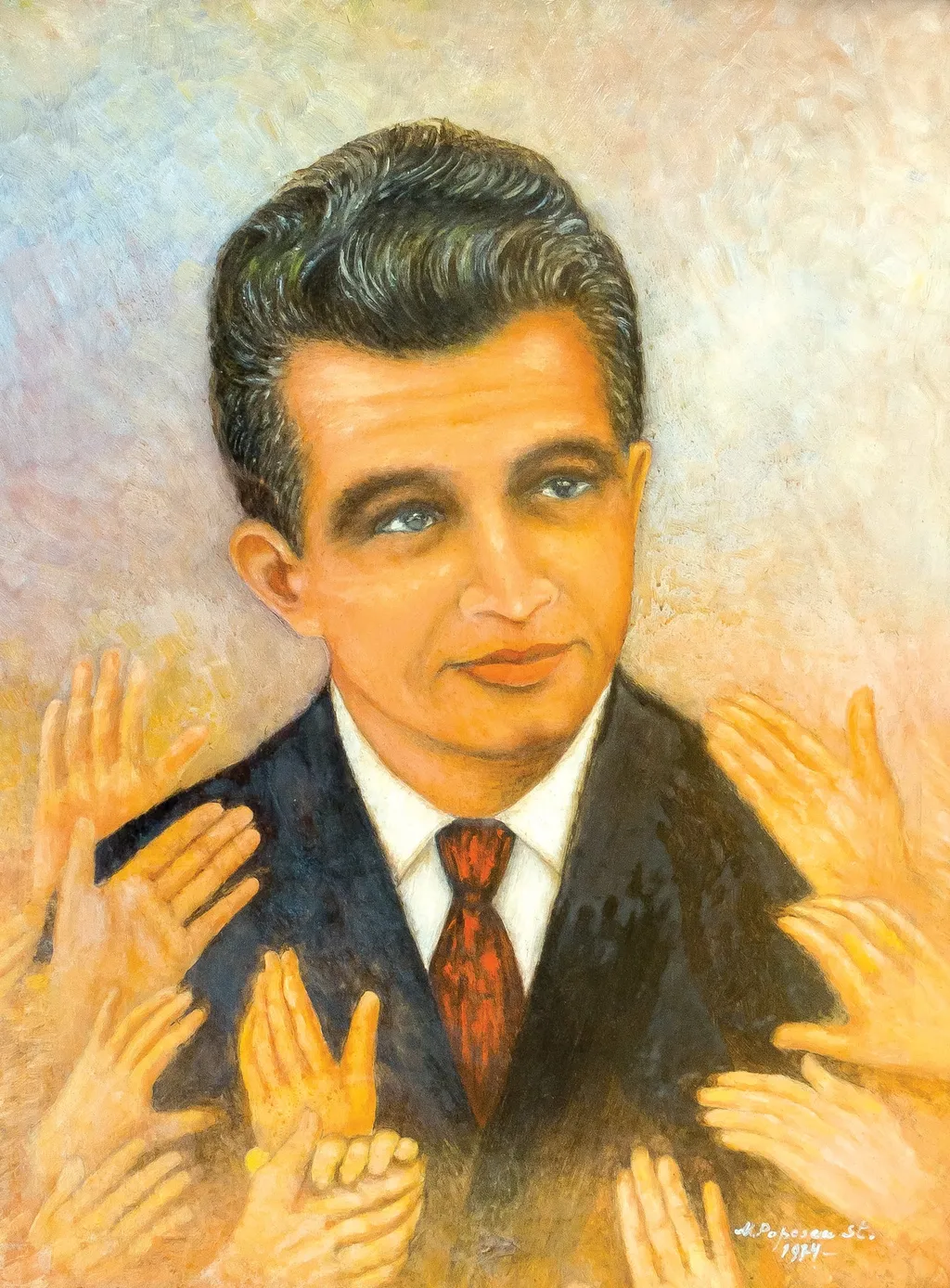
Tablou, pictură pe carton, ”Nicolae Ceaușescu”, semnat M. Popescu-Stănești și datat 1974 în partea dreaptă jos . Nicolae Ceaușescu este reprezentat înconjurat de mâini care aplaudă, îl ating și care par că vor să-l prindă. Oferit cadou lui Nicolae Ceaușescu de către autor, București, 1974. is a print by M. Popescu-Stănești. It is held in the collection of the National Museum of Romanian History. "Nicolae Ceaușescu" is a 1974 artwork on cardboard by M.
About this work
Overview
"Nicolae Ceaușescu" is a 1974 artwork on cardboard by M. Popescu-Stănești, depicting the Romanian leader amidst a flurry of hands applauding, touching, and reaching for him. The piece conveys a sense of dynamic admiration set against a predominantly light-colored background with darker peripheral tones.
Subject & Meaning
Nicolae Ceaușescu, Romania's communist leader from 1967 to 1989, is the central figure, dressed formally in a black suit, white shirt, and red tie. His raised hands and the surrounding hands symbolize adoration and possibly the regime's cultivated cult of personality.
Technique & Style
Executed on cardboard, the artwork's medium and the described visual elements suggest a blend of accessibility and propagandistic intent, characteristic of state-approved art during the period. The energetic composition and color palette may indicate an attempt to evoke a sense of popular acclaim.
History & Provenance
Created in 1974, the artwork was gifted by the artist to Nicolae Ceaușescu the same year, in București. It is currently housed at the Museum of Ethnography, though the inclusion of a political figure in an ethnography collection is noteworthy.
Context
Produced during Ceaușescu's rule, the piece reflects the era's political climate, where artistic works often served to bolster the leader's image. The artwork's context suggests it was either a genuine tribute or a strategic move to gain favor.
Legacy
As a representation of Ceaușescu, the artwork now serves as a historical artifact, offering insight into the artistic and political dynamics of 1970s Romania. Its legacy is more archival and informative than critically acclaimed within a broader art historical context.
Artist & collection
Artist
That painting of Ceaușescu surrounded by clapping hands isn’t just propaganda—it’s a joke on a postcard.

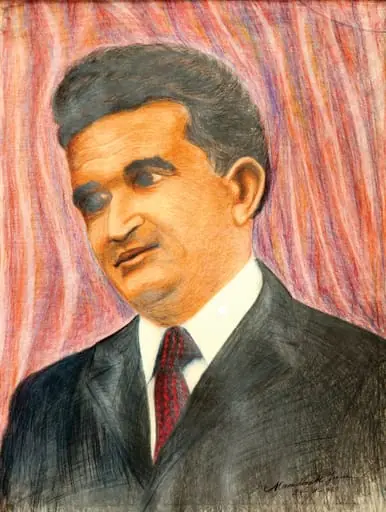 Tablou, desen pe carton, ”Nicolae Ceaușescu”, semnat cu tuș negru Jeana Macedonschi și datat 24.IX.1974, în partea dreaptă jos. Tablou oferit lui Nicolae Ceaușescu de către autor.
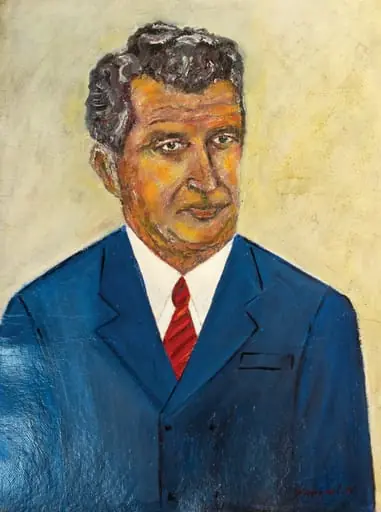 Tablou, ulei pe carton,”Nicolae Ceaușescu”, semnat în pertea dreaptă jos Savopol N., nedatat. Oferit cadou de autor, Nicola Savopol, lui Nicolae Ceaușescu cu ocazia zilei de naștere, București.
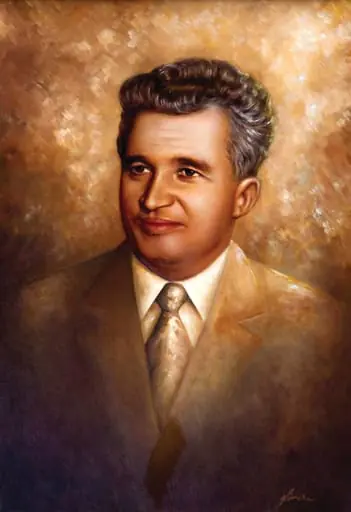 Tablou ulei pe pânză, portret Nicolae Ceaușescu semnat Gheorghe Pîrvu si datat în partea dreaptă jos. Comandat de Comitetul Municipal de Partid Călărași (1982).
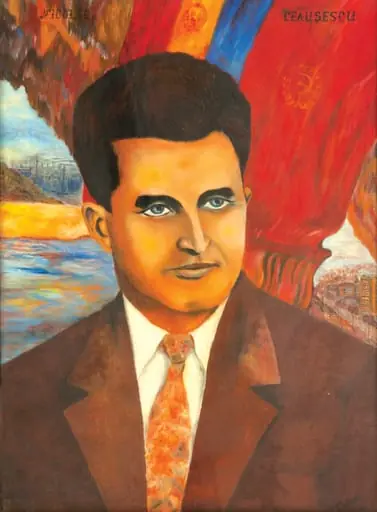 Tablou, ulei pe pânză, ”Portret Nicolae Ceaușescu”, nesemnat, atribuit lui Teodor Istrati. Portret Nicolae Ceaușescu pe fundal steagul cu stema R.S.R. și steagul cu sigla P.C.R., elemente de peisaj urban, inscripție cu majuscule în partea de sus ”NICOLAE CEAUȘESCU”. Oferit de autor lui Nicolae Ceaușescu, București, 25 iunie 1971.
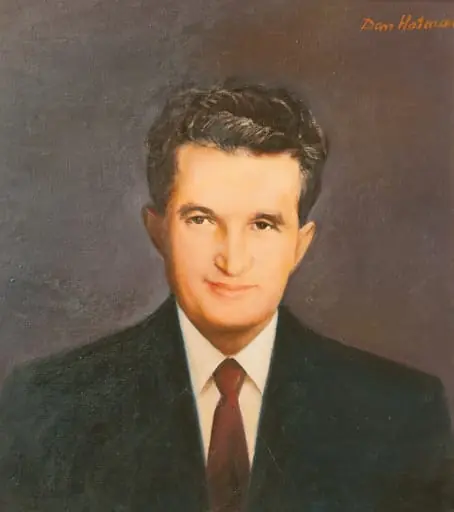 Tablou ulei pe pânză, „Nicolae Ceaușescu” semnat Dan Hatmanu în partea dreaptă sus, nedatat. Comandat de Consiliul Național al Femeilor și oferit cu ocazia aniversării zilei de naștere (ianuarie 1989).
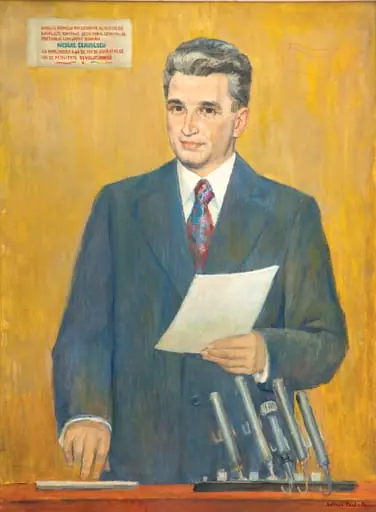 Tablou reprerzentându-l pe Nicolae Ceauțescu ținând un discurs. Semnat în partea dreaptă jos ”Adina Paula Moscu”. Oferit cadou lui Nicolae Ceaușescu pe 26 ianuarie 1978 cu ocazia aniversării vârstei de 60 de ani. În stânga sus dedicație ”Omagiu primului președinte al Republicii Socialiste România, secretar general al Partidului Comunist Român, Nicolae Ceaușescu, la împlinirea a 60 de ani de viață și 45 de ani de activitate revoluționară.”
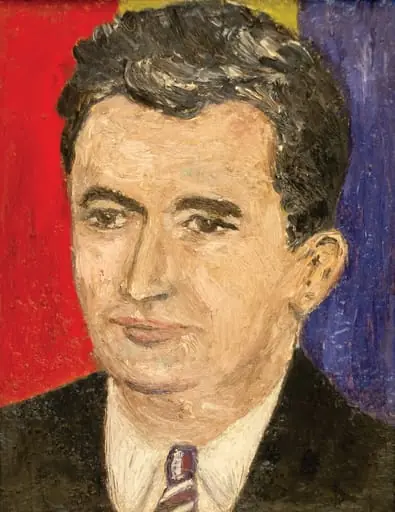 Pablou, ulei pe carton, portret Nicolae Ceaușescu. Oferit lui Nicolae Ceaușescu de Aurica Pânzaru, prof. de matematică fizică din Dorohoi, 23 ianuarie 1978.
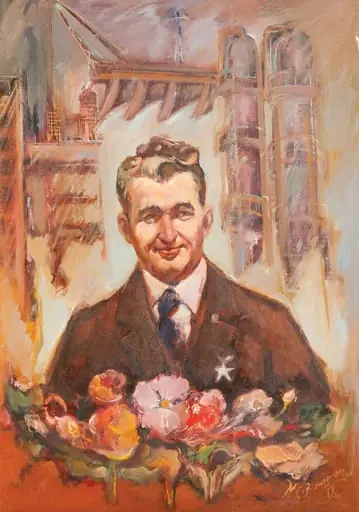 Tablou, ulei pe pânză, „Portret Nicolae Ceaușescu”, semnat C. Radovan și datat în partea dreaptă jos 1978. Nicolae Ceaușescu este reprezentat înt-o atitudine jovială, în piept are însemnul ”Erou al Republicii Socialiste România”. Pe fundal realizări ale regimului comunist. Oferit de Comitetul Județean de Partid Timiș, 22 ianuarie 1978.
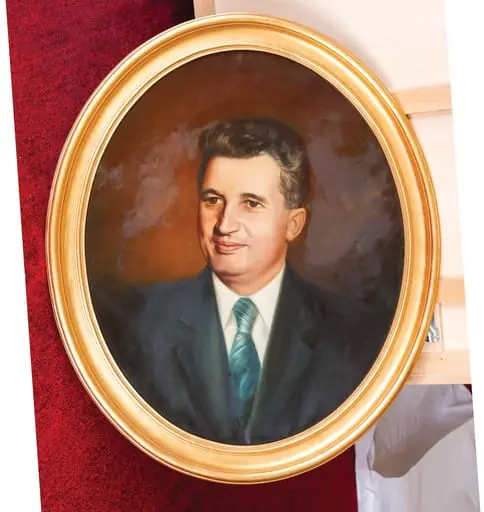 Tablou, ulei pe pânză, portret Nicolae Ceaușescu, atribuit Corneliu Brudașcu. Oferit de Uniunea Artiștilor Plastici (1979).
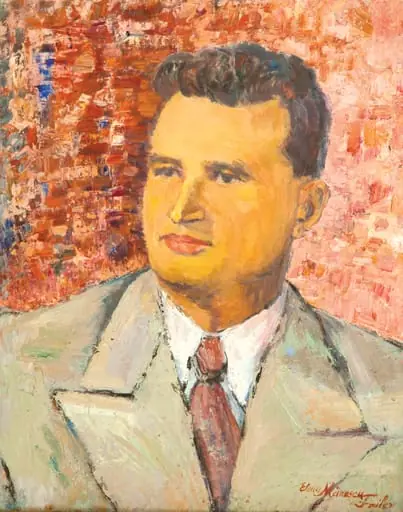 Tablou, ulei pe pânză, ”Portret Nicolae Ceaușescu”, semnat Elena Mănescu-Failer în partea dreaptă jos. Autoarea tabloului a folosit ca sursă de inspirație pentru acest tablou primul portret oficial a lui Nicolae Ceaușescu. Oferit lui Nicolae Ceaușescu de autoare, Elena Mănescu-Failer, 1978.
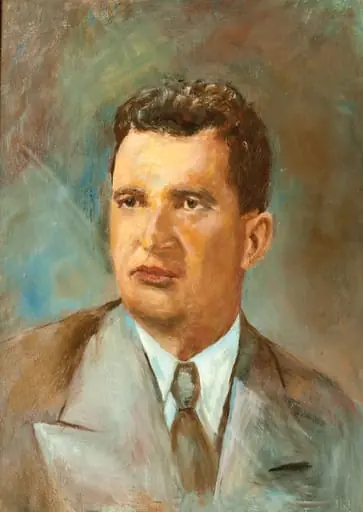 Tablou, pictură pe șevalet, ”Nicolae Ceaușescu”, nesemnat, atribuit Elena Popovici Brăila. Tablou realizat după primul portret oficial a lui Nicolae Ceaușescu. Oferit cadou de autoare, Elena Popovici Brăila din Câmpulung Muscel, lui Nicolae Ceaușescu cu ocazia aniversării zilei de naștere, ianuarie 1978.
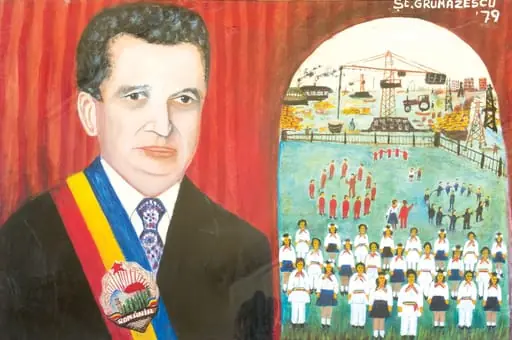 Tablou, ulei pe pânză, Nicolae Ceaușescu și copii, semnat și datat în partea dreaptă sus Șt. Grumăzescu, 1979. Nicolae Ceaușescu este prezentat în partea stângă urmărind o festivitate - pionieri, copii dansând în horă. Maniera de realizare a tabloului este una naivă. Oferit de Ștefan Grumăzescu din București.
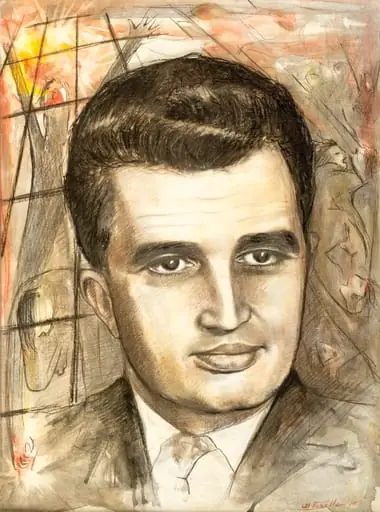 Portret Nicolae Ceaușescu, tablou realixat prin tehnică mixtă, semnat Al. Torella și datat 1975 în partea dreaptă jos.A fost oferit lui Nicolae Ceaușescu de delegația italiană condusă de Benito Craxi cu ocazia vizitei în România din noiembrie 1978
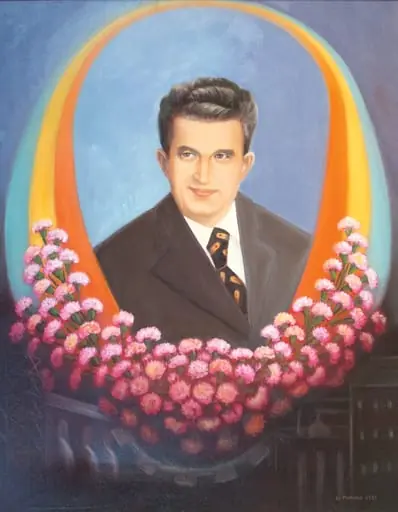 Tablou „Omagiu” semnat N. Porumb și datat în partea dreaptă jos. Tabloul îl reprezintă pe Nicolae Ceaușescu cu tricolorul în spate sub formă de curcubeu; în partea de jos a tabloului o ”mare” de garoafe și realizările socialismului. Comandat de Comitetul Județean de Partid Sibiu și dăruit lui Nicolae Ceaușescu cu ocazia zilie de naștere (ianuarie 1989).
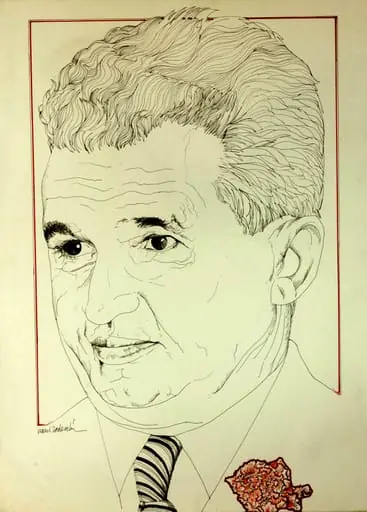 Grafică, portretul lui Nicolae Ceaușescu, semnat stânga jos Nanni Tedeschi, nedatat. Oferit de delegația italiană condusă de Benito Craxi cu ocazia vizitei în România. București, noiembrie 1978.
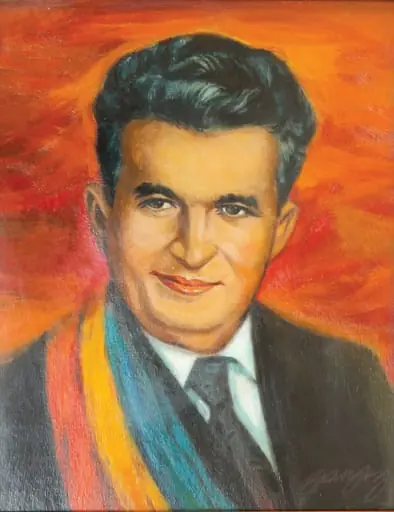 Tablou, „Portret Nicolae Ceaușescu”, semnat Barany în partea dreaptă jos, nedatat. Tabloul prezintă portretul lui Nicolae Caușescu cu banderolă tricoloră pe un fundal roșu - oranj. Comandat și oferit de Comitetul Județean de Partid Arad cu ocazia unei aniverări.
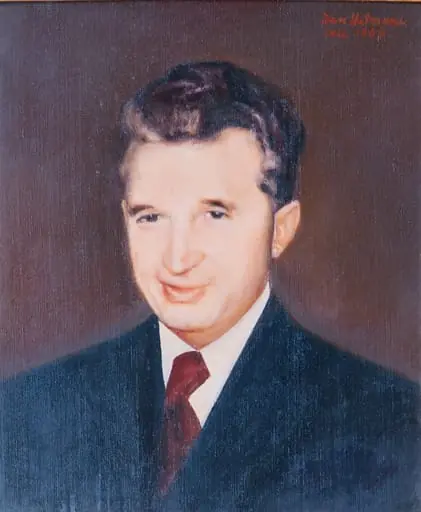 Tablou reprezentându-l pe Nicolae Ceaușescu, semnat Dan Hatmanu. Comandat de Comitetul Județean de Partid Iași și oferit cu ocazia zilei de naștere a președintelui RSR (ianuarie 1989).