Artwork
Louis Hector, duc de Villars
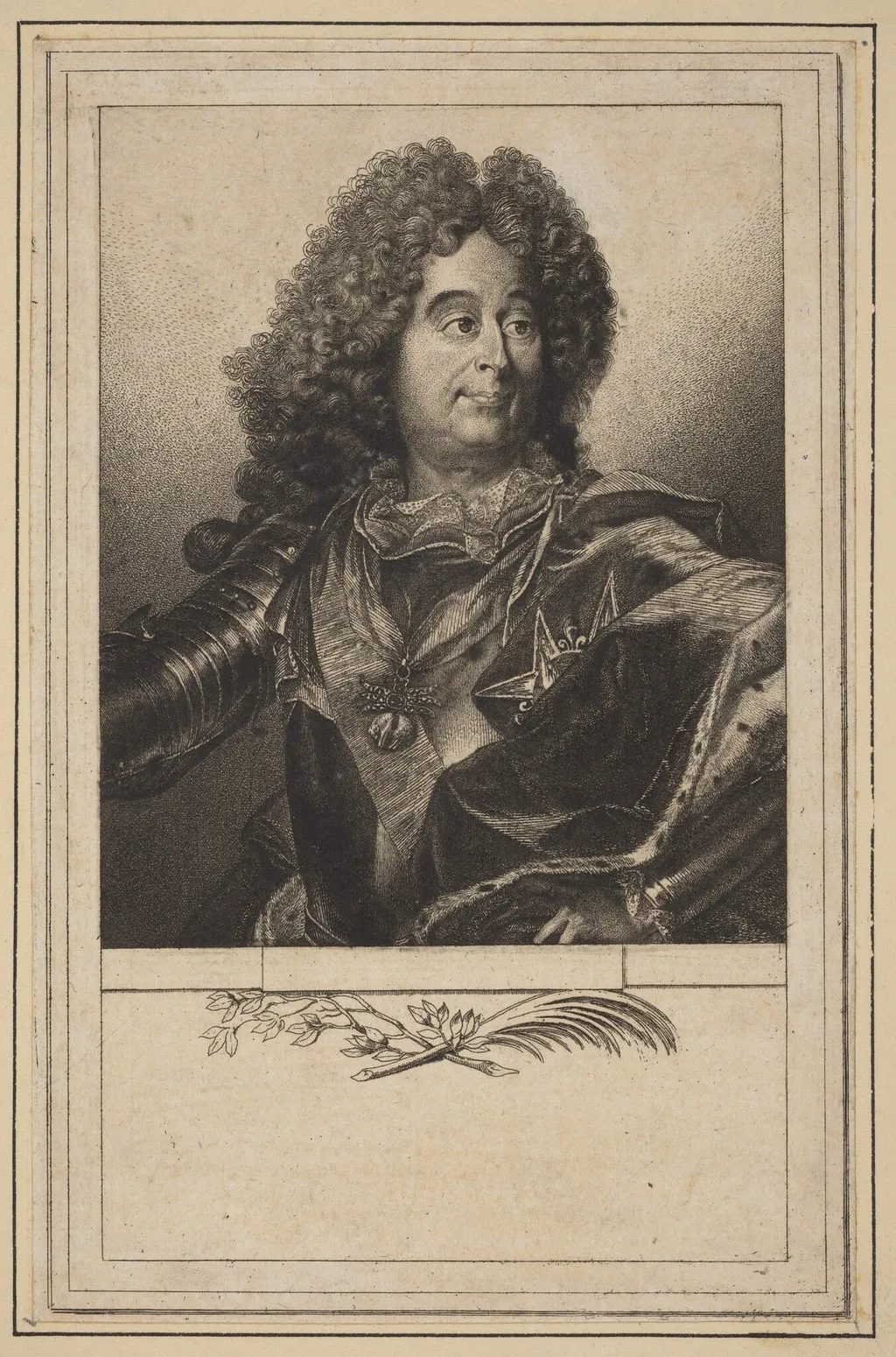
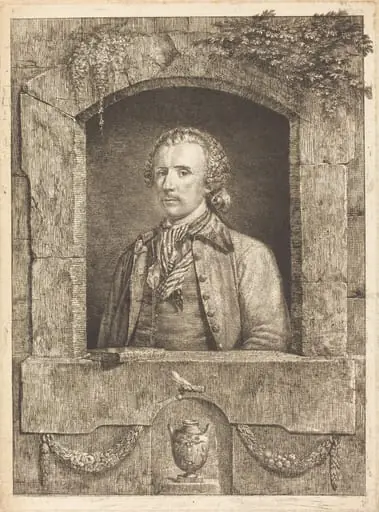
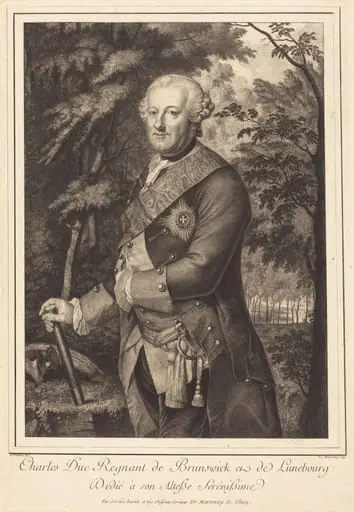
Louis Hector, duc de Villars is an ink print by the Romanticist artist Antoine de Marcenay de Ghuy. It dates from 1778 and is held in the collection of the National Gallery of Art.
About this work
Overview
Created in 1778, this etching on laid paper presents Louis Hector, duc de Villars, in a frontal pose. Executed by the French printmaker Antoine de Marcenay de Ghuy, the work exemplifies the portrait conventions of the late eighteenth century, offering a clear view of the nobleman's attire and bearing.
Subject & Meaning
The image depicts the duc de Villars gazing directly at the viewer, his elaborate costume and dignified expression underscoring his aristocratic rank. By emphasizing his refined dress and composed demeanor, the portrait conveys both personal prestige and the broader social hierarchy of pre‑revolutionary France.
Technique & Style
Marcenay de Ghuy employed traditional etching on laid paper, a process that allows fine line work and subtle tonal variation. The precise rendering of fabric folds, accessories, and facial features reflects the artist’s skill in controlling the acid bite to achieve detailed, crisp lines characteristic of high‑quality French prints of the period.
History & Provenance
The print was produced in 1778, a time when portrait etchings served as portable records of noble identity. While specific ownership details are scarce, such works were often circulated among aristocratic circles and collected as representations of lineage and status.
Context
Portraiture in the late 1700s frequently employed etching to document the elite, offering a more affordable alternative to painted likenesses. This piece aligns with contemporary French practices that combined technical rigor with an emphasis on displaying the subject’s social position through clothing and pose.
Artist & collection

Artist
Antoine de Marcenay de Ghuy (1724–1811) was a French artist, born in Paris.