Artwork
The Slaughter of The Abencerrajes
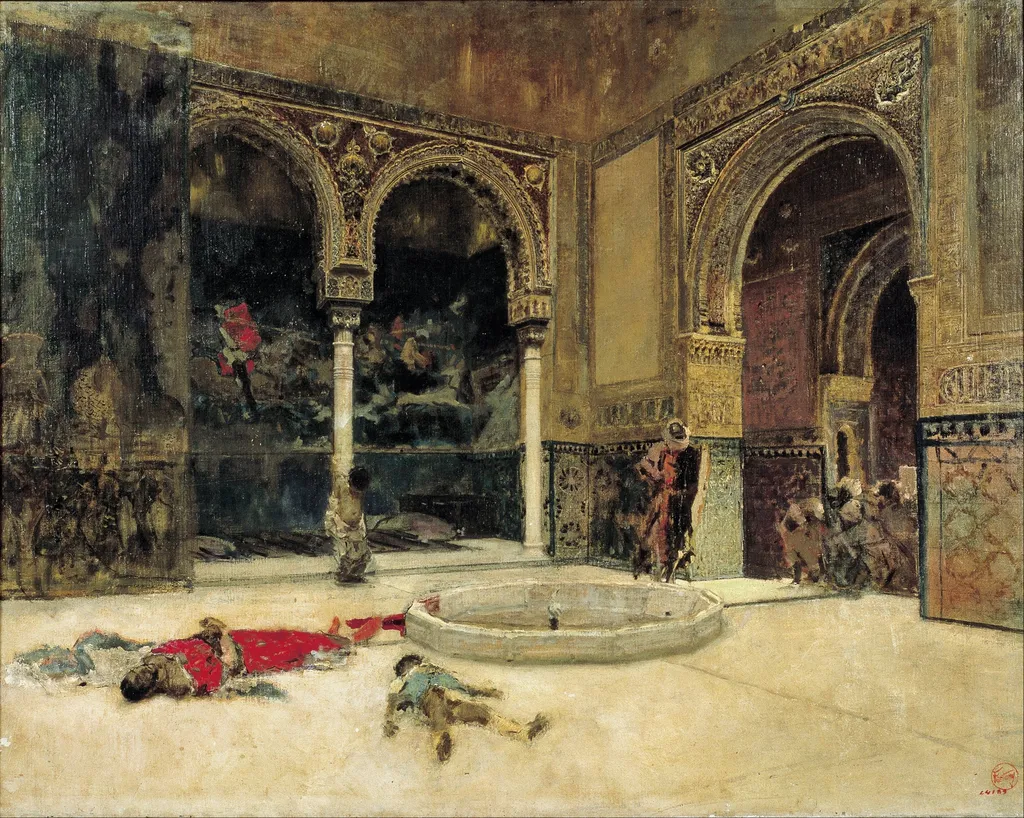
The Slaughter of The Abencerrajes is an oil painting by Mariano Fortuny Marsal. It dates from 1870 and is held in the collection of the Museu Nacional d'Art de Catalunya.
About this work
Overview
Painted in 1870 by Mariano Fortuny y Marsal, this oil work depicts a violent episode from Spanish history, rooted in the legend of the Abencerrajes, a noble Moorish family allegedly executed by order of the Catholic monarchs. Fortuny, known for his meticulous attention to historical detail and dramatic composition, rendered the scene with emotional gravity, reflecting 19th-century Spain’s renewed interest in its medieval past.
Subject & Meaning
The painting illustrates the legendary massacre of the Abencerrajes, a prominent Moorish lineage said to have been killed in the Alhambra for alleged treason.
The painting illustrates the legendary massacre of the Abencerrajes, a prominent Moorish lineage said to have been killed in the Alhambra for alleged treason. Fortuny captures the moment of execution, emphasizing the contrast between the fallen and the standing figures, likely royal guards. The scene functions as a symbolic representation of the end of Muslim rule in Iberia, framed through a Romantic lens of tragedy and lost nobility.
Technique & Style
Fortuny employed chiaroscuro to heighten the drama, using sharp contrasts between light and shadow to isolate the central figures and guide the viewer’s gaze. His brushwork is precise, especially in rendering textiles and architectural details, reflecting his training in historical accuracy. The composition is tightly controlled, with figures arranged in a shallow, theatrical space that enhances the sense of impending doom.
History & Provenance
Completed in 1870, the painting entered the collection of the Museu Nacional d'Art de Catalunya in the early 20th century. It was part of a broader 19th-century trend in Spain to revisit and reinterpret its medieval conflicts through art, often to reinforce national identity. Fortuny’s work was widely exhibited during his lifetime and contributed to his reputation as a leading historical painter of his era.
Context
Fortuny painted this during a period of political upheaval in Spain, as the nation grappled with its imperial legacy and regional identities. The Abencerrajes legend, though historically disputed, resonated with contemporary audiences seeking narratives of cultural loss and heroism. Orientalist aesthetics, popular across Europe, allowed artists like Fortuny to explore exoticized pasts while addressing domestic anxieties about identity and power.
Legacy
The painting remains a key example of 19th-century Spanish historicism, illustrating how Romantic ideals shaped interpretations of medieval conflict. While later scholarship has questioned the factual basis of the massacre, Fortuny’s depiction endures as a visual artifact of how history was mythologized in art. It continues to be studied for its technical mastery and its role in shaping national memory.
Own this work as a print
Artist & collection
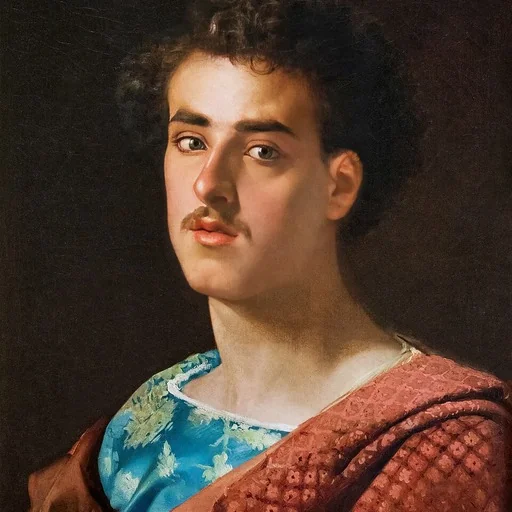
Artist
Mariano Fortuny y Marsal (Catalan: Marià Fortuny i Marsal, pronounced ; June 11, 1838 – November 21, 1874) was a Spanish painter known for works focusing on Romantic fascination with Orientalist themes, historicist…

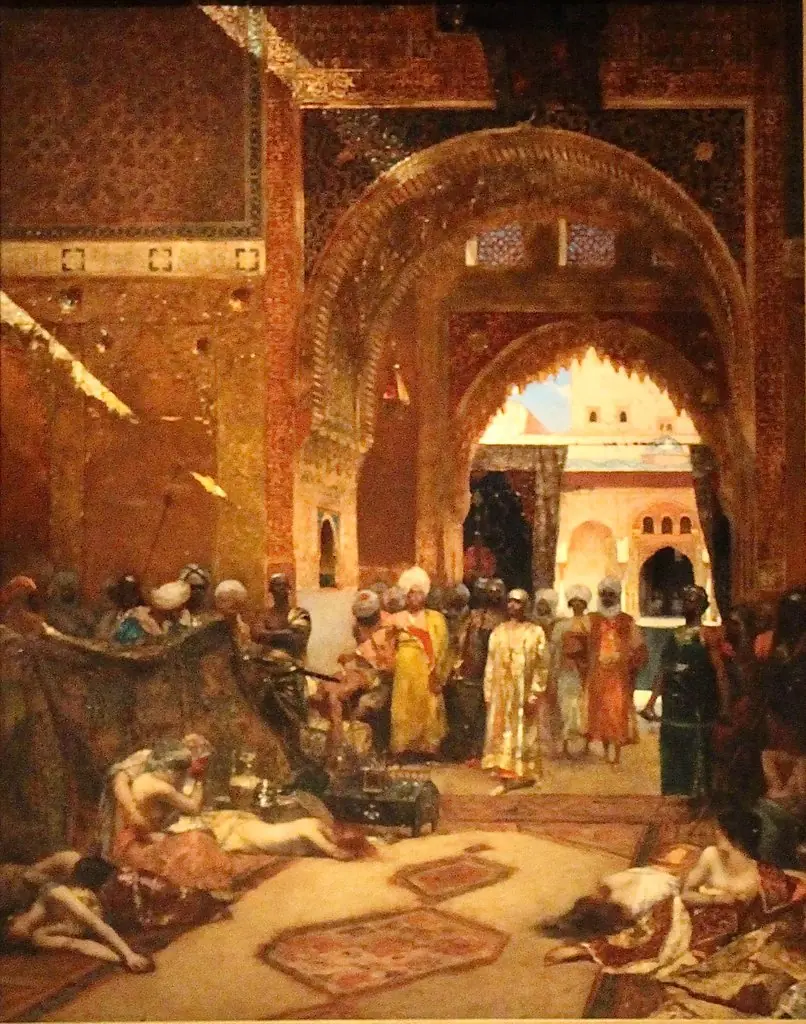 Le lendemain d'une victoire à l'Alhambra
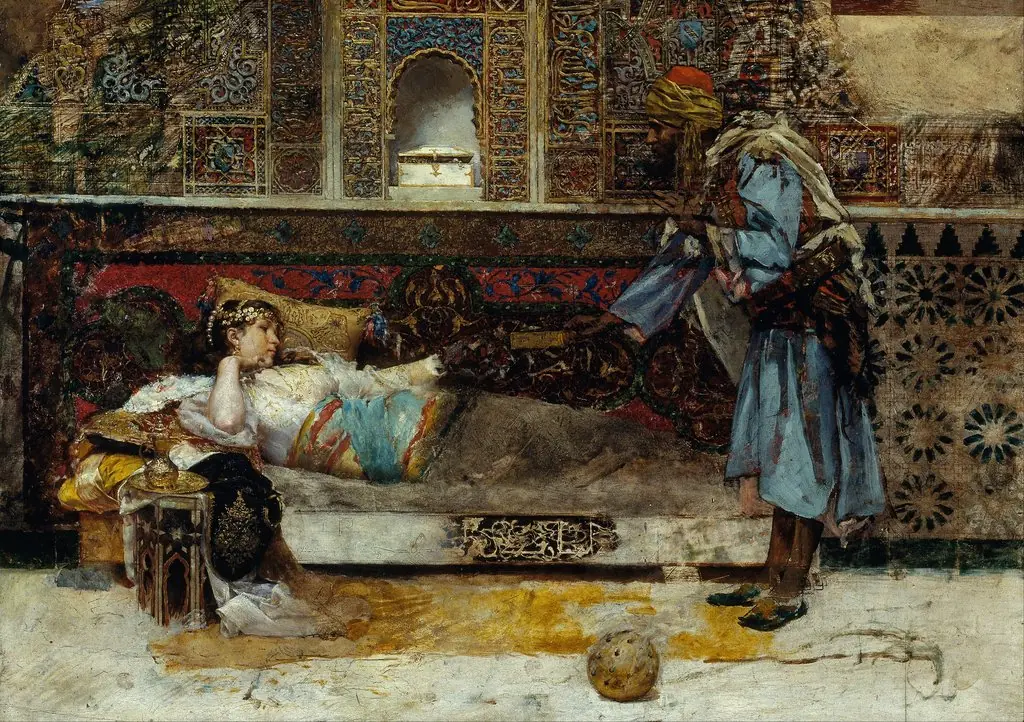 The Sultan's Gift
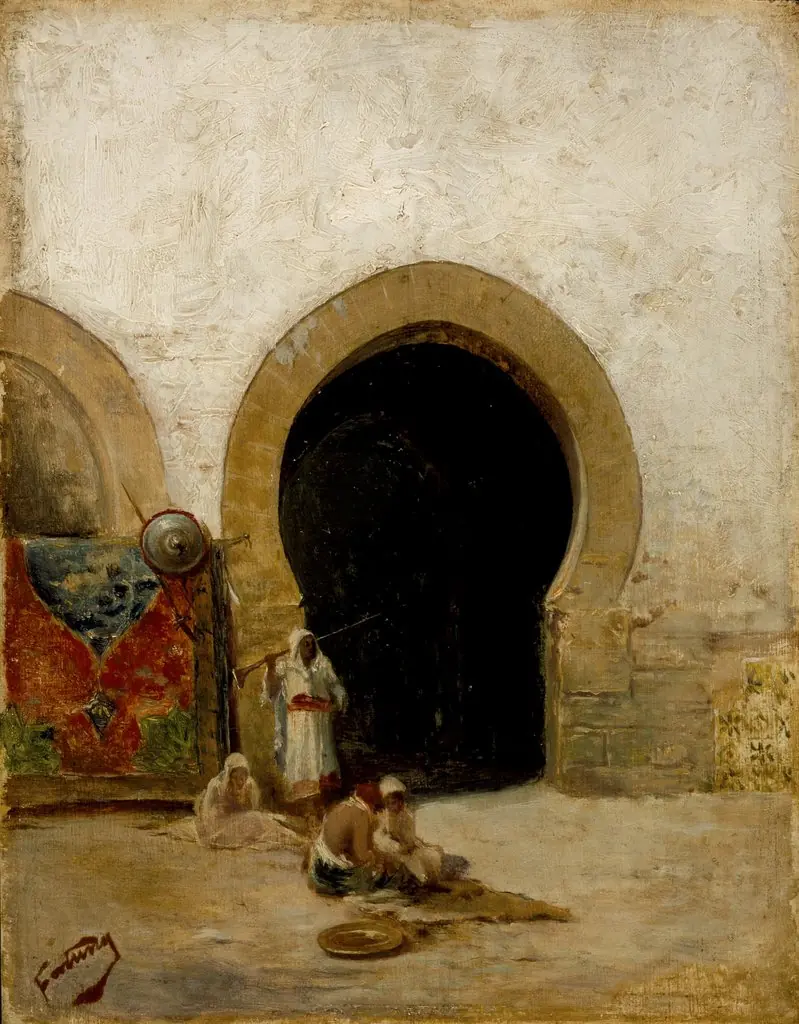 At the Gate of the Seraglio
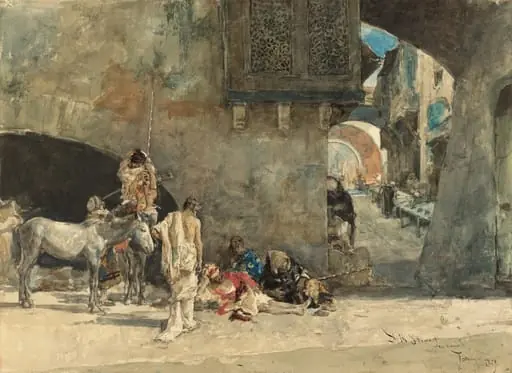 A Street in Tangiers
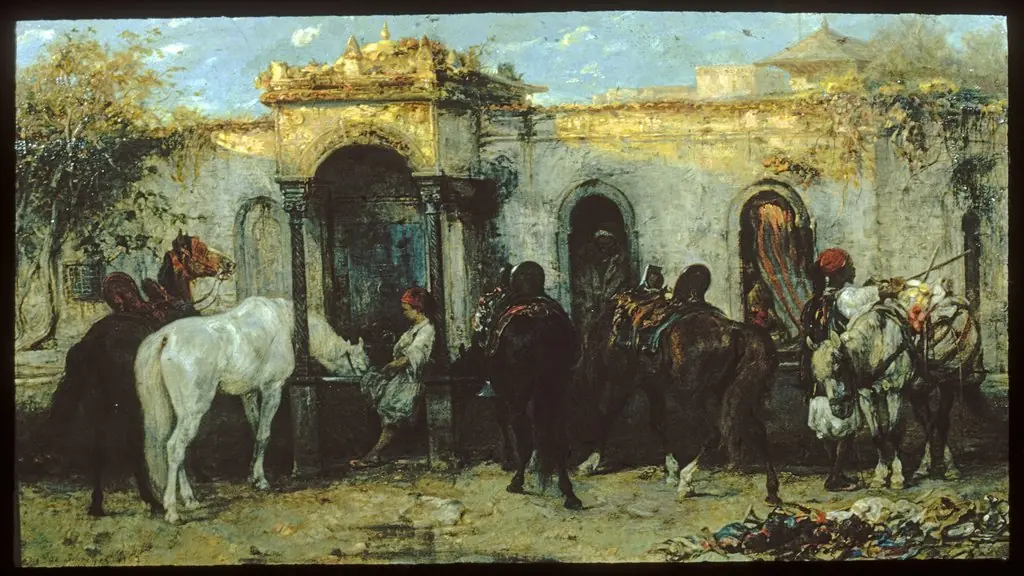 Arabs in Egypt, Sunrise
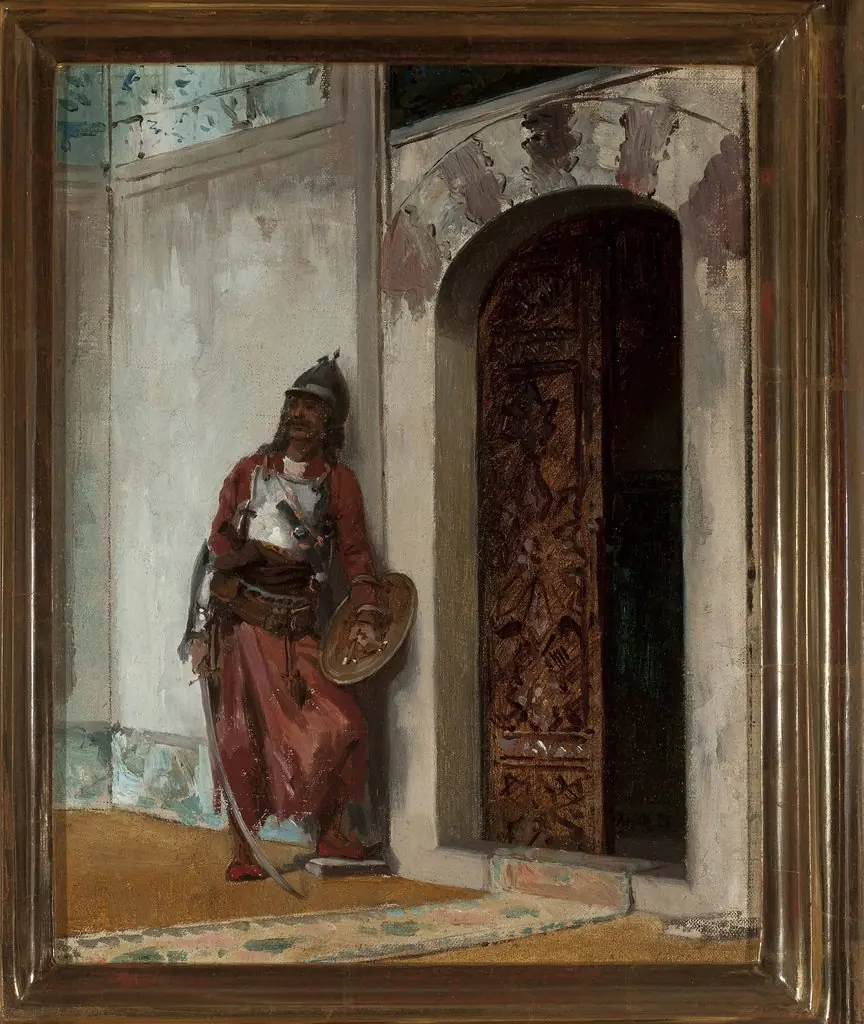 Guard at the entrance to the seraglio
 The Rock-Cut Church of Kados Kirkos at Dongola, Abyssinia
 Entry of Sultan Mehmed II in Constantinople
 Antesala y sala capitular de la catedral de Toledo
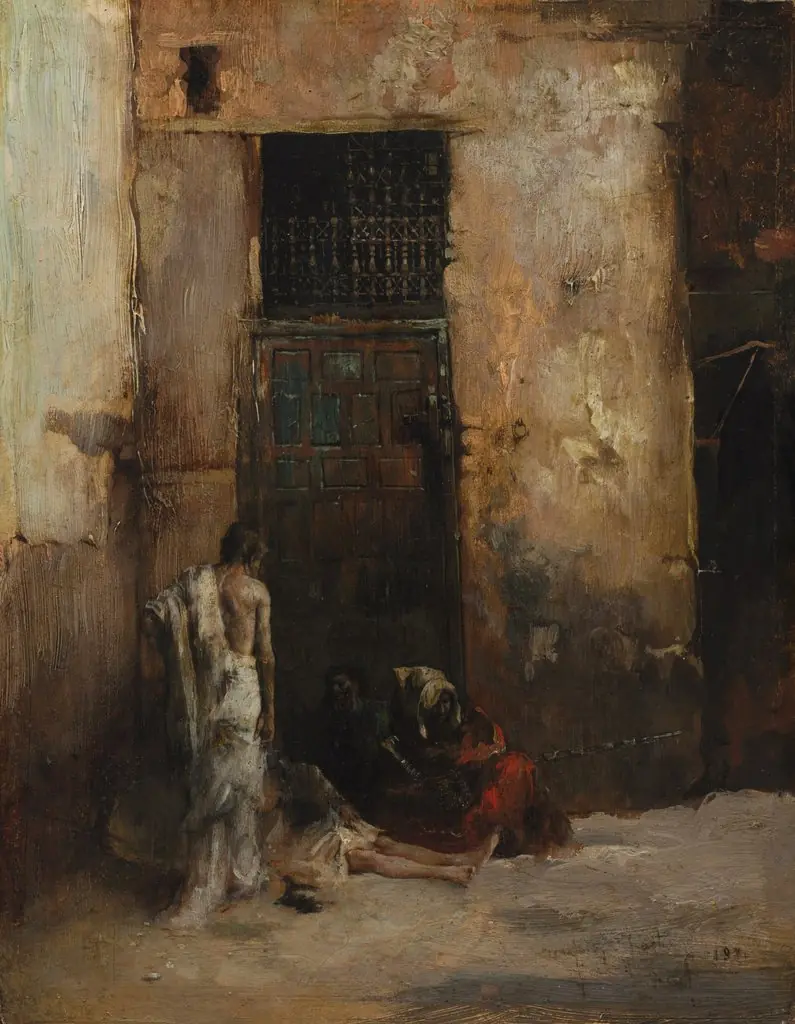
 Beggars by a Door
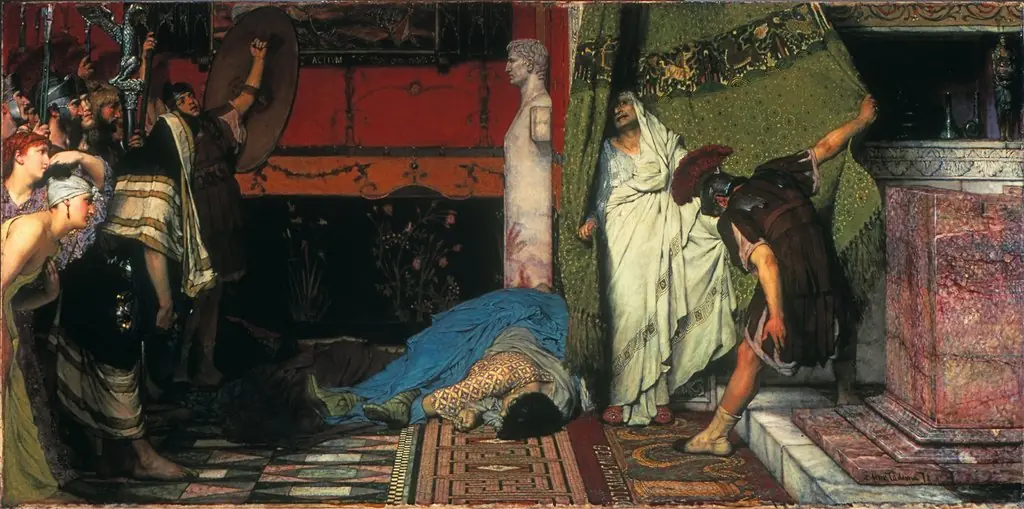 A Roman Emperor (Claudius)