Artwork
Daniel Featly, age 65
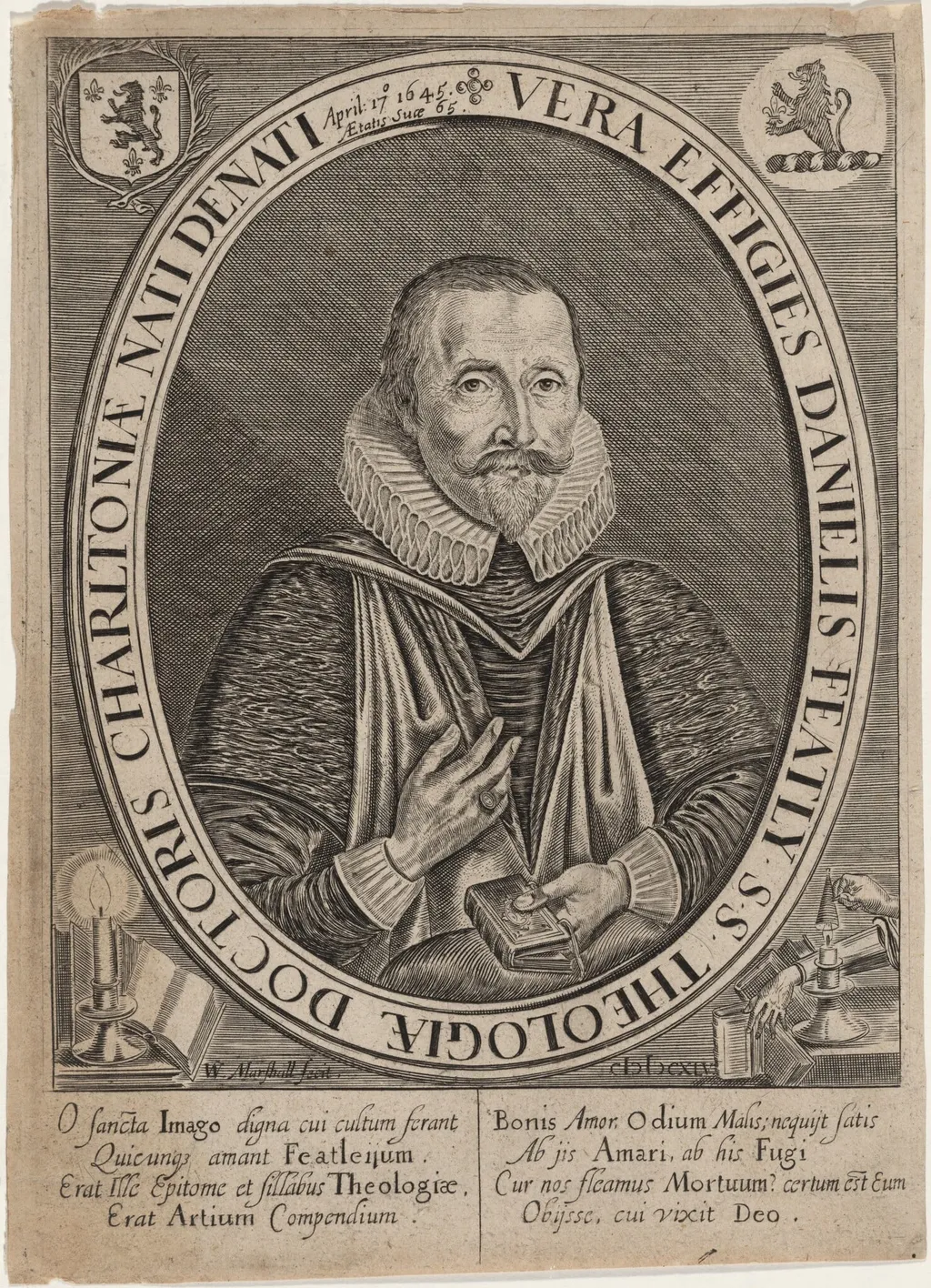
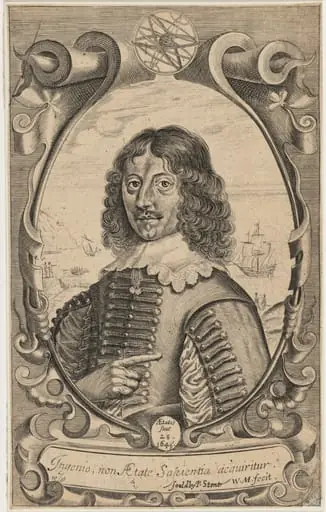
Daniel Featly, age 65 is an ink print by the Baroque artist William Marshall. It dates from 1645 and is held in the collection of the National Gallery of Art.
About this work
Overview
The composition emphasizes dignity through restrained detail and a plain background, typical of mid-seventeenth-century English portraiture in print.
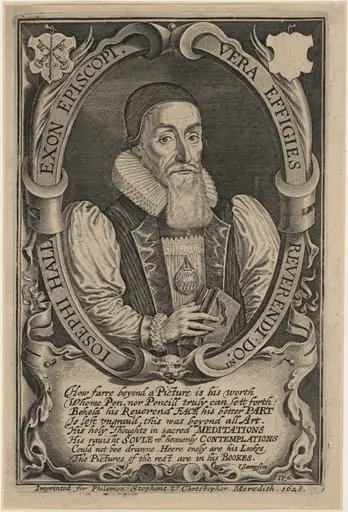
This 1645 engraving by William Marshall depicts Daniel Featly at the age of sixty-five. Rendered in monochrome, the portrait presents a formal, frontal view of the subject with meticulous line work. The image is bordered by ornamental motifs including a lion and a ship, alongside inscribed text identifying the sitter and his age. The composition emphasizes dignity through restrained detail and a plain background, typical of mid-seventeenth-century English portraiture in print.
Subject & Meaning
Daniel Featly was an Anglican divine and controversialist known for his theological writings. The portrait captures him in later life, his full beard and ruffled collar suggesting clerical authority. His right hand rests on his chest, a gesture implying reflection or piety, while the small object in his left hand may reference a book or religious artifact. The surrounding symbols and text reinforce his identity and status, aligning the image with the tradition of scholarly portraiture.
Technique & Style
Marshall employed fine, controlled engraving lines to model Featly’s facial features and textured garments. Shading is achieved through cross-hatching, giving volume to the beard and collar without relying on tone or wash. The decorative border, with its heraldic and maritime elements, reflects the period’s taste for emblematic framing. The style is precise and deliberate, prioritizing clarity and symbolic resonance over expressive flourish.
History & Provenance
Created in 1645, the engraving was likely produced to accompany Featly’s published works during a period of intense religious debate in England. It circulated among his readers and contemporaries as a visual counterpart to his theological arguments. The print’s survival suggests it was valued by collectors or institutions interested in Puritan and Anglican figures of the era, though its early ownership remains undocumented.
Context
In mid-1640s England, printed portraits of clergy were common tools for establishing intellectual authority. Featly’s image aligns with a broader trend of using engraving to disseminate the likenesses of religious and political figures amid civil unrest. The inclusion of symbolic border elements reflects the era’s fascination with emblems as carriers of meaning, linking personal identity to broader cultural and theological narratives.
Legacy
The engraving remains one of the few surviving visual records of Daniel Featly, preserving his appearance for later generations. It contributes to the historical record of how religious figures were represented in print during the English Civil War. While not widely reproduced today, it continues to serve as a reference for scholars studying the intersection of portraiture, theology, and print culture in seventeenth-century Britain.
Artist & collection

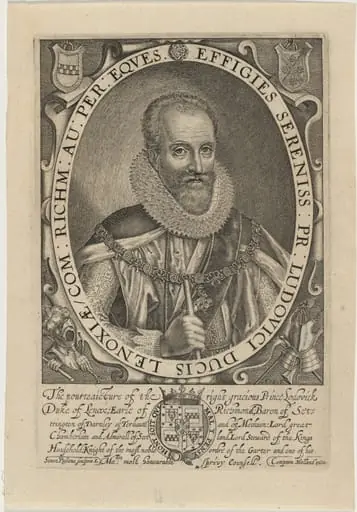 Ludovic Stuart, Duke of Lennox and Richmond
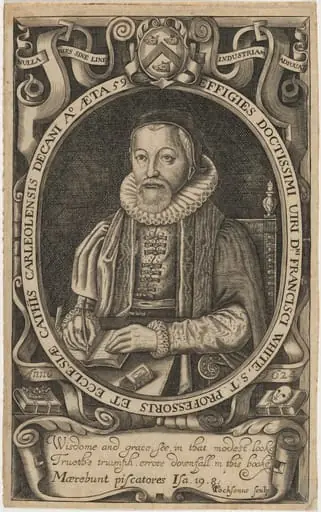 Francis White, D.D., Bishop of Ely
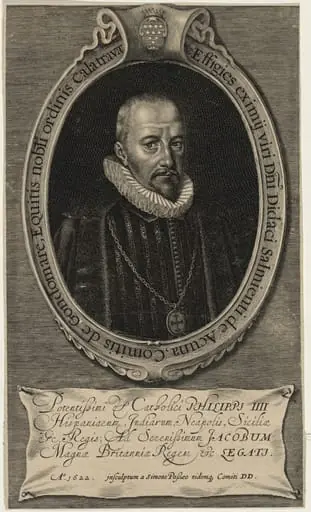 Diego Sarmiento de Acuna, Count of Gondomar
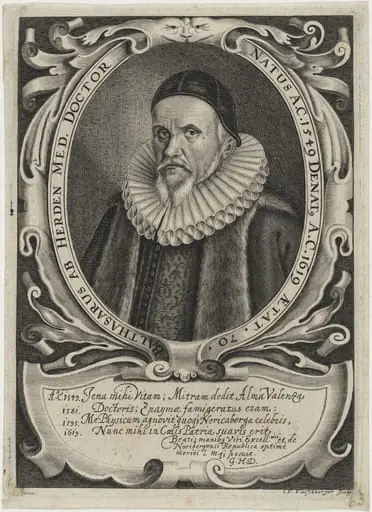 Balthasarus ab Herden Med. Doctor
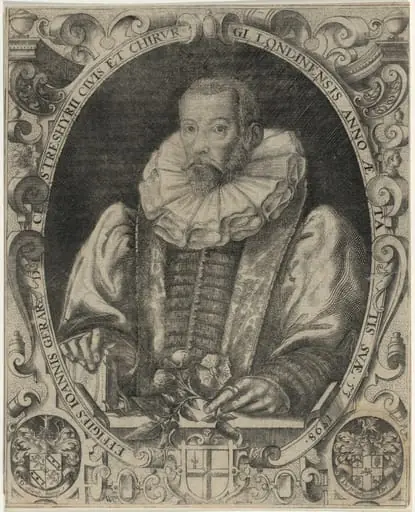 John Gerard, Herbalist
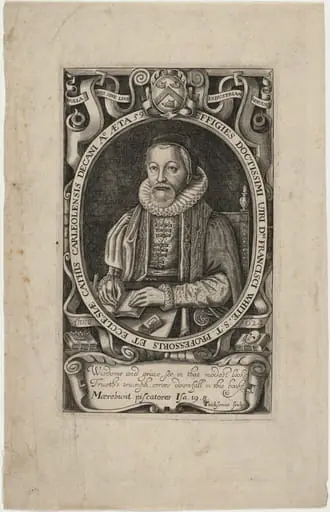 Francis White, Bishop of Ely
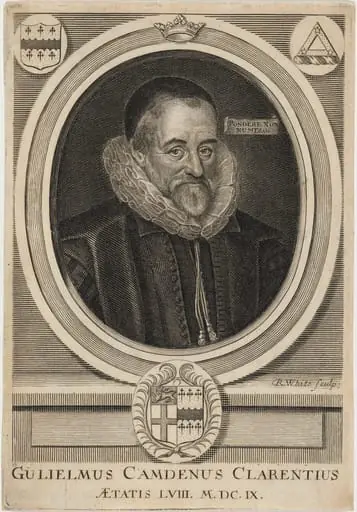 William Camden
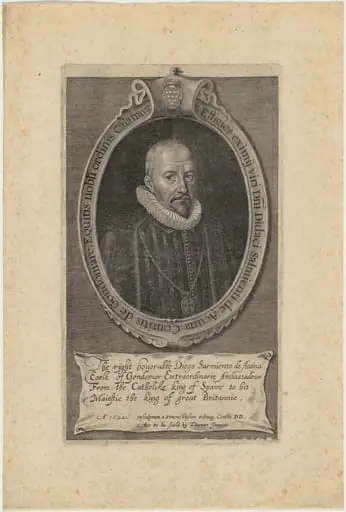 Diego Sarmiento de Acuna, Count of Gondomar
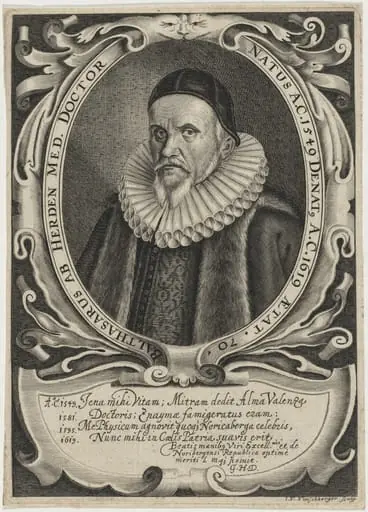 Balthasarus ab Herden Med. Doctor
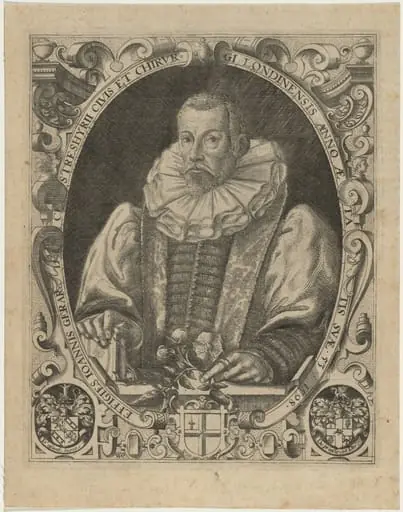 John Gerard, Herbalist
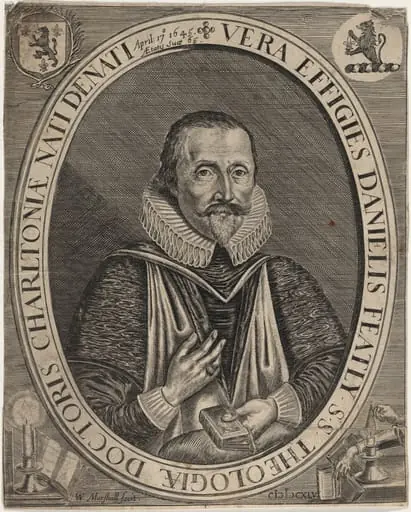 Daniel Featly, age 65
 Joseph Hall, Bishop of Exeter and Norwich