Artwork
John Gerard, Herbalist
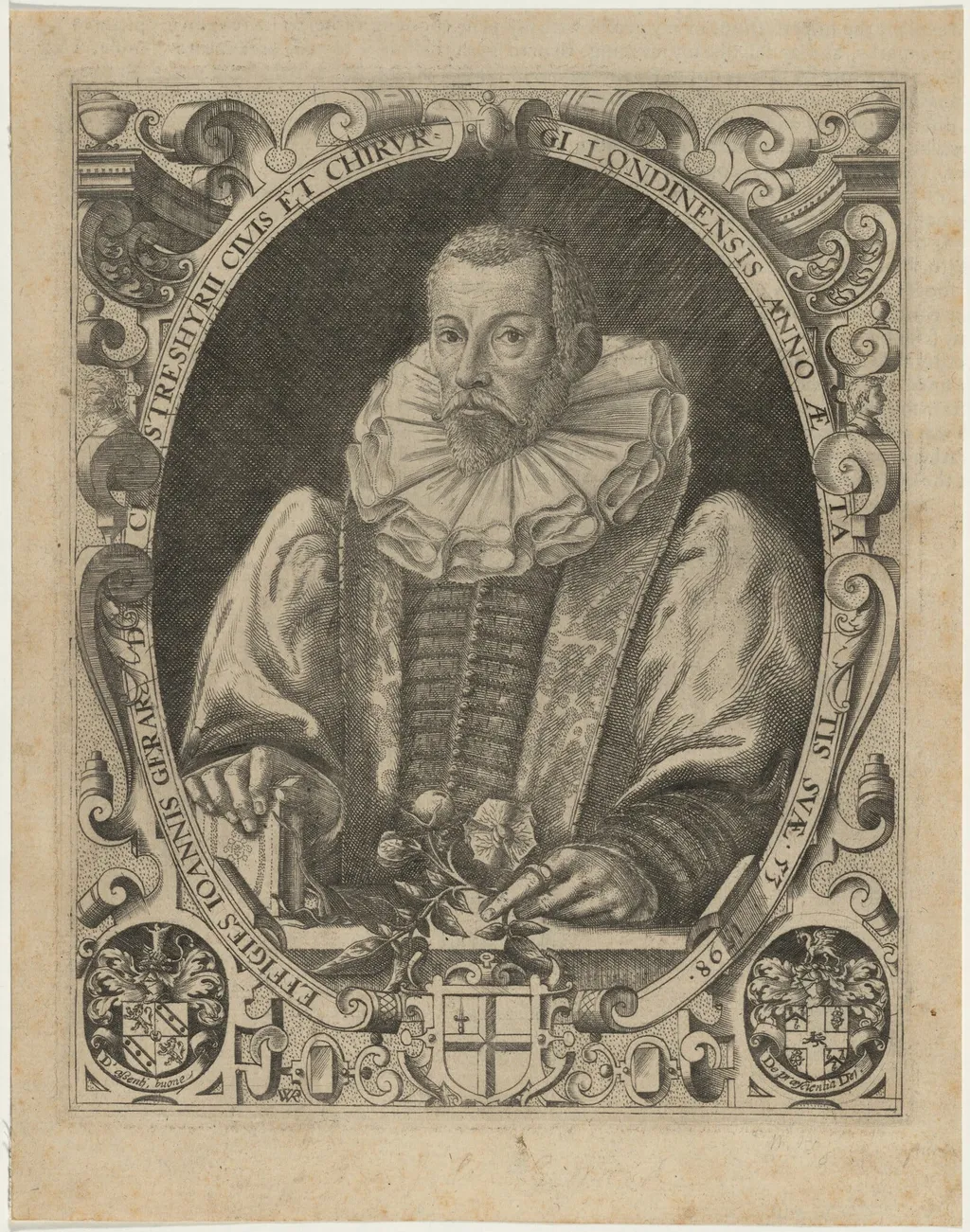
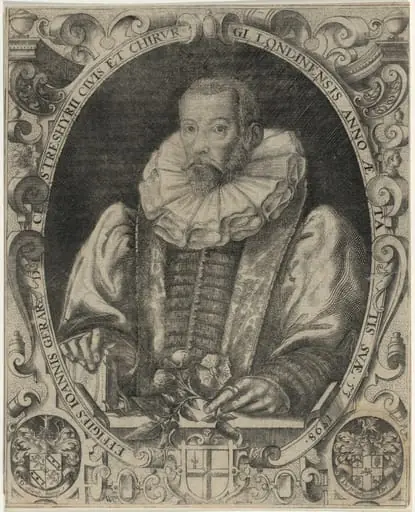
John Gerard, Herbalist is an ink print by the Renaissance artist William Rogers. It dates from 1597 and is held in the collection of the National Gallery of Art.
About this work
Overview
William Rogers’ 1597 engraving presents John Gerard, a noted English herbalist, in a formal portrait. Rendered in black and white, the image shows Gerard with a full beard, ruff collar, and long coat, holding a small plant in his right hand. The composition is framed by ornamental scrollwork and Latin inscriptions that identify him as a London-based herbalist.
Subject & Meaning
The sitter’s attire and solemn expression convey his status as a learned practitioner of plant-based medicine. The plant he cradles serves as a visual shorthand for his expertise, while the Latin terms “Londinensis” and “Herbarius” explicitly label him as a London herbalist, underscoring his professional identity in the early modern scientific community.
Technique & Style
Executed as an intaglio engraving, Rogers employed fine incised lines to achieve delicate shading and intricate decorative borders. The contrast between the dark background and the crisp, white highlights of the figure’s features exemplifies the period’s emphasis on precision and texture, allowing subtle details such as the ruff’s folds and the plant’s leaves to emerge clearly.
History & Provenance
Created in 1597, the print was likely produced for distribution among scholars and patrons interested in natural history. While the original plate’s ownership record is sparse, copies have survived in several European print collections, indicating the work’s circulation among contemporaneous circles of physicians, botanists, and collectors of printed portraiture.
Context
Gerard’s portrait appears at a time when England was expanding its botanical knowledge, integrating continental herbals with local flora. Portraits of scientists and physicians were common, serving both as personal commemoration and as visual endorsements of their authority in the burgeoning field of medicinal botany.
Legacy
The engraving remains a valuable visual document of early modern scientific portraiture, illustrating how print media conveyed professional identity. It also provides insight into the visual culture surrounding herbalists, whose work laid groundwork for later developments in pharmacology and botanical illustration.
Artist & collection

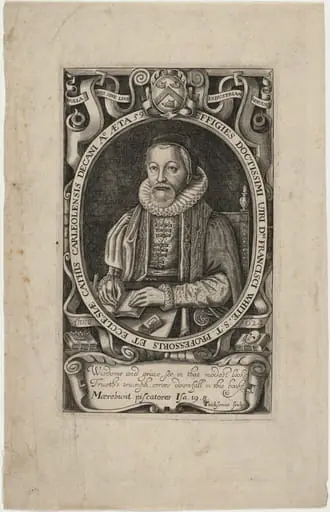 Francis White, Bishop of Ely
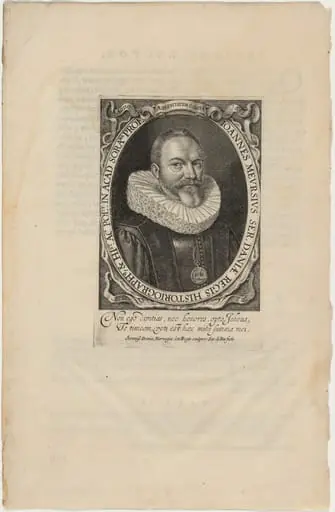 Johannes Meursius, Historian
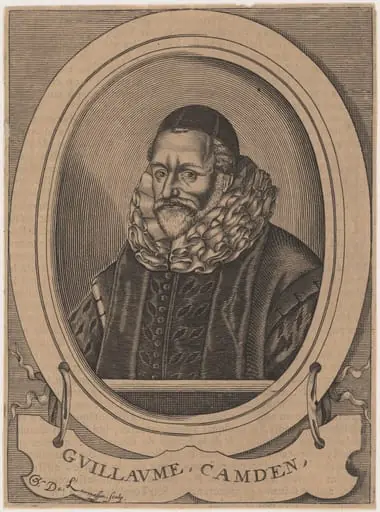 William Camden, Herald, Antiquary and Historian
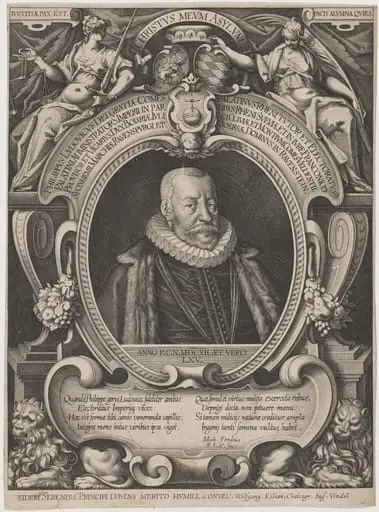 Philip Louis, Count Palatine
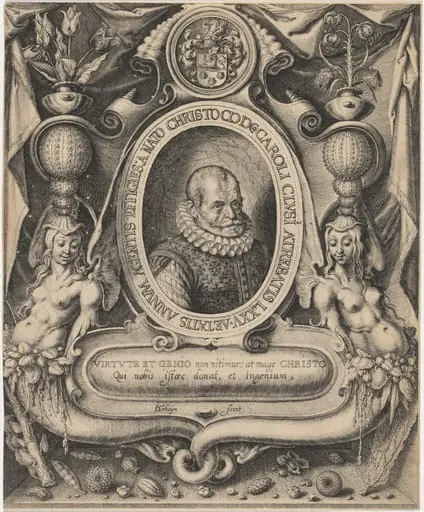 Carolus Clusius, Professor of Botany at Leyden
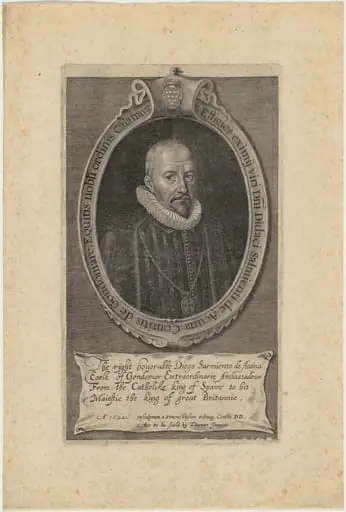 Diego Sarmiento de Acuna, Count of Gondomar
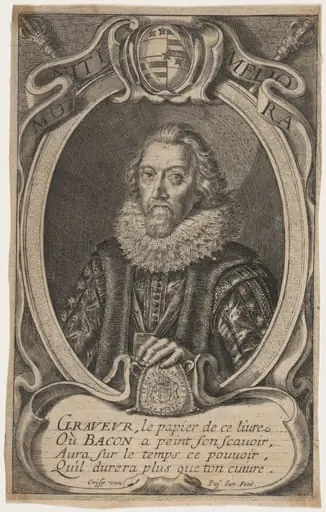 Sir Francis Bacon
 Aaron Rathborne
 James I, King of England
 Ulrich Grundherr
 Dr. Robert Fludd, Physician and Rosicrucian