Artwork
Francis Bacon
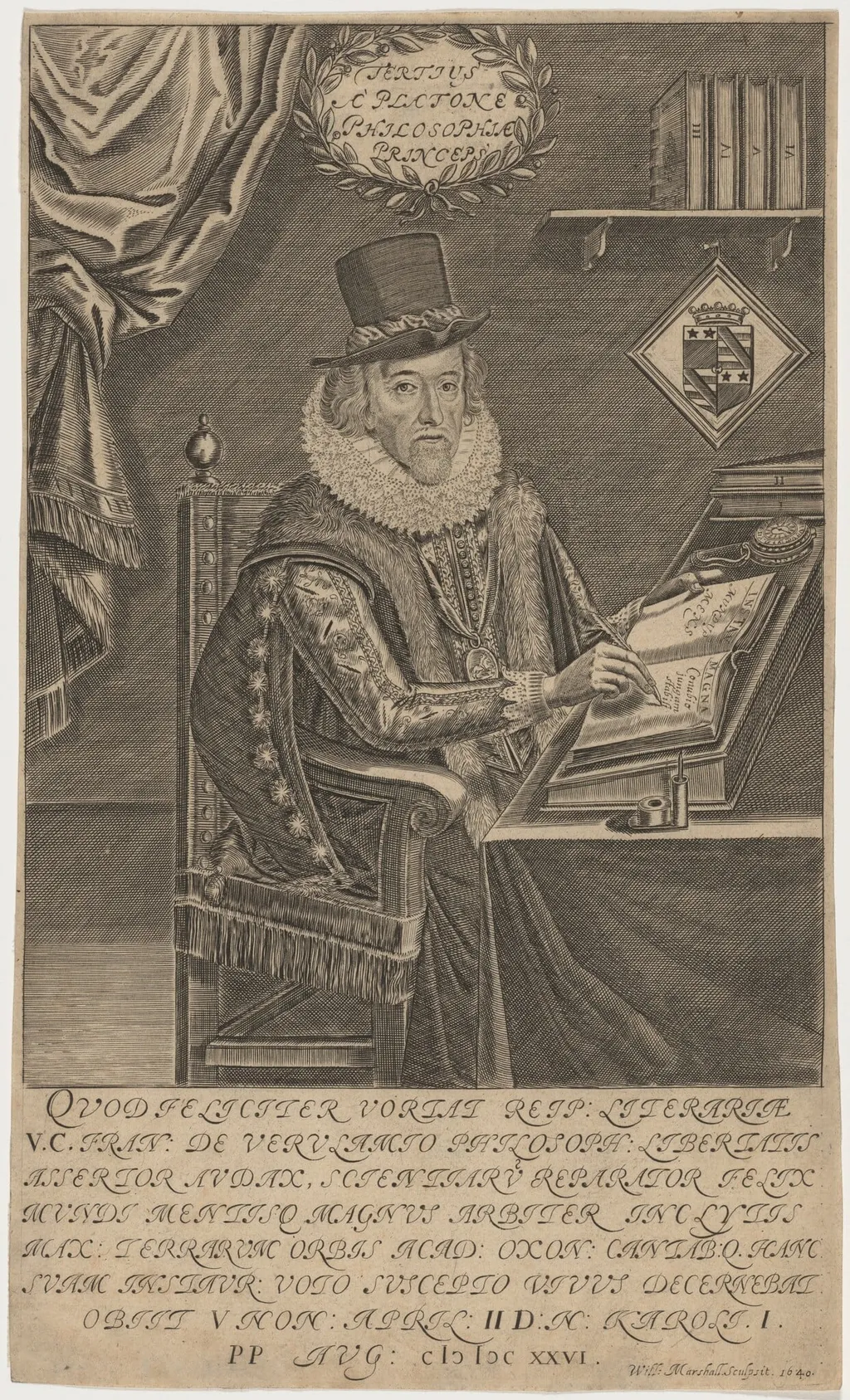
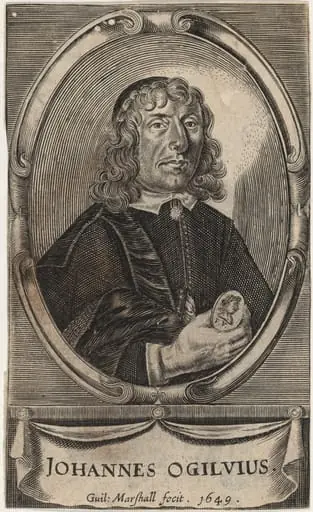
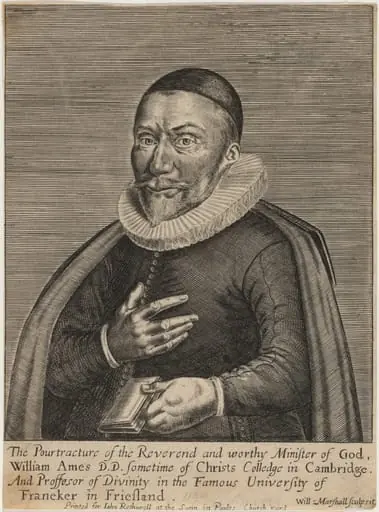
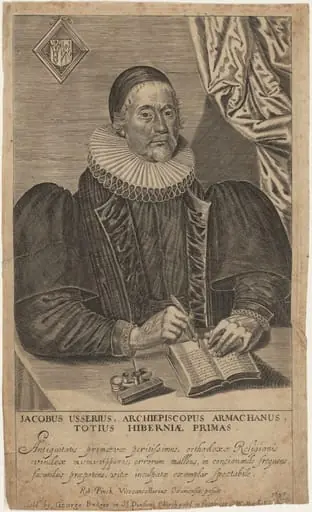
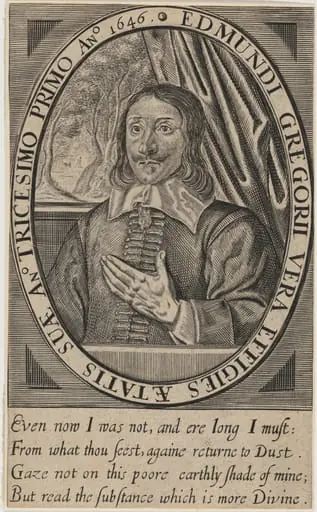
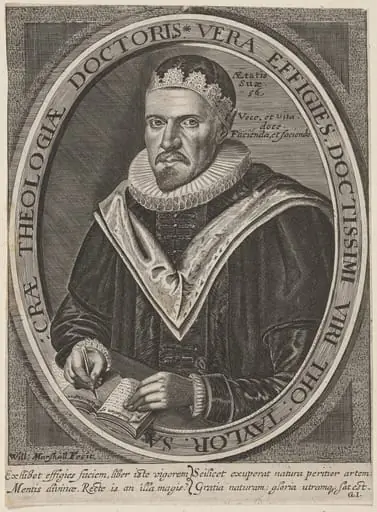
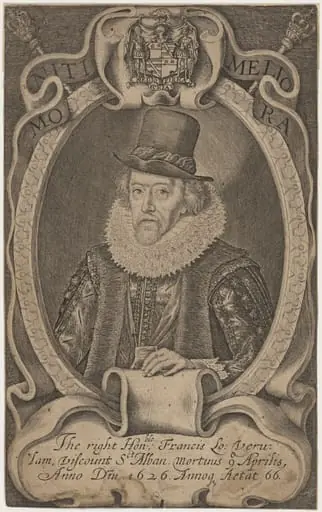
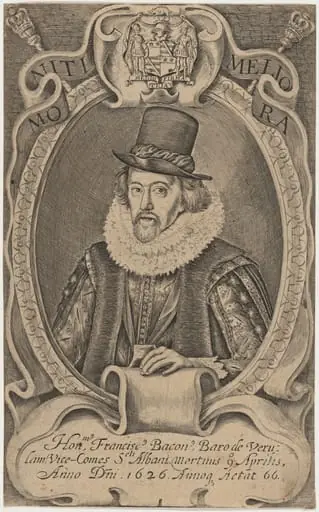
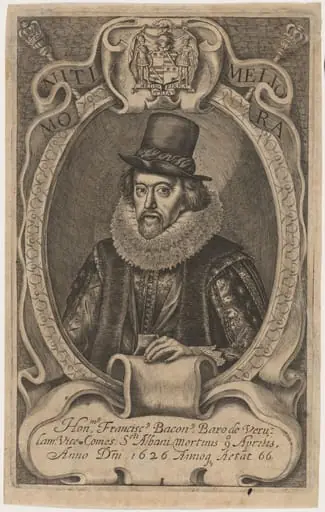
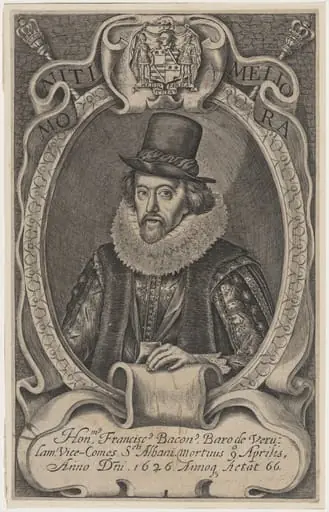
Francis Bacon is an ink print by the Baroque artist William Marshall. It dates from 1640 and is held in the collection of the National Gallery of Art.
About this work
Overview
Created in 1640, this black‑and‑white engraving was produced by the English printmaker William Marshall.
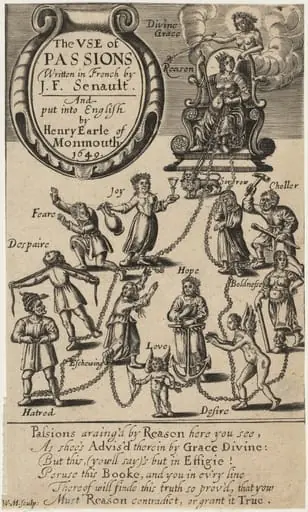
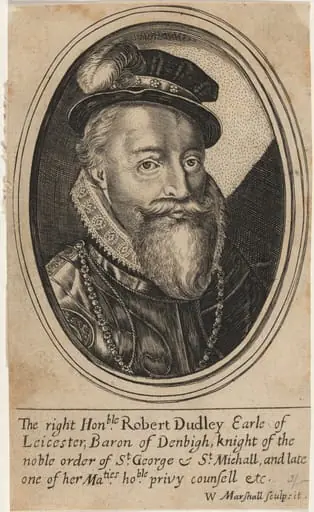
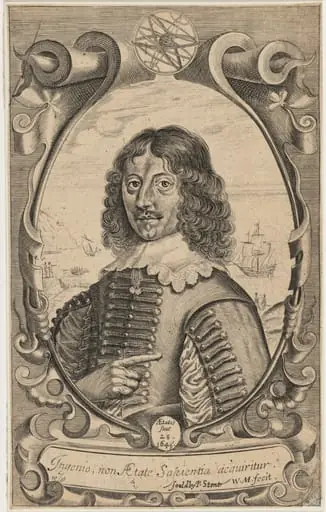
Created in 1640, this black‑and‑white engraving was produced by the English printmaker William Marshall. The image presents a solitary figure dressed in a large fur‑trimmed collar and a wide‑brimmed hat, surrounded by symbols of learning and authority, such as an open book, a scroll, a globe, and a heraldic shield. Latin lettering runs along the lower margin, framed by ornamental lines that fill the background.
Subject & Meaning
The central figure’s solemn expression, the globe beneath his left hand, and the act of pointing to a page suggest a person engaged in scholarly or civic duties, perhaps a learned gentleman or official. The presence of a coat of arms and a wreath of leaves reinforces notions of lineage, status, and intellectual achievement, positioning the subject as both a custodian of knowledge and a representative of his family or institution.
Technique & Style
Marshall employed fine incised lines to render textures such as the fur collar, the intricate folds of the hat, and the delicate foliage of the wreath. The contrast between dense hatching for shadows and lighter stippling for highlights creates a three‑dimensional effect, while the precise rendering of the globe and book demonstrates the engraver’s skill in depicting complex objects within a compact composition.
History & Provenance
The print originates from the early Stuart period, a time when portraiture and emblematic imagery were popular in printed media. Though specific ownership records are scarce, the work has survived in several institutional collections, indicating its circulation among collectors interested in representations of learned authority during the mid‑seventeenth century.
Artist & collection