Artwork
Henry Cary
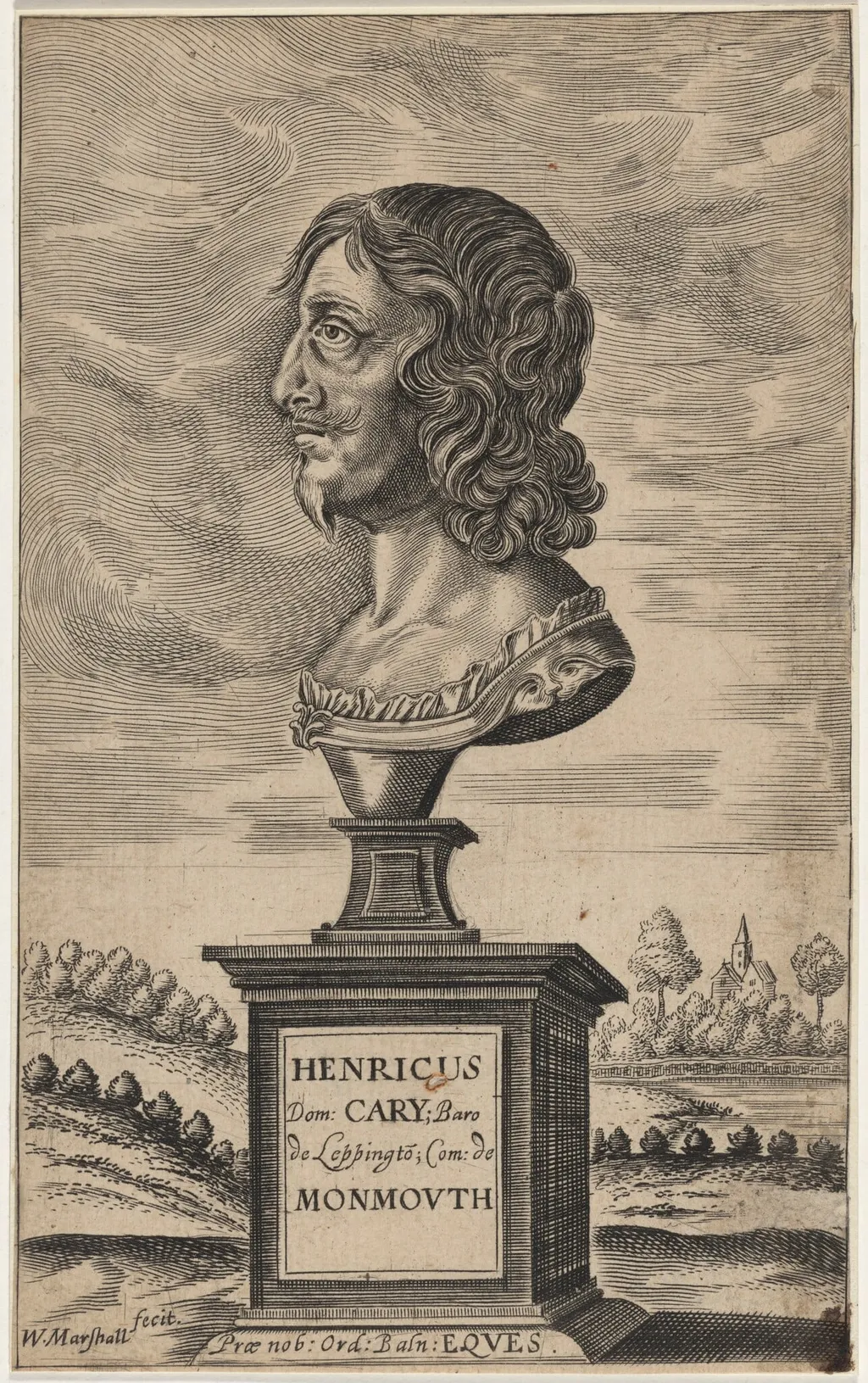
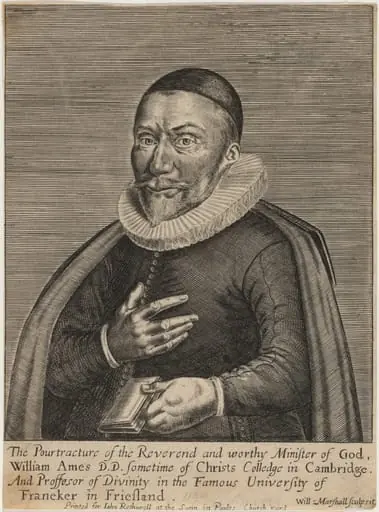
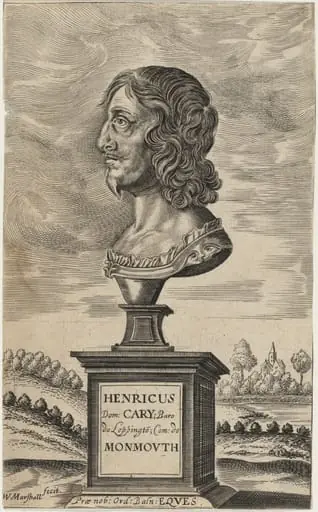
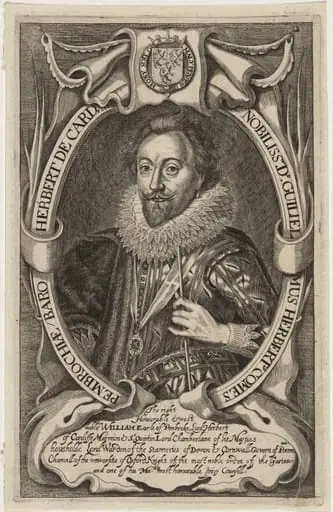
Henry Cary is an ink print by the Renaissance artist William Marshall. It dates from 1623 and is held in the collection of the National Gallery of Art.
About this work
Overview
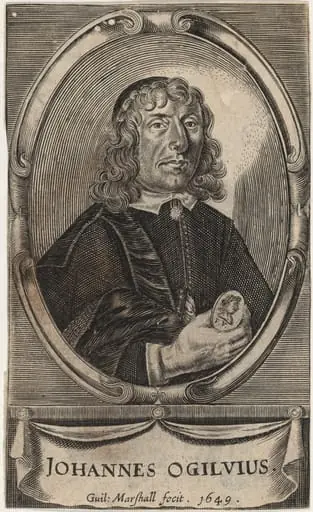
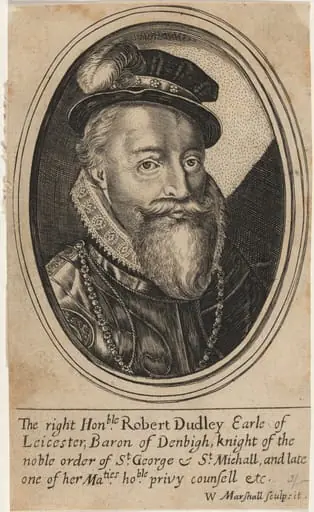
Executed in fine line work on copper, the portrait presents Cary in a direct, frontal gaze, framed by detailed attire typical of early 17th-century elite dress.
This print is an engraving by William Marshall, dated 1623, depicting Henry Cary, an English courtier and politician. Executed in fine line work on copper, the portrait presents Cary in a direct, frontal gaze, framed by detailed attire typical of early 17th-century elite dress. The medium reflects the precision expected in portraiture of the period, where clarity of identity and status were paramount.
Subject & Meaning
Henry Cary, later 1st Viscount Falkland, was a prominent figure in the court of James I. The portrait emphasizes his social standing through formal dress and composed demeanor. The unsmiling, steady gaze conveys authority and gravitas, aligning with the conventions of aristocratic portraiture that prioritized dignity over expression. It functions as a visual record of status rather than a personal likeness.
Technique & Style
Marshall employed the engraving technique, incising fine lines into a copper plate with a burin to create tonal variation and texture. The meticulous rendering of lace, collar, and facial features demonstrates mastery of the medium. Unlike painted portraits, engravings allowed for wider distribution, making this a tool for disseminating the subject’s image among patrons and peers.
History & Provenance
Created shortly before Cary’s elevation to the peerage, the engraving likely served to reinforce his public image during a period of political ascent. It was produced in London, a center for printmaking at the time. Early copies may have circulated among court circles, though its specific early ownership history remains undocumented beyond its publication date.
Context
In the early 1620s, engraved portraits were increasingly used to project the authority of courtiers and officials. Marshall’s work aligns with a broader trend of using print to extend the visibility of political figures beyond the confines of the court. This piece reflects the intersection of art, politics, and emerging print culture in Jacobean England.
Legacy
The engraving remains one of the few surviving visual records of Henry Cary from his lifetime. While William Marshall is not widely known today, this work stands as a representative example of skilled portraiture in early modern printmaking. It contributes to the historical archive of how elite identities were visually constructed and preserved before photography.
Artist & collection