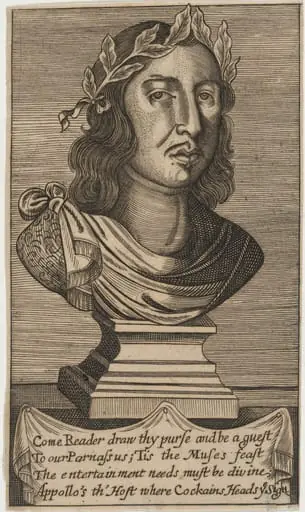
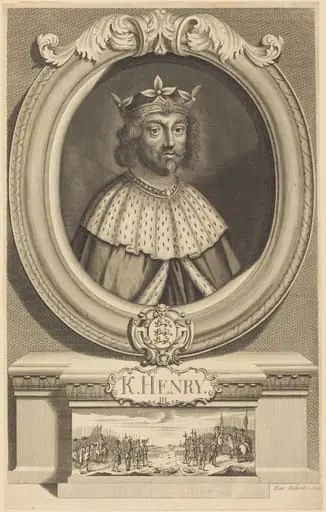
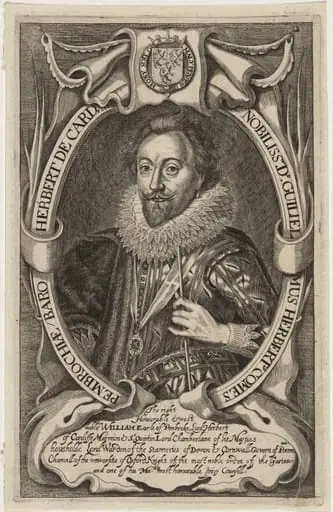
Artwork
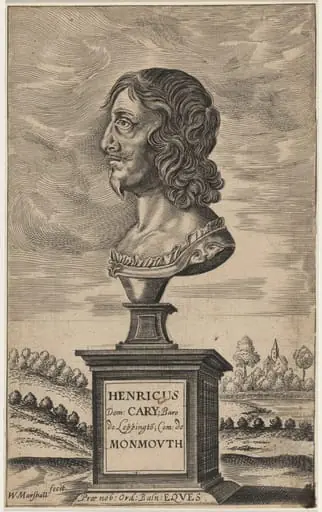
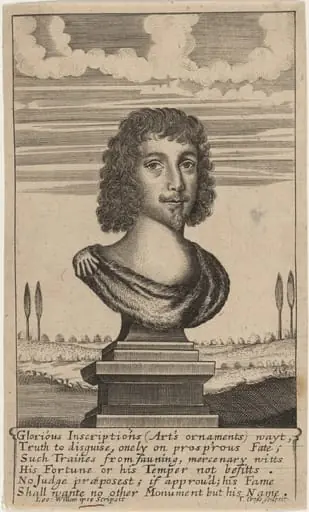
Bust of Earl of Monmouth
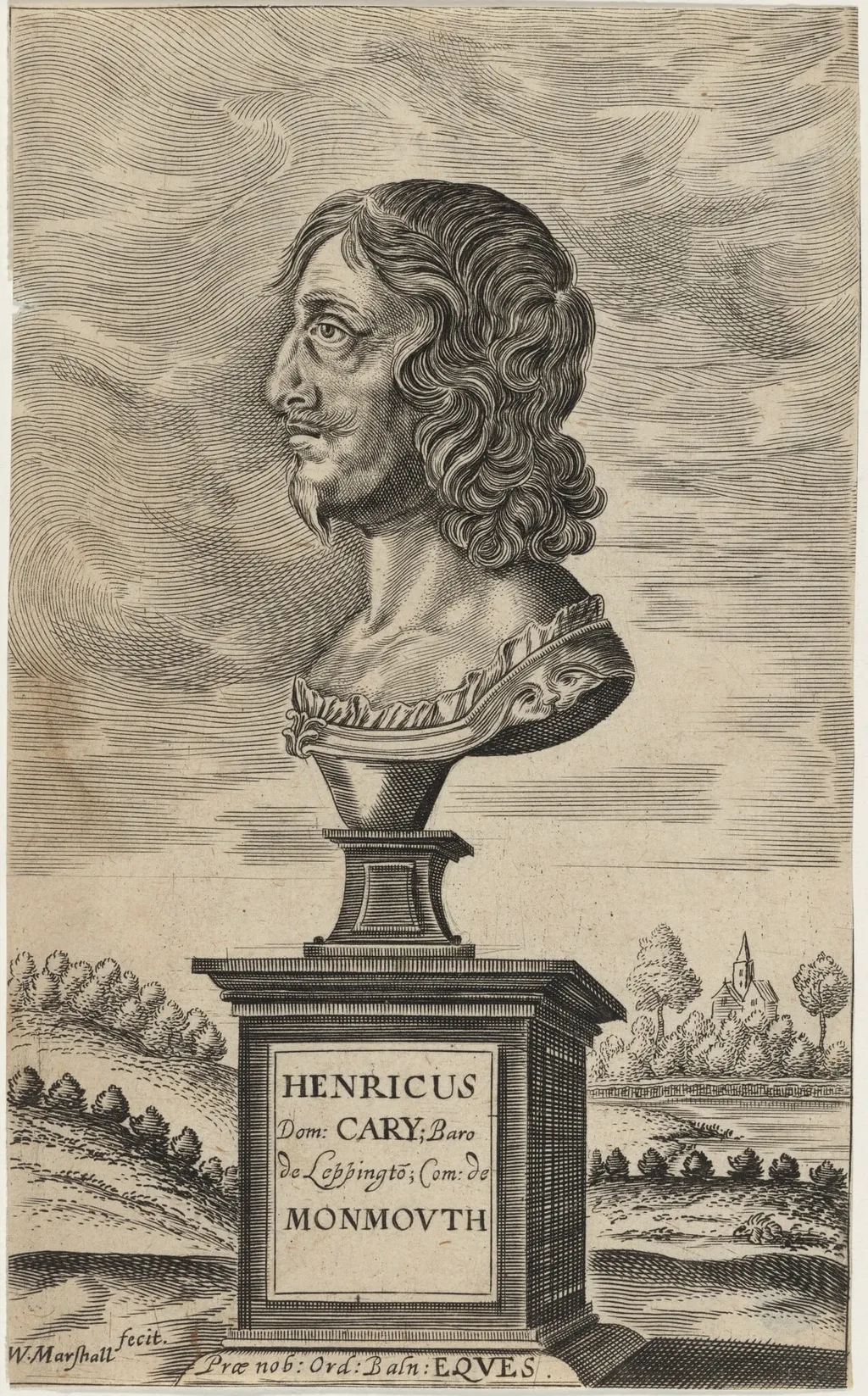
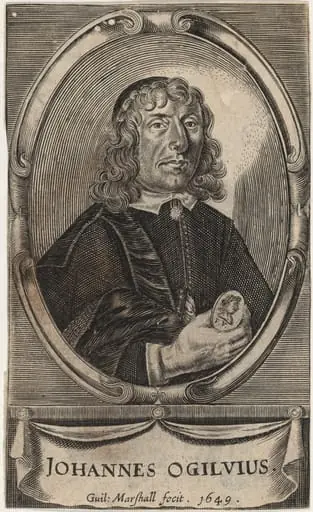
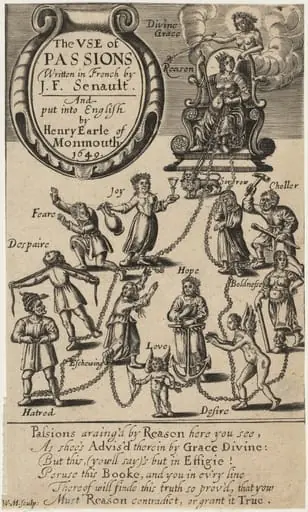
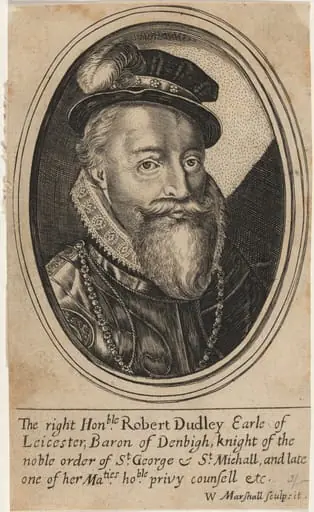
Bust of Earl of Monmouth is an ink print by the Baroque artist William Marshall. It dates from 1649 and is held in the collection of the National Gallery of Art.
About this work
Overview
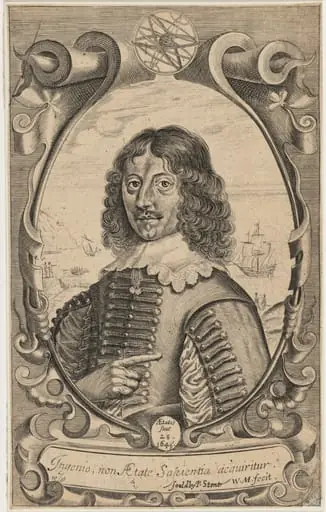
Bust of Earl of Monmouth is an engraving created by William Marshall in 1649, depicting a bust of the Earl set against a landscape background.
Subject & Meaning
The engraving portrays Henry Cary, Baron de Leppington and Earl of Monmouth, as indicated by the pedestal inscription. The inclusion of a landscape with a church steeple may suggest the subject's connection to a specific location or emphasize his piety.
Technique & Style
The engraving features intricate cross-hatching, achieving depth and texture. Executed in a detailed, realistic manner, it aligns with Baroque artistic tendencies, notably in its dramatic lighting effects.
History & Provenance
Created in 1649 by William Marshall, specific details about the engraving's ownership history or exhibitions are not provided.
Context
This work reflects the Baroque style prevalent in 17th-century Europe, characterized by realism and dramatic elements. The subject's portrayal also speaks to the era's practice of commemorating nobility through detailed, symbolic artworks.
Artist & collection