Artwork
John Thompson
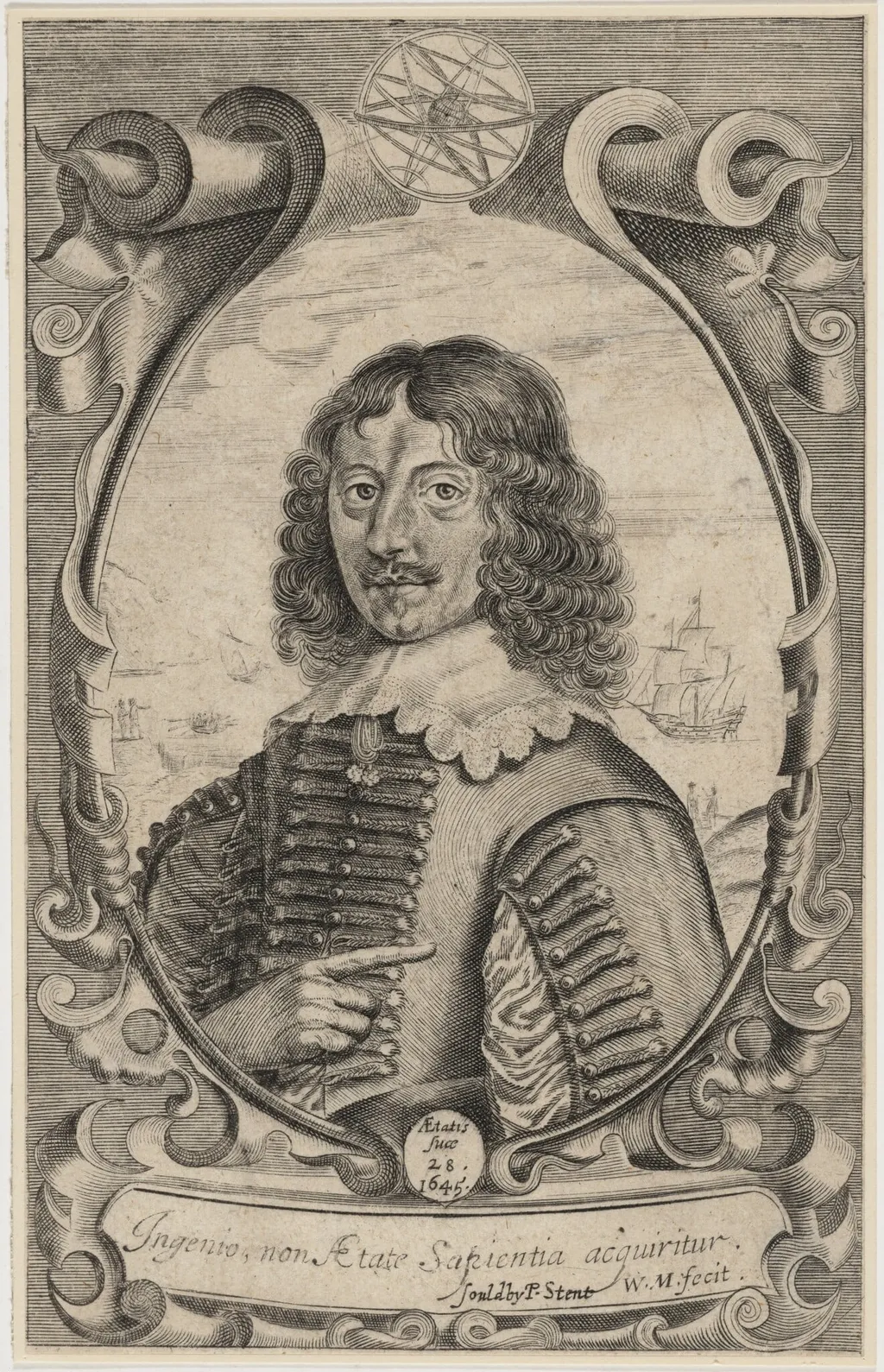
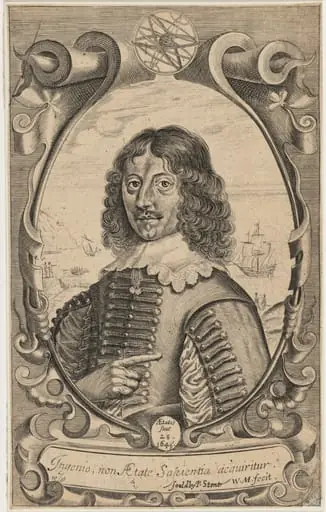
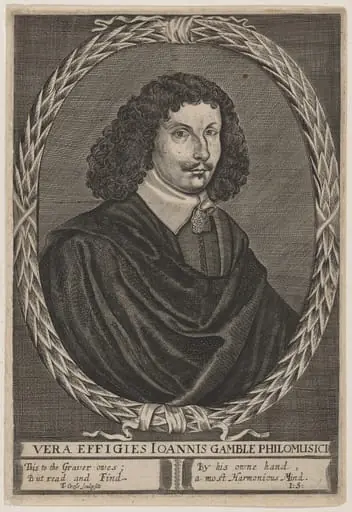
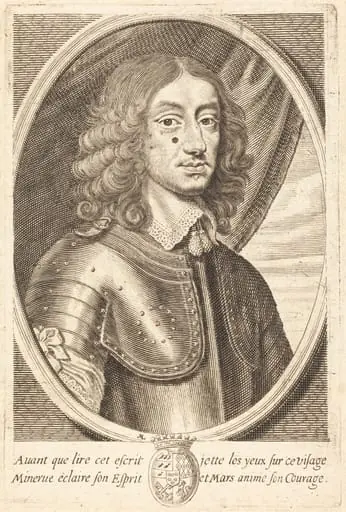
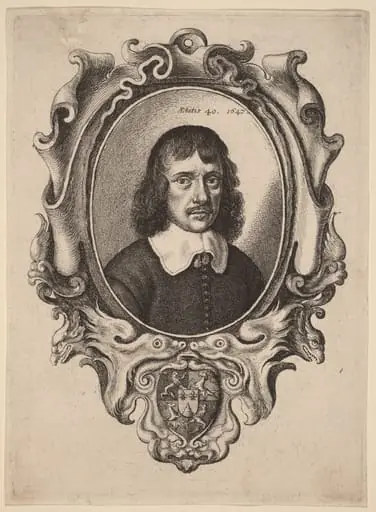
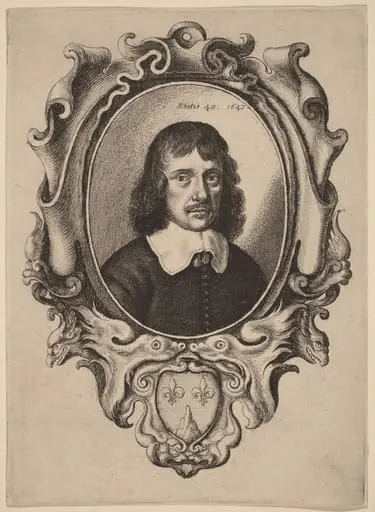
John Thompson is an ink print by the Baroque artist William Marshall. It dates from 1645 and is held in the collection of the National Gallery of Art.
About this work
Around him, there are swirly decorative lines framing the image, and tiny ships are drawn in the background.
This is a black-and-white portrait of a man with curly hair and a mustache. He’s wearing a ruffled collar and a buttoned jacket. His hands are tucked inside the jacket, and his face looks serious. Around him, there are swirly decorative lines framing the image, and tiny ships are drawn in the background.
The date "1645" is written near his chest, and the words below say *"Ingenio, non etate sapientia acquiritur"* (which means "Wisdom is gained by mind, not age"). The artist’s name, William Marshall, is also signed at the bottom.
If you like this style, check out engraving to see how artists carved these detailed lines.
Overview
William Marshall's 1645 engraving, *John Thompson*, is a black-and-white portrait featuring a serious-looking man with distinctive curly hair and a mustache. The subject wears a ruffled collar and buttoned jacket, with hands tucked in, set against a decorative background.
Subject & Meaning
The engraving portrays John Thompson, whose character is underscored by the Latin inscription *Ingenio, non etate sapientia acquiritur* ('Wisdom is gained by mind, not age'), suggesting Thompson's wisdom and intellectual demeanor.
Technique & Style
The work showcases Marshall's engraving skill through intricate, swirly decorative lines framing the portrait and tiny ships in the background, demonstrating the detailed craftsmanship of 17th-century engraving techniques.
History & Provenance
Created in 1645, the engraving is signed by William Marshall at the bottom, with the date prominently displayed near the subject's chest, providing clear attribution and dating.
Artist & collection