Artwork
Title Page to Francis Quarles, Shepherds Oracles
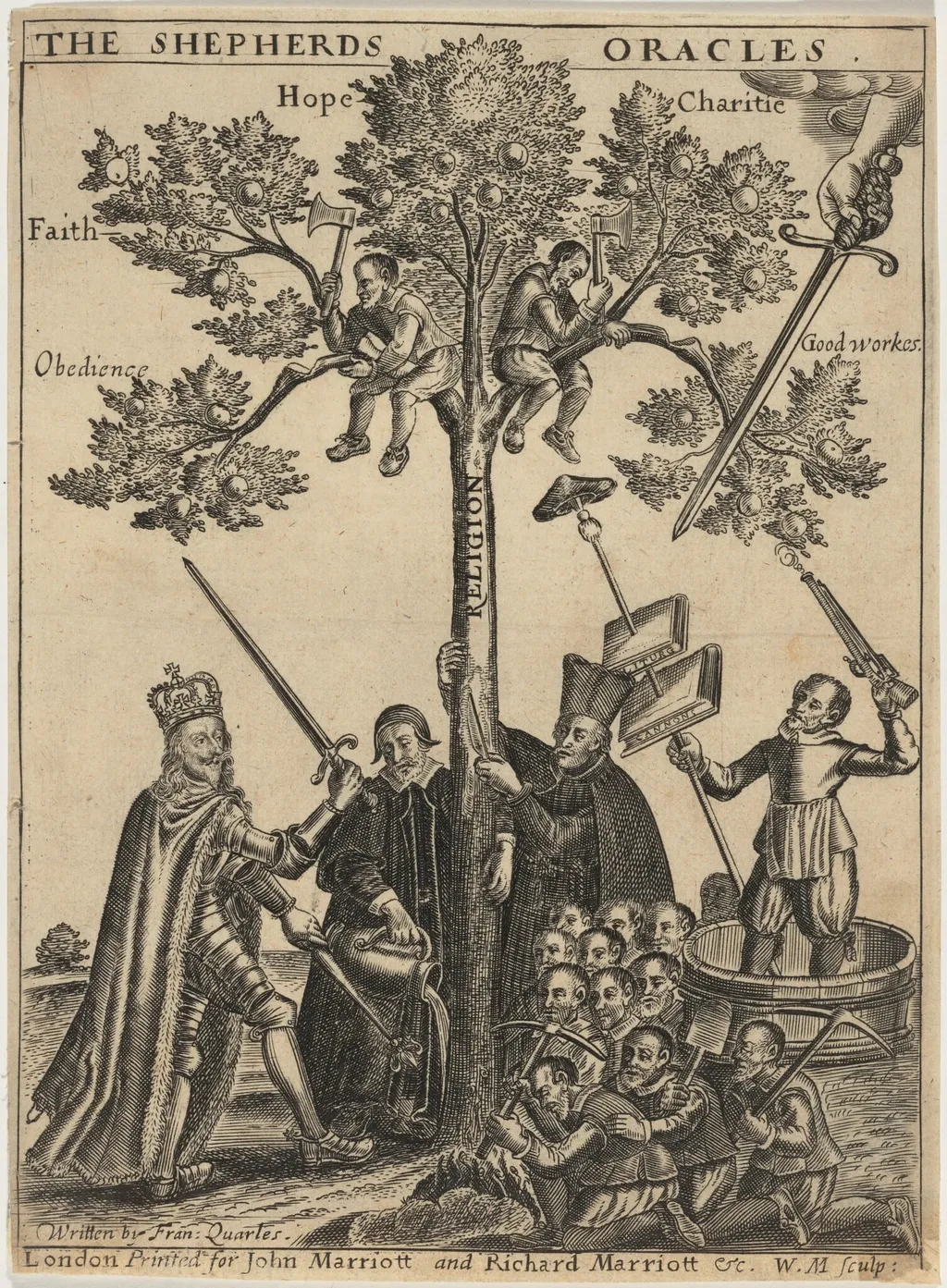
Title Page to Francis Quarles, Shepherds Oracles is an ink print by the Baroque artist William Marshall. It dates from 1646 and is held in the collection of the National Gallery of Art.
About this work
Overview
Figures representing secular and religious authority support the trunk, while children ascend the limbs, embodying the pursuit of spiritual ideals.
This 1646 engraving by William Marshall serves as the title page for Francis Quarles's devotional work, Shepherds Oracles. It presents a symbolic allegory in which a large tree bears the four Christian virtues as labeled branches. Figures representing secular and religious authority support the trunk, while children ascend the limbs, embodying the pursuit of spiritual ideals. The composition is densely packed yet carefully structured, reflecting the didactic intent of the text it introduces.
Subject & Meaning
The tree symbolizes moral growth rooted in Faith, Hope, Obedience, and Charity. Four male figures—king, scholar, cleric, and soldier—represent societal pillars upholding these virtues. Above them, children climbing the branches signify the next generation’s spiritual journey, each holding emblems like a cross or trumpet to denote divine calling or proclamation. The imagery transforms abstract virtues into a visible hierarchy of moral responsibility and inheritance.
Technique & Style
Marshall employed fine-line engraving to render intricate details with precision, characteristic of mid-seventeenth-century English printmaking. The composition uses clear linear organization to guide the viewer’s eye from the grounded figures to the ascending children, creating visual rhythm. Sharp contrasts and controlled cross-hatching define forms without shading, emphasizing clarity over naturalism to serve the allegory’s instructional purpose.
History & Provenance
Created in 1646 during the English Civil War, the engraving was produced for Quarles’s popular devotional poetry collection. Marshall, a noted engraver and publisher, often collaborated with religious writers. The print likely circulated among educated Protestant households, reinforcing moral values amid political instability. Its survival in multiple institutional collections suggests enduring interest in its symbolic language.
Context
This image emerged in a period when visual allegory was widely used to convey religious and ethical teachings, especially in printed books. With literacy rising and the Church of England promoting moral instruction, such imagery bridged textual devotion and public understanding. The inclusion of both secular and ecclesiastical figures reflects the era’s belief in the interconnectedness of civil and spiritual order.
Legacy
Marshall’s engraving exemplifies the tradition of emblematic print in early modern England, influencing later moral and religious illustrations. While not widely reproduced in modern times, it remains a key example of how print culture translated theological concepts into accessible visual narratives. Scholars continue to study it for its synthesis of iconography, typography, and social values in Puritan-influenced England.
Artist & collection

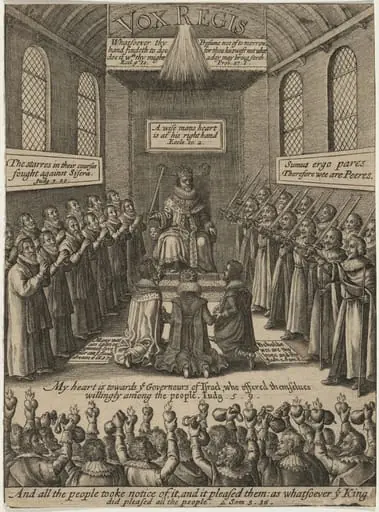 Vox Regis, by Thomas Scott
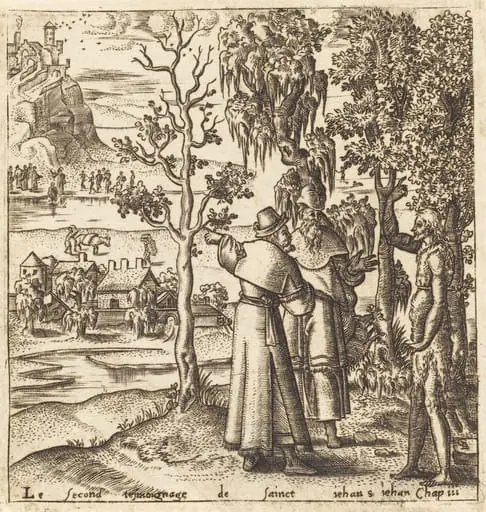 The Testimony of John
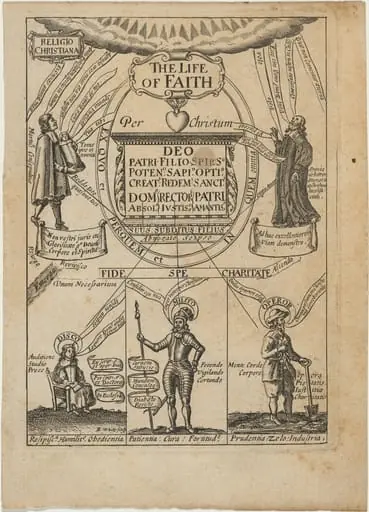 Title Page to The Life of Faith by Richard Baxter
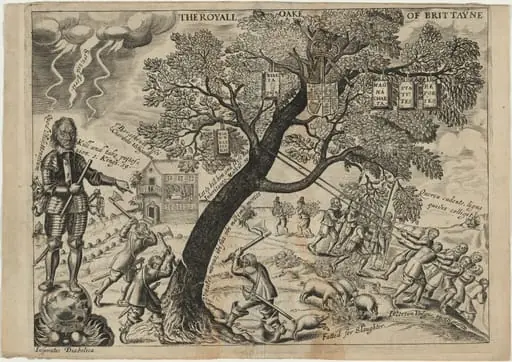 Oliver Cromwell
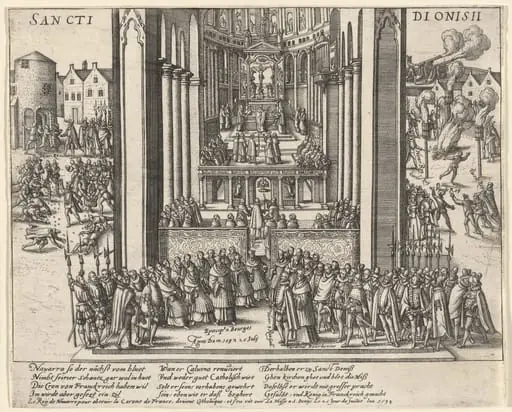 Composite Image Depicting Actions of Henri IV, King of France, upon His Abjuration of the Protestant Faith
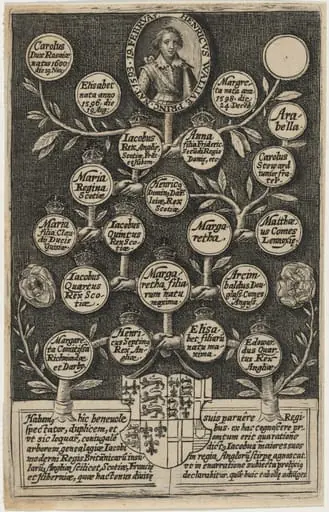 Henry Frederick, Prince of Wales
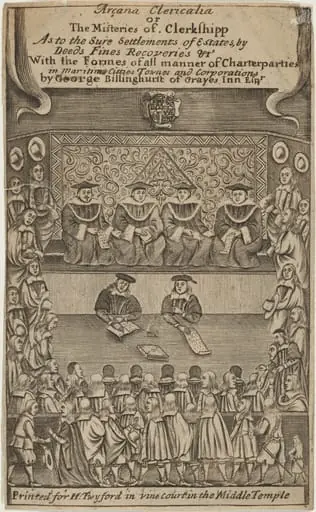 Title Page to Arcana Clericalia or the Misteries of Clerkshipp by George Billinghurst
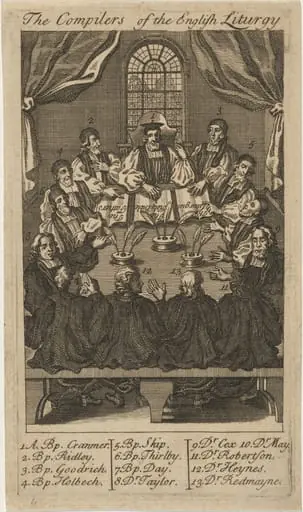 The Compilers of the English Liturgy
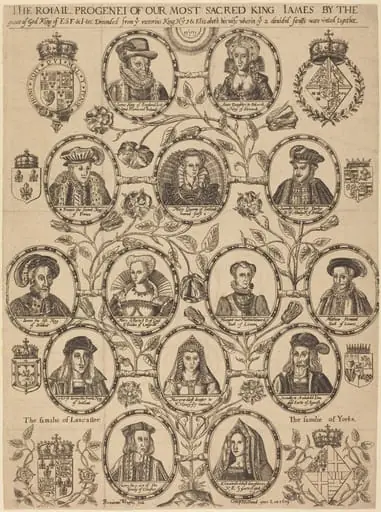 Royal Progeny of King James
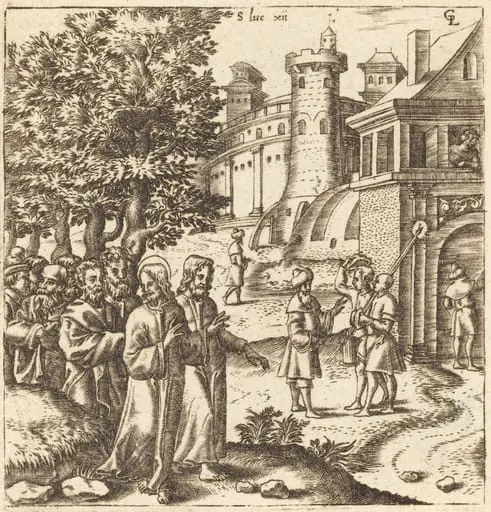 Christ Teaching the Multitude
!["Do Not Walk outside the Public Highway" [fol. 35 recto], by French early 16th Century](https://artifactworldgallery.com/img/french-early-16th-century--do-not-walk-outside-the-public-highway-fol-35-recto--5d74d03d25205a7b-w320.webp) "Do Not Walk outside the Public Highway" [fol. 35 recto]
"Do Not Walk outside the Public Highway" [fol. 35 recto]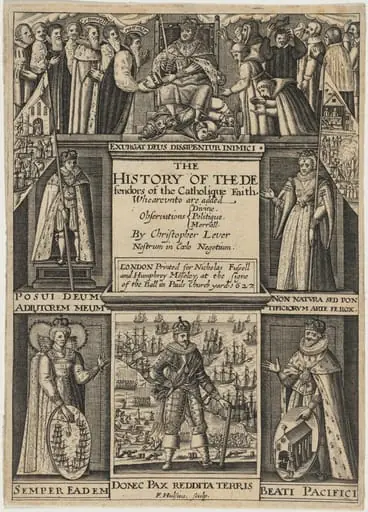 Title Page to History of the Defenders of theCatholic Faith, by Christopher Lever