Artwork
The Testimony of John
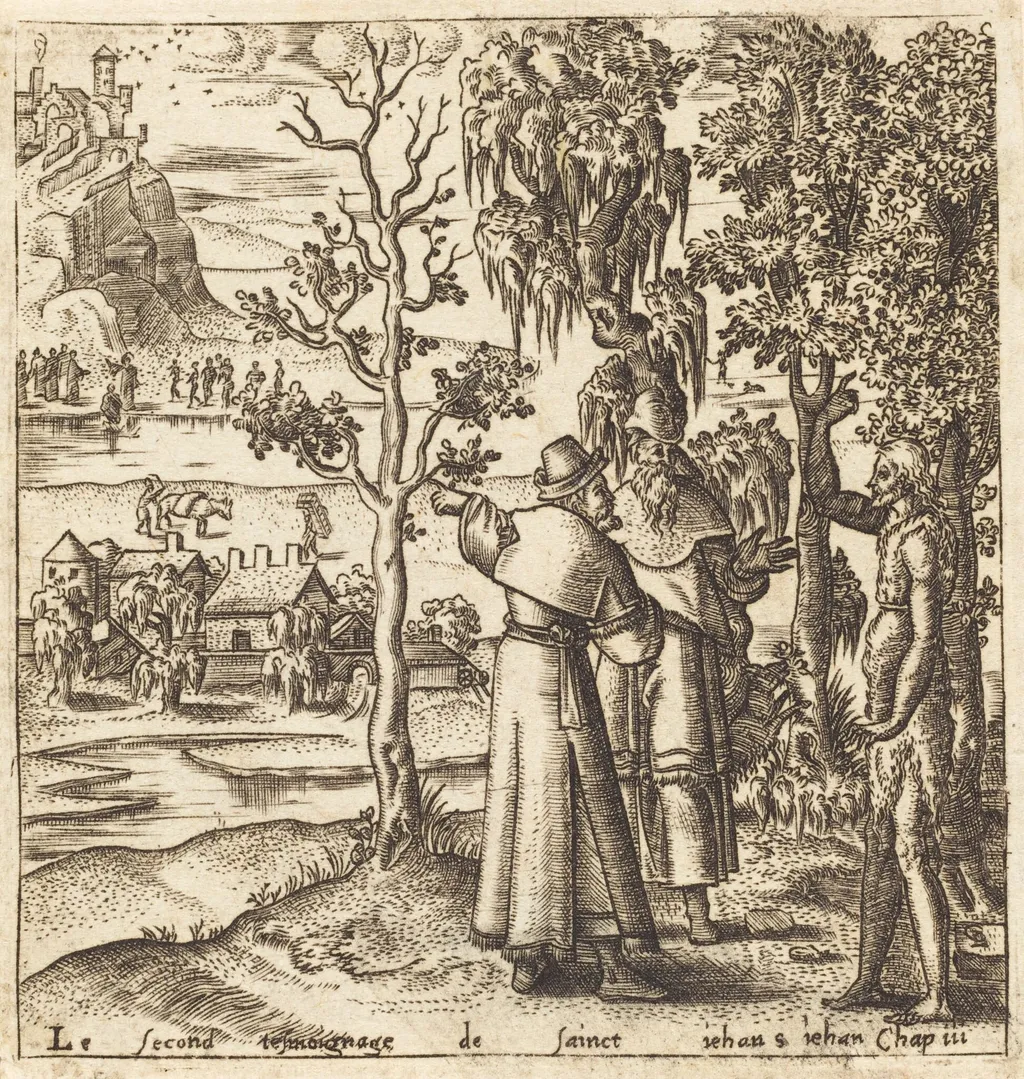
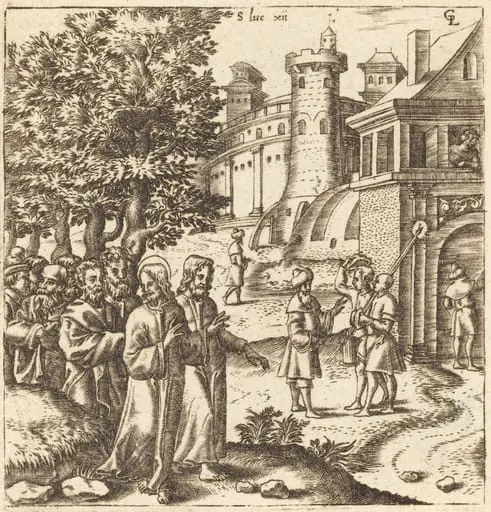
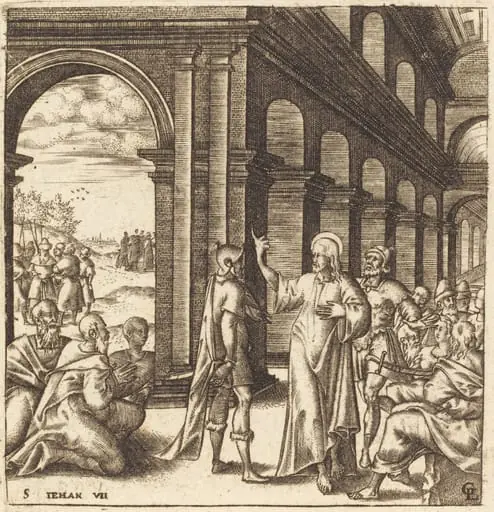
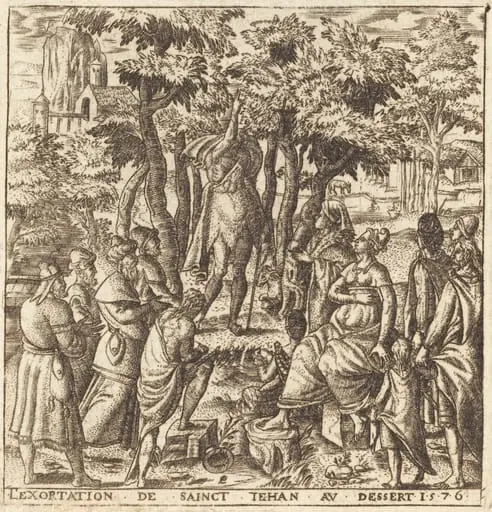
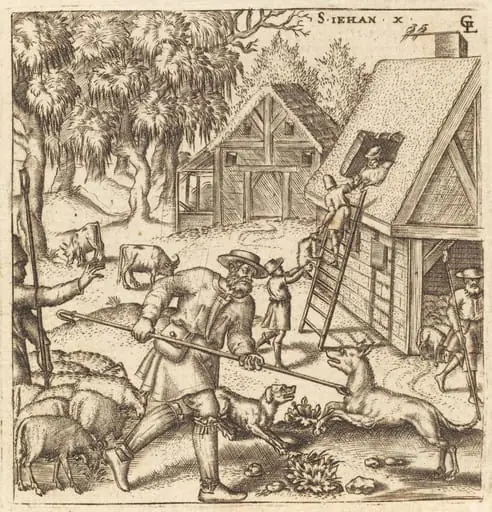
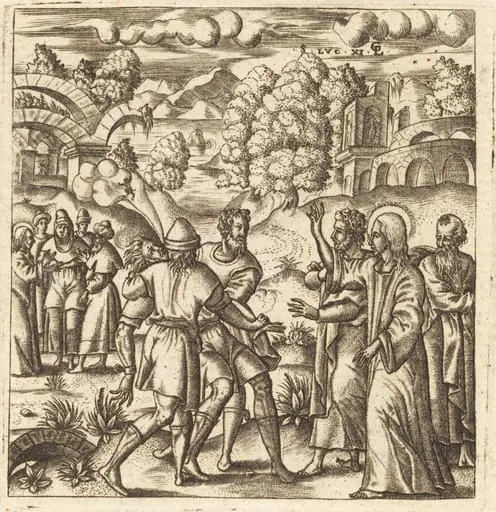
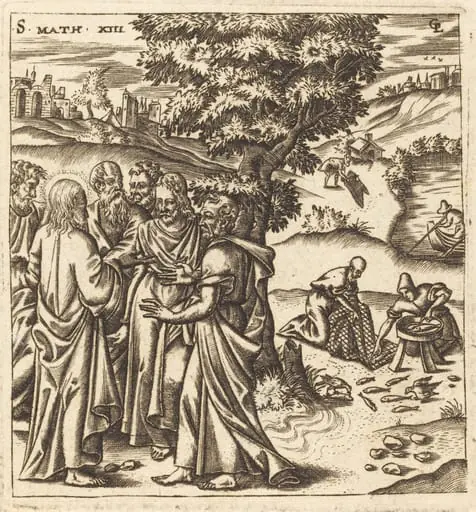
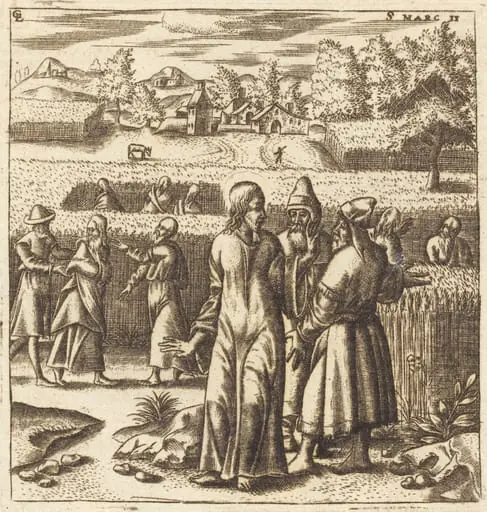
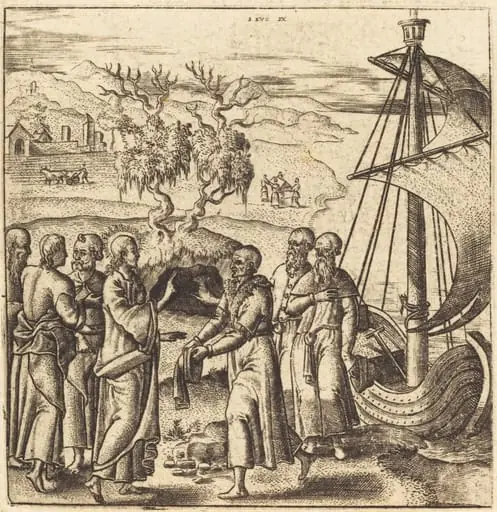
The Testimony of John is an ink print by the Renaissance artist Léonard Gaultier. It dates from 1578 and is held in the collection of the National Gallery of Art.
About this work
Overview
Created circa 1578, *The Testimony of John* is an engraving by Léonard Gaultier, a French printmaker active in Paris during the late 16th and early 17th centuries. Executed entirely with a graver, the work exemplifies the precise, formal approach that characterizes Gaultier’s output, aligning it with the broader Northern Renaissance tradition of detailed line engraving.
Subject & Meaning
The composition depicts a solitary figure in period dress standing beneath a leafless tree, set against a gently rolling landscape that contains a modest village and its inhabitants. The inscription at the bottom identifies the scene as “The Testimony of John,” suggesting a reference to a biblical narrative, though the visual focus remains on the quiet, everyday atmosphere rather than overt religious symbolism.
Technique & Style
Gaultier employed fine, intersecting lines to model form, create shadows, and suggest depth, achieving a three‑dimensional effect without the use of tone or color. The engraving’s meticulous linework reflects the influence of contemporaries such as the Wierix brothers and Crispyn van de Passe, whose approaches to narrative clarity and ornamental detail are evident in the piece.
History & Provenance
Active in Paris from roughly 1561 to 1641, Gaultier produced a range of subjects, including portraits and religious scenes, primarily for the French market. While specific ownership records for this particular print are scarce, it fits within the corpus of his surviving works that were circulated among collectors and printed in the early modern book trade.
Context
The print belongs to the Northern Renaissance’s flourishing print culture, where engravers disseminated visual stories across Europe. Gaultier’s work, like that of his peers, served both decorative and didactic purposes, providing accessible imagery that could accompany textual narratives in books or be collected as standalone art.
Artist & collection
Artist
Léonard Gaultier, or, as he sometimes signed himself, Galter, a French engraver, was born at Mainz about 1561, and died in Paris in 1641.