Artwork
Parable of Christ as the Good Shepherd (June)
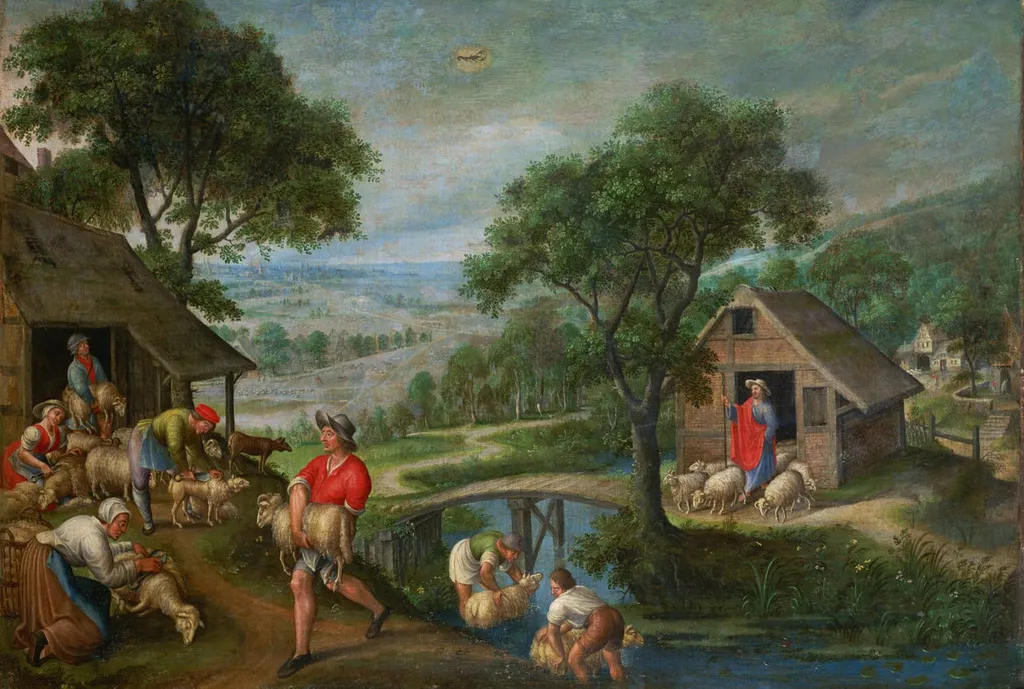
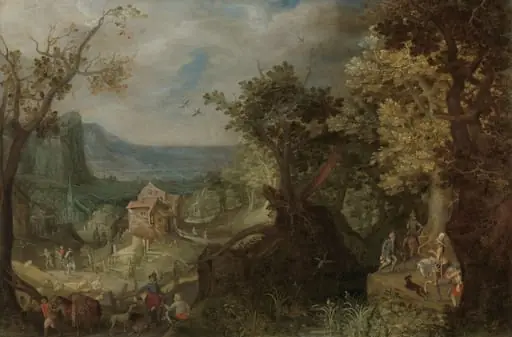
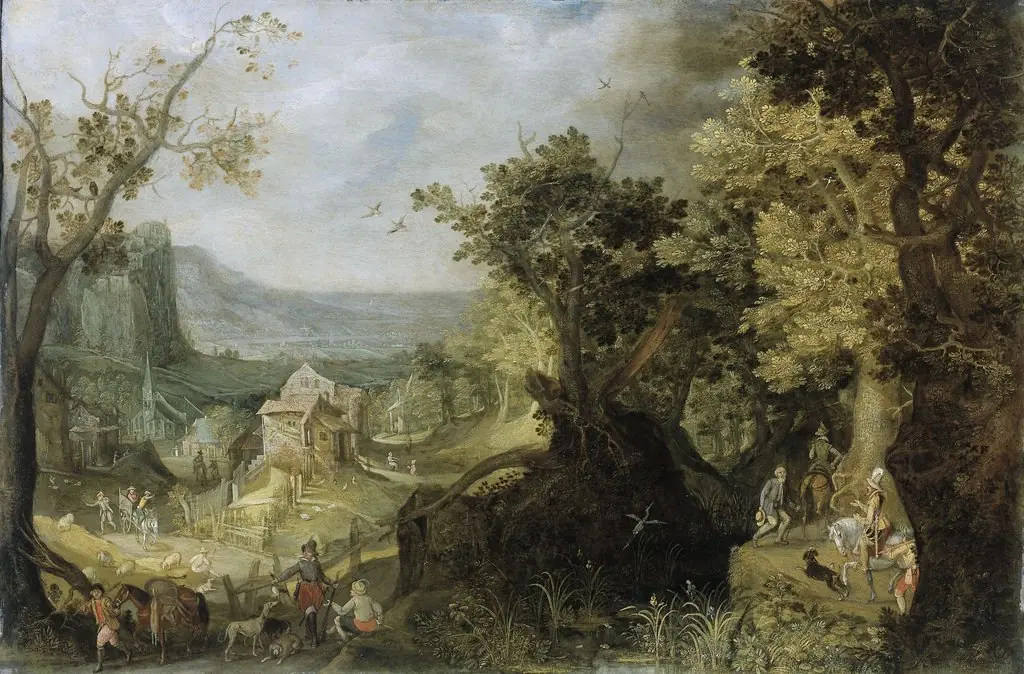
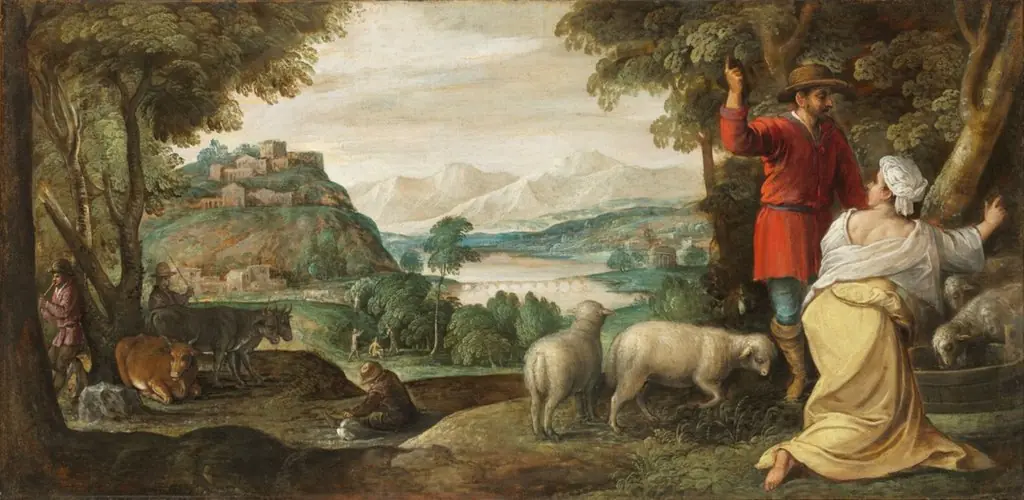
Parable of Christ as the Good Shepherd (June) is an oil painting by the Mannerist artist Marten van Valckenborch. It dates from 1593 and is held in the collection of the Kunsthistorisches Museum.
About this work
Overview
Painted in 1593 by Marten van Valckenborch, this oil-on-panel work illustrates the biblical parable of the Good Shepherd within a detailed rural setting.
Painted in 1593 by Marten van Valckenborch, this oil-on-panel work illustrates the biblical parable of the Good Shepherd within a detailed rural setting. Though rooted in religious narrative, the scene emphasizes everyday labor rather than divine intervention. The painting belongs to the Kunsthistorisches Museum’s collection and reflects the artist’s shift from the Spanish Netherlands to Frankfurt, where he became part of a thriving artistic community.
Subject & Meaning
The parable of Christ as the Good Shepherd is rendered not through symbolic figures but through communal pastoral activity. Shepherds tend flocks, wash sheep in a stream, and gather near modest dwellings, evoking care and vigilance without overt religious iconography. The quiet cooperation among figures suggests spiritual stewardship embedded in daily life, aligning with Reformation-era values that emphasized moral conduct over spectacle.
Technique & Style
Van Valckenborch employs Mannerist conventions with elongated figures and layered spatial depth, yet grounds the composition in naturalistic observation. Bright textiles—red cloaks, blue tunics—contrast with earthy greens and browns, drawing attention to human activity. Delicate rendering of wool, water reflections, and atmospheric perspective lends vitality to the scene, balancing stylization with keen attention to environmental detail.
History & Provenance
Created during van Valckenborch’s time in Frankfurt, the painting emerged from a family of artists who significantly influenced the city’s visual culture. It entered the Kunsthistorisches Museum’s holdings through documented acquisitions in the Habsburg collections, likely arriving via imperial networks. Its survival through centuries reflects its status as a respected regional work rather than a widely circulated religious image.
Context
In late 16th-century Europe, religious themes were often adapted to reflect local life, especially in Protestant regions wary of overt iconography. Van Valckenborch’s depiction aligns with this trend, translating scriptural metaphor into a recognizable Flemish countryside. The emphasis on labor and community mirrors broader societal values, where faith was expressed through ethical action rather than ceremonial display.
Legacy
Though not among van Valckenborch’s most famous works, this painting exemplifies his ability to merge religious narrative with landscape realism. It contributes to the understanding of how Flemish artists adapted biblical stories for secular audiences. Its preservation in a major European museum ensures continued study of regional Mannerism and the quiet evolution of religious imagery in post-Reformation art.
Artist & collection
Artist
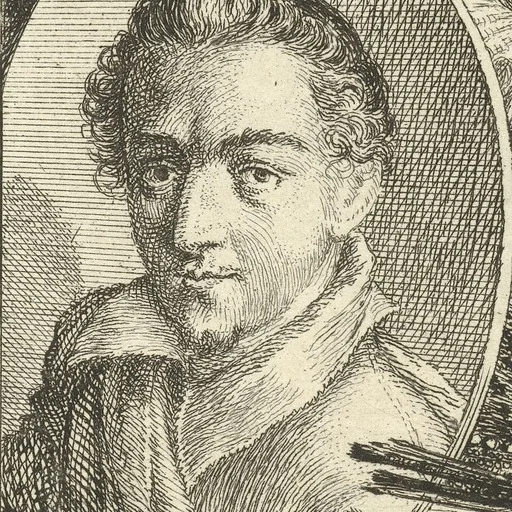
Marten van Valckenborch or Marten van Valckenborch the Elder (1535 in Leuven – 1612 in Frankfurt), was a Flemish Renaissance painter, mainly known for his landscapes and city scapes.

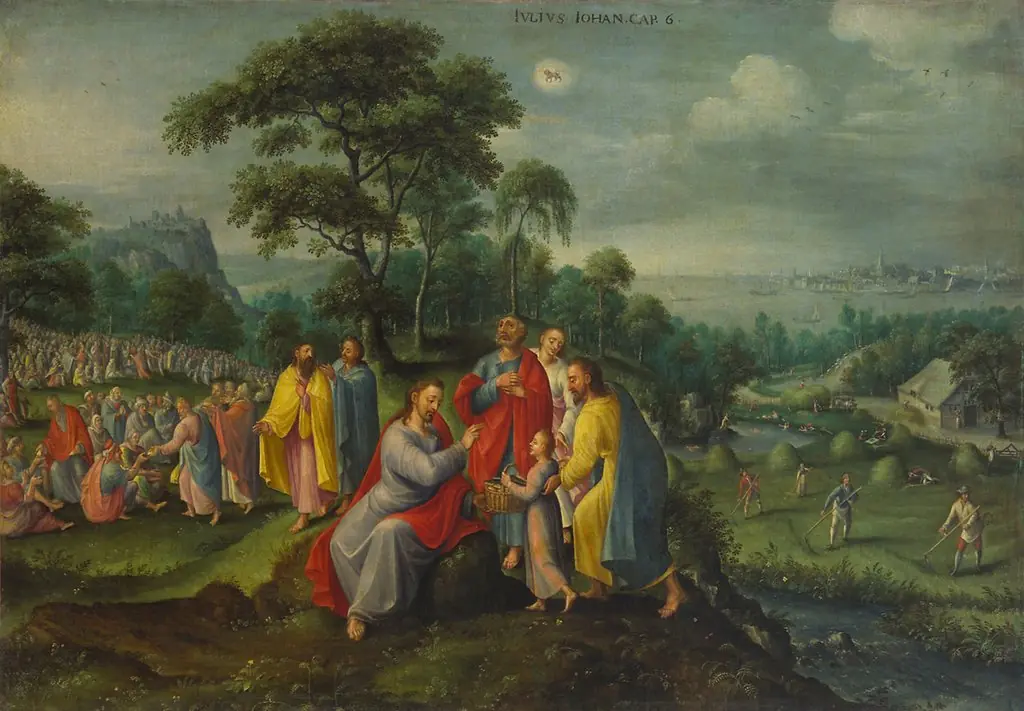 Feeding the Five Thousand (July)
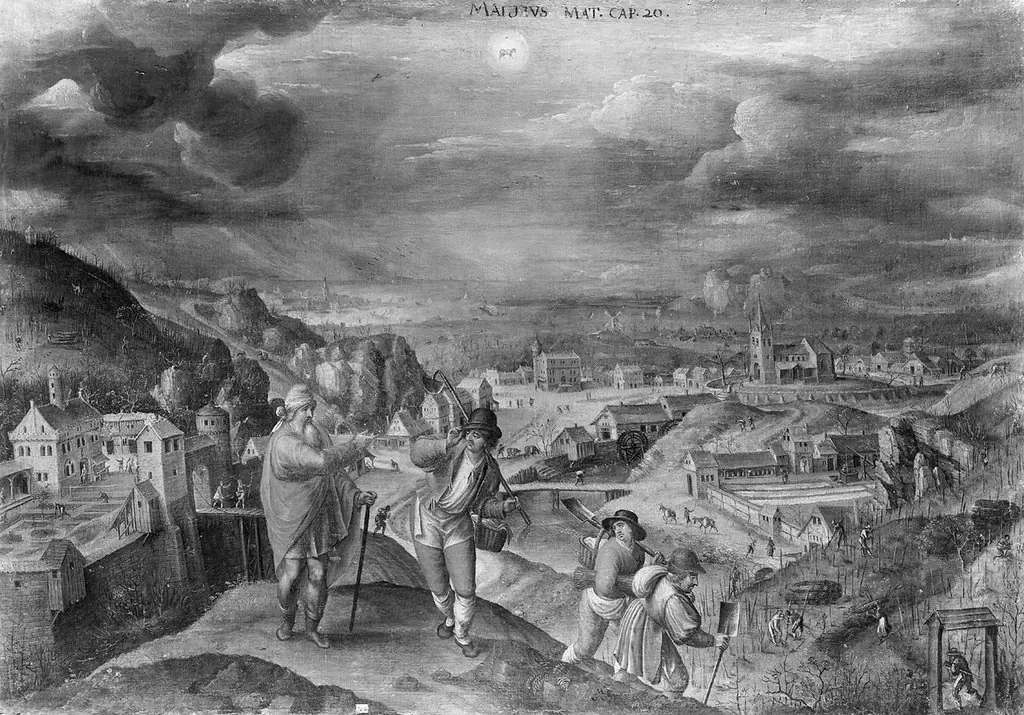 Parable of the Workers in the Vineyard (March)
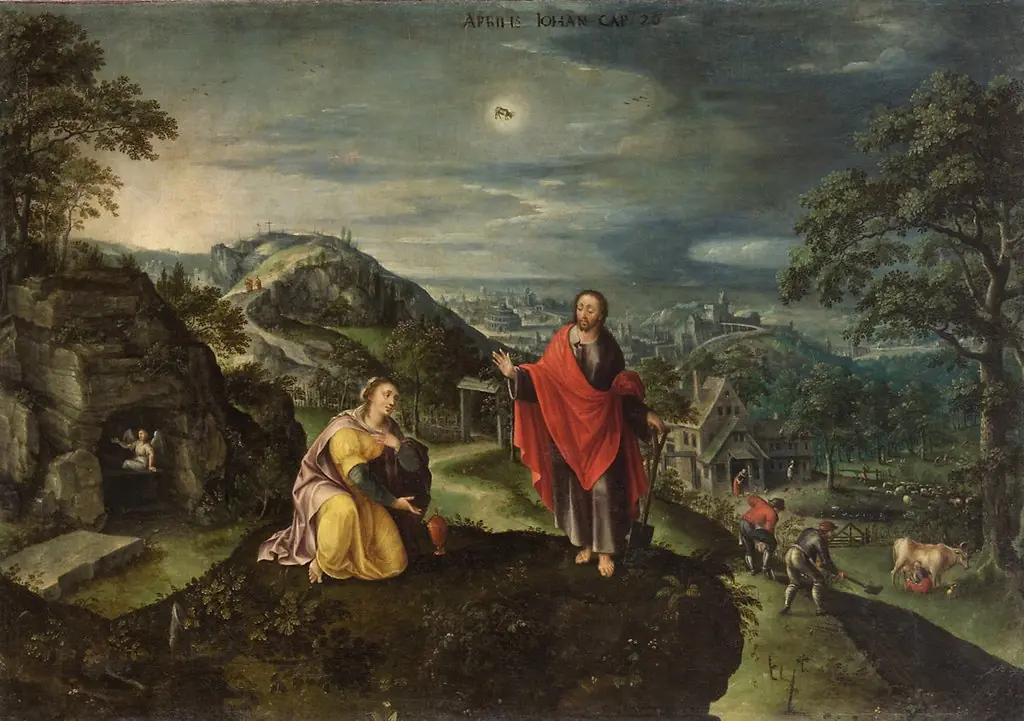 Noli me tangere (April)
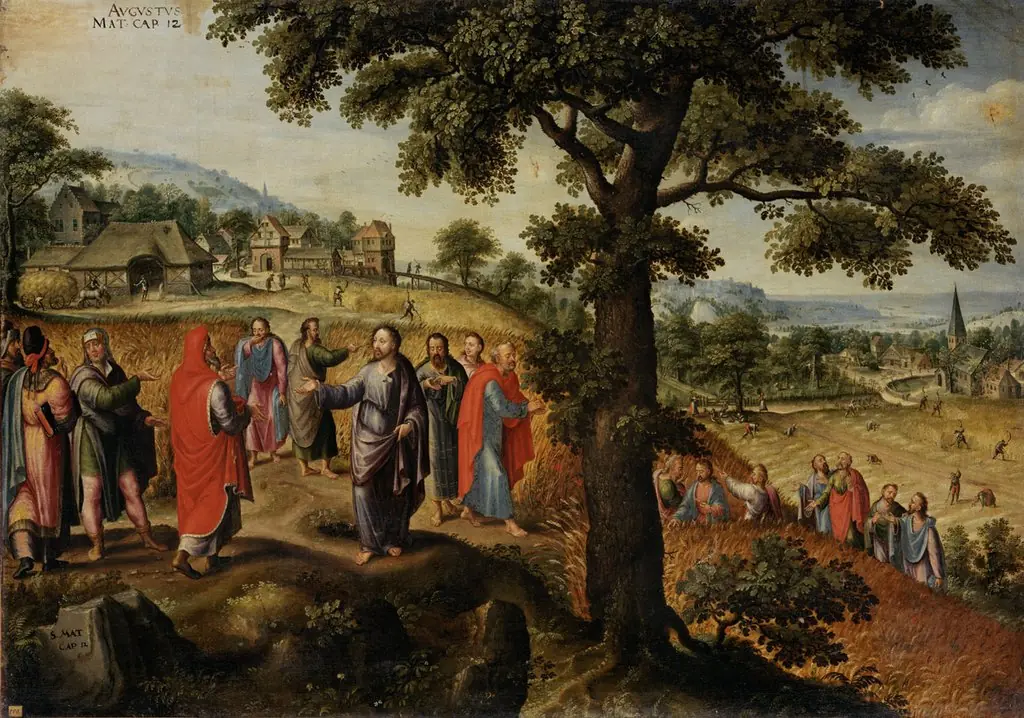 Christ defends the plucking of the ears of grain on the Sabbath (August)
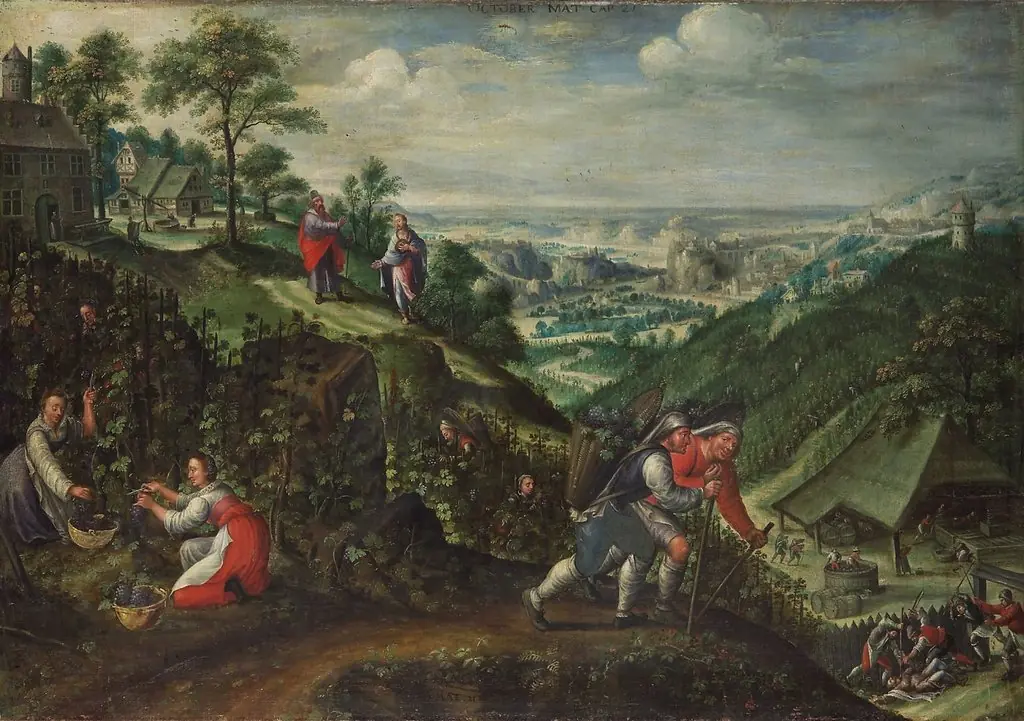 Gleichnis von den bösen Winzern (Oktober)
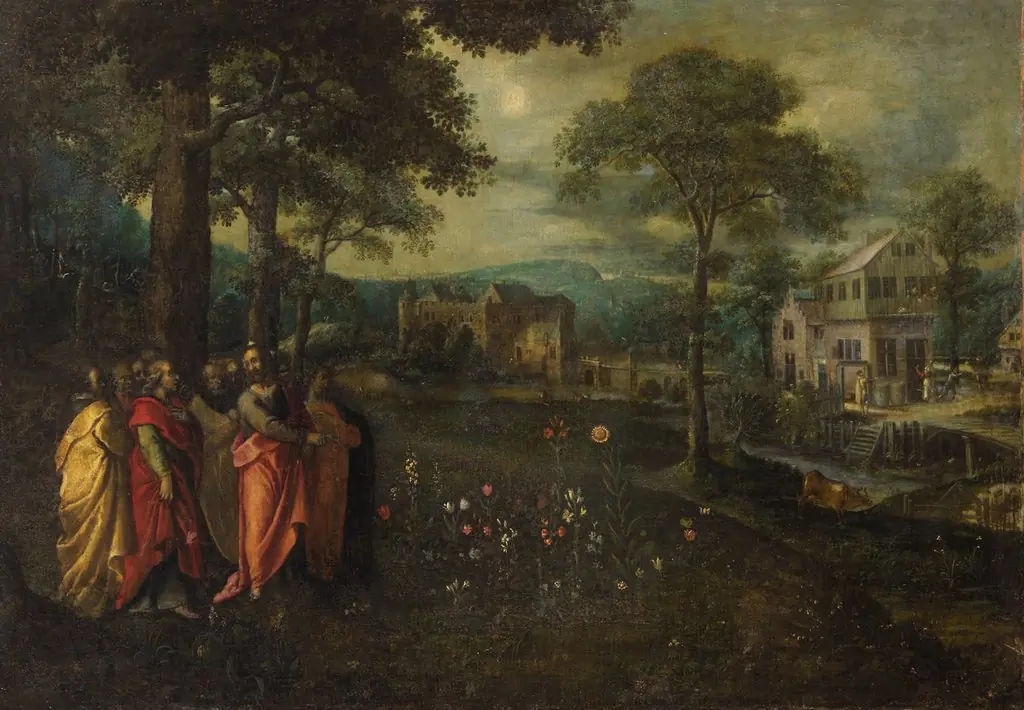 Parable of the lily of the field (May)
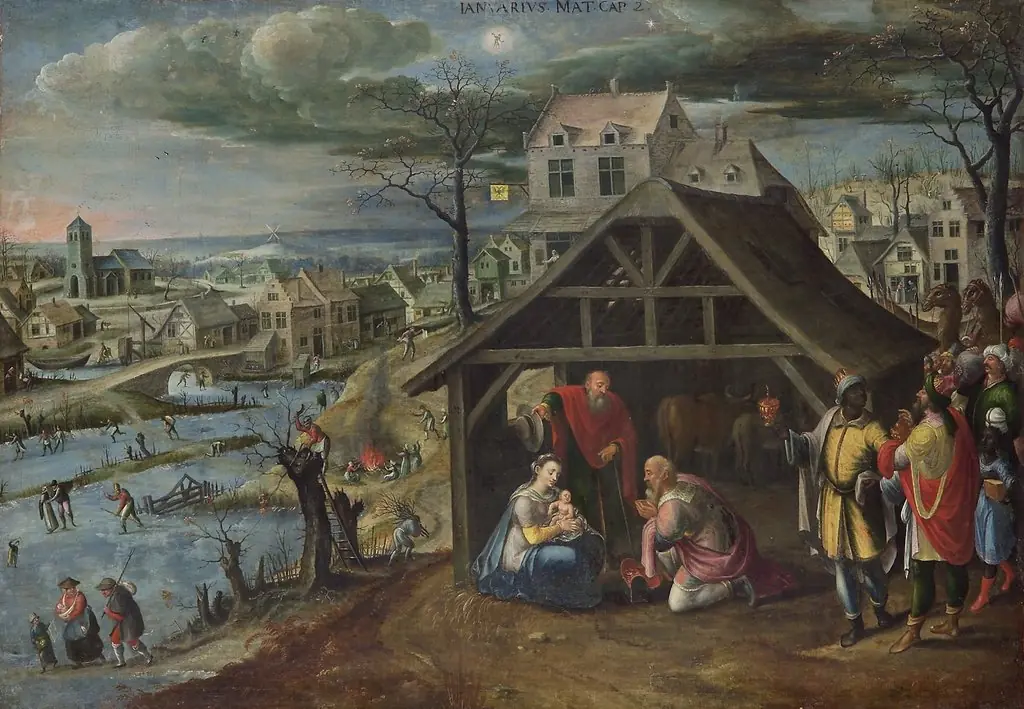 Adoration of the Magi (January)
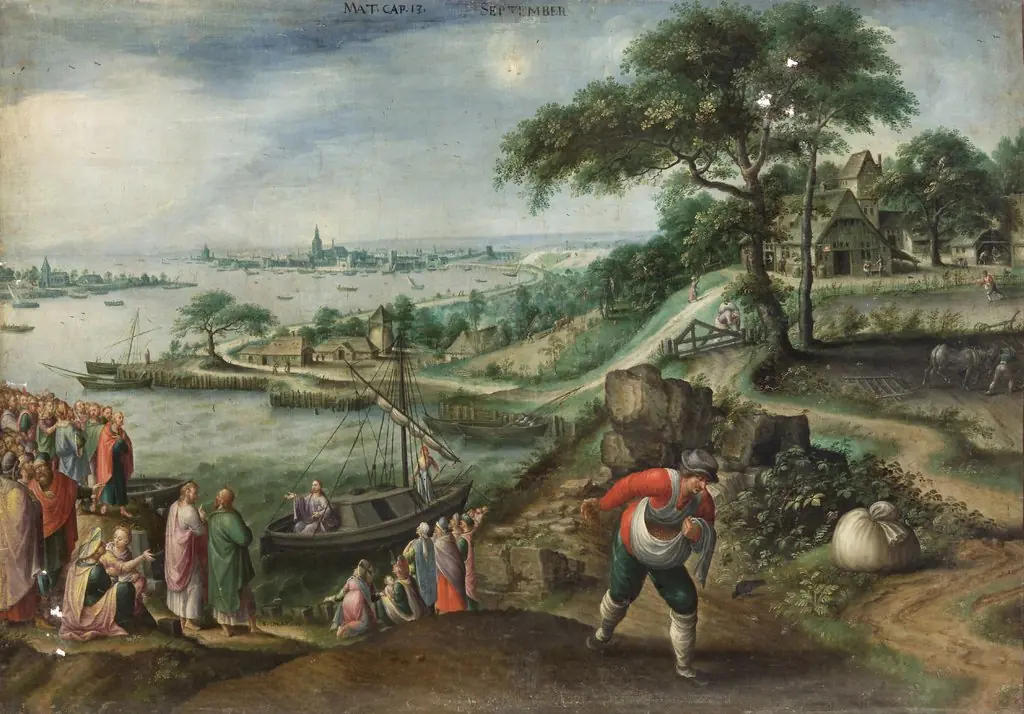 Parable of the sower (September)