Artwork
Parable of the sower (September)
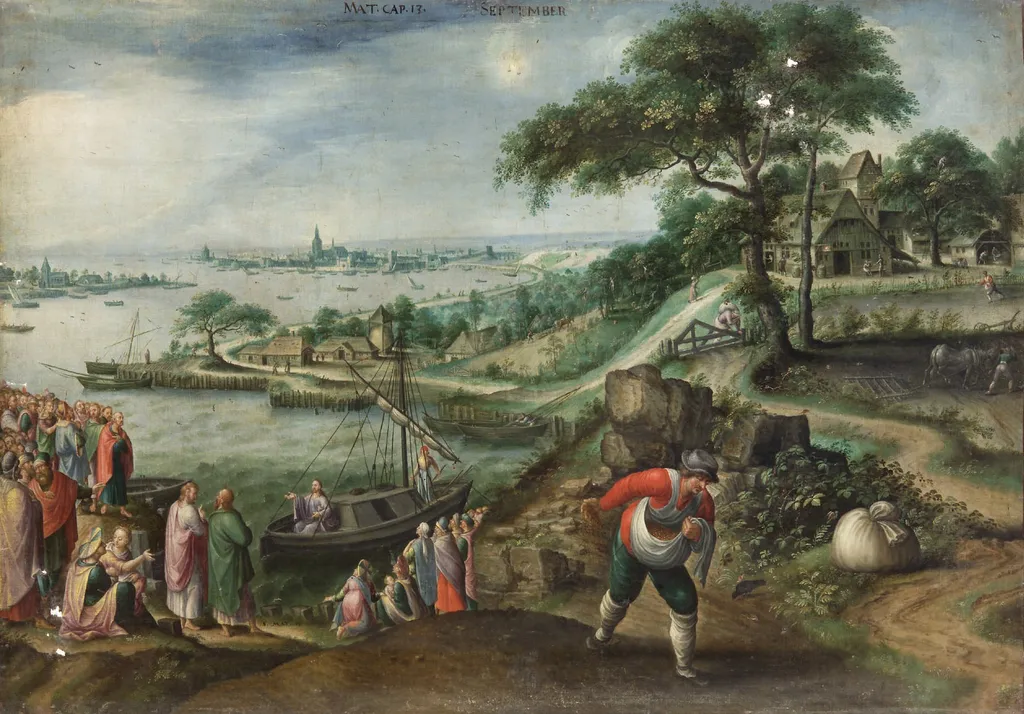
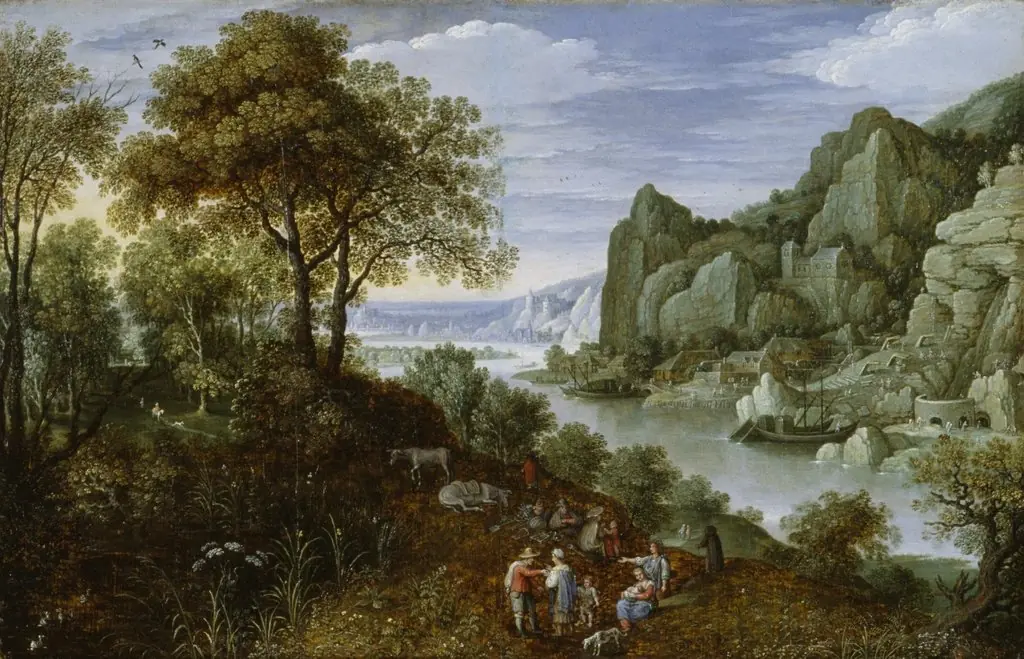
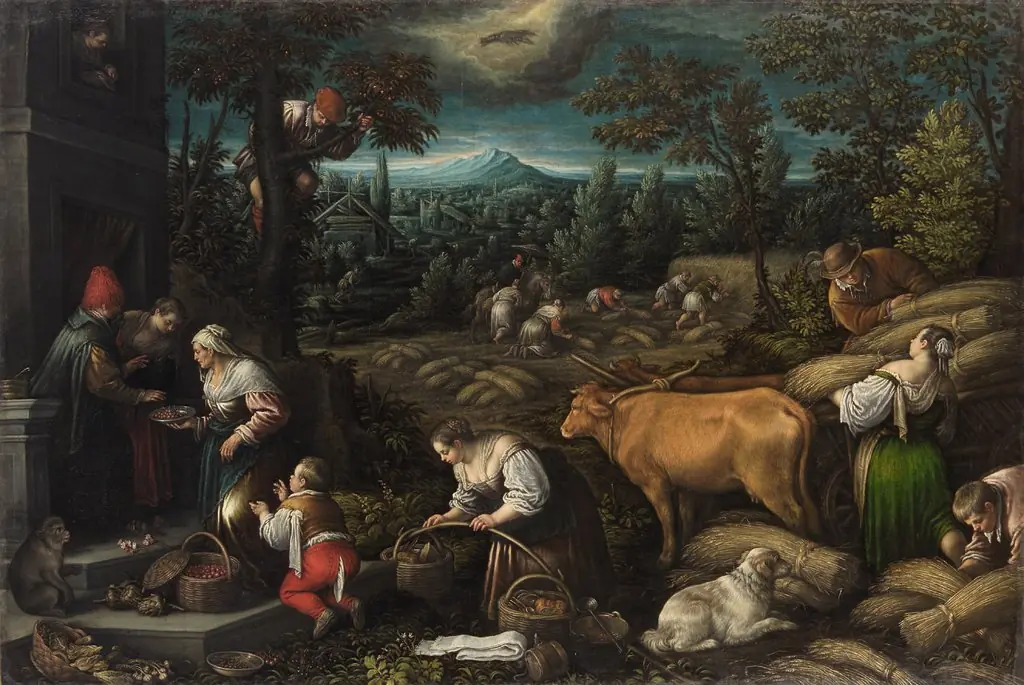
Parable of the sower (September) is an oil painting by the Mannerist artist Marten van Valckenborch. It dates from 1593 and is held in the collection of the Kunsthistorisches Museum.
About this work
Overview
Van Valckenborch, a Flemish artist who later settled in Frankfurt, infused the scene with meticulous detail characteristic of Northern Renaissance traditions.
Painted in 1593 by Marten van Valckenborch, this oil-on-panel work illustrates the biblical Parable of the Sower as part of a seasonal cycle. Van Valckenborch, a Flemish artist who later settled in Frankfurt, infused the scene with meticulous detail characteristic of Northern Renaissance traditions. The painting is now held in the Kunsthistorisches Museum in Vienna, where it remains a key example of late 16th-century landscape narrative.
Subject & Meaning
The scene depicts the parable from the Gospels, where seed is sown across varied ground, symbolizing the reception of divine teaching. Rather than a literal biblical moment, the artist embeds the theme within a bustling autumnal riverside activity. Figures distribute grain, load boats, and travel paths, suggesting the labor of harvest and the spread of sustenance—linking earthly work to spiritual metaphor without overt religious iconography.
Technique & Style
Van Valckenborch employs fine brushwork to render minute details—individual figures, architectural elements, and foliage—within a cohesive, expansive landscape. The palette is restrained yet luminous, with soft atmospheric tones guiding the eye from foreground to distant town. While not dominated by dramatic chiaroscuro, subtle shifts in light and shadow lend depth and realism, aligning the work with Mannerist tendencies toward complexity and spatial layering.
History & Provenance
Created during Van Valckenborch’s time in the Spanish Netherlands, the painting likely preceded his move to Frankfurt around 1595. It entered the Habsburg collection in Vienna, possibly through imperial patronage or acquisition from a Flemish artist’s network. Its inclusion in the Kunsthistorisches Museum’s holdings reflects its early recognition as a significant example of regional narrative landscape painting.
Context
This work belongs to a series of monthly scenes commissioned to reflect agricultural cycles, common in Northern European art of the period. Such series merged religious instruction with seasonal labor, appealing to both devotional and civic interests. Van Valckenborch’s focus on everyday activity within a biblical framework mirrors broader trends in post-Reformation art, where moral themes were conveyed through observable, worldly detail.
Legacy
Though less widely known than contemporaries like Bruegel, Van Valckenborch’s detailed landscapes influenced regional painters in the Rhineland and contributed to the development of topographical narrative. His integration of biblical themes into ordinary rural life helped sustain a tradition of moralized landscape painting that persisted into the early 17th century, particularly in German-speaking territories.
Artist & collection
Artist
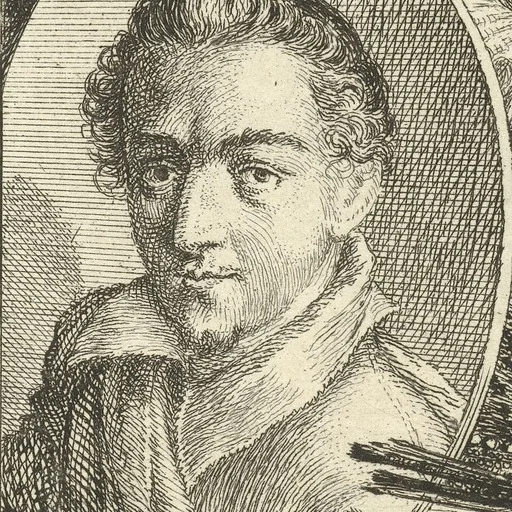
Marten van Valckenborch or Marten van Valckenborch the Elder (1535 in Leuven – 1612 in Frankfurt), was a Flemish Renaissance painter, mainly known for his landscapes and city scapes.

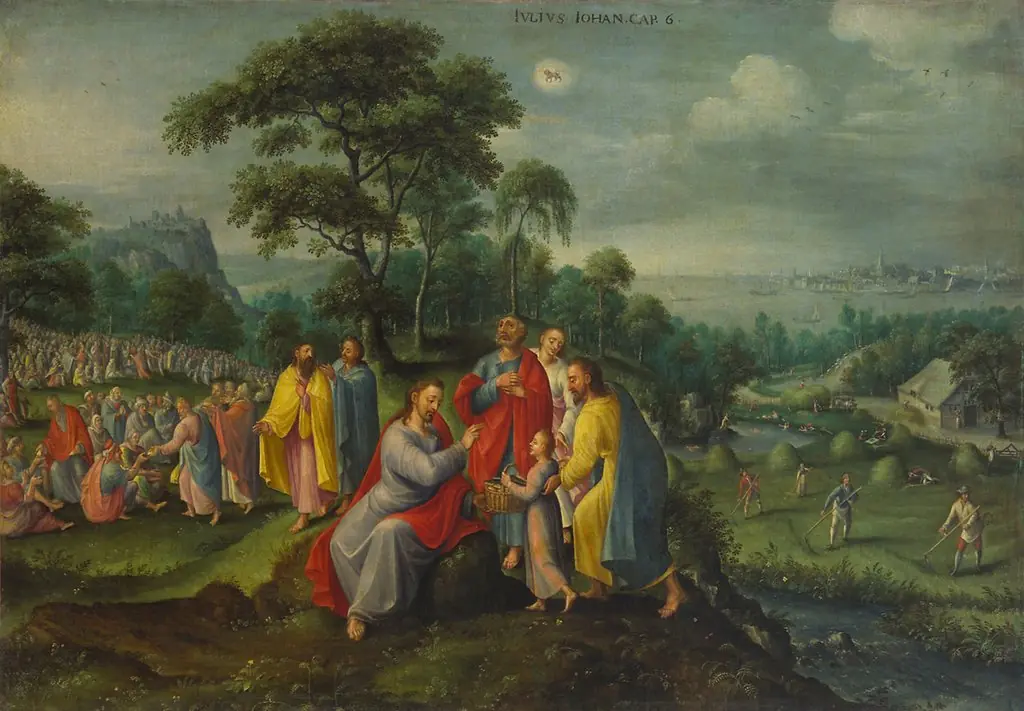 Feeding the Five Thousand (July)
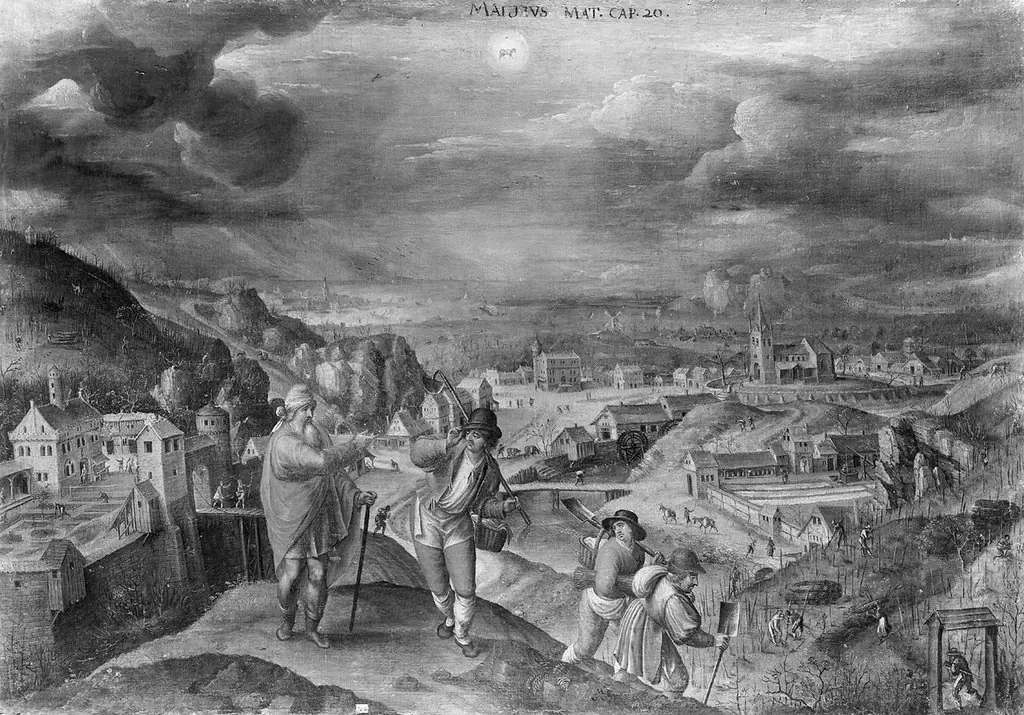 Parable of the Workers in the Vineyard (March)
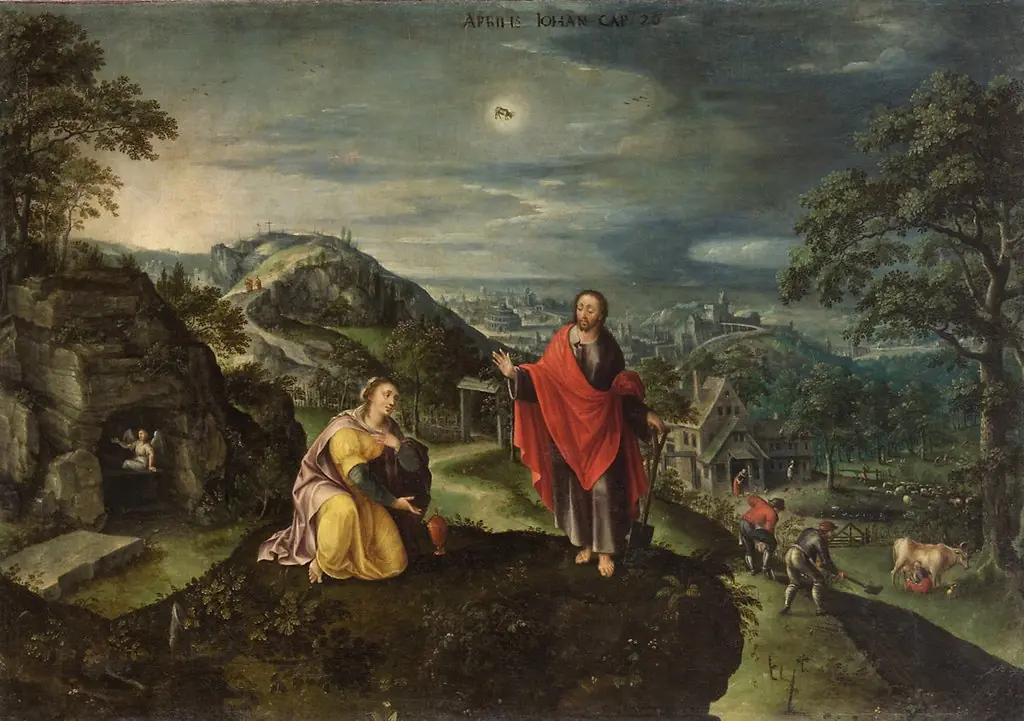 Noli me tangere (April)
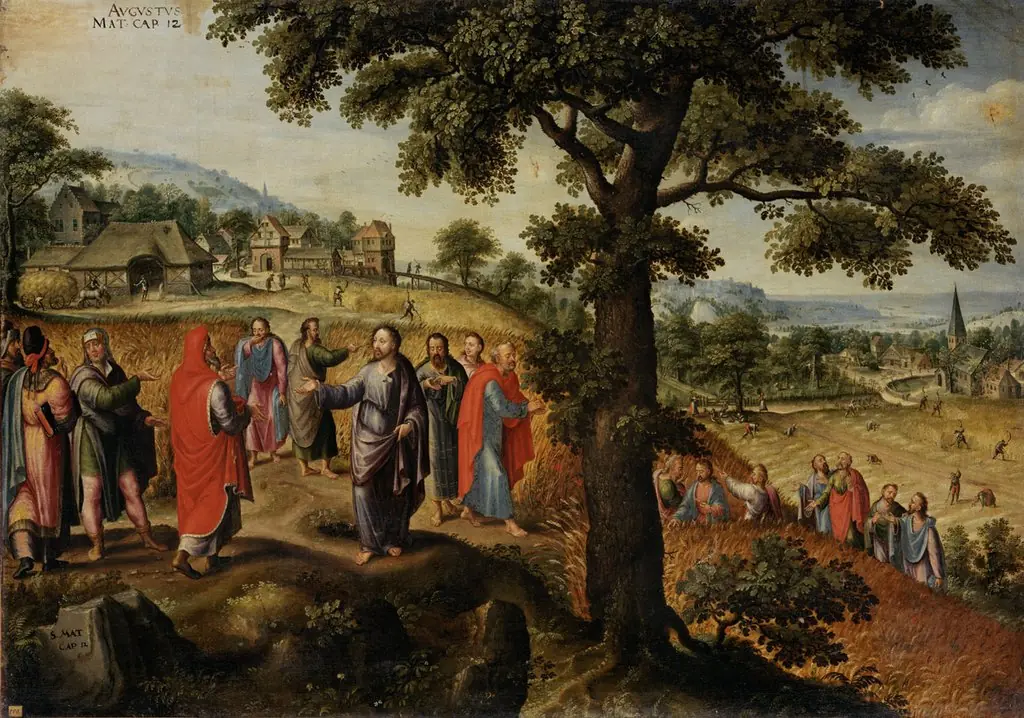 Christ defends the plucking of the ears of grain on the Sabbath (August)
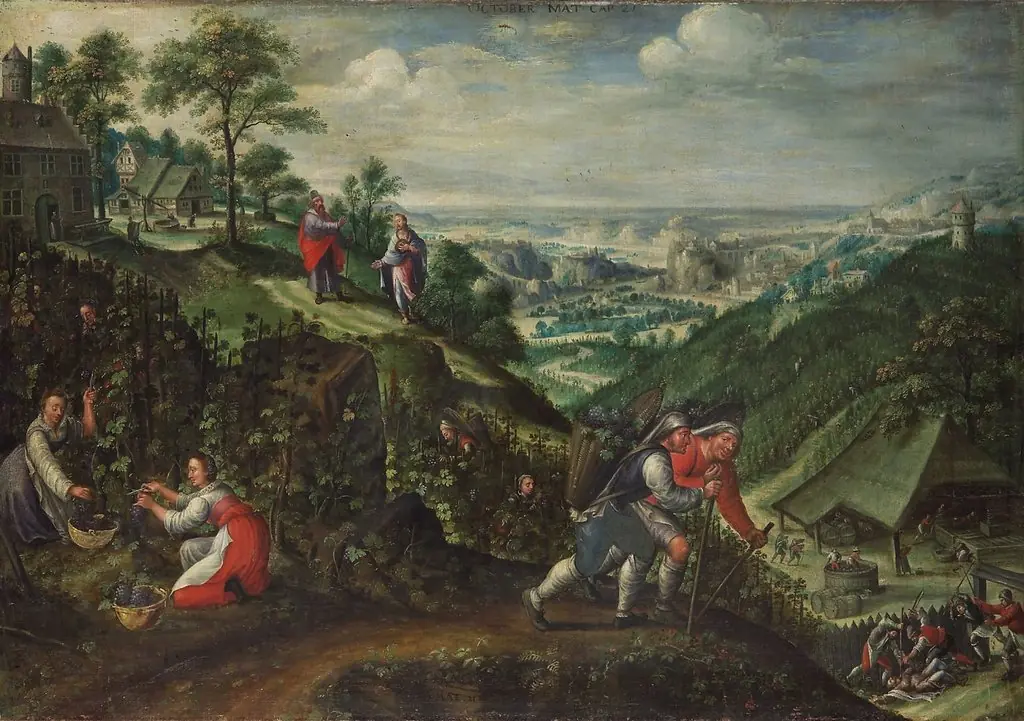 Gleichnis von den bösen Winzern (Oktober)
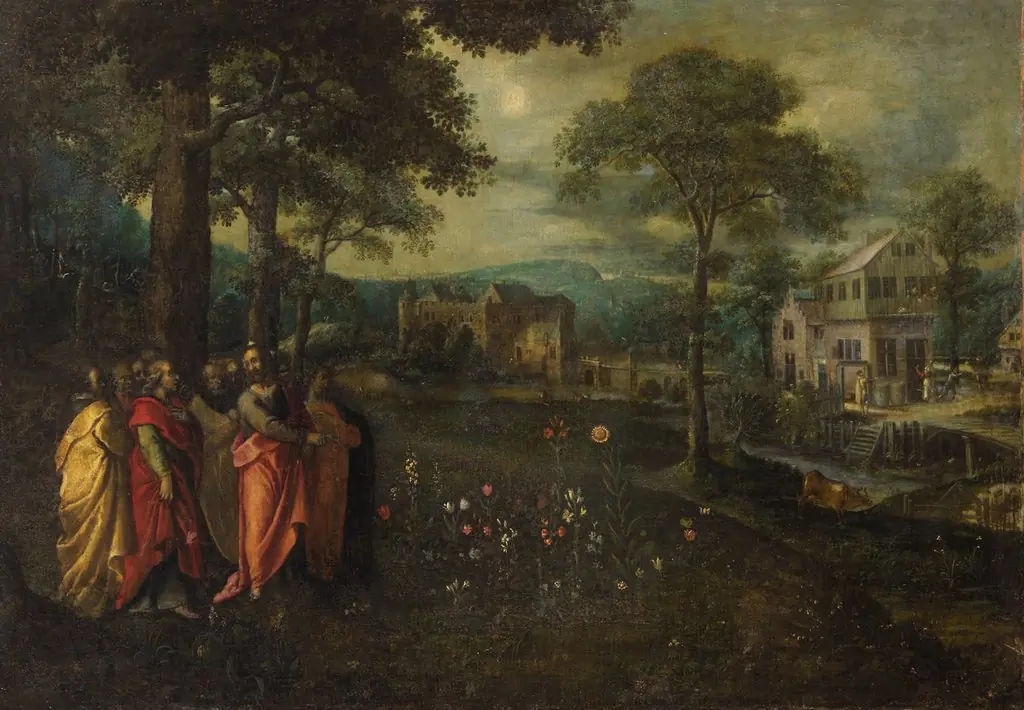 Parable of the lily of the field (May)
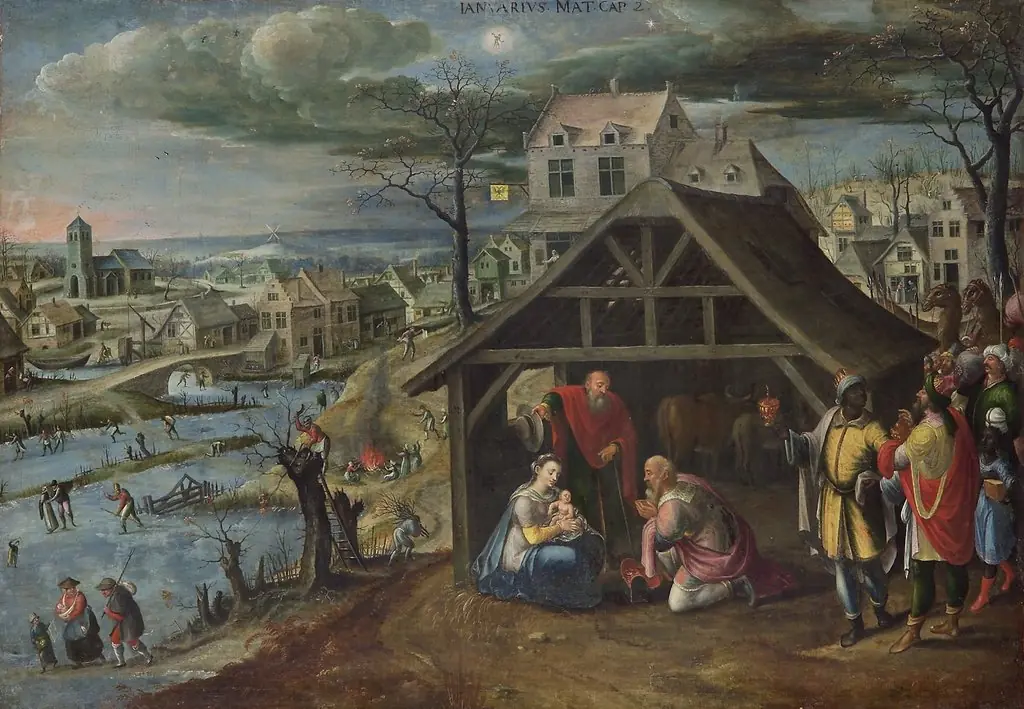 Adoration of the Magi (January)
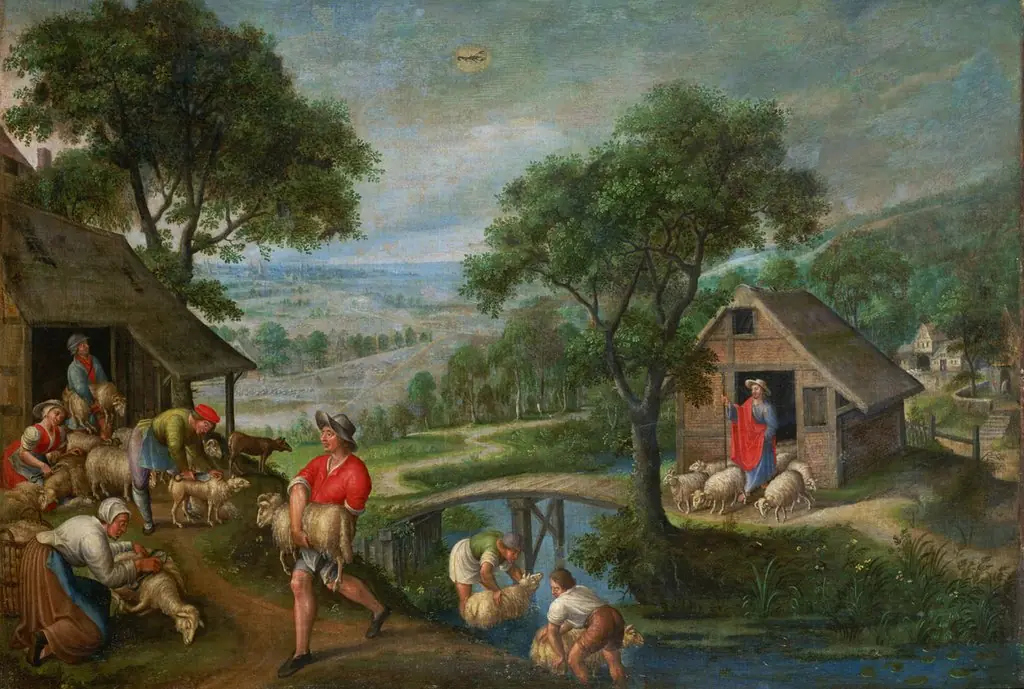 Parable of Christ as the Good Shepherd (June)