Artwork
Parable of the prodigal son (November)
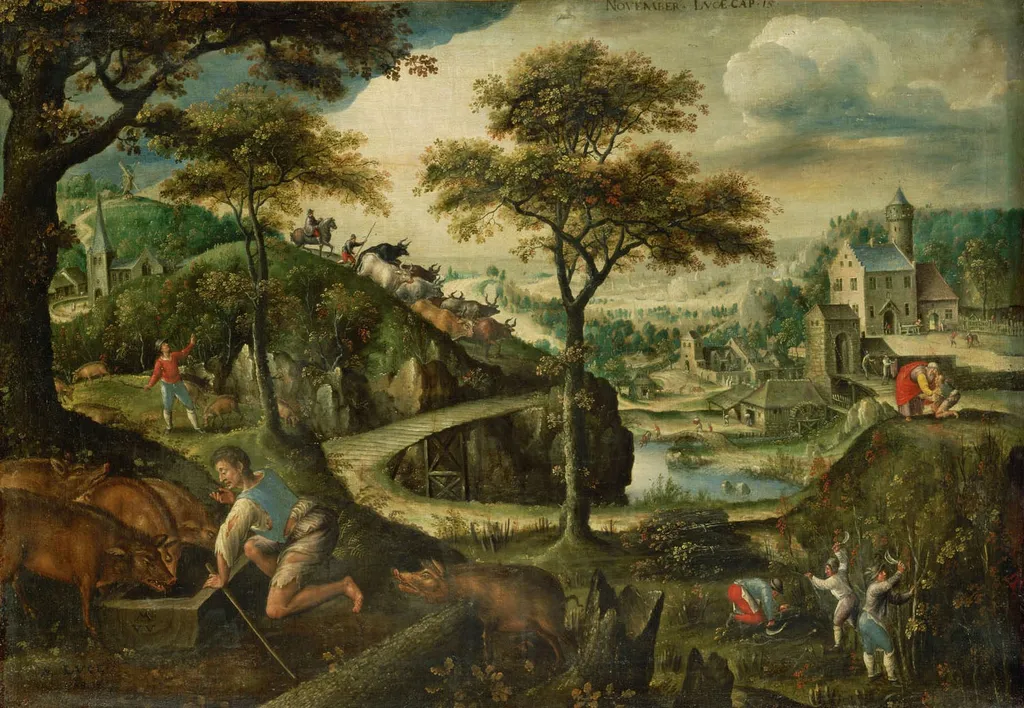
Parable of the prodigal son (November) is an oil painting by the Mannerist artist Marten van Valckenborch. It dates from 1593 and is held in the collection of the Kunsthistorisches Museum.
About this work
Overview
It captures the season of November through a rural Flemish landscape, blending agricultural activity with subtle narrative undertones.
Painted in 1593 by Marten van Valckenborch, this oil-on-panel work is one of a series illustrating the months of the year. It captures the season of November through a rural Flemish landscape, blending agricultural activity with subtle narrative undertones. Though rooted in everyday life, the scene subtly alludes to the biblical Parable of the Prodigal Son, using seasonal imagery to evoke themes of return and reflection.
Subject & Meaning
The painting presents a harvest-season countryside where figures move between departure and settlement. A lone flutist under a tree, cattle crossing a bridge, and distant riders approaching a fortified structure suggest movement and transition. These elements echo the prodigal son’s return, not through overt symbolism but through the quiet rhythm of seasonal labor and human motion, inviting contemplation rather than direct storytelling.
Technique & Style
Van Valckenborch employs soft, diffused lighting to model forms and suggest atmospheric depth, with distant hills rendered in muted tones that recede gently. The Mannerist influence appears in the elongated figures and carefully arranged, almost theatrical composition. Autumnal hues in the foliage and layered brushwork in the sky enhance the sense of time and place, while the balance of detail and spatial recession reflects a refined command of landscape painting.
History & Provenance
Created during van Valckenborch’s time in Frankfurt, where he relocated after leaving the Spanish Netherlands, the painting reflects his integration into a network of artist-family collaborators. It entered the Kunsthistorisches Museum’s collection in Vienna, likely through Habsburg patronage, and remains part of its Renaissance holdings. The work’s survival in good condition offers insight into the mobility of Flemish artists in late 16th-century Europe.
Context
As part of a seasonal cycle, the painting aligns with Northern European traditions that linked calendar months to moral or agricultural themes. While religious narratives were common in art, van Valckenborch’s approach favors naturalism over doctrinal emphasis. His focus on landscape as both setting and metaphor reflects broader trends in Flemish art, where daily life and spiritual allegory coexisted without overt didacticism.
Legacy
Van Valckenborch’s treatment of landscape as a vessel for quiet narrative influenced later generations of Northern painters who prioritized environmental realism. Though not widely celebrated in his lifetime, his integration of seasonal cycles and human activity into cohesive compositions contributed to the evolution of genre painting in the early Baroque period, bridging Mannerist formality and emerging naturalism.
Artist & collection
Artist
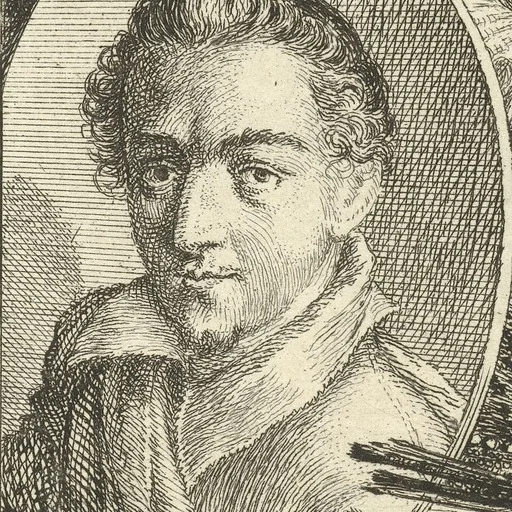
Marten van Valckenborch or Marten van Valckenborch the Elder (1535 in Leuven – 1612 in Frankfurt), was a Flemish Renaissance painter, mainly known for his landscapes and city scapes.

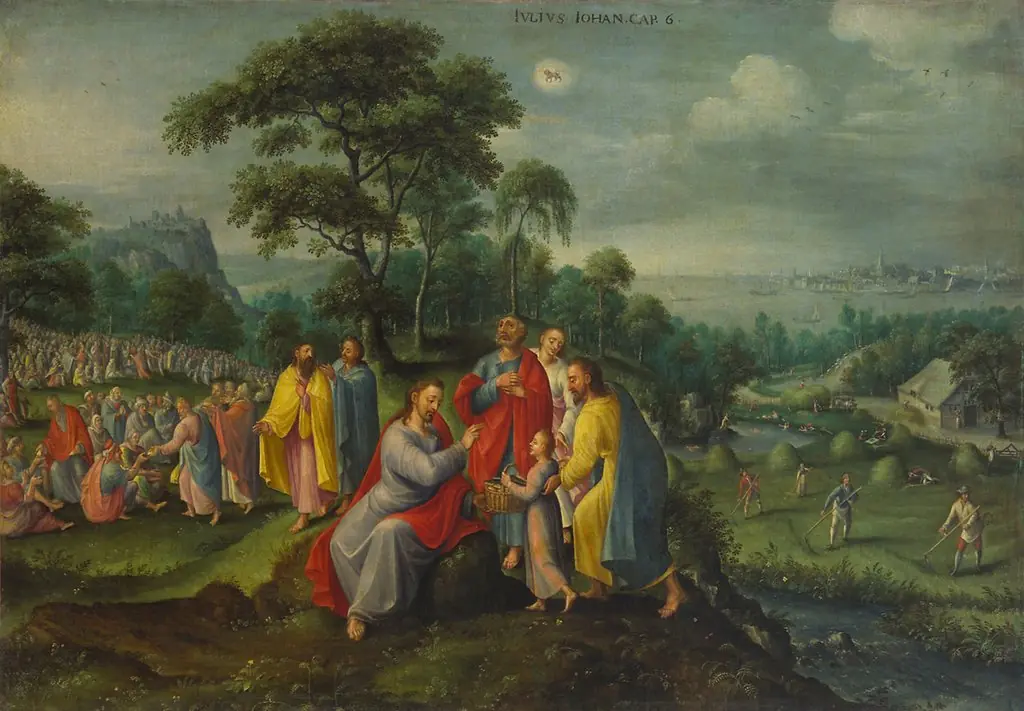 Feeding the Five Thousand (July)
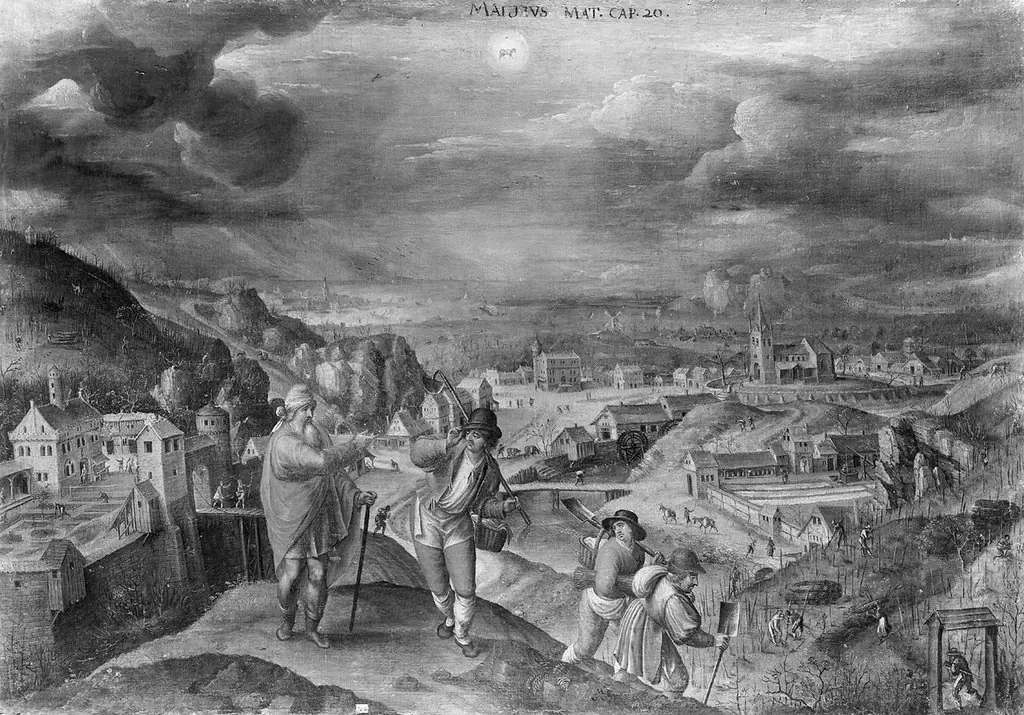 Parable of the Workers in the Vineyard (March)
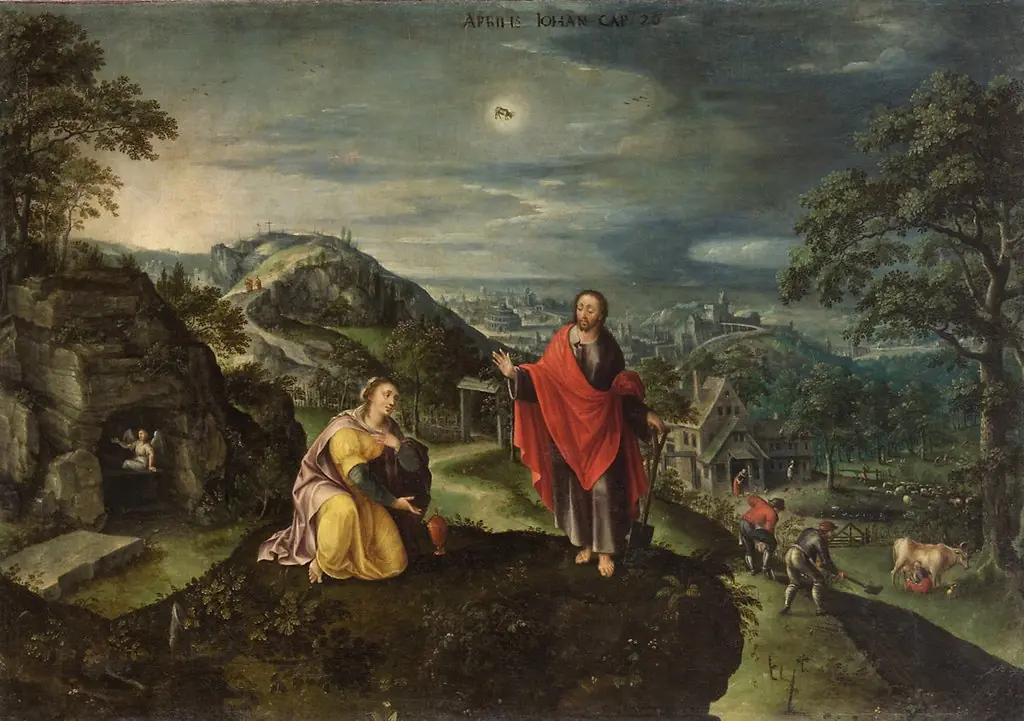 Noli me tangere (April)
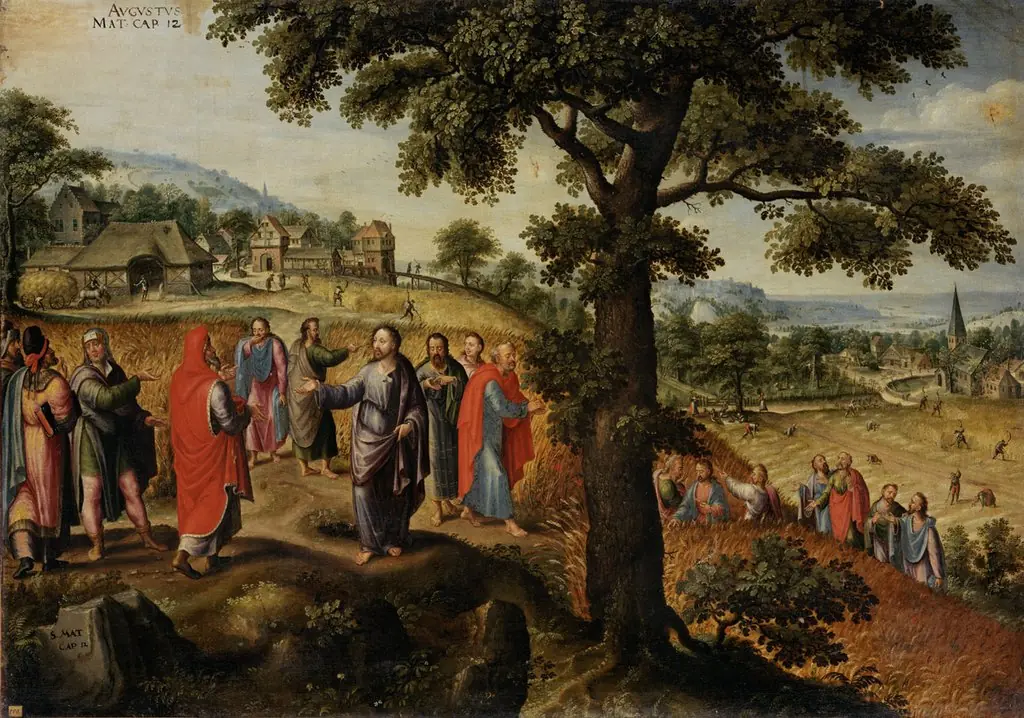 Christ defends the plucking of the ears of grain on the Sabbath (August)
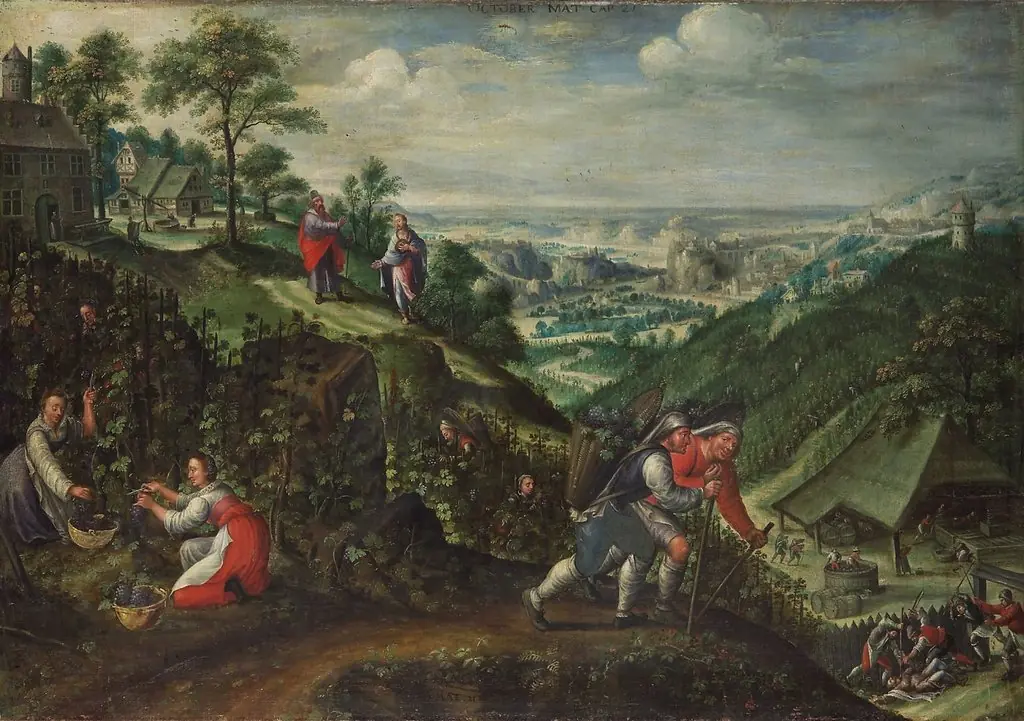 Gleichnis von den bösen Winzern (Oktober)
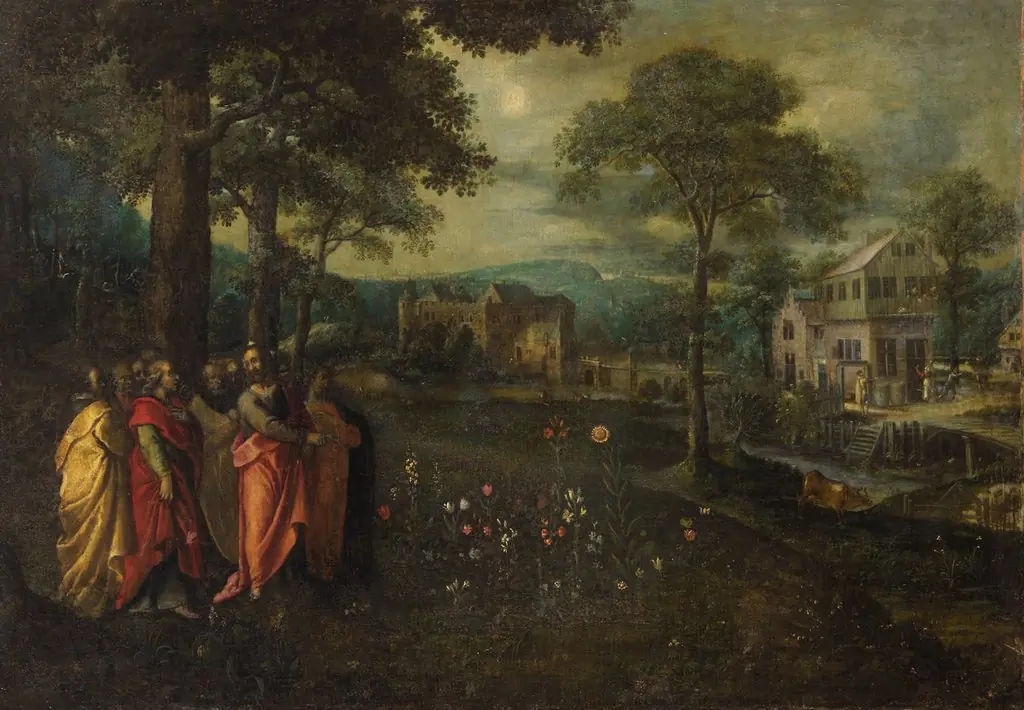 Parable of the lily of the field (May)
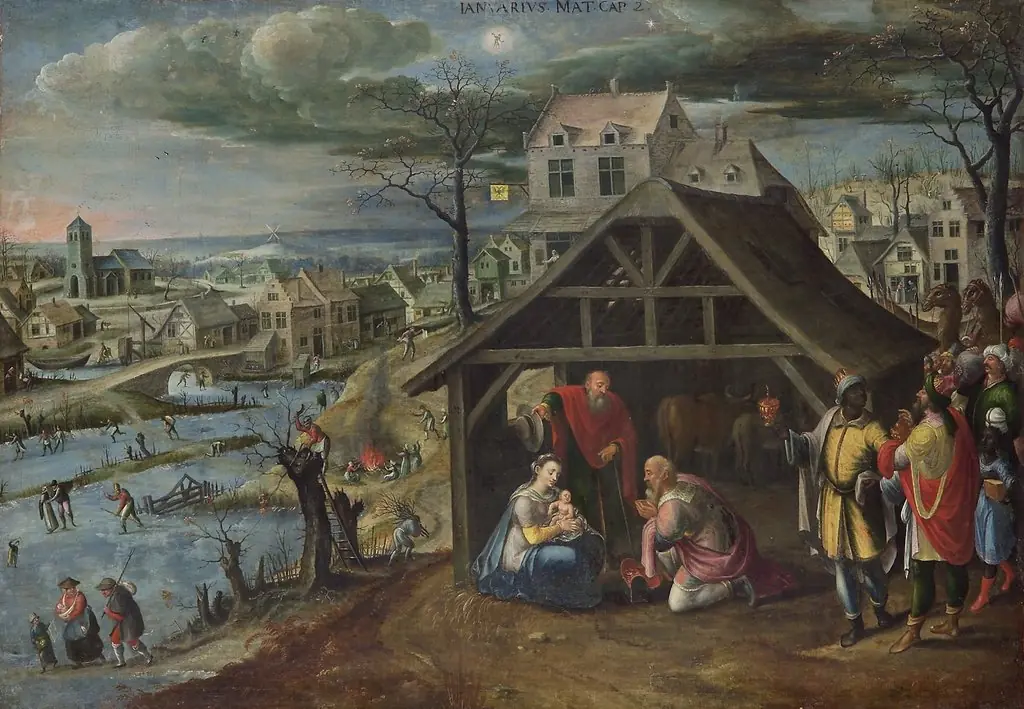 Adoration of the Magi (January)
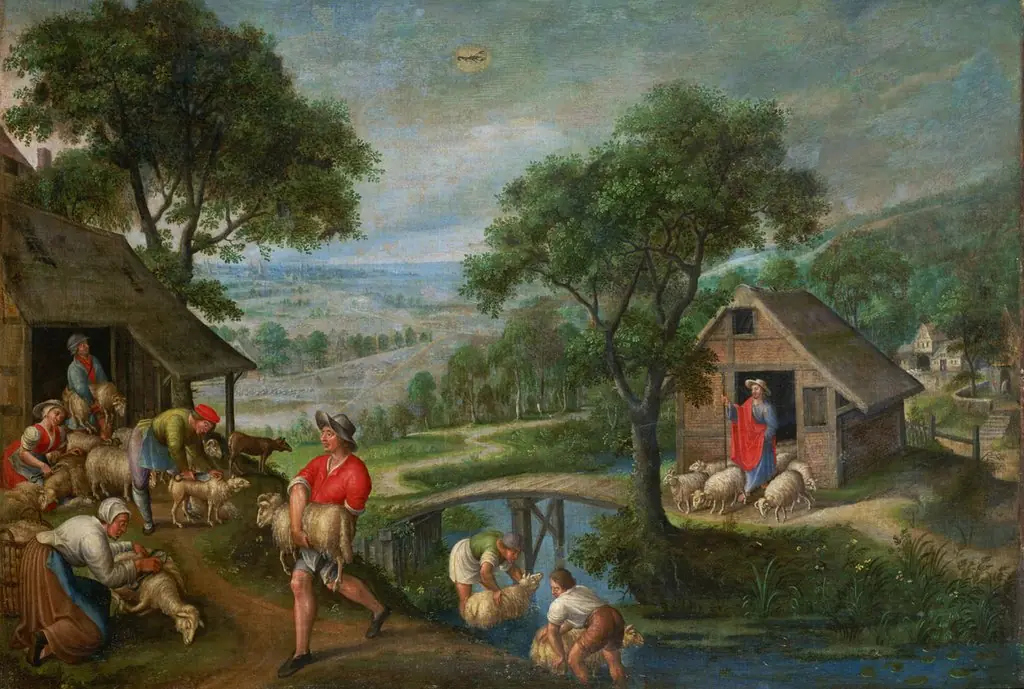 Parable of Christ as the Good Shepherd (June)
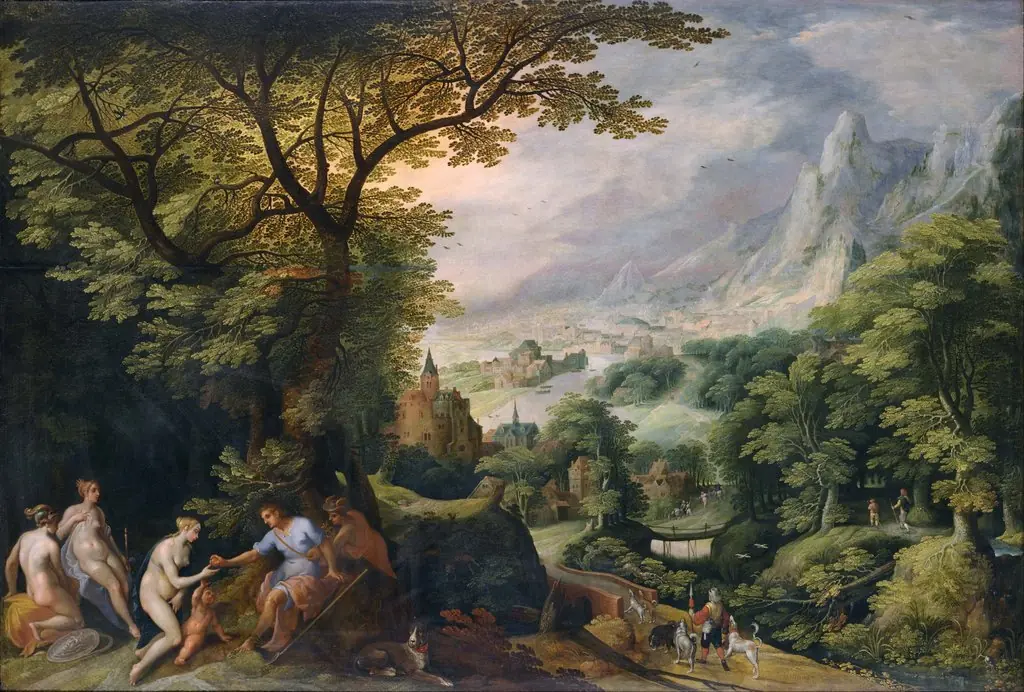 Landscape with the Judgement of Paris
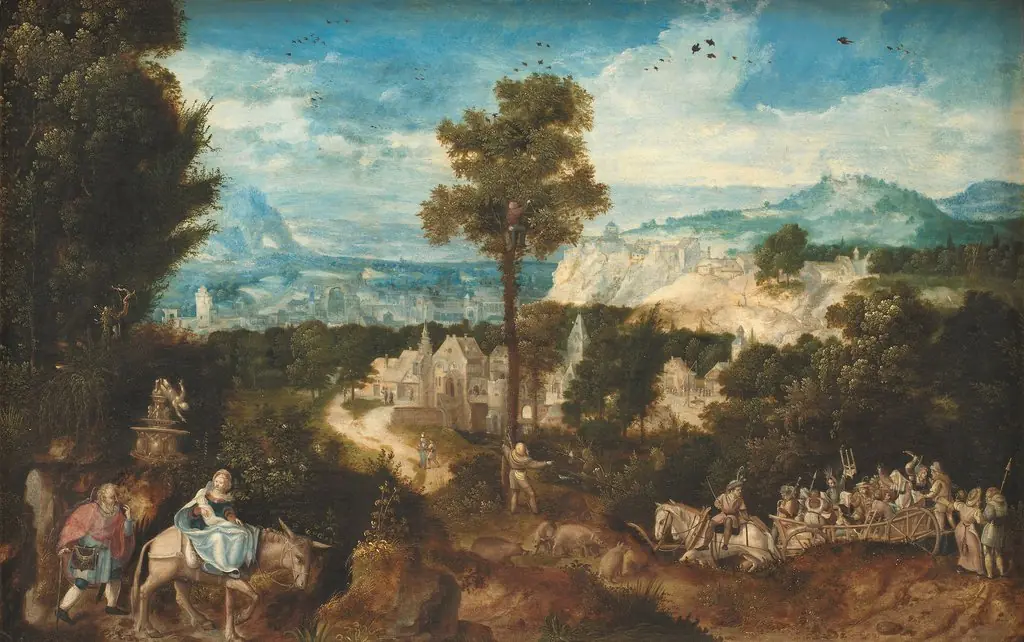 Landscape with the Flight into Egypt
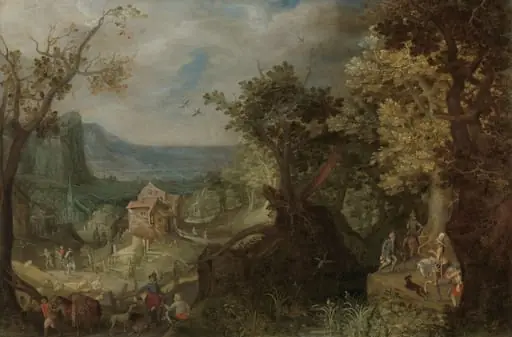 Hunter and Horsemen on a Wooded Road, with a Village in a Valley beyond
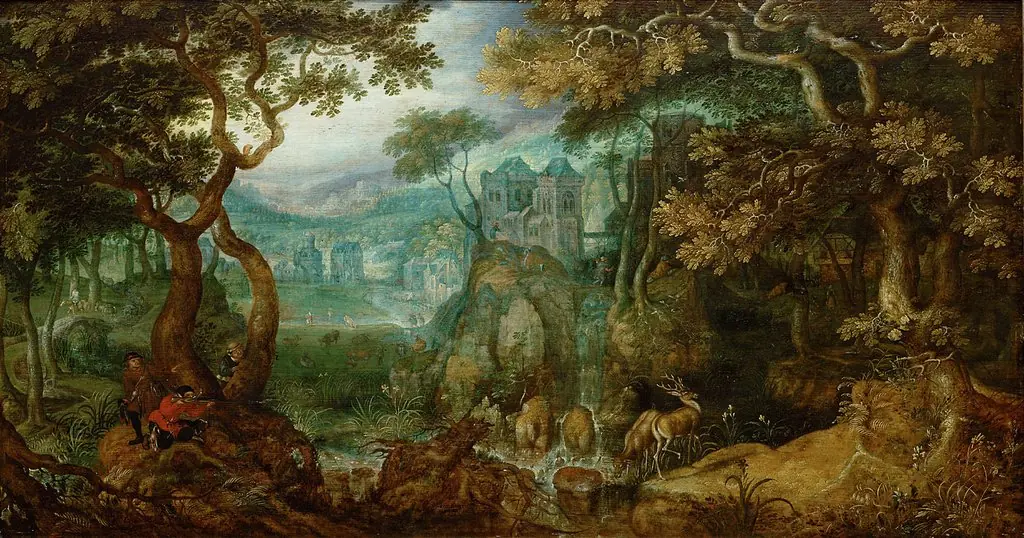 Forest Landscape with Hunters
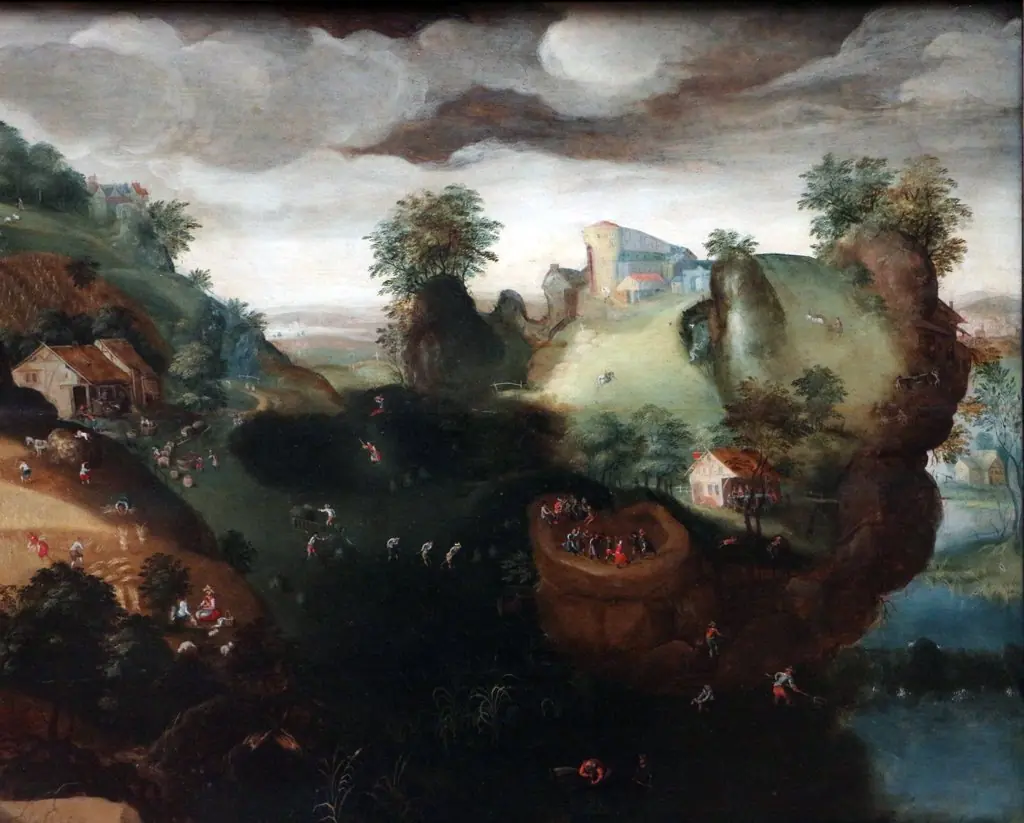 Antropomorf landschap - mannenportret
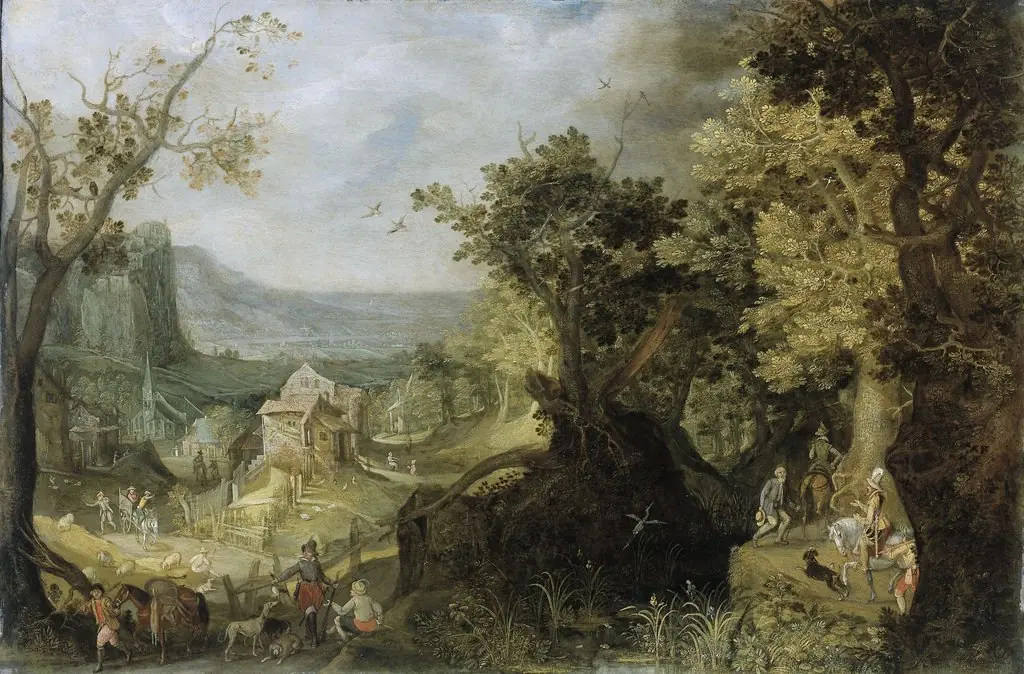 Wooded Landscape
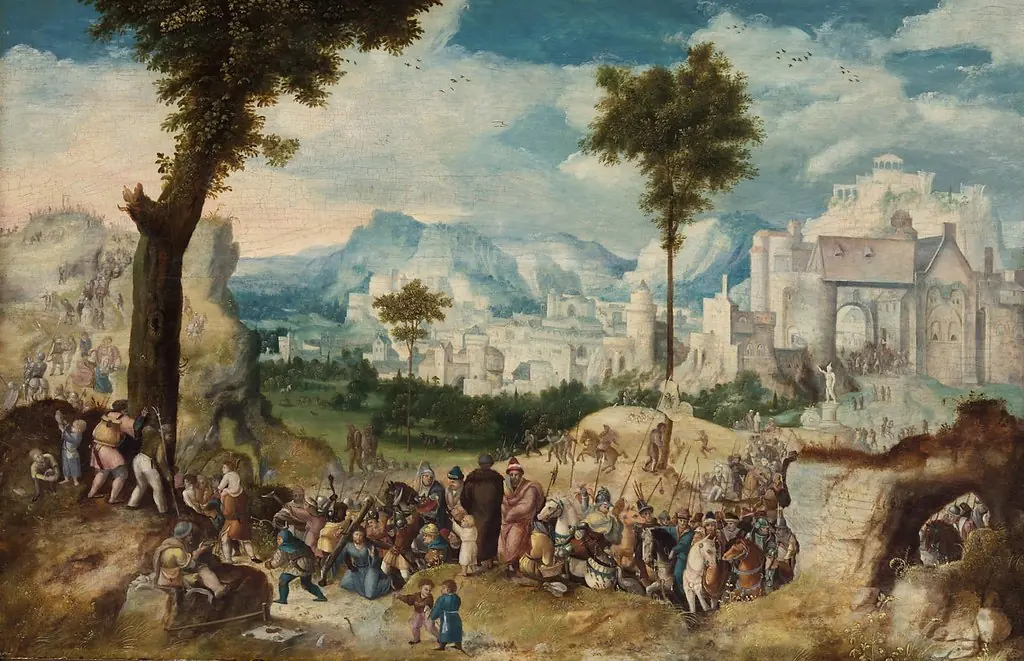 Kreuztragung Christi
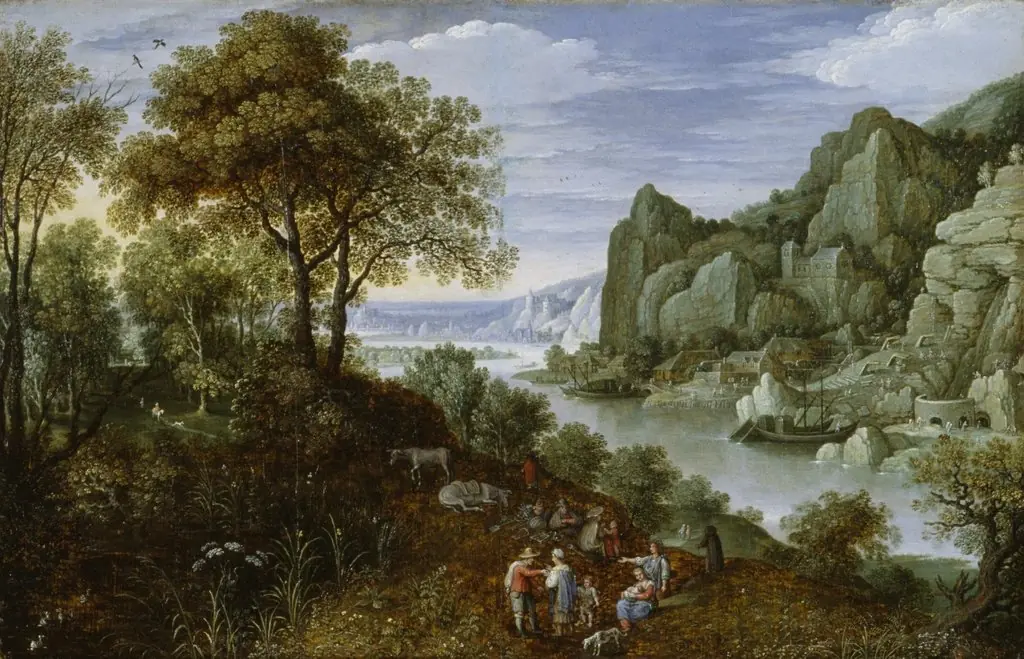 Mining Operations along a River
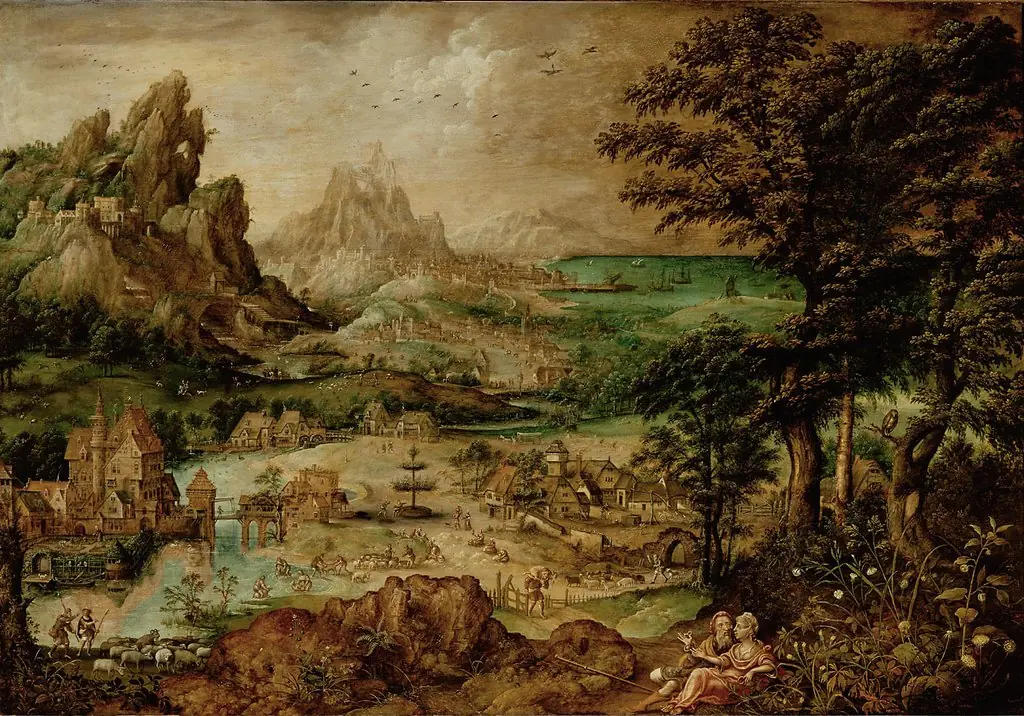 Landscape with Judah and Thamar