Artwork
Kreuzigung Christi
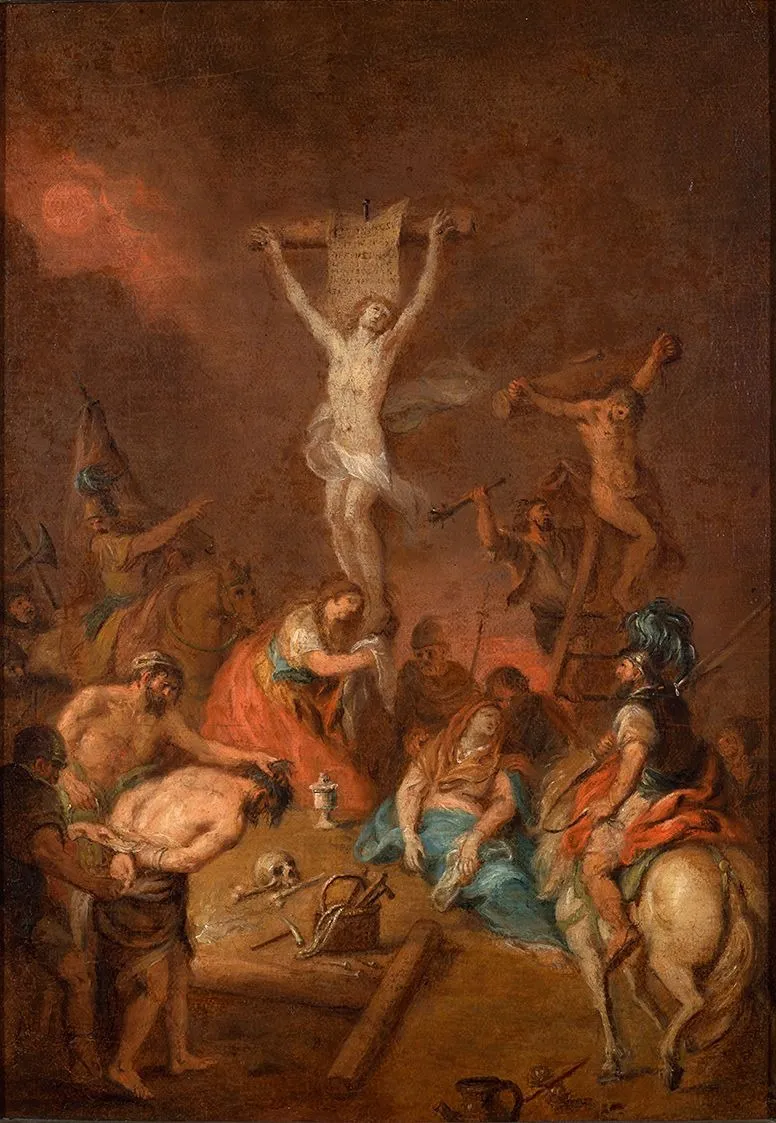
Kreuzigung Christi is an oil painting by the Biedermeier artist Martin Johann Schmidt. It dates from 1799 and is held in the collection of the Kunsthistorisches Museum.
About this work
Overview
Kreuzigung Christi is a painting executed in oil paint by Martin Johann Schmidt, also known as Kremser Schmidt, in 1799. It is a representation of the crucifixion of Jesus Christ, characteristic of Schmidt's work for Austrian churches and monasteries.
Subject & Meaning
The painting depicts the crucifixion scene with a central figure suspended in the air, surrounded by various figures including women in blue and orange robes, a man in a black helmet, and a skeleton. The arrangement conveys a dramatic and emotionally charged moment.
Technique & Style
Schmidt's use of chiaroscuro creates a sense of depth and drama, emphasizing the central figure. The contrast between light and dark areas draws the viewer's attention to the crucified figure, underscoring the emotional impact of the scene.
History & Provenance
The painting is held in the collection of the Kunsthistorisches Museum. Schmidt, a prominent Austrian artist of the late Baroque and Rococo periods, worked primarily in Stein, Lower Austria, contributing to numerous religious institutions.
Context
Kreuzigung Christi is associated with the Biedermeier movement, reflecting a shift in artistic style during the late 18th century. Schmidt's work on the painting occurred towards the end of his career, as he continued to produce significant works for religious settings.
Artist & collection
Artist
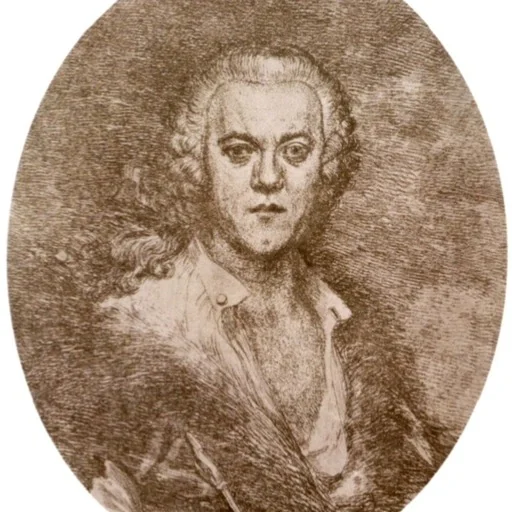
Martin Johann Schmidt, called Kremser Schmidt or Kremserschmidt, (25 September 1718 – 28 June 1801), was one of the outstanding Austrian painters of the late Baroque/Rococo along with Franz Anton Maulbertsch.

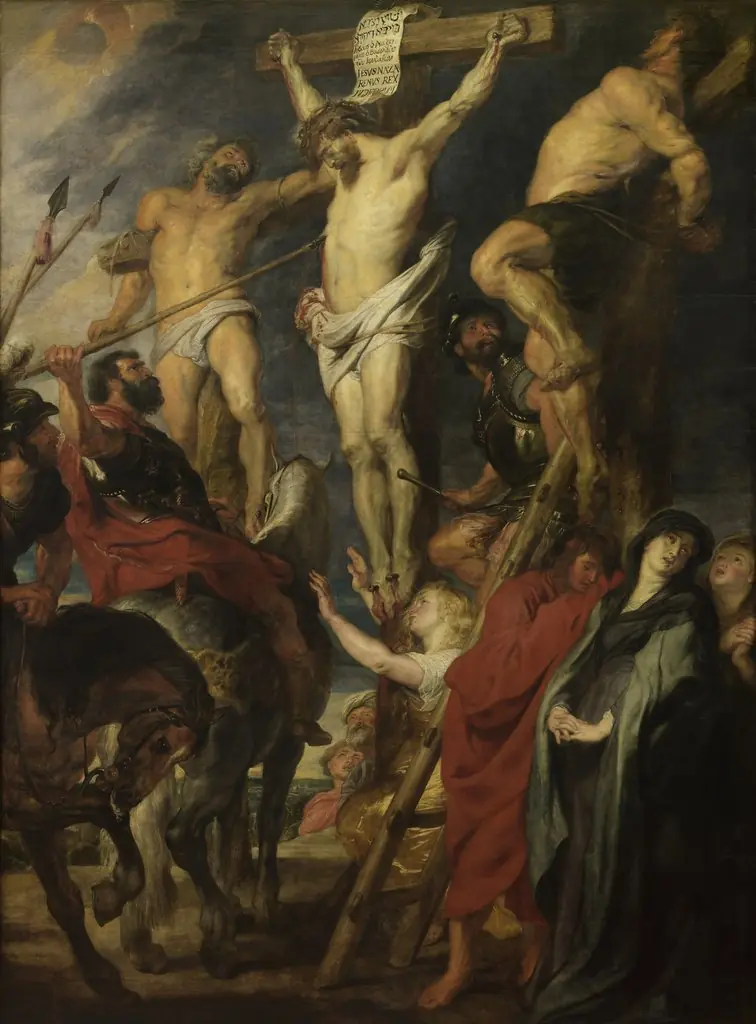 Christ on the Cross between the two criminals
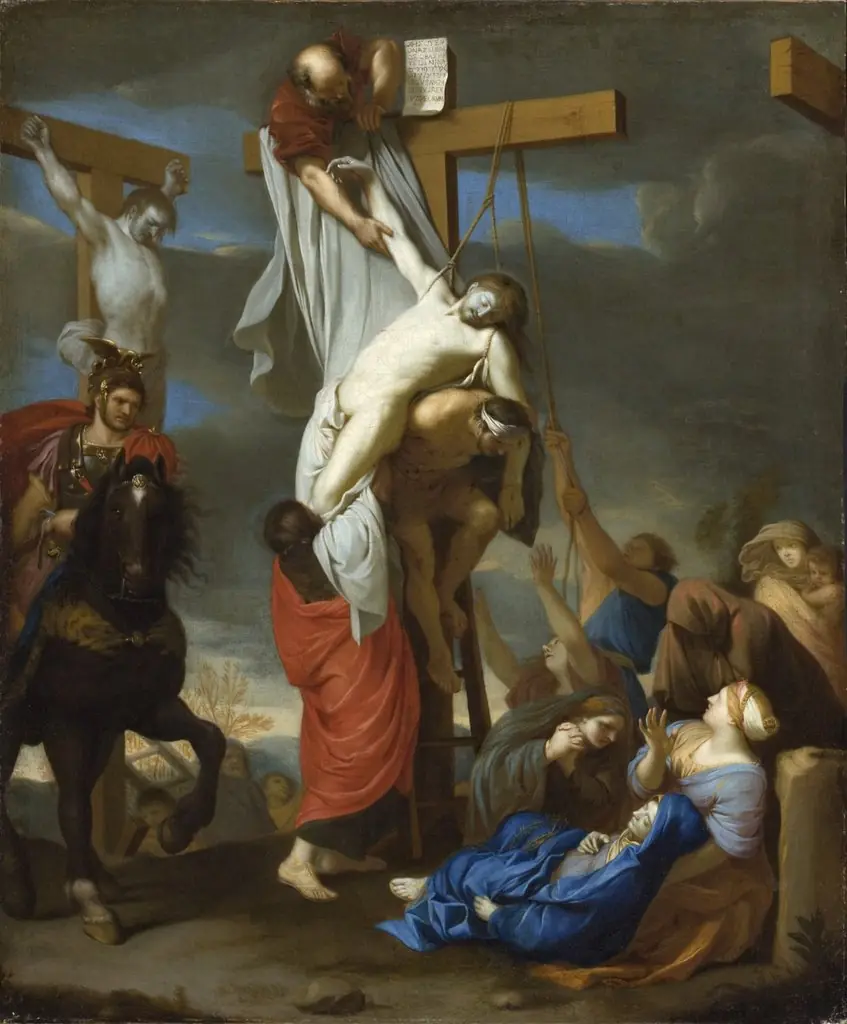 Descent from the Cross
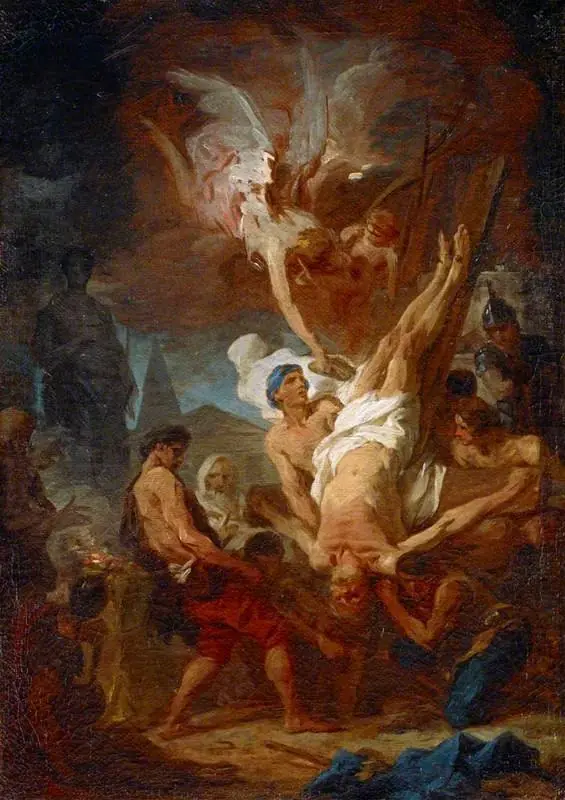 The Crucifixion of Saint Peter
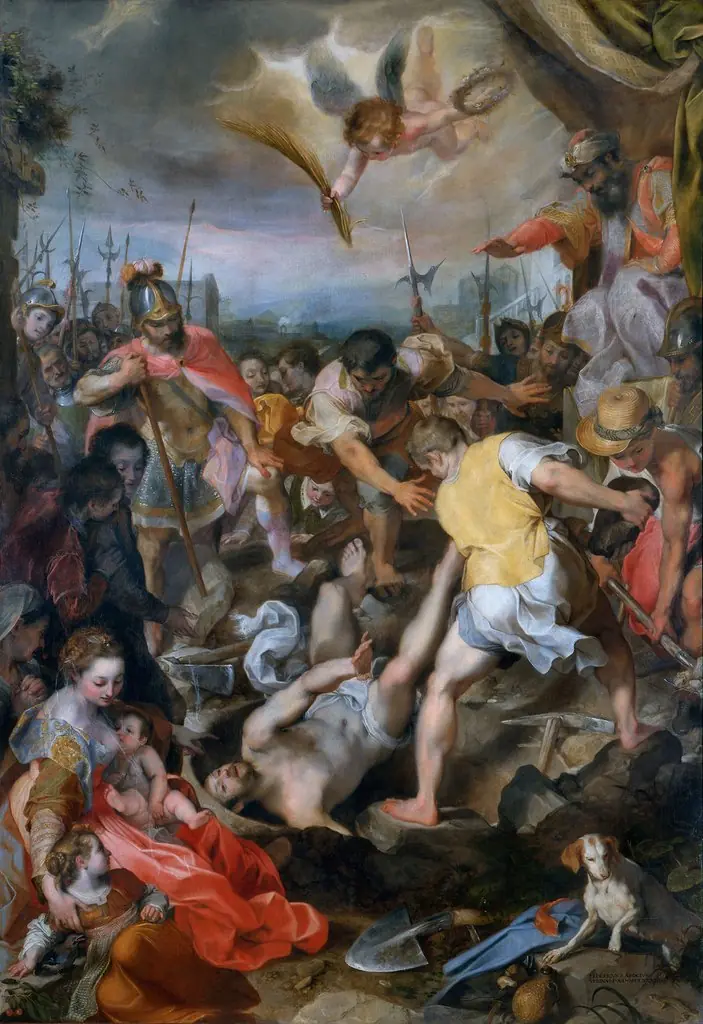 Martirio di san Vitale
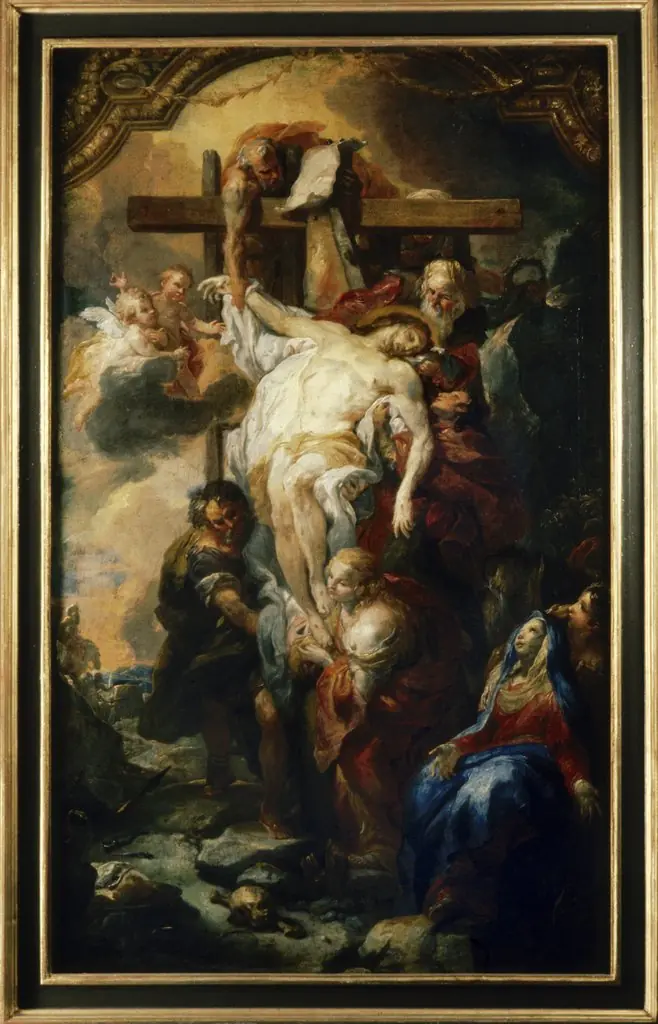 The Deposition from the Cross
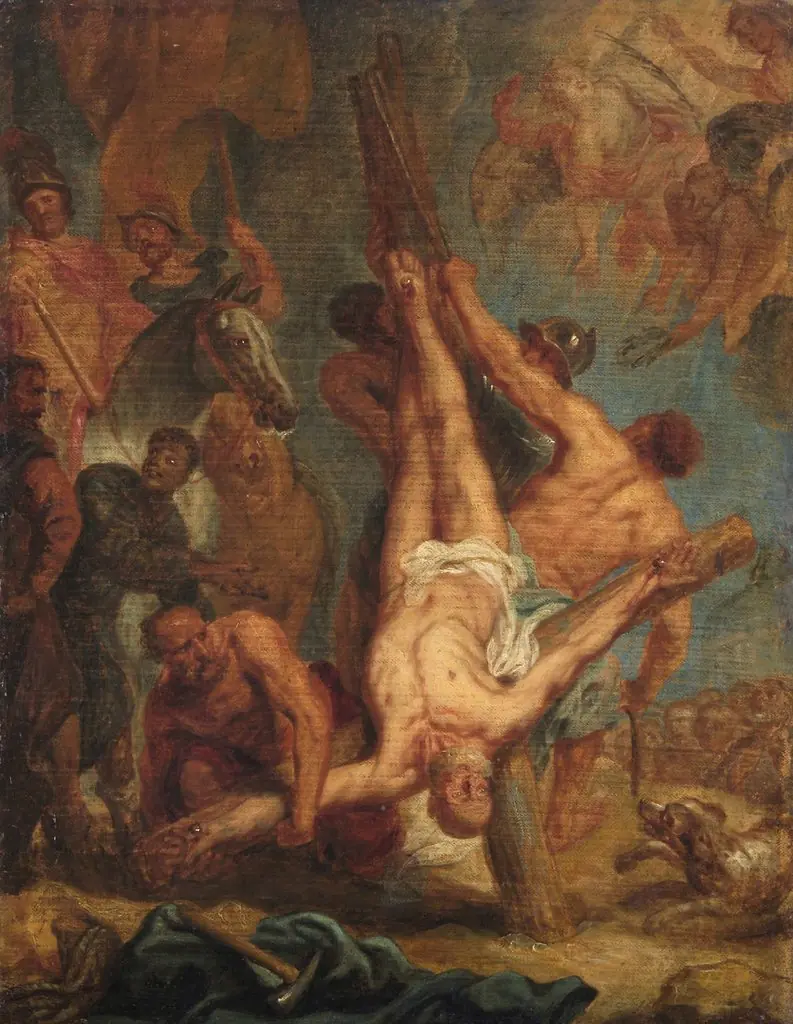 The Crucifixion of Saint Peter
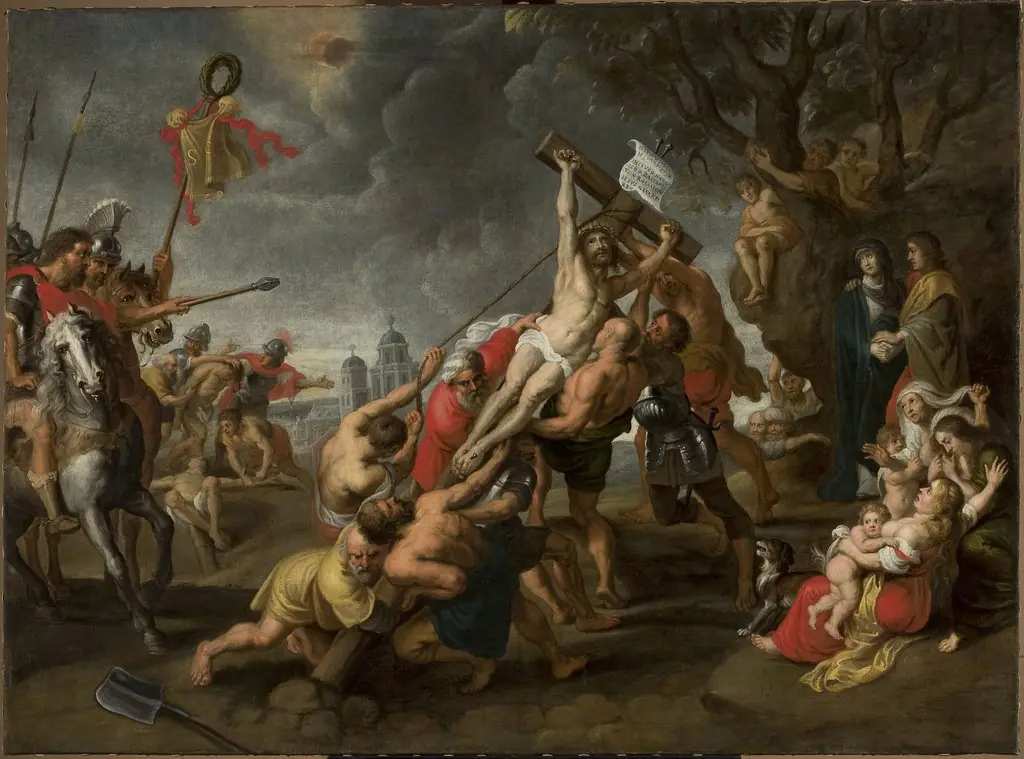 Golgotha (Matthew 27:35-38; Mark 15:24-27; Luke 23:33; John 19:18)
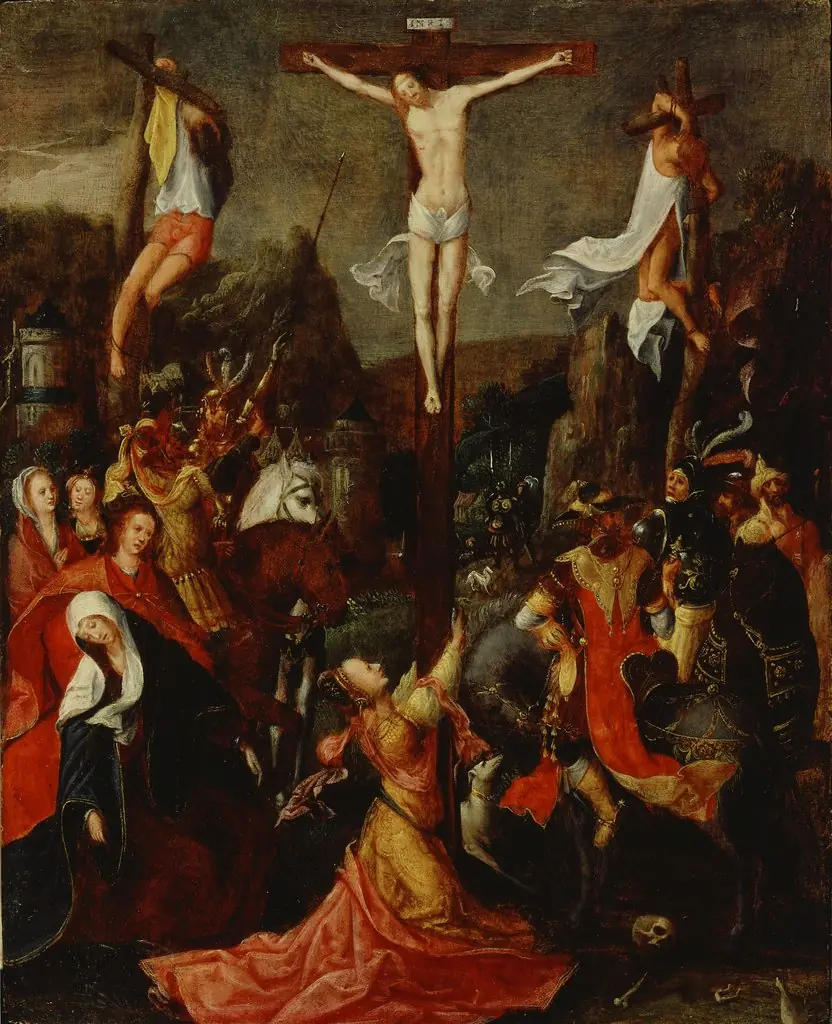 Crucifixion
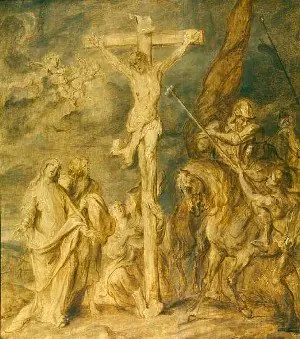 Christ on the Cross with Mary Magdalene and Saints
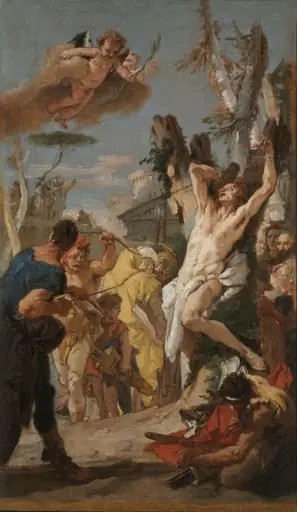 Study for "The Martyrdom of Saint Sebastian" (for the Augustinian monastery at Diessen, Germany)
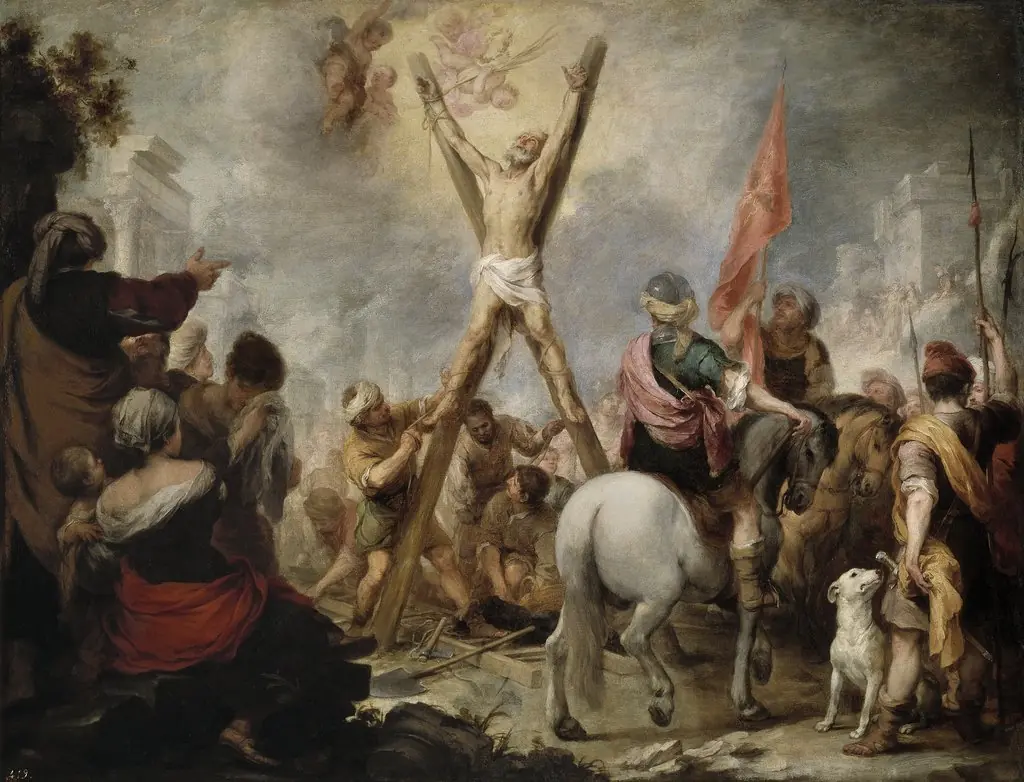 The Martyrdom of St. Andrew
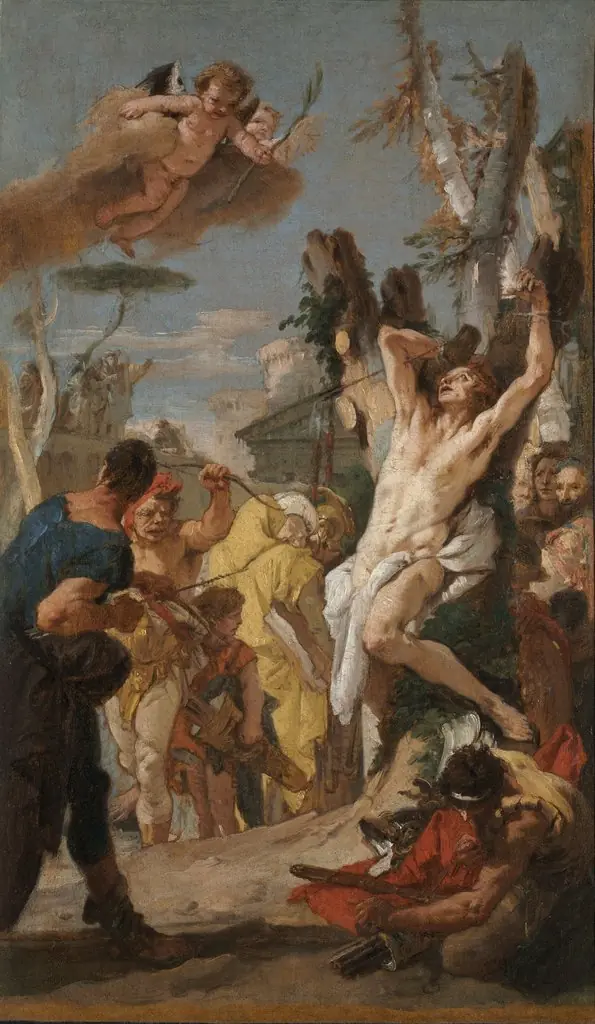 Study for "The Martyrdom of Saint Sebastian" (for the Augustinian monastery at Diessen, Germany)