Artwork
The Passion: Christ in Limbo
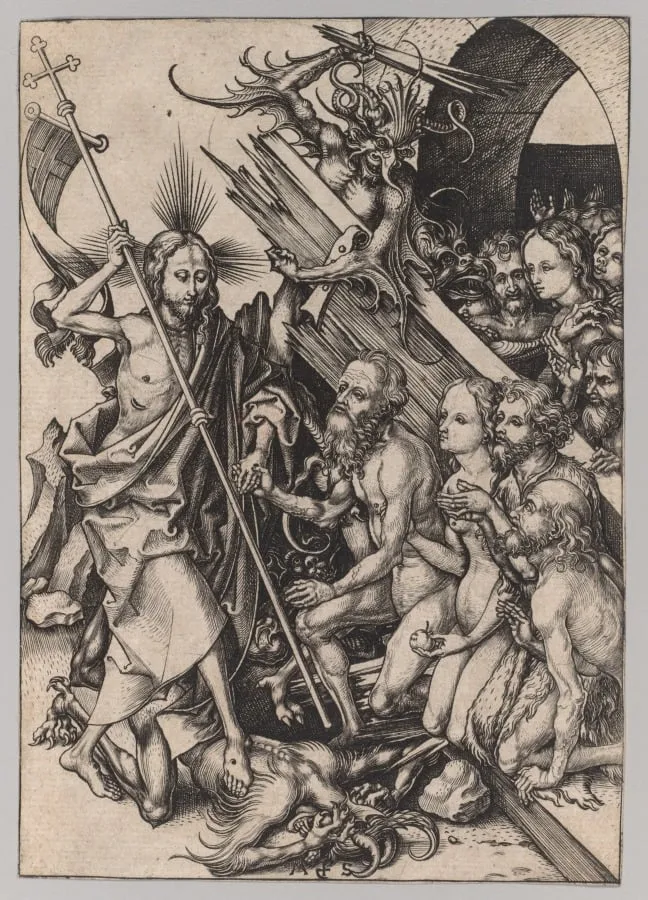
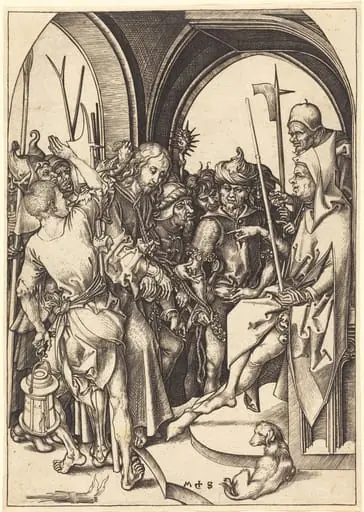
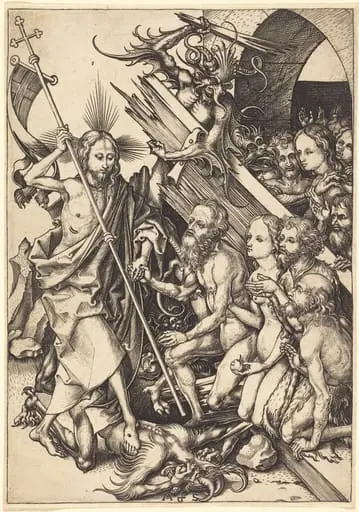
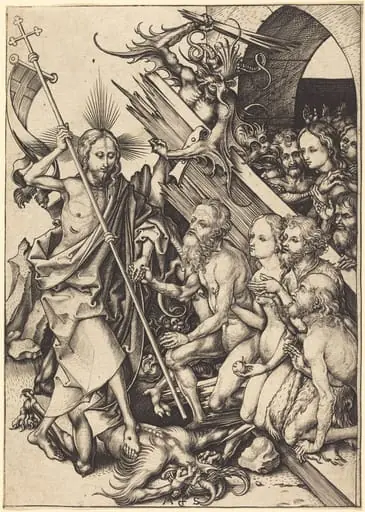
The Passion: Christ in Limbo is a print by the Renaissance artist Martin Schongauer. It dates from 1480 and is held in the collection of the Cleveland Museum of Art.
About this work
Overview
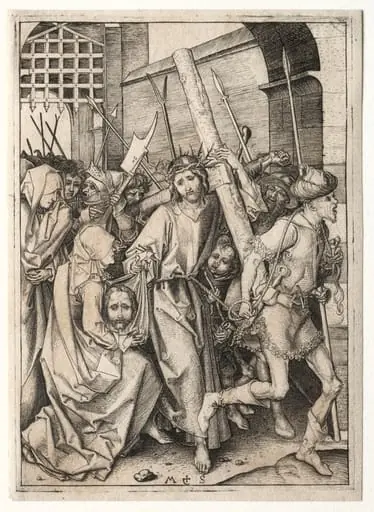
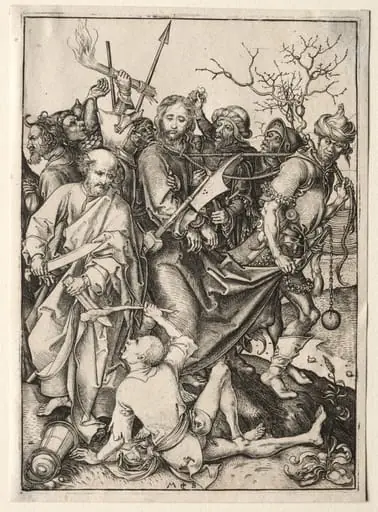
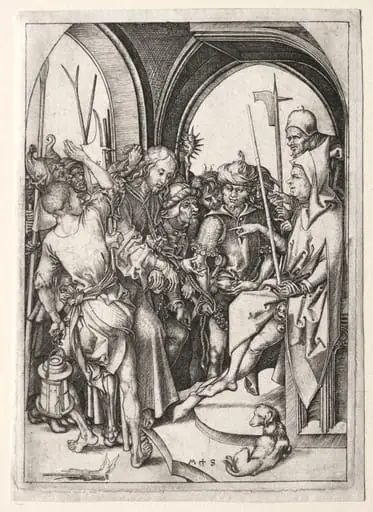
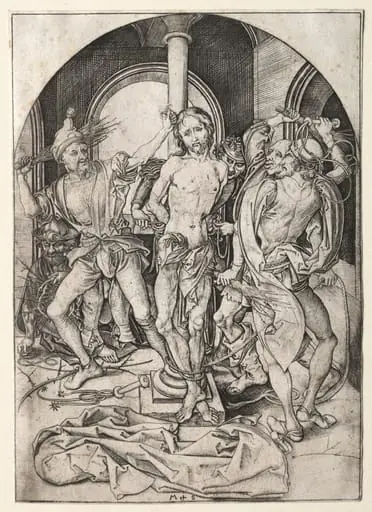
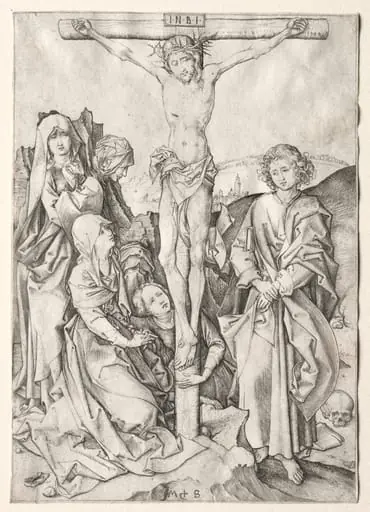
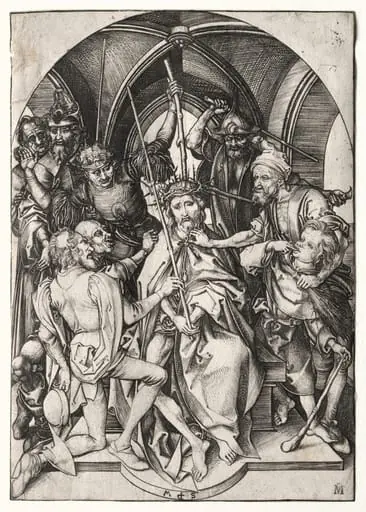
Martin Schongauer’s print *The Passion: Christ in Limbo* belongs to a twelve‑panel series created circa 1480 that narrates the final days of Jesus. This particular image depicts the moment between Christ’s death and resurrection when he descends into the realm of the dead to rescue the righteous who preceded him.
Subject & Meaning
In the composition Christ strides into a shadowy cavern, his foot crushing a defeated demon while his left hand reaches out to Adam, symbolically linking the first man with the salvific act of the crucifixion. The scene also shows Adam and Eve being drawn from their tombs as demons flee, emphasizing the triumph of redemption over evil.
Technique & Style
Schongauer employs densely worked line engraving, creating strong chiaroscuro that renders the cave’s interior claustrophobic. The faces of the tormented figures are rendered with exaggerated, almost grotesque features, heightening their cruelty and amplifying the emotional intensity of the narrative.
History & Provenance
The *Passion* series was Schongauer’s most extensive set of prints and quickly became a model for other European artists, who reproduced its compositions throughout the late fifteenth and early sixteenth centuries. Copies and variants of the Limbo scene appear in workshops across Germany, France, and the Low Countries.
Context
The work reflects late medieval devotional interests in the Harrowing of Hell, a theme that visualized Christ’s descent to free souls before the Last Judgment. Schongauer’s treatment aligns with contemporary theological emphasis on the continuity between Adam’s fall and Christ’s salvific mission.
Artist & collection

Artist
Martin Schongauer, also known as Martin Schön or Hübsch Martin by his contemporaries, was an Alsatian engraver and painter.