Artwork
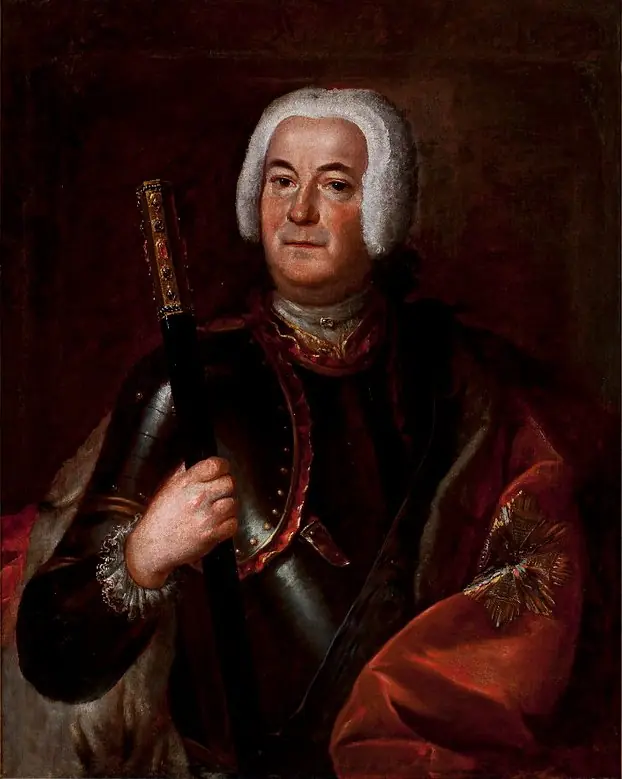
Bildnis eines Mannes in ungarischer Tracht (Imre Graf Tökölyi?)
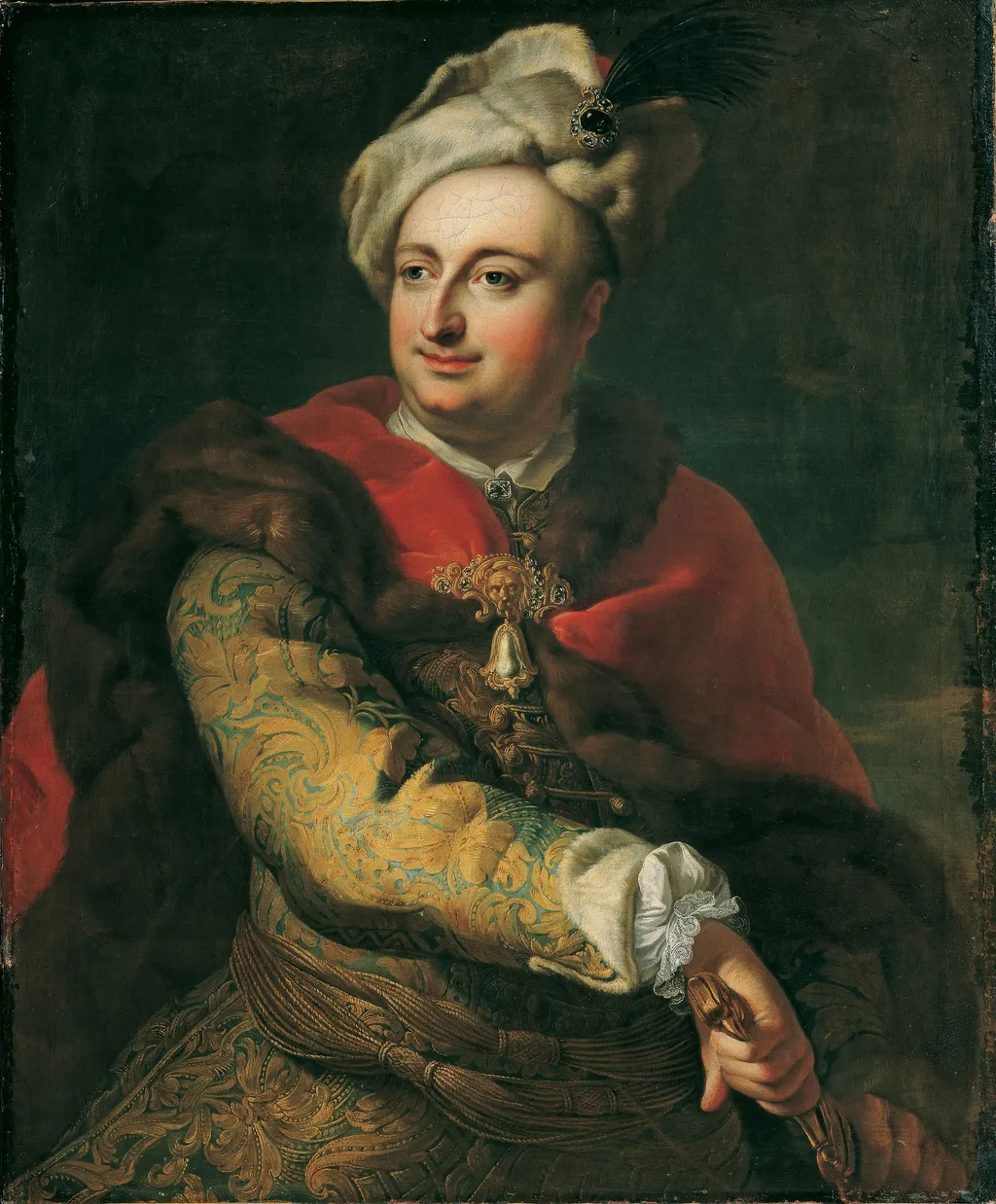
Bildnis eines Mannes in ungarischer Tracht (Imre Graf Tökölyi?) is an oil painting by the Rococo painting artist Martin van Meytens. It dates from 1745 and is held in the collection of the Kunsthistorisches Museum. Bildnis eines Mannes in ungarischer Tracht (Imre Graf Tökölyi?
About this work
Overview
Bildnis eines Mannes in ungarischer Tracht (Imre Graf Tökölyi?), painted in 1745 by Swedish-Austrian artist Martin van Meytens, is an oil-on-canvas portrait of a man in elaborate Hungarian attire, possibly indicating a subject of cultural or political prominence.
Subject & Meaning
The subject, tentatively identified as Imre Graf Tökölyi, is depicted with symbols of status: a red cape, fur-trimmed hat with feather and brooch, gold-patterned shirt, and a sword, collectively conveying opulence and grandeur. The attire suggests the subject held significant cultural or political standing.
Technique & Style
Van Meytens executed the work in the Rococo style, characterized by vivid colors and textures. Notable is the intricate shirt design, while the overall composition showcases the artist's mastery of chiaroscuro, enhancing the portrait's depth and engagement.
History & Provenance
Part of the Kunsthistorisches Museum's collection, the painting reflects van Meytens' established practice of portraying European nobility, including Marie Antoinette and the Austrian court.
Context
Created during the 18th century, the work contextualizes the artistic and cultural exchange between Sweden, Austria, and Hungary, highlighting the Rococo's influence on portraiture of the time.
Legacy
As a representative of van Meytens' oeuvre, the painting contributes to the broader legacy of Rococo portraiture, offering insights into 18th-century European aristocratic culture and the artist's contribution to it.
Own this work as a print
Artist & collection
Artist
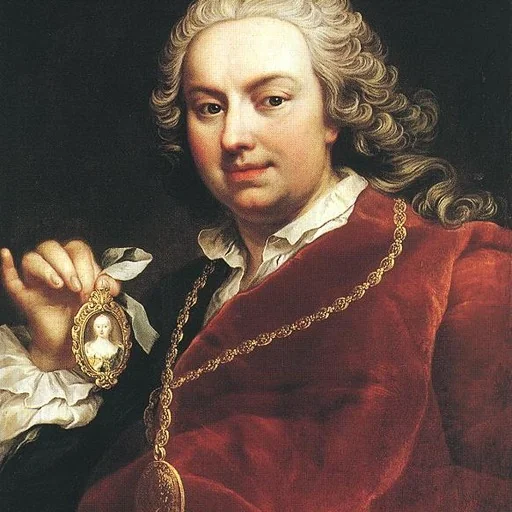
Martin van Meytens (24 June 1695 – 23 March 1770) was a Swedish-Austrian painter who painted members of the Royal Court of Austria such as Marie Antoinette, Maria Theresa of Austria, Francis I, Holy Roman Emperor, the…

 Count Giacomo Durazzo in the Guise of a Huntsman with His Wife
 The Imperial family in 1756
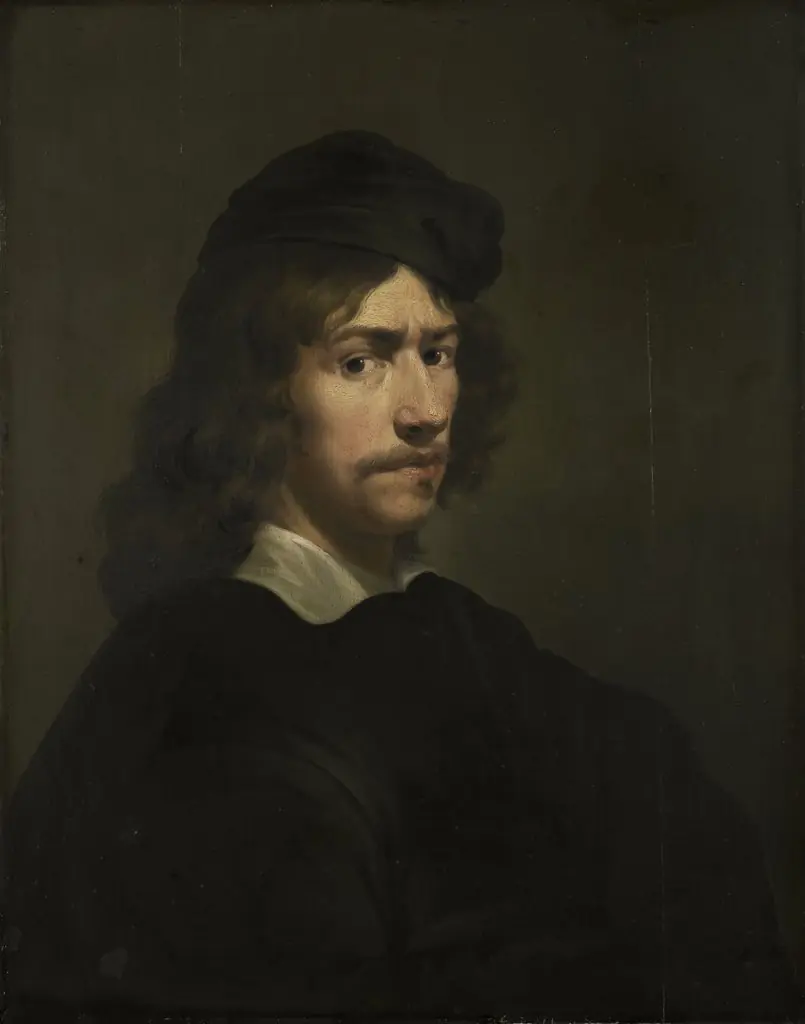 Self portrait
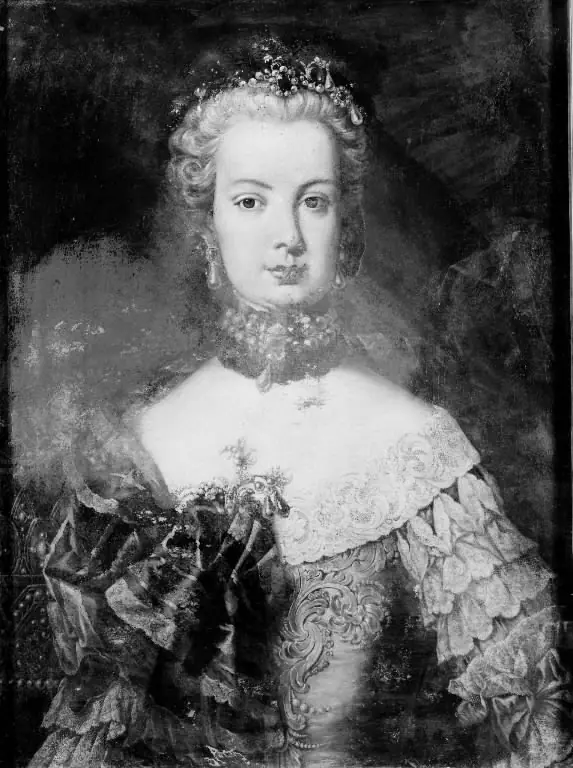 Elisabeth Christine von Braunschweig-Wolfenbüttel
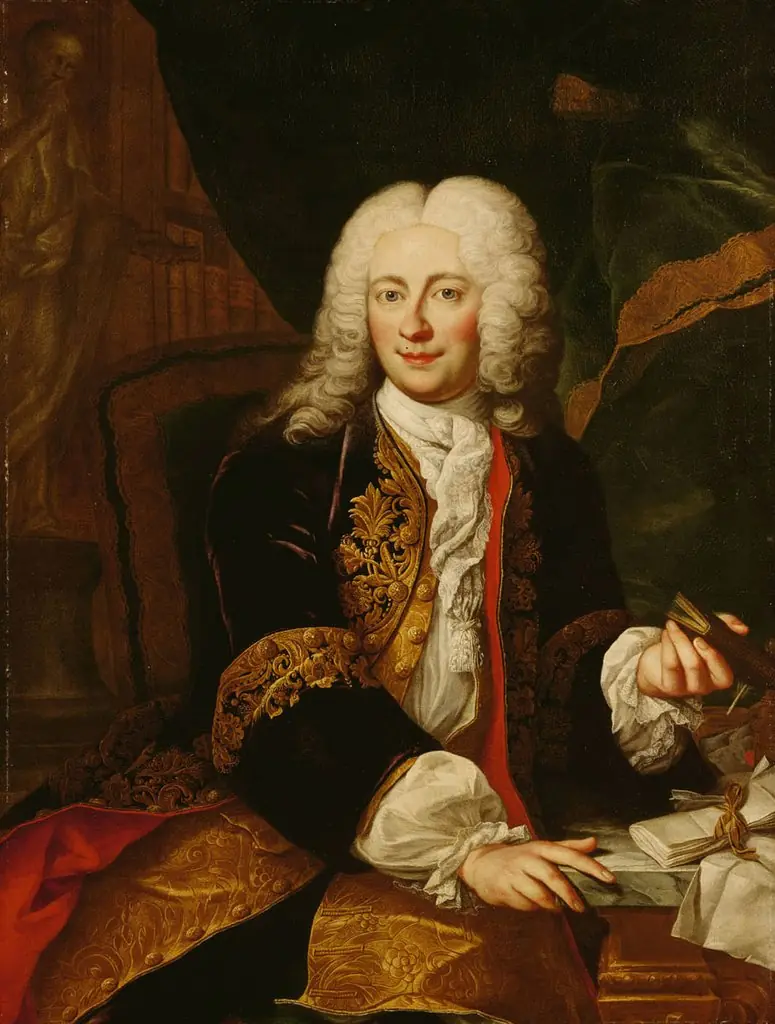 Portrait of Johann Christoph Freiherr von Bartenstein (1689-1767)
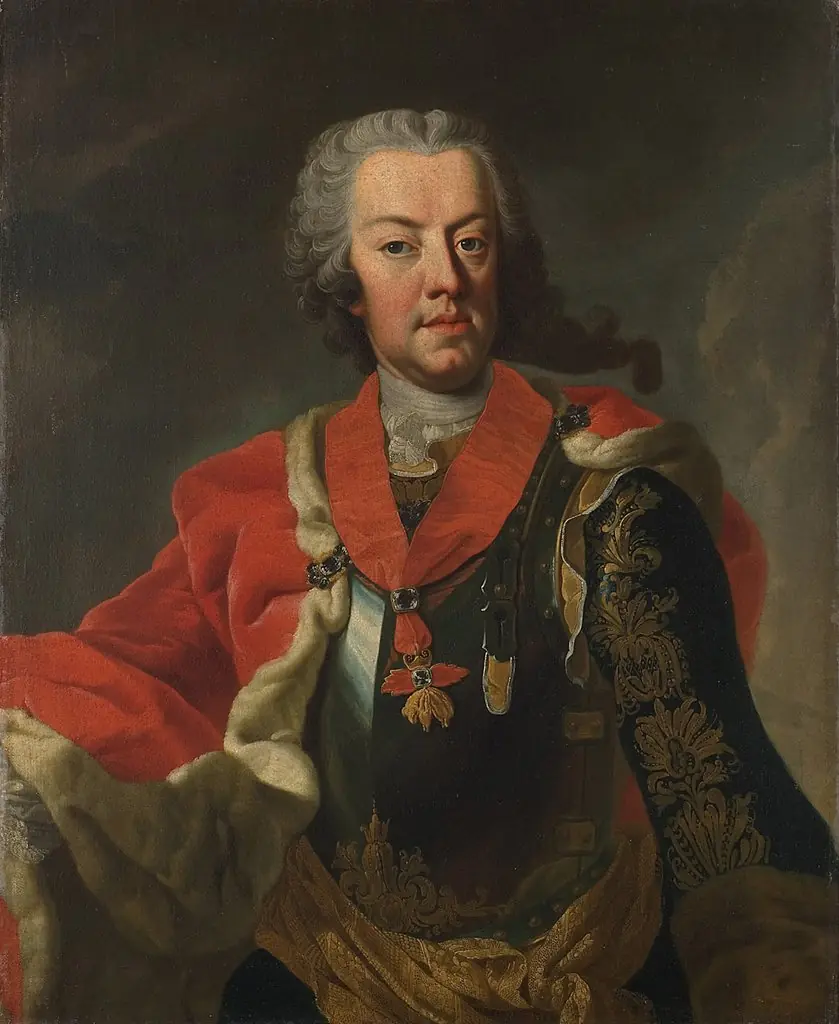 Herzog Karl Alexander von Lothringen (1712-1780), Brustbild
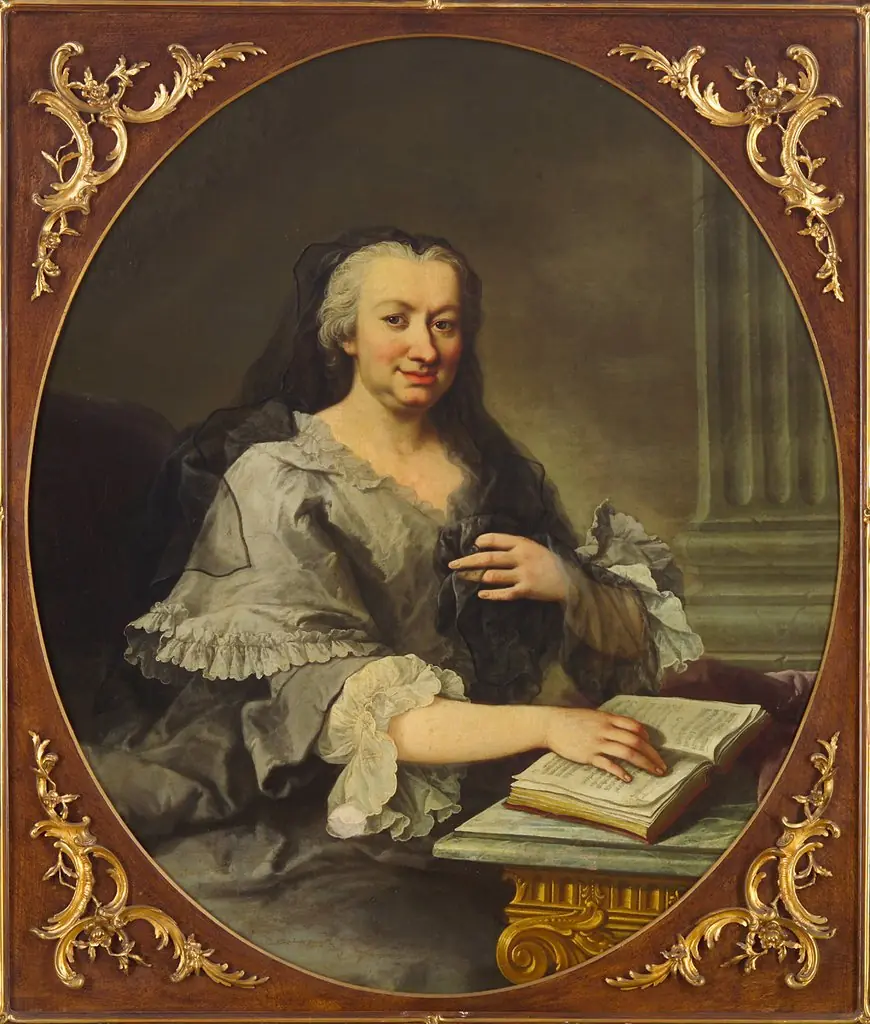 Portrait of Maria Karolina Gräfin Fuchs (1681-1754)
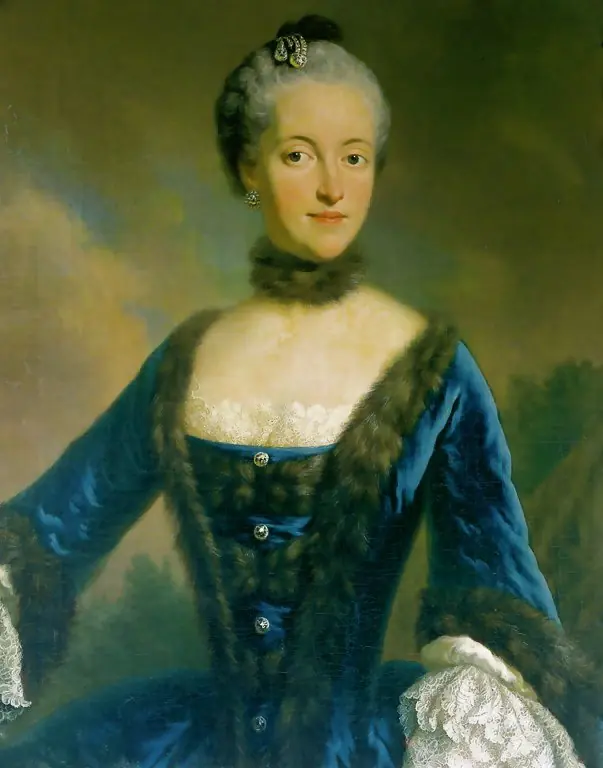 Portrait of Maria Josepha of Bavaria (1739-1767)
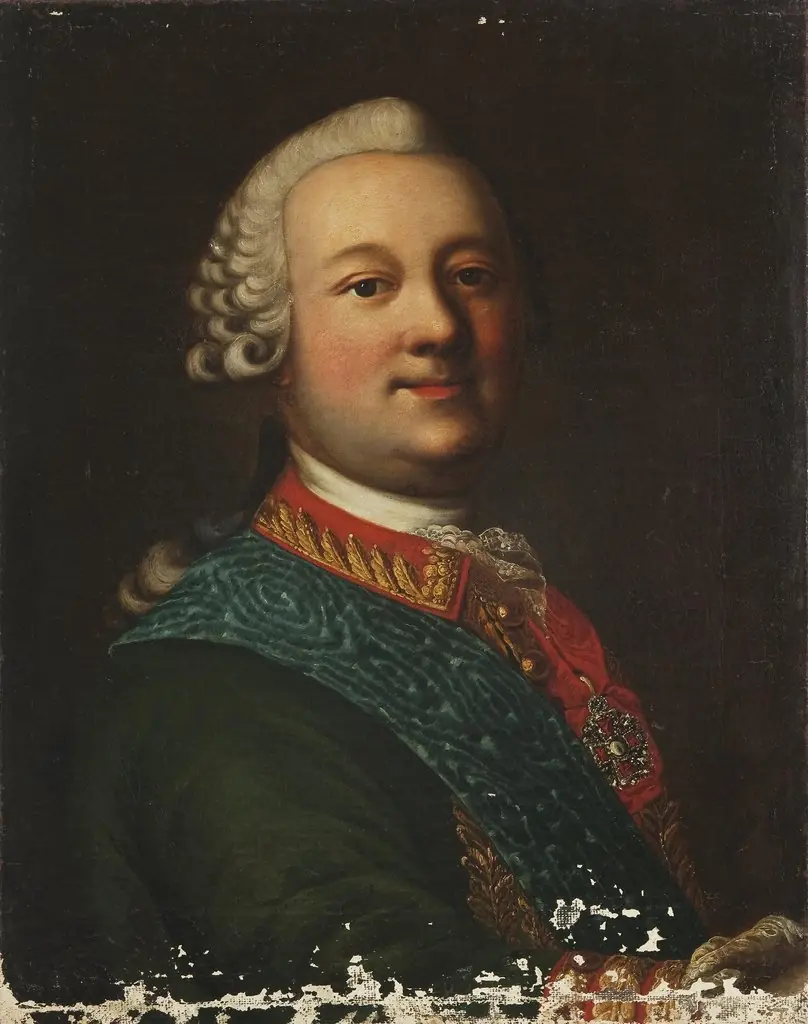 Portrait of Count Piotr Panin
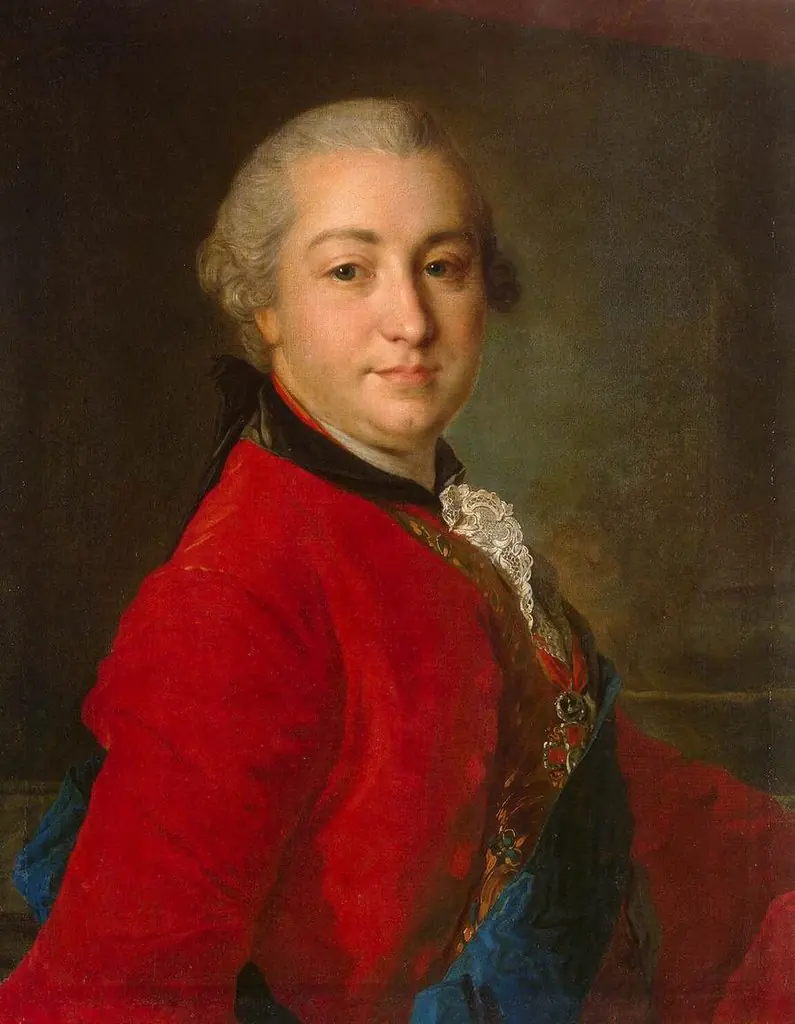 Portrait of Count Ivan Ivanovich Shuvalov
 Portrait of Kyrylo Rozumovsky
 Portrait of Augustus III the Saxon, King of Poland
 Portrait of Augustus III
 Portrait of Augustus III (1696–1763), King of Poland
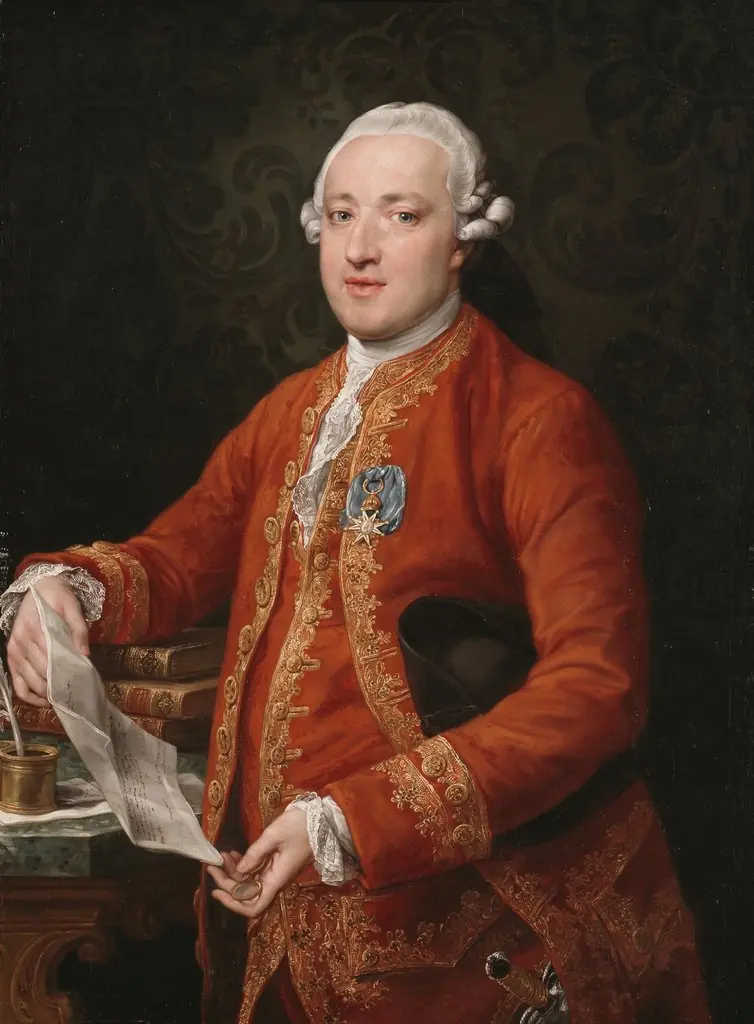 Don José Moñino y Redondo, Conde de Floridablanca
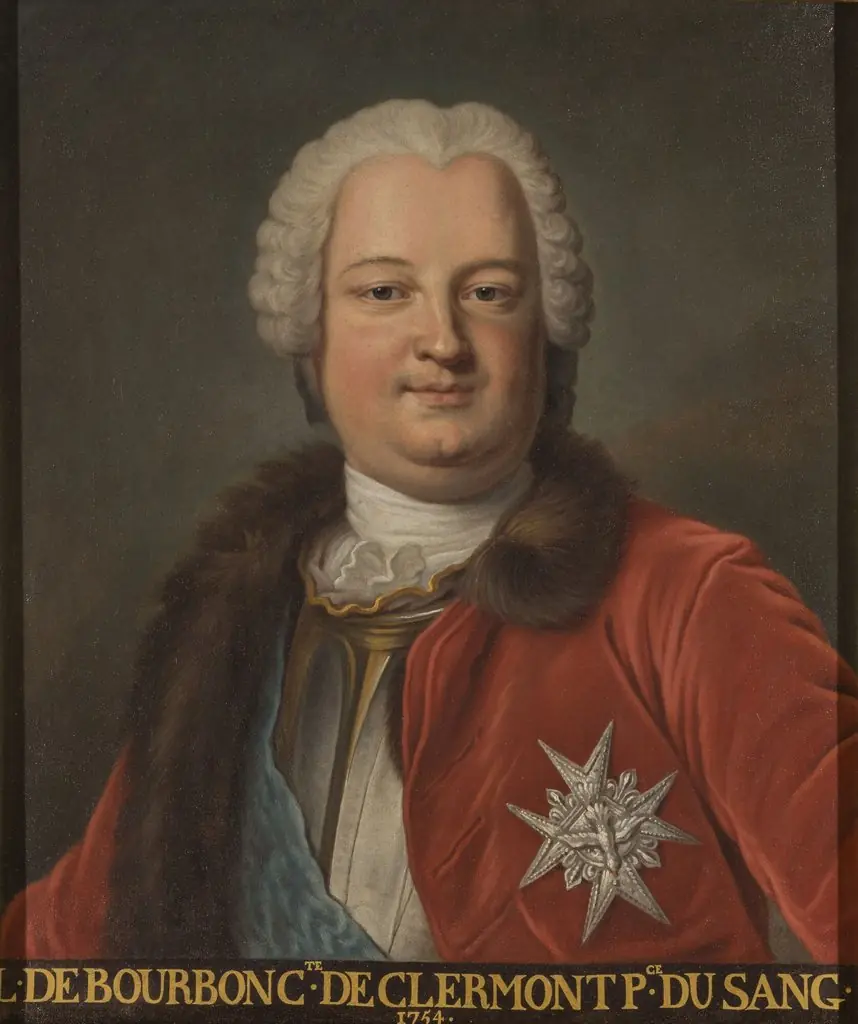 Louis de Bourbon-Condé, Count of Clermont
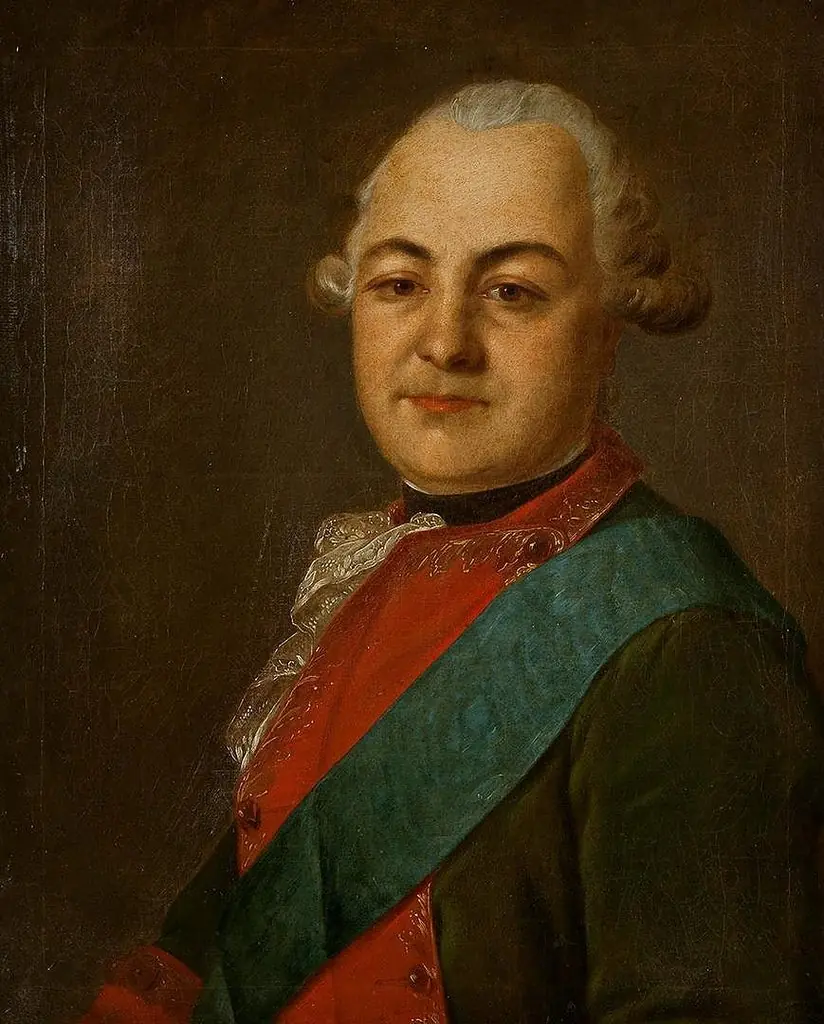 Portrait of Alexander Ilyich Bibikov
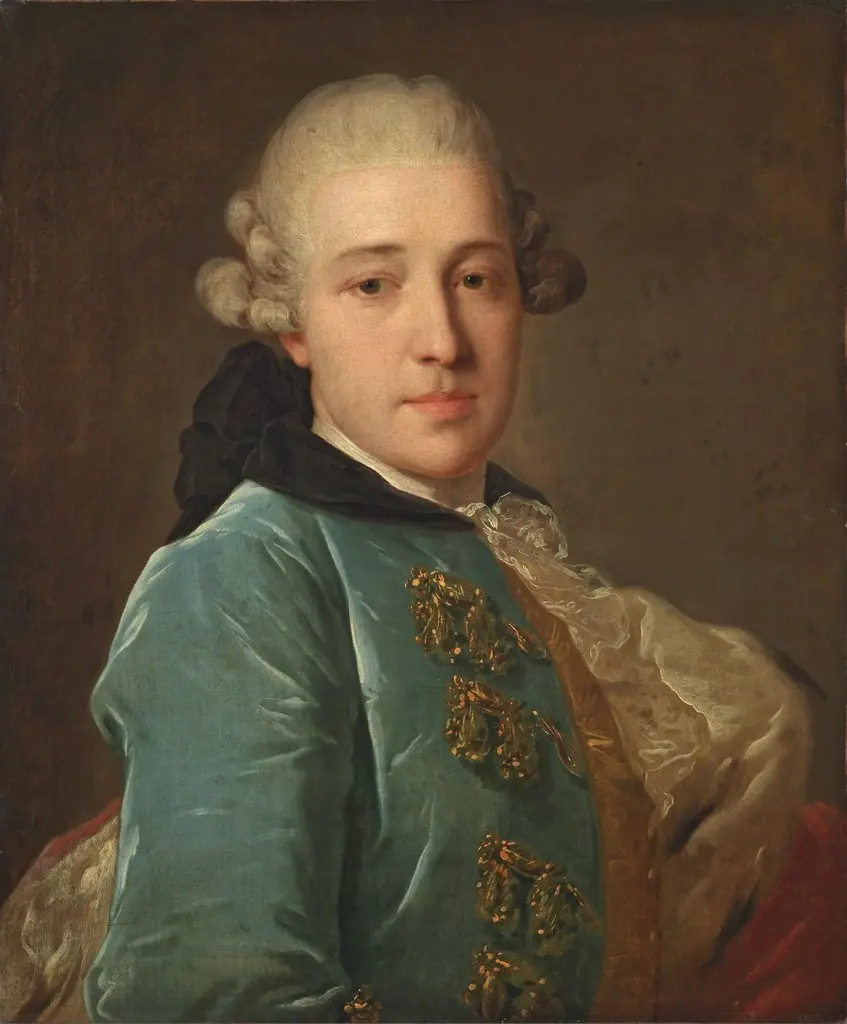 Portrait of Prince Dmitry Mikhailovich Golitsyn
 Portrait of Paweł Karol Sanguszka (1680–1750), Grand Marshal of Lithuania