Artwork
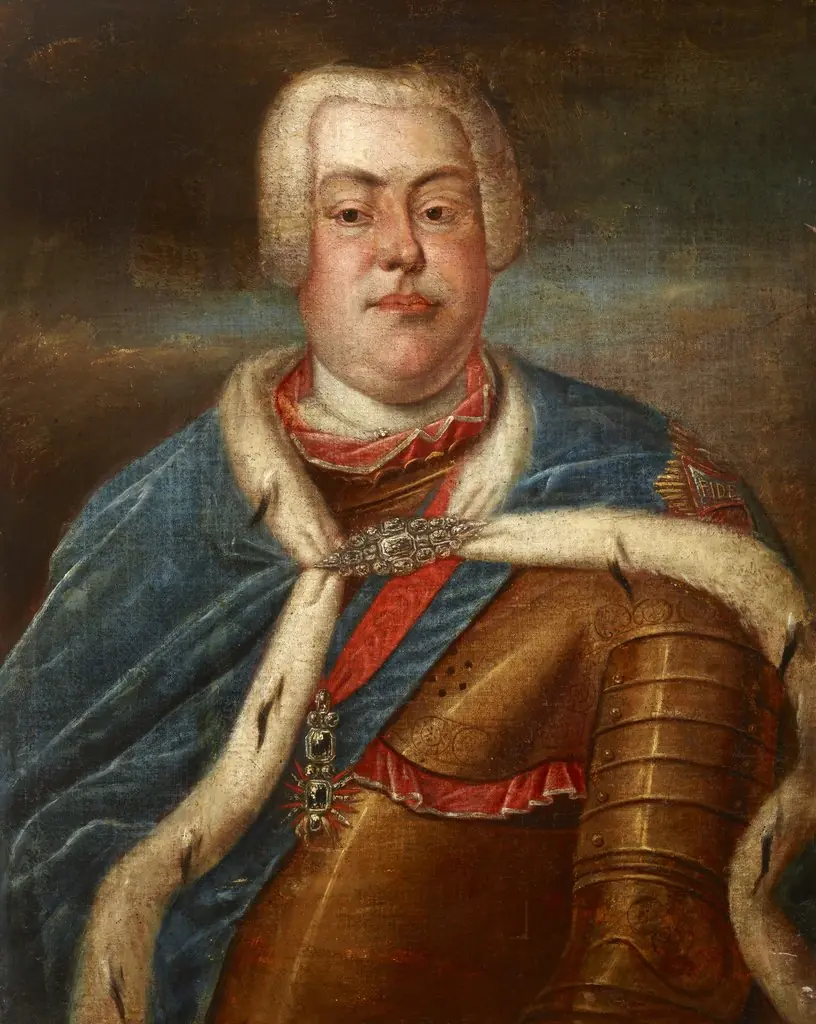
Portrait of Paweł Karol Sanguszka (1680–1750), Grand Marshal of Lithuania
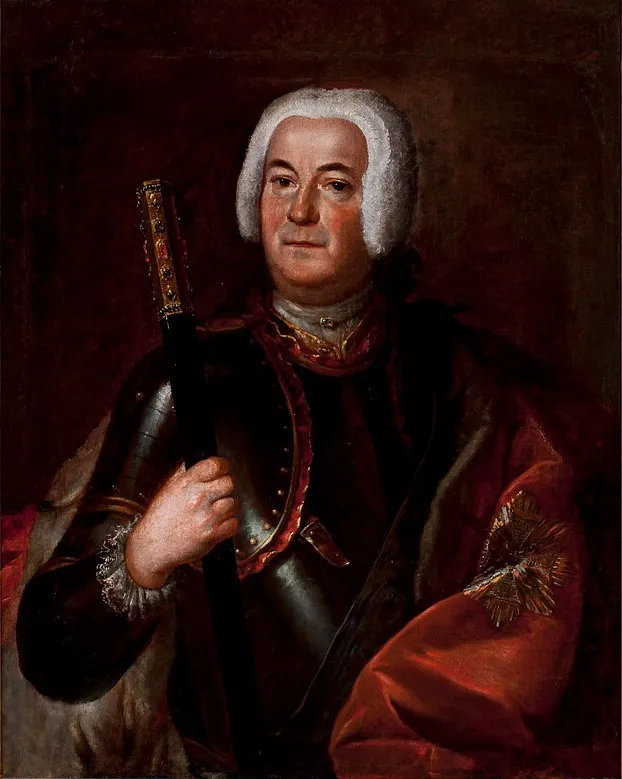
Portrait of Paweł Karol Sanguszka (1680–1750), Grand Marshal of Lithuania is an oil painting by the Rococo painting artist Unknown. It dates from 1734 and is held in the collection of the National Museum in Warsaw. This oil painting depicts Paweł Karol Sanguszka, a prominent noble and Grand Marshal of Lithuania, in his later years.
About this work
Overview
This oil painting depicts Paweł Karol Sanguszka, a prominent noble and Grand Marshal of Lithuania, in his later years. Dressed in a dark military coat adorned with red trim and gold buttons, he is portrayed with solemn dignity. The composition emphasizes his authoritative presence through controlled lighting and minimal background detail, focusing attention on his figure and expression.
Subject & Meaning
Sanguszka is shown as a high-ranking military official, his sword held with both hands signaling readiness and authority. The serious expression and rigid posture convey gravitas befitting his role in the Polish-Lithuanian Commonwealth’s governance. The uniform and weapon are not merely decorative but markers of his institutional power and duty within the state’s military hierarchy.
Technique & Style
The artist employs chiaroscuro to model the figure with dramatic contrasts between light and shadow, enhancing the three-dimensionality of the coat and face.
The artist employs chiaroscuro to model the figure with dramatic contrasts between light and shadow, enhancing the three-dimensionality of the coat and face. Brushwork is precise in rendering textures—metallic buttons, coarse fabric, and fine hair—while the dark, indistinct background isolates the subject. This restrained approach reflects 18th-century portraiture’s emphasis on status over ornamentation.
History & Provenance
Painted during Sanguszka’s lifetime, the portrait likely originated in the Polish-Lithuanian Commonwealth’s aristocratic circles. It remained within the Sanguszka family for generations before entering institutional collections. Its survival through political upheavals underscores its significance as both a personal and dynastic artifact of the nobility.
Context
In the early 18th century, Lithuanian magnates like Sanguszka held substantial political and military influence within the Commonwealth. Portraits such as this served to affirm status and lineage amid weakening central authority. The emphasis on military attire reflects the era’s ongoing tensions and the nobility’s role as defenders of regional autonomy.
Legacy
The portrait endures as a documented representation of Lithuanian aristocratic identity during the late Baroque period. It contributes to scholarly understanding of how power was visually encoded in noble portraiture. Its preservation allows continued study of costume, gesture, and lighting conventions among Eastern European elites of the time.
Artist & collection

 Domestic Scene
 Giacomo and Cardinal Marco, investing Andrea, Abbot of San Zeno, with his Benefice
 The Nymph of Fontainebleau
 Portrait of a Woman
 Madonna and Child with Saints in the Enclosed Garden
 Venus and Minerva
 Family Group of Four on Sofa
 Wall painting from Room H of the Villa of P. Fannius Synistor at Boscoreale
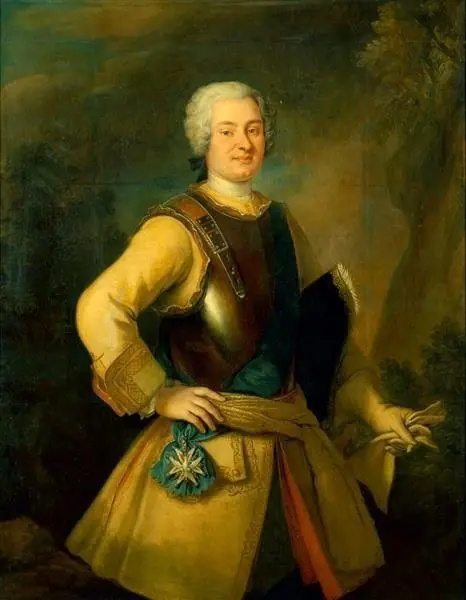 Graf Friedrich August von Rutowsky (1702-1764)
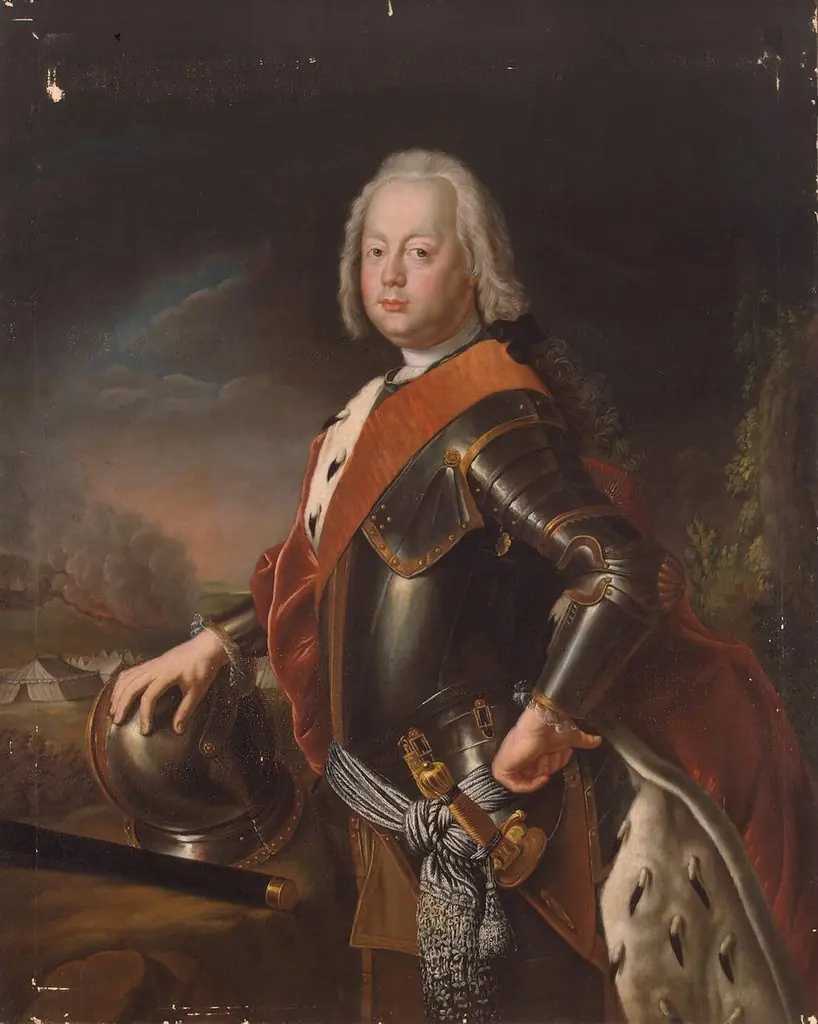 Portrait of Christian Augustus of Anhalt-Zerbst
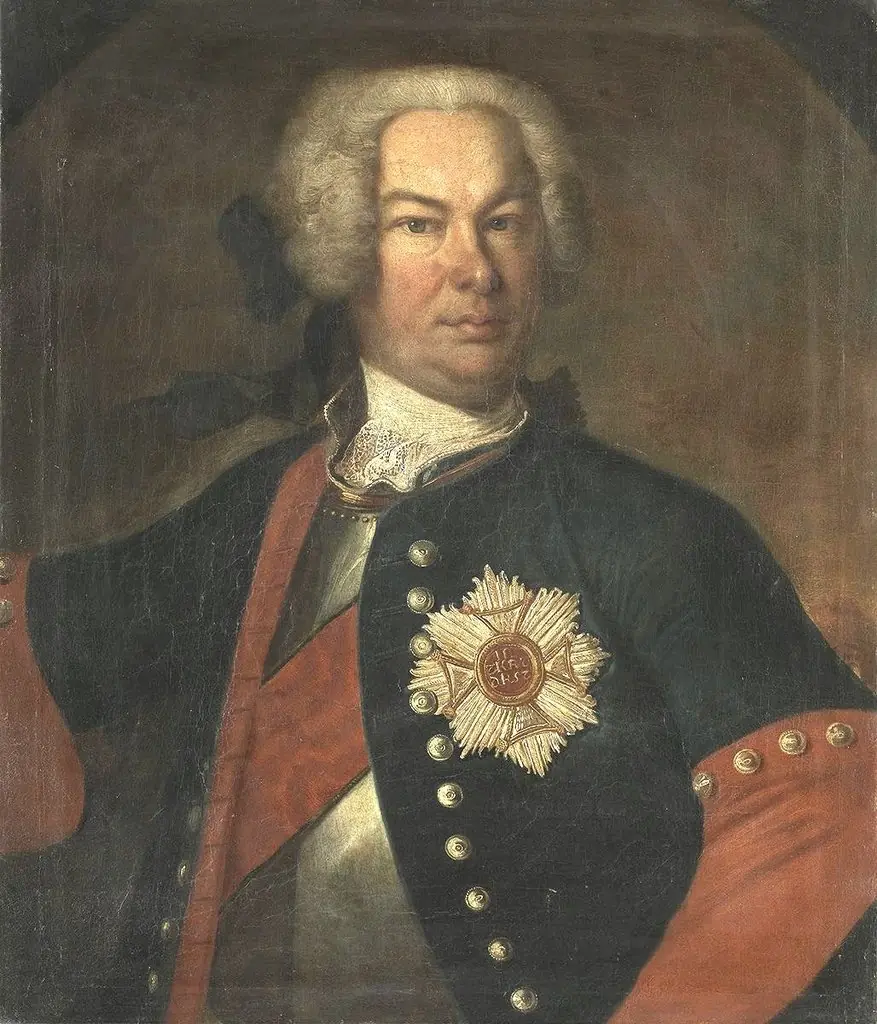 Johann Christian, Father of Carl Theodor of the Pfalz
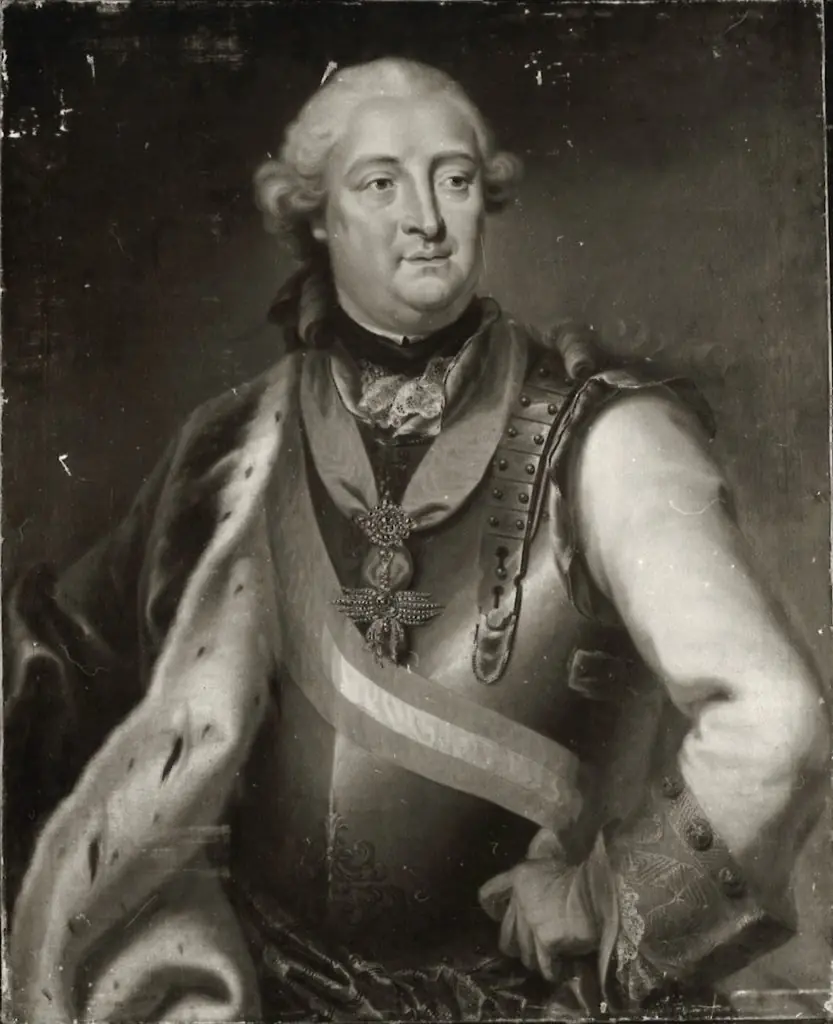 Bildnis des Karl August von Pfalz-Zweibrücken-Birkenfeld
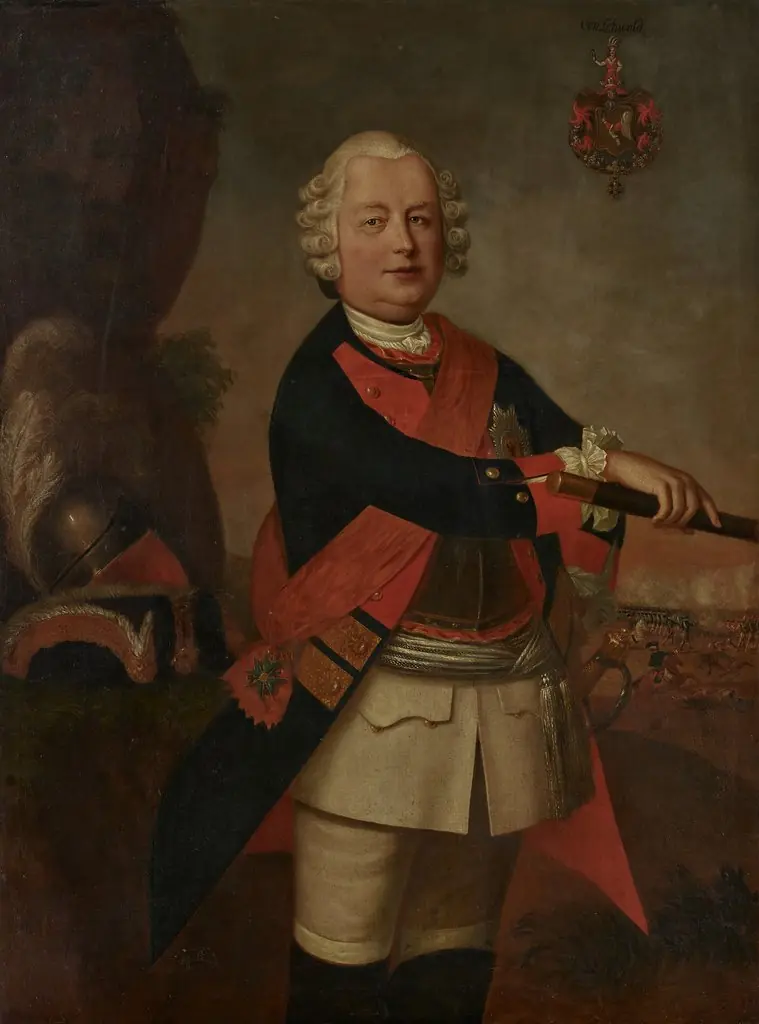 Lieutenant General Johann (Hans) von Lehwald
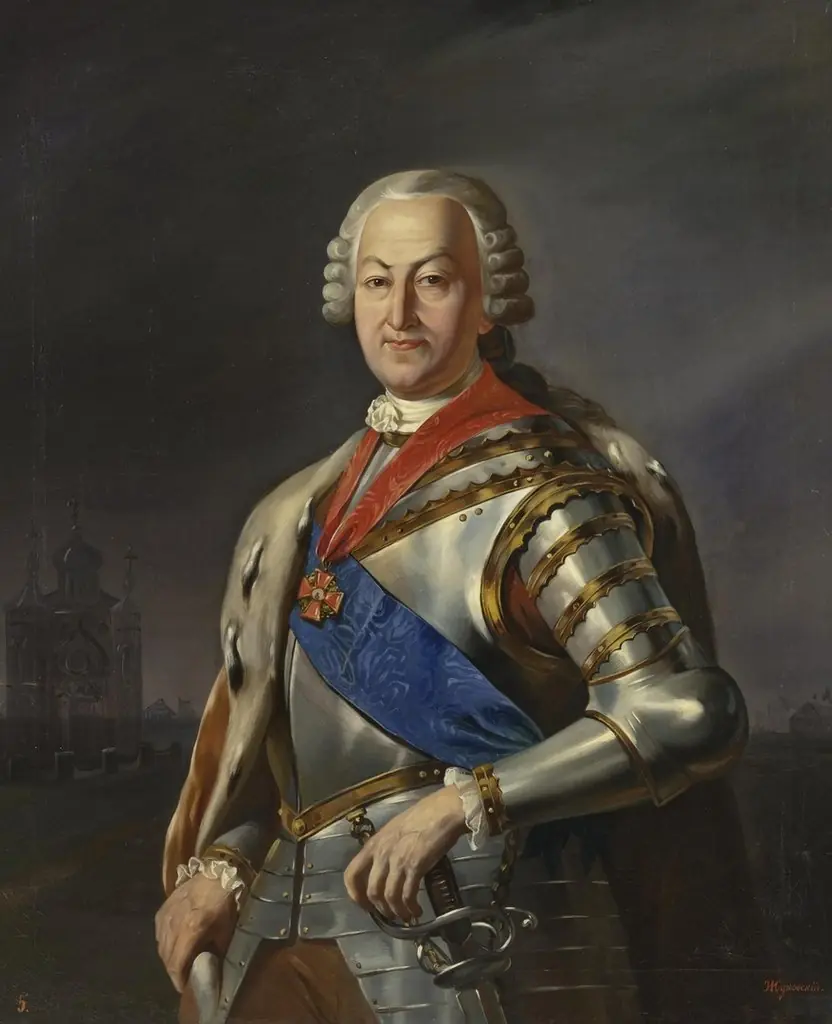 Portrait of Mikhail Golitsyn
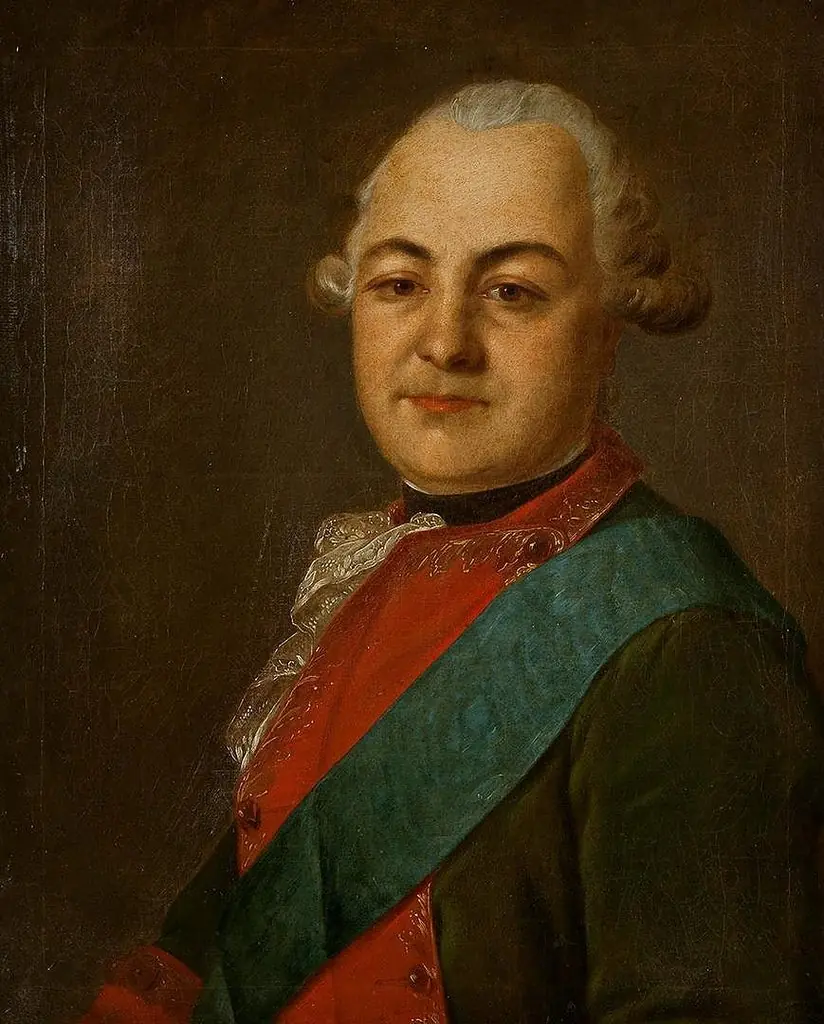 Portrait of Alexander Ilyich Bibikov
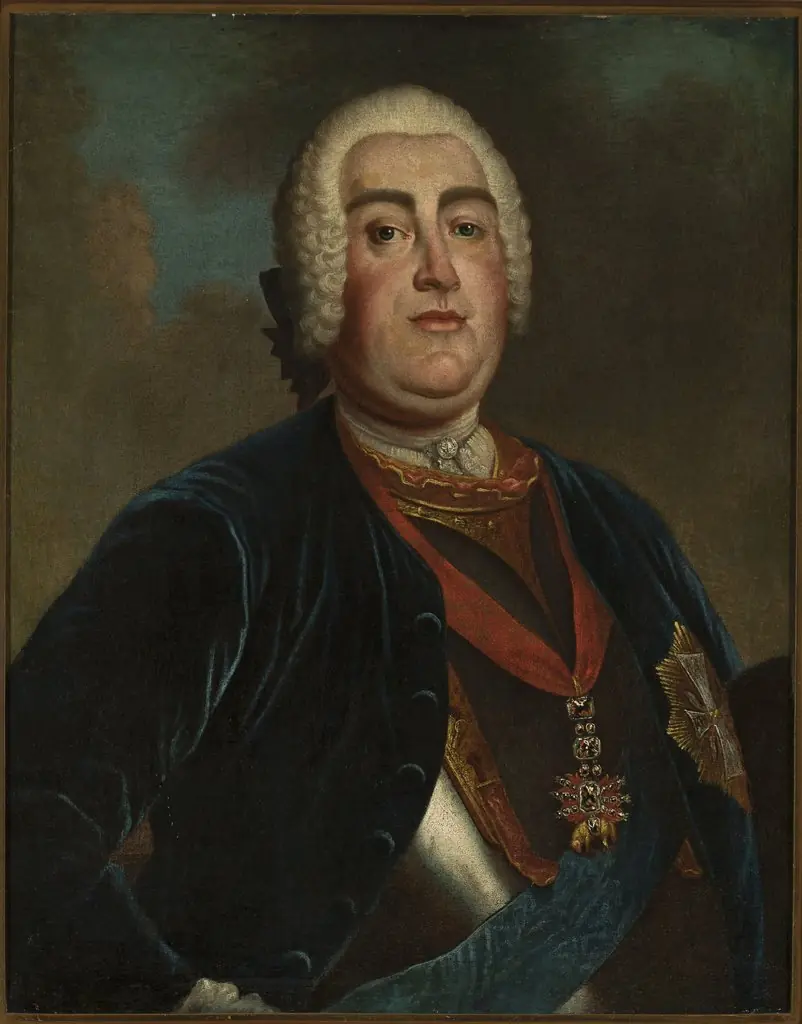 Portrait of Augustus III
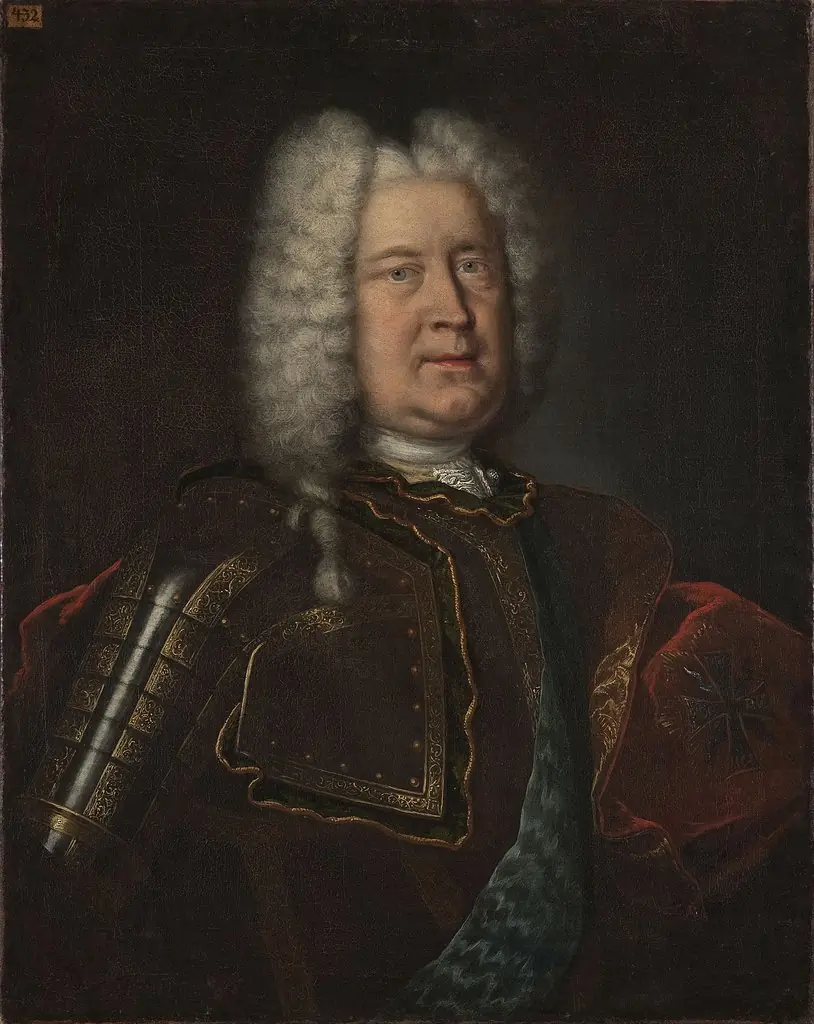 Portrait of a man
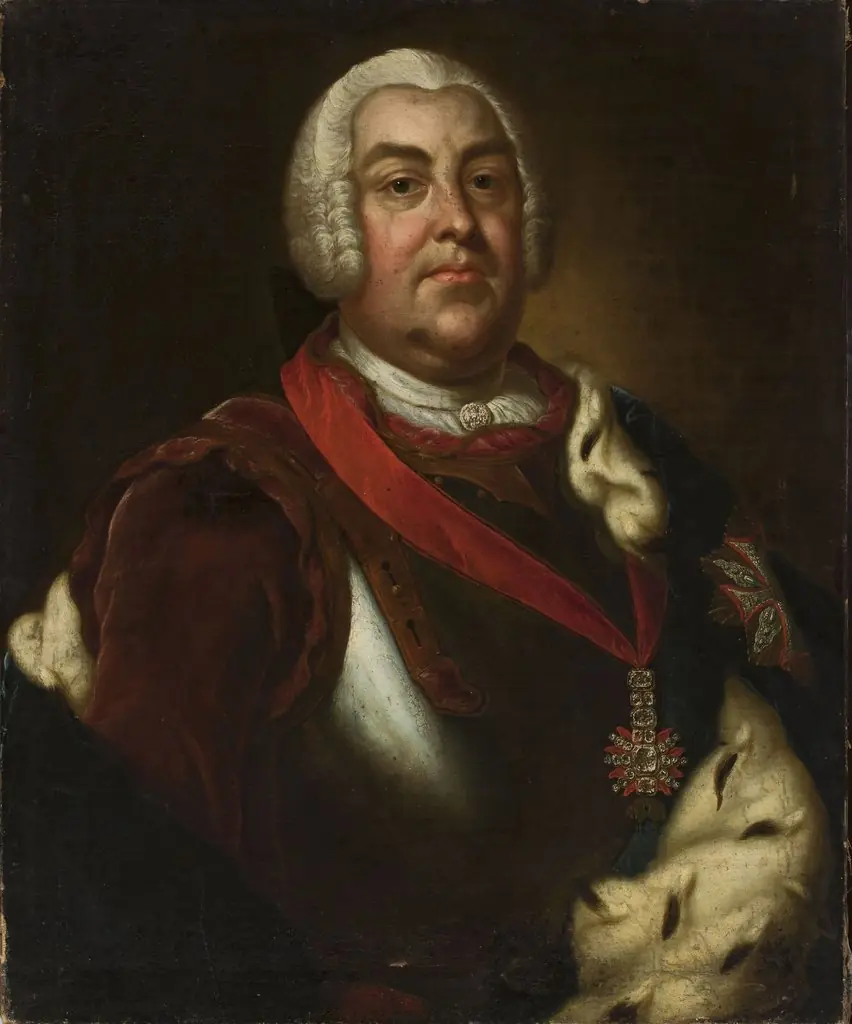 Portrait of Augustus III the Saxon, King of Poland
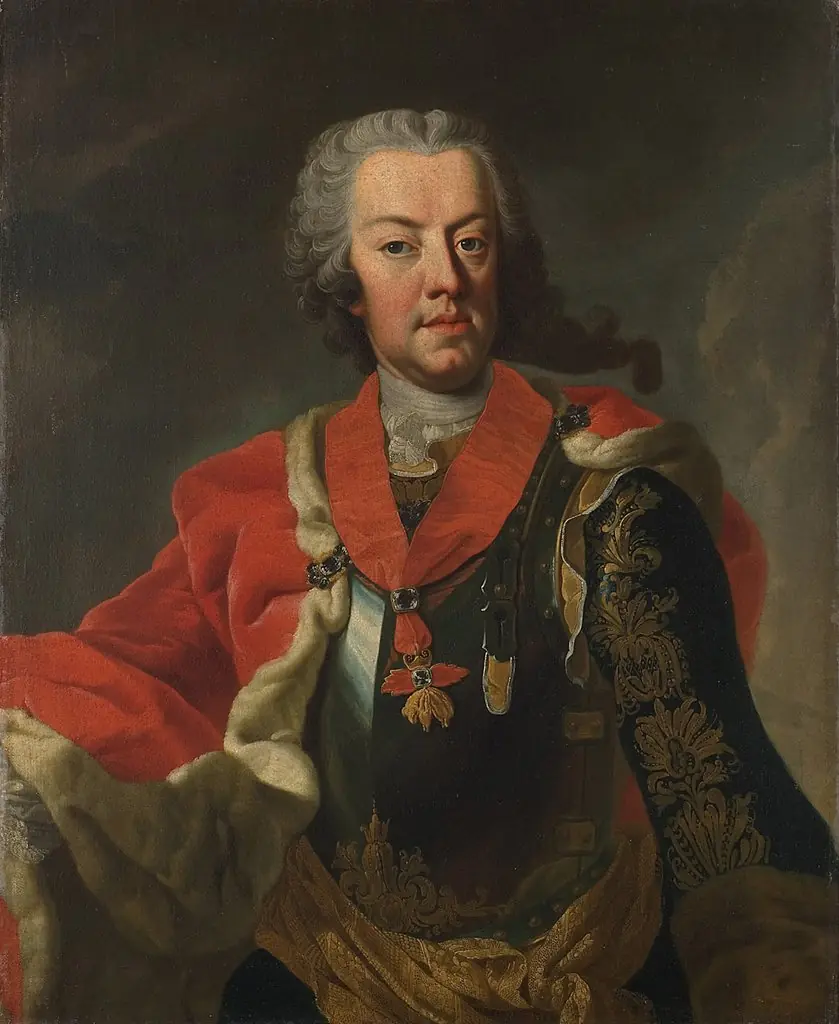 Herzog Karl Alexander von Lothringen (1712-1780), Brustbild
 Portrait of Augustus III of Saxony (1696–1763), King of Poland in 1733–1763