Artwork
Maximilian II, Roman Emperor
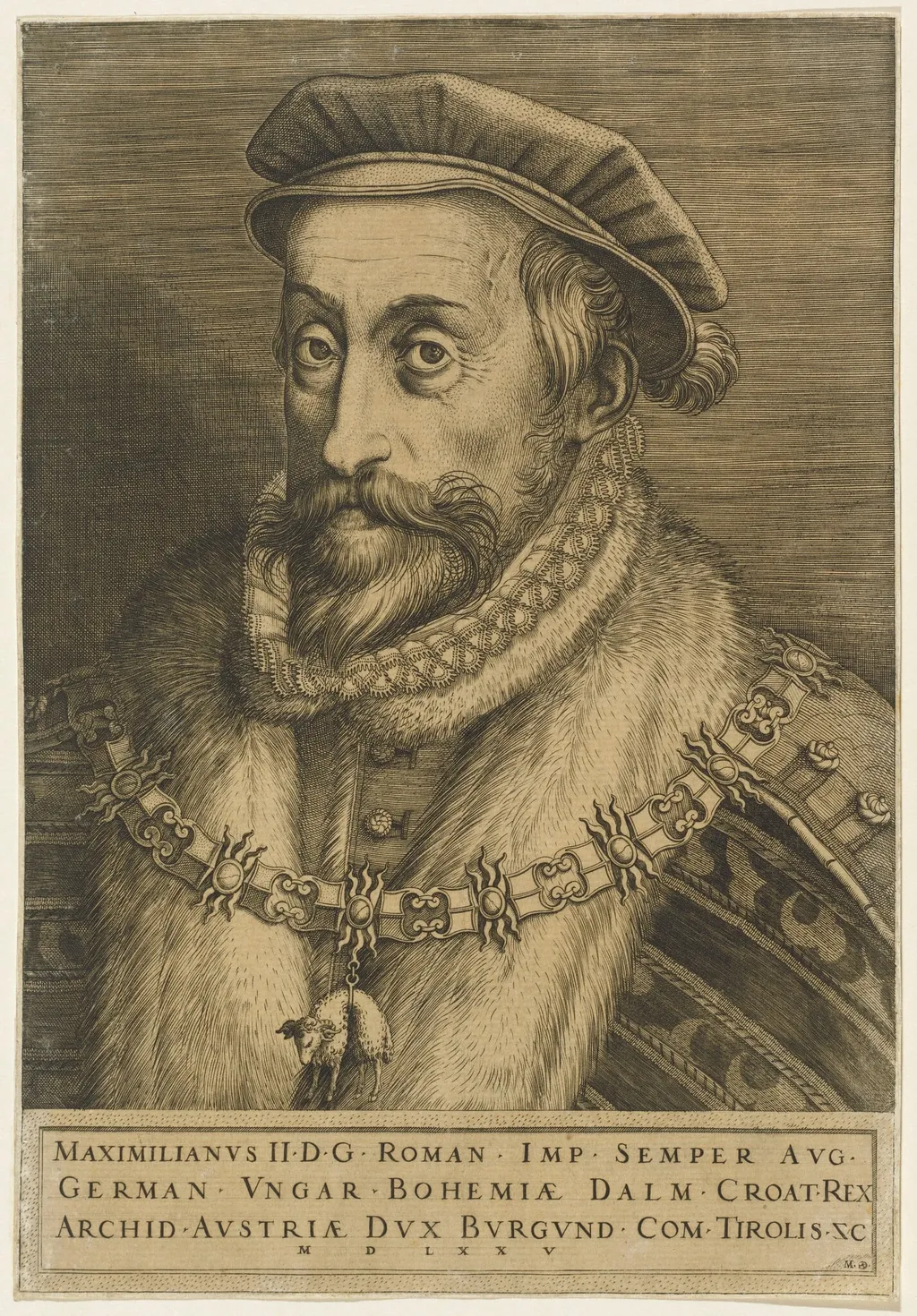
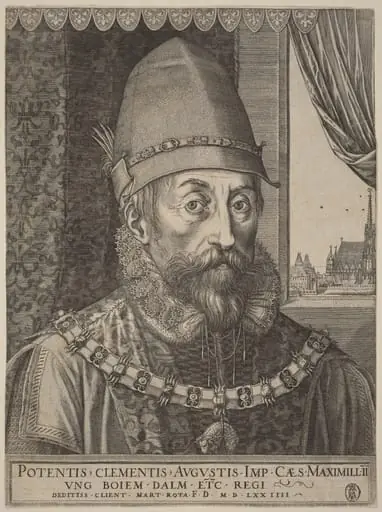
Maximilian II, Roman Emperor is an ink print by the Renaissance artist Martino Rota. It dates from 1575 and is held in the collection of the National Gallery of Art.
About this work
Overview
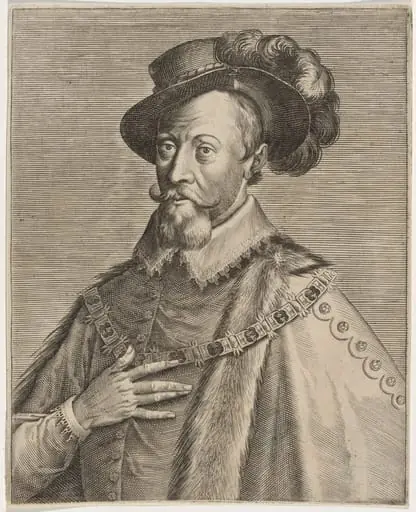
This 1575 engraving, *Maximilian II, Roman Emperor*, is a work by Martino Rota, a Dalmatian engraver active in Venice, Rome, and Vienna. The piece portrays the emperor in formal attire, highlighting Rota's skill in capturing detail through the challenging medium of engraving.
Subject & Meaning
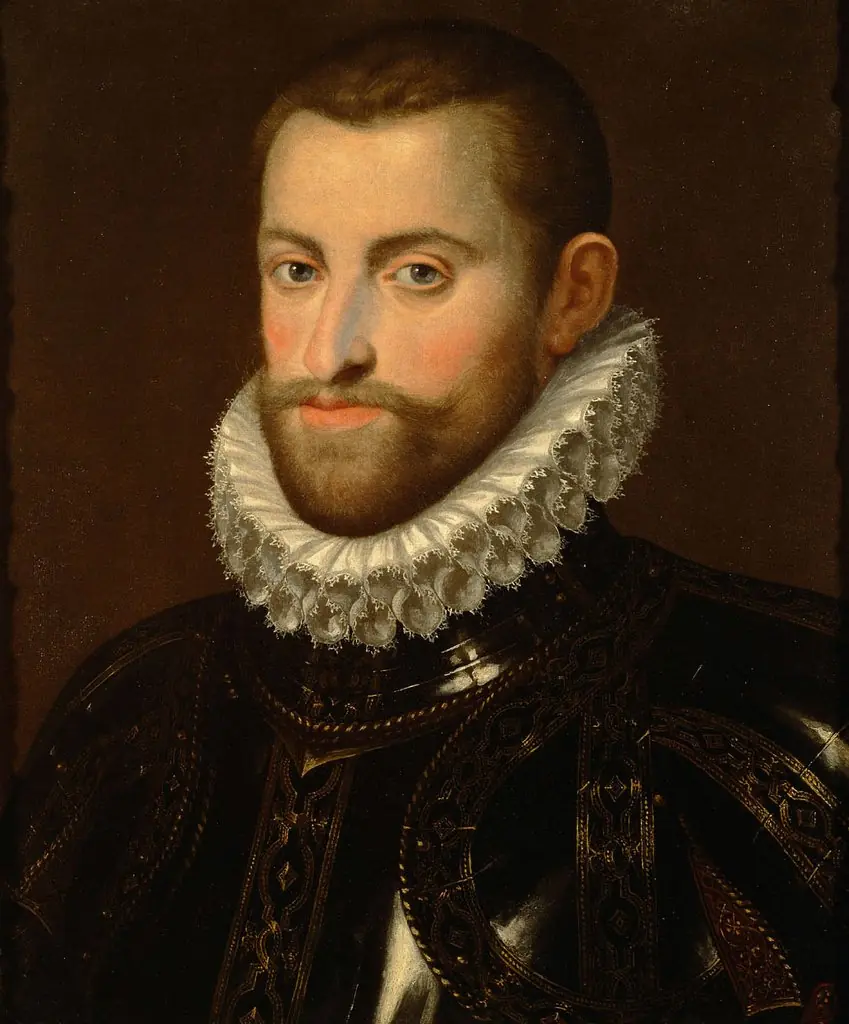
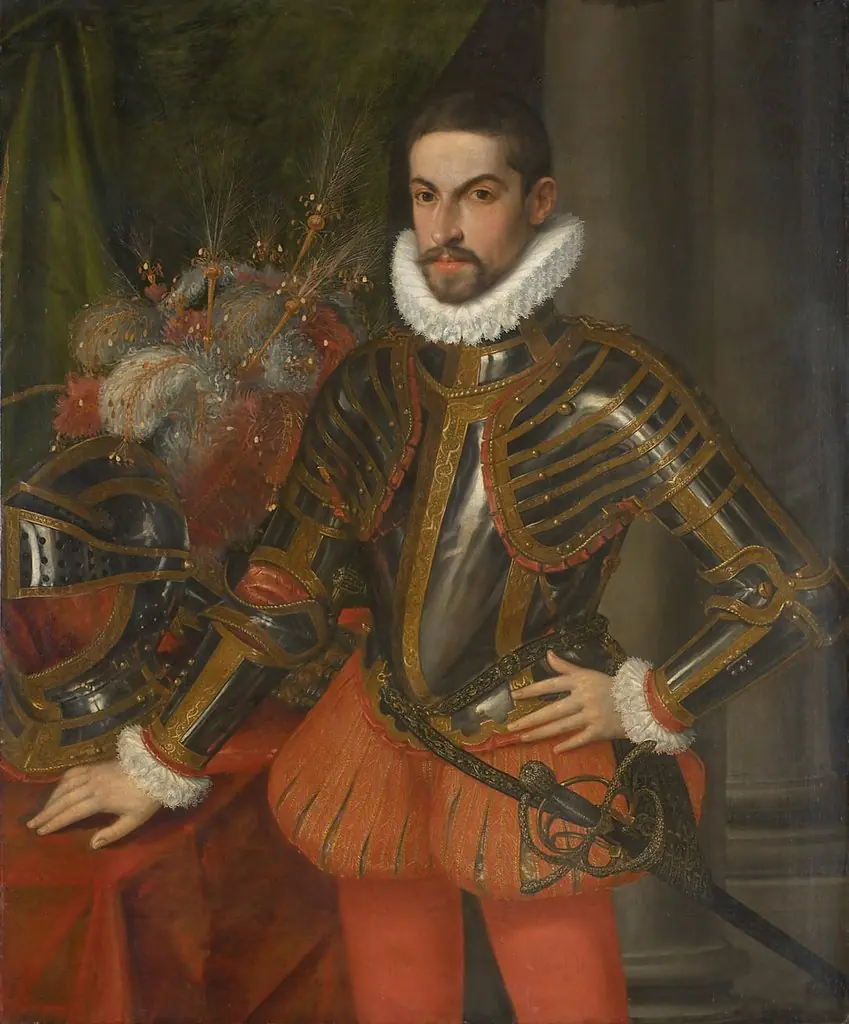
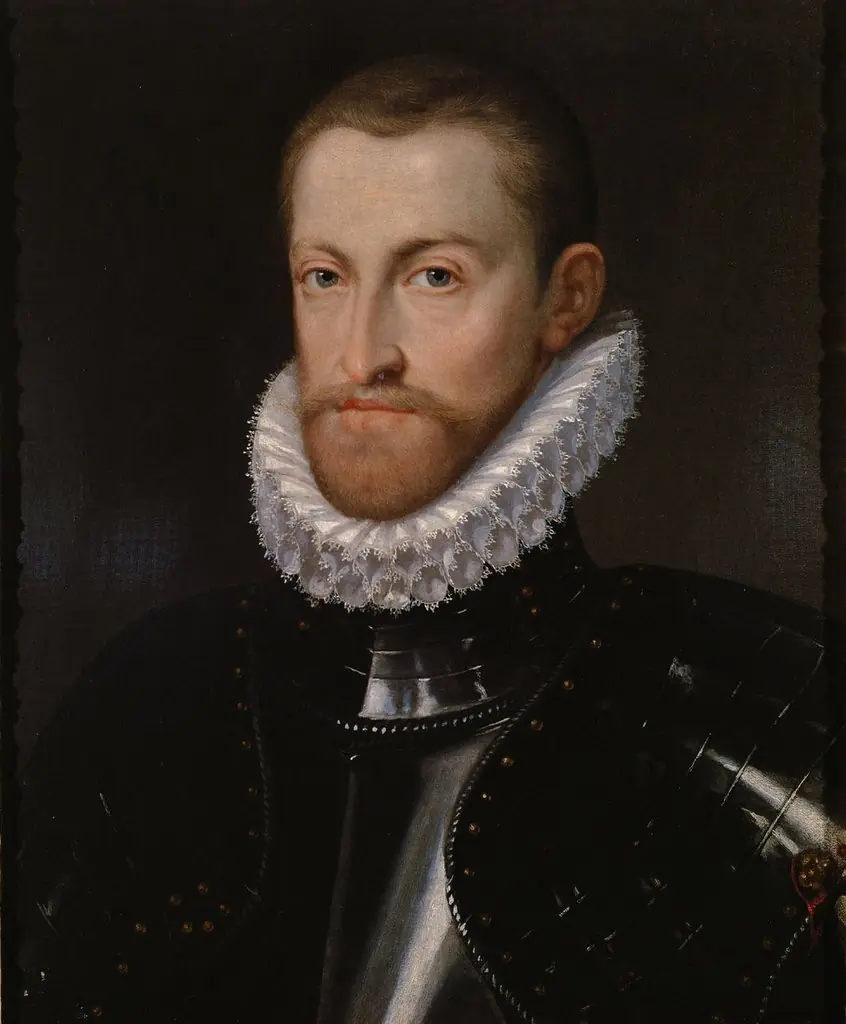
The engraving depicts Maximilian II in imperial regalia, complete with elaborate armor and a baton, symbolizing his authority. The stiff, ruffled collar, resembling a white plate, adds to the formal, ceremonial atmosphere of the portrait.
Technique & Style
Executed on a metal plate, the engraving showcases Rota's mastery of a technically demanding process. Lines were meticulously cut into the plate with specialized tools, followed by inking and printing via pressure on paper, a method prone to irreparable errors.
History & Provenance
Created in 1575 by Martino Rota, the engraving's provenance is not detailed here, though its creation reflects Rota's established practice of producing prints in major European cities.
Context
Part of a broader tradition of portrait engraving in 16th-century Europe, *Maximilian II, Roman Emperor* exemplifies the use of engraving for disseminating images of rulers across a wide audience.
Legacy
While specific influence of this piece is not highlighted, it contributes to the broader legacy of Martino Rota's engraving work, encouraging interest in his technique and oeuvre.
Artist & collection
Artist
Martino Rota, also Martin Rota and Martin Rota Kolunić (c. 1520–1583) was an artist, now mainly known for his printmaking, from Dalmatia. Martino Rota was born in about the year 1520 in Šibenik (Sebenico), Dalmatia.…