Artwork
Jakobus-Stephanus-Altar: Der Leichnam des Jakobus wird vor Königin Lupa gebracht
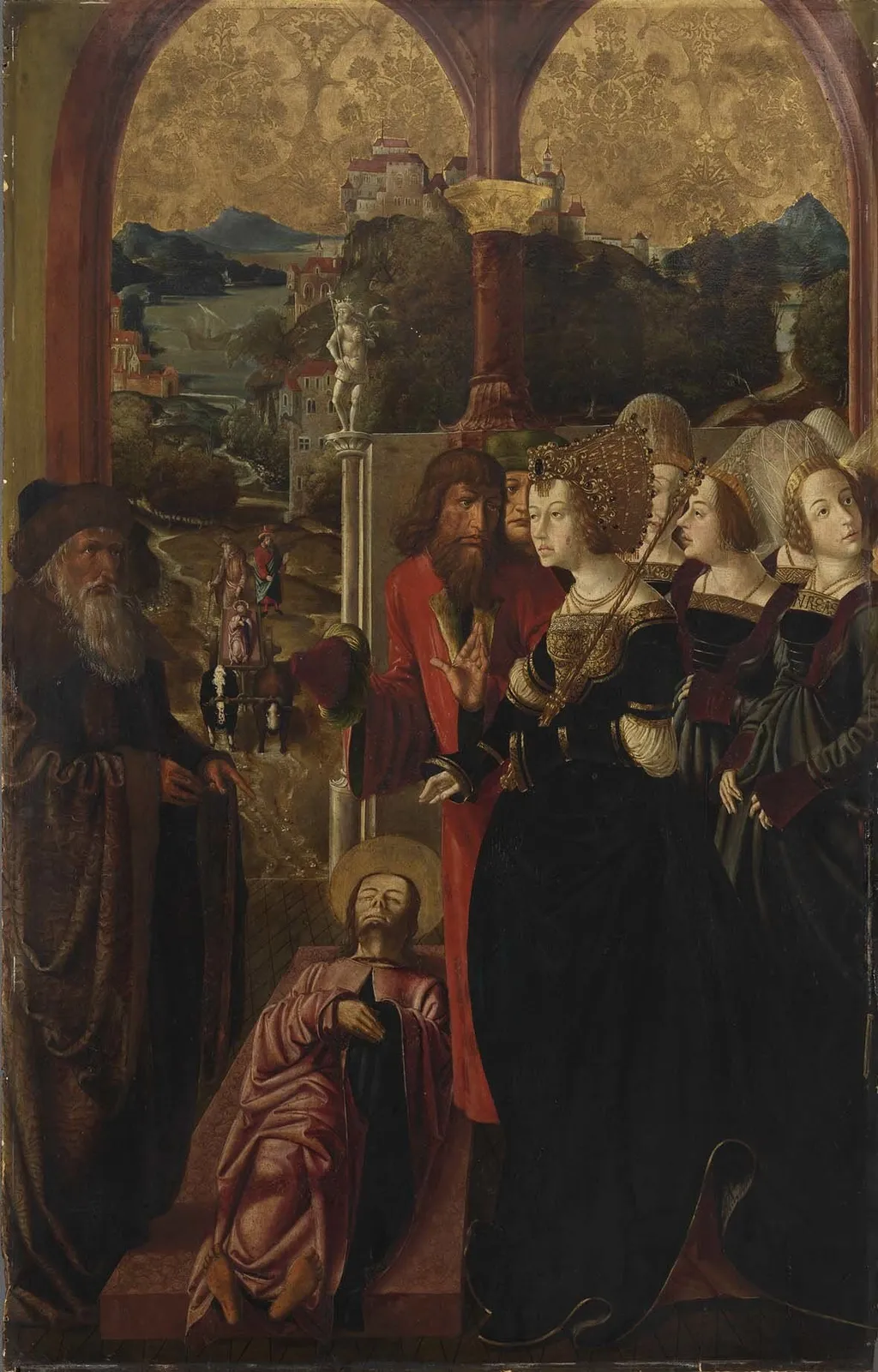
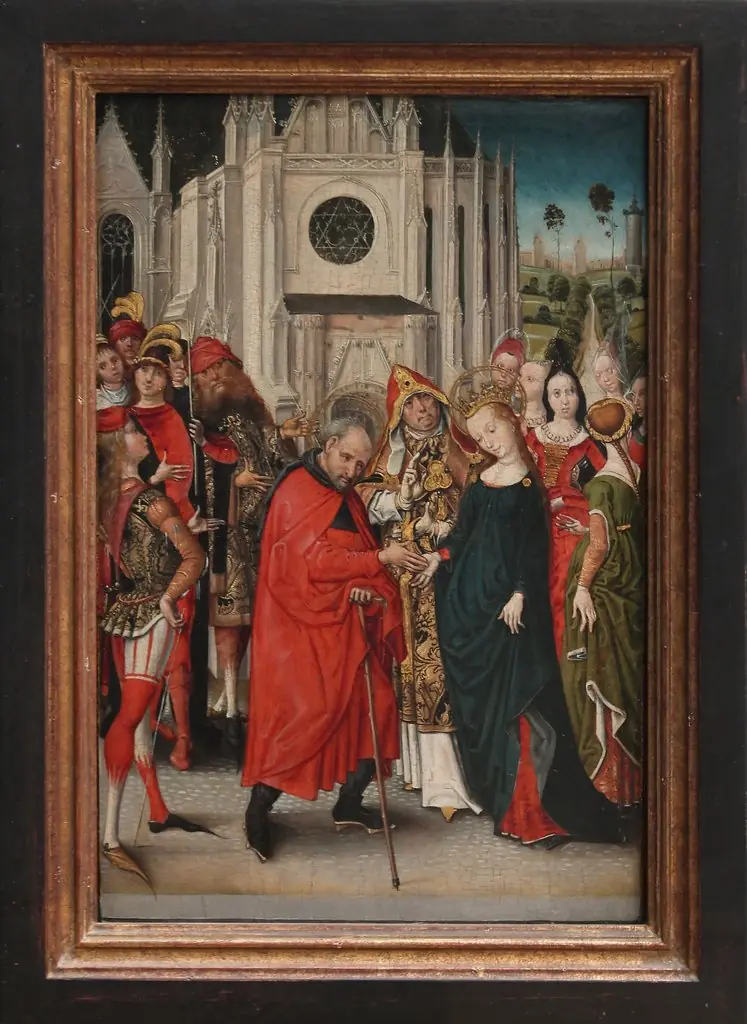
Jakobus-Stephanus-Altar: Der Leichnam des Jakobus wird vor Königin Lupa gebracht is an unspecified painting by the Northern Renaissance artist Marx Reichlich. It dates from 1506 and is held in the collection of the Bavarian State Painting Collections.
About this work
Overview
Marx Reichlich, an Austrian painter whose career spanned the late 15th and early 16th centuries, completed the work titled *Jakobus‑Stephanus‑Altar: Der Leichnam des Jakobus wird vor Königin Lupa gebracht* in 1506. Executed as part of a larger devotional ensemble, the panel now belongs to the collection of the Alte Pinakothek in Munich.
Subject & Meaning
The composition illustrates a moment from the legend of Saint James, whose corpse is presented before the mythic Queen Lupa. The narrative focus rests on the solemn presentation of the saint’s body, surrounded by attendants whose gestures convey reverence and curiosity.
Technique & Style
Rendered in the Northern Renaissance idiom, the painting combines meticulous detail with a layered spatial arrangement. An arched window frames a distant cityscape, while the foreground figures are clothed in richly patterned garments; the central saint wears a black dress topped by a gold crown, emphasizing his sanctified status.
History & Provenance
Created during Reichlich’s mature period, the panel was likely intended for a local chapel or altar dedicated to Saint James. Over the centuries it entered various private and institutional collections before being acquired by the Alte Pinakothek, where it remains on display.
Context
The work reflects the devotional practices of early 16th‑century Austria, where saints’ lives were visualized to inspire piety. Its detailed architecture and landscape echo contemporary interests in realistic space and the integration of biblical narrative with recognizable urban settings.
Artist & collection
Artist
Marx Reichlich (1460–1520) was an Austrian painter. Reichlich was a painter of primarily religious works. He painted a number of traditional scenes as commissions for churches, including "Adoration of the Magi", and…

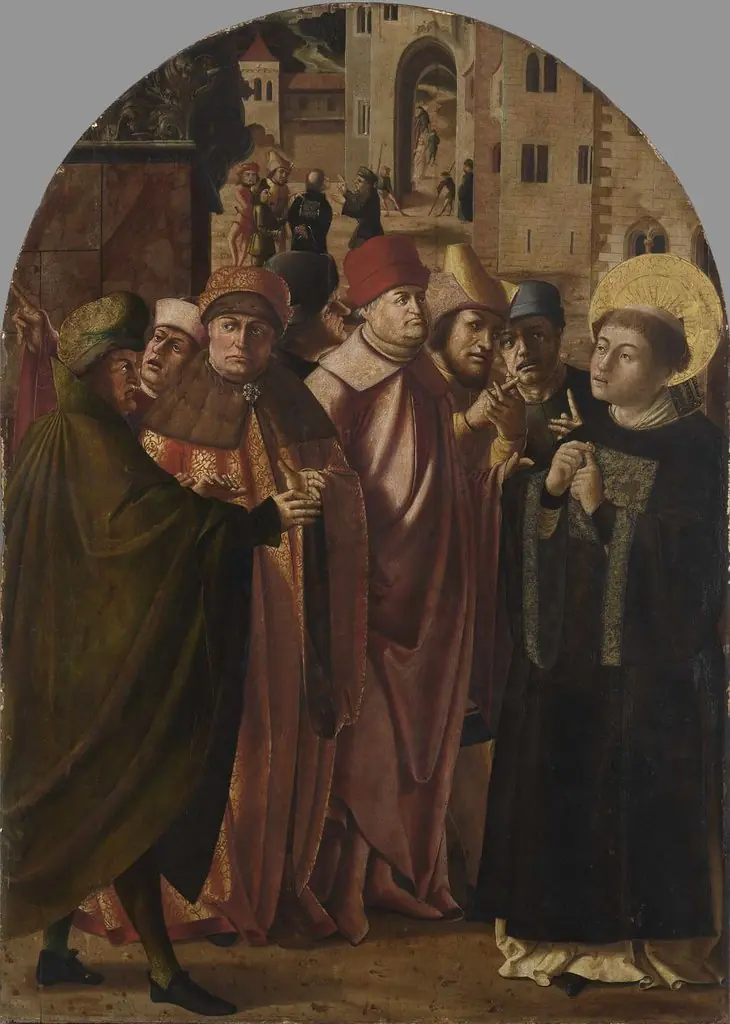 Jakobus-Stephanus-Altar: Disputation des hl. Stephanus
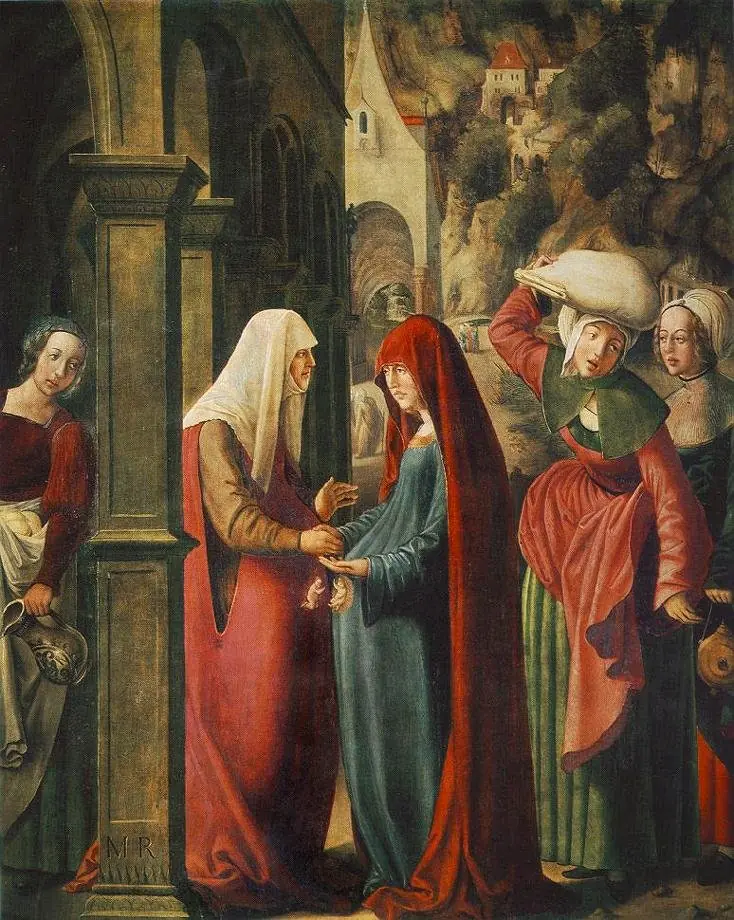 Meeting of Mary and Elisabeth
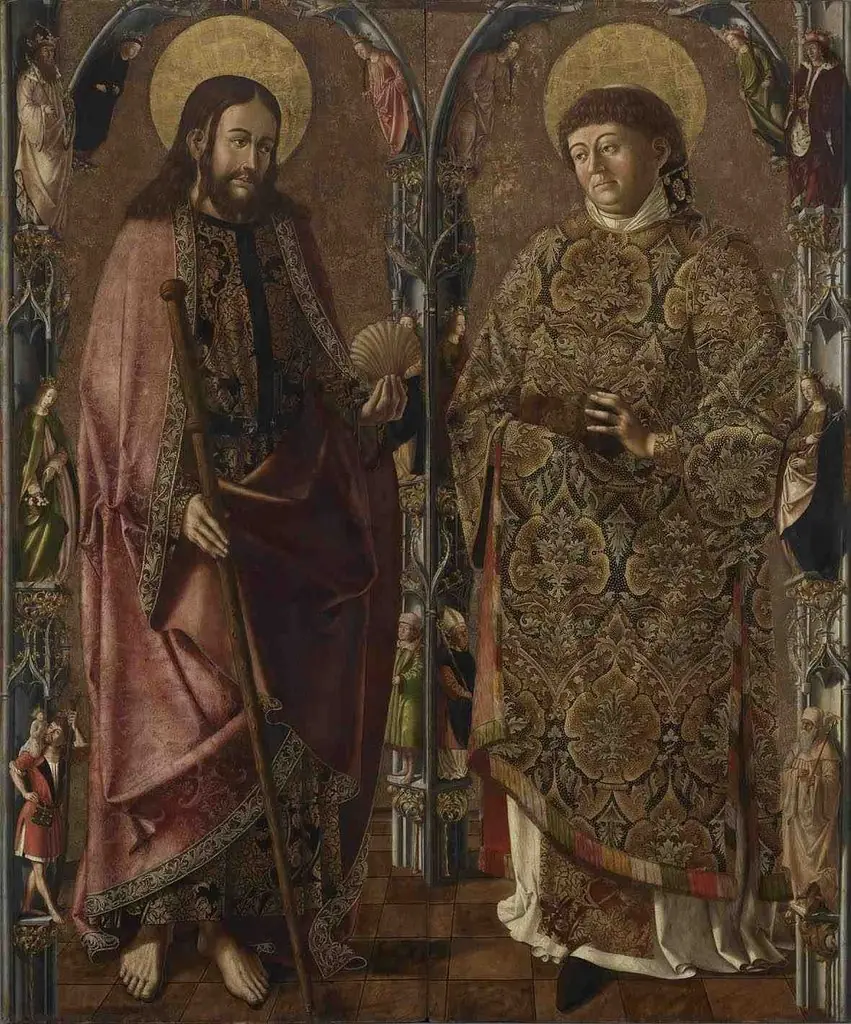 Jakobus-Stephanus-Altar: Die hll. Jakobus und Stephanus
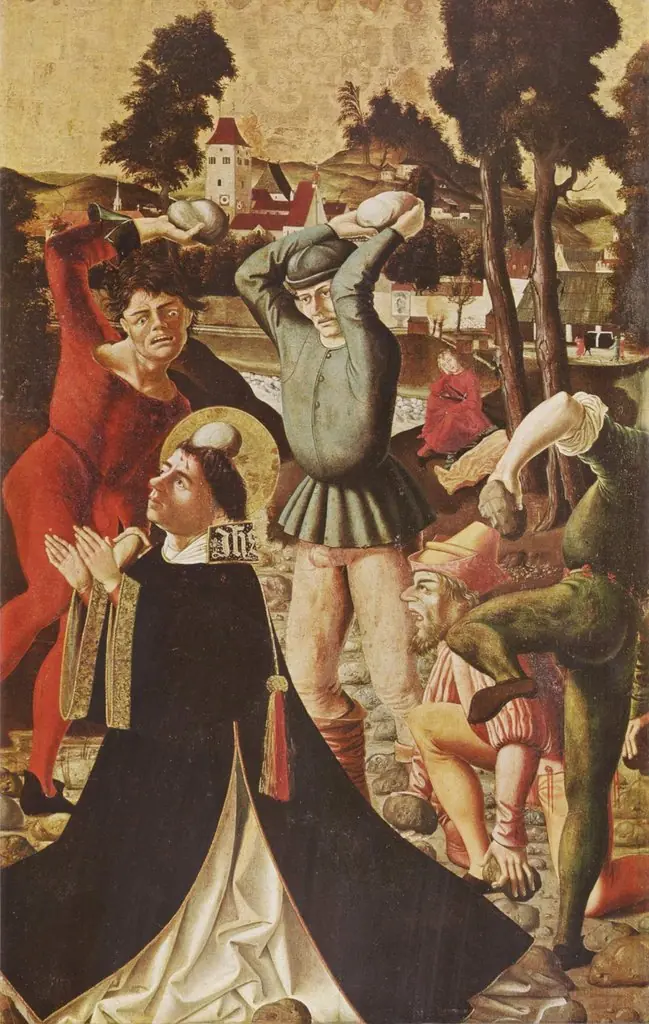 Jakobus-Stephanus-Altar: Steinigung des hl. Stephanus
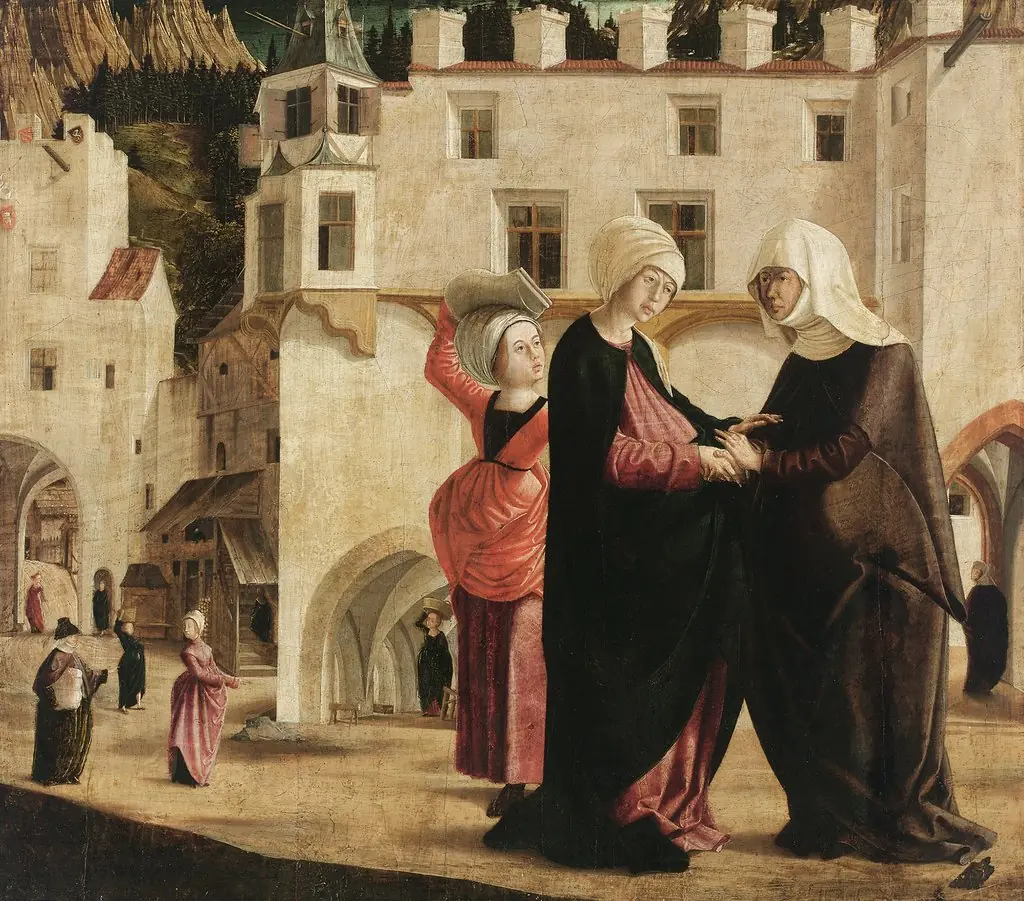 The visitation
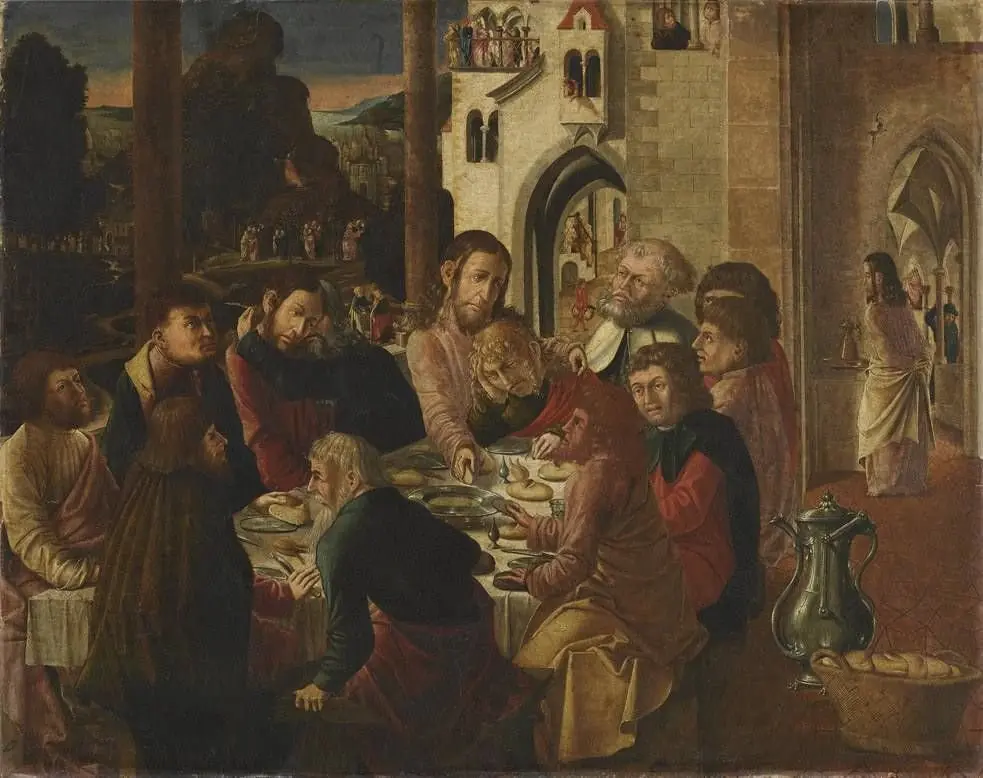 Jacob-Stephen (?): the Last Supper
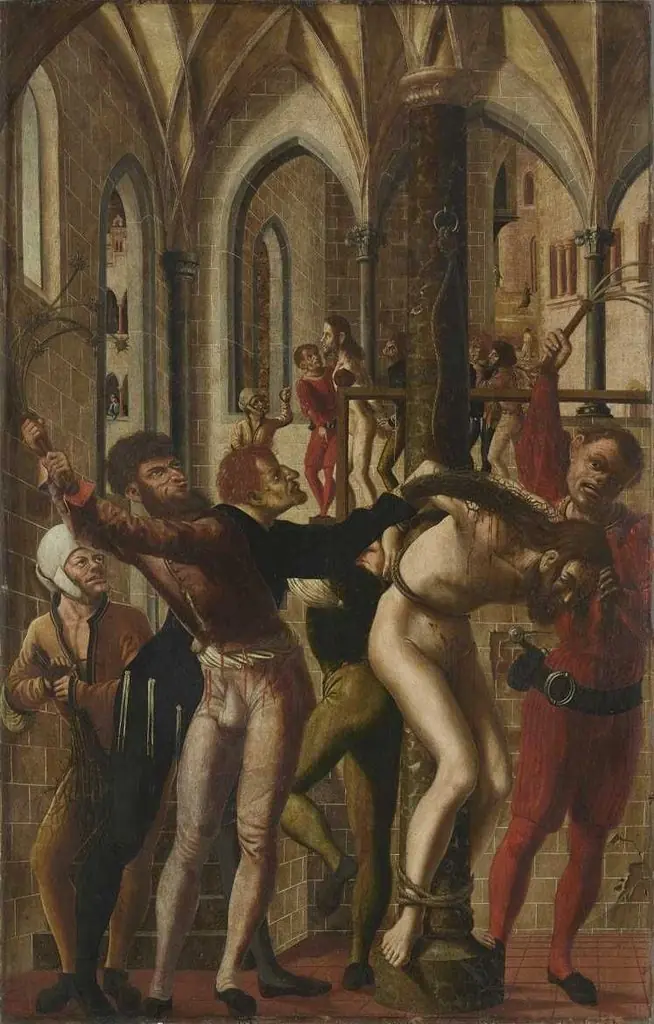 Jakobus-Stephanus-Altar: Geißelung Christi
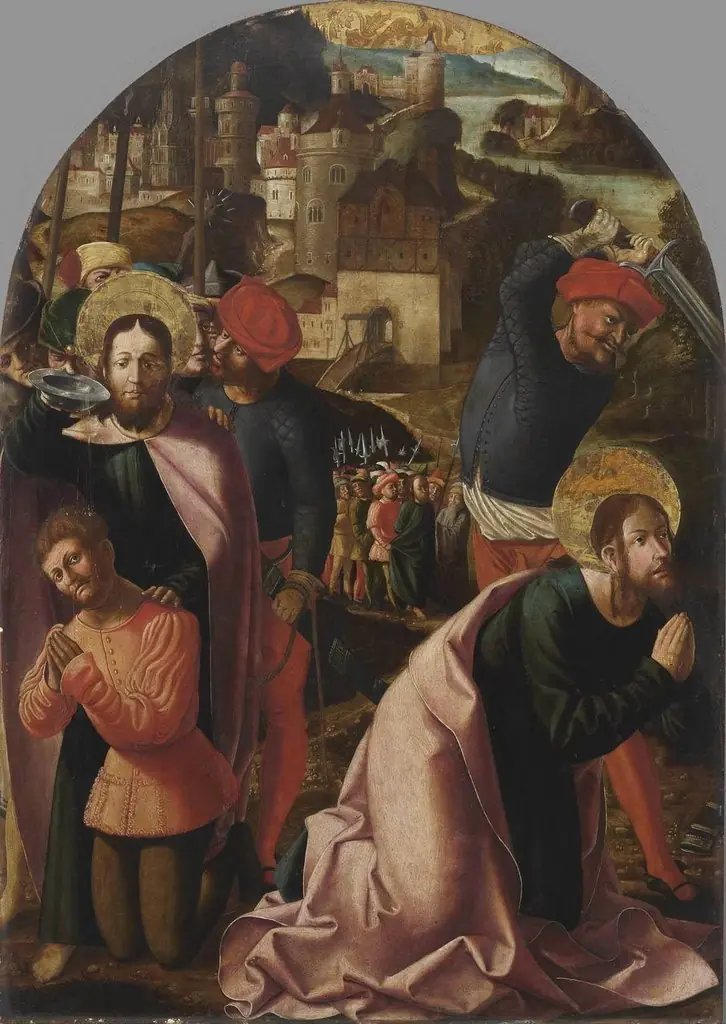 Jakobus-Stephanus-Altar: Der hl. Jakobus tauft Josias und Hinrichtung des Jakobus
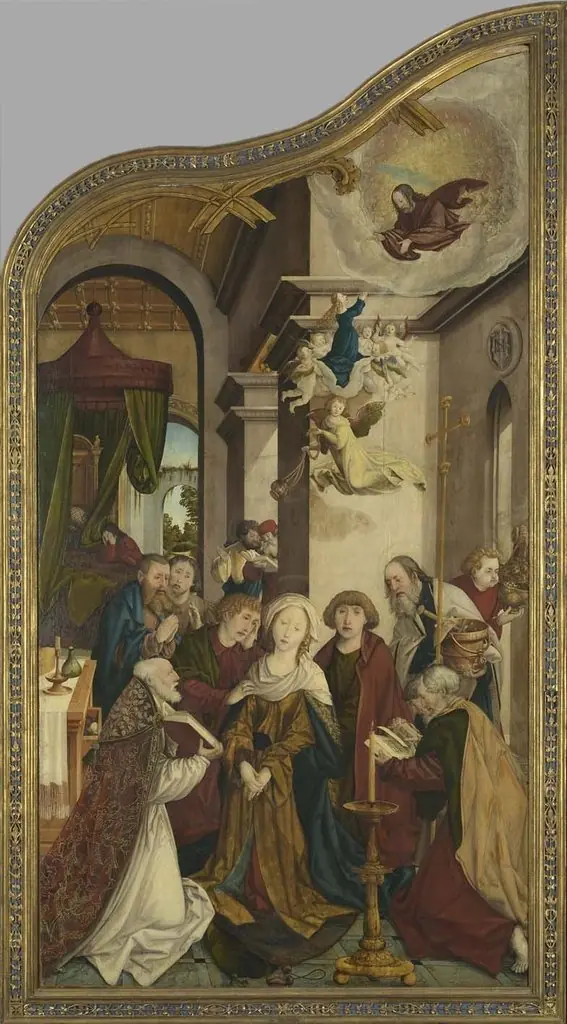 Wettenhauser Hochaltar: Tod Mariae Rückseite: Abschied Christi (rechte Hälfte) mit Stifter Ulrich Hieber
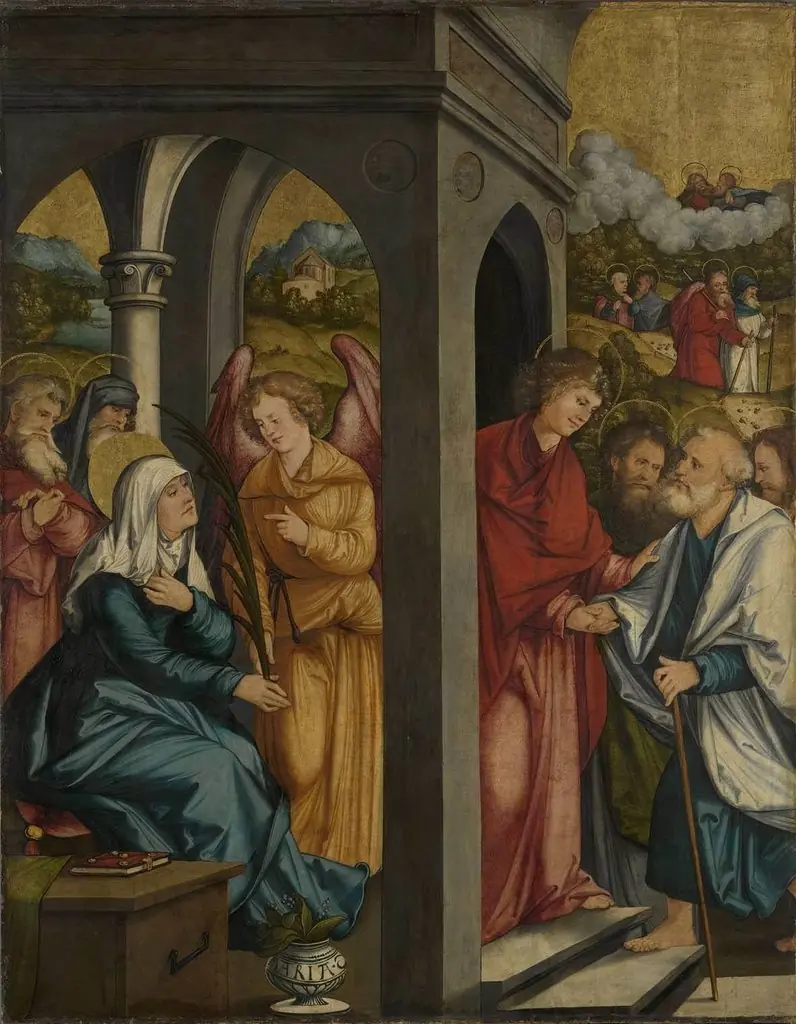 Christgartner Altar: Ein Engel reicht Maria die Palme
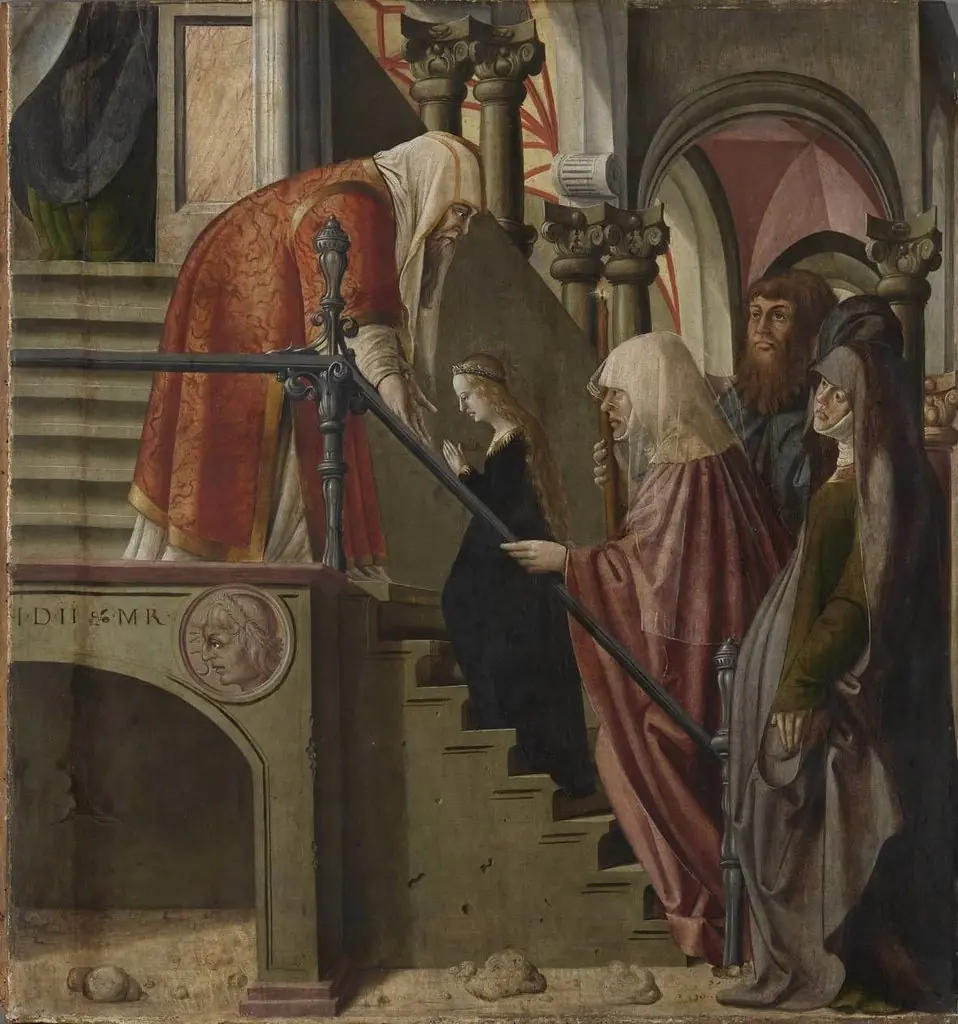 Marienaltar: Tempelgang Mariae
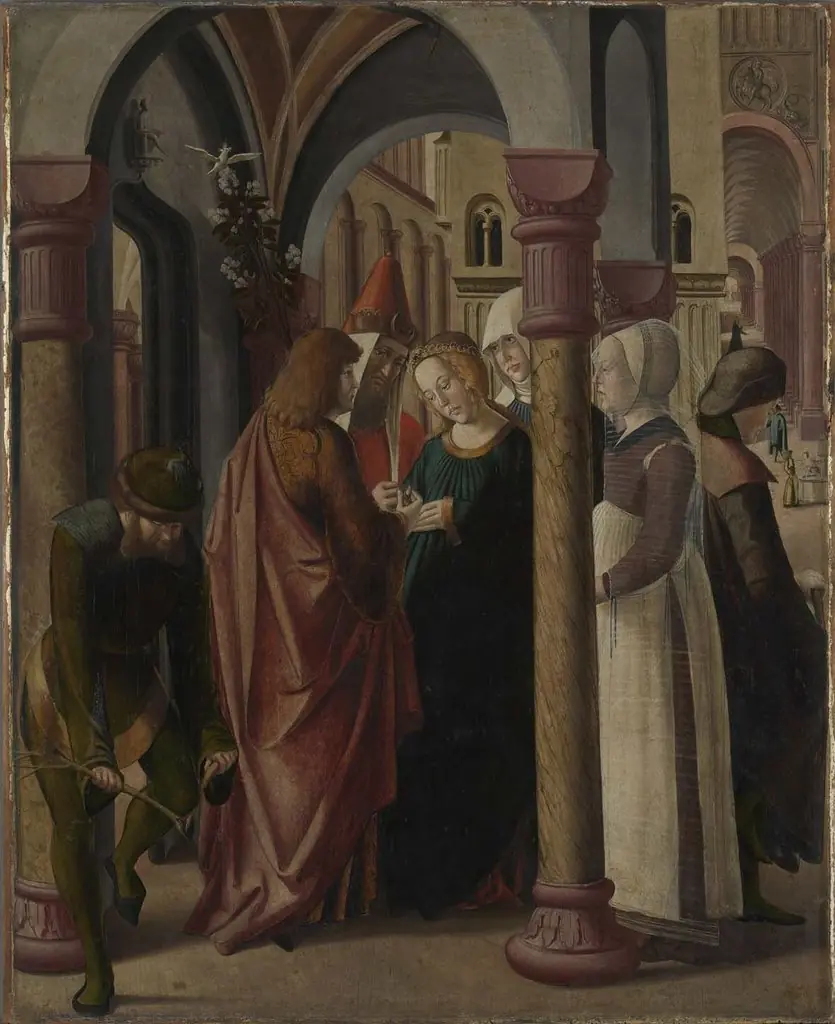 Marienaltar: Vermählung Mariae
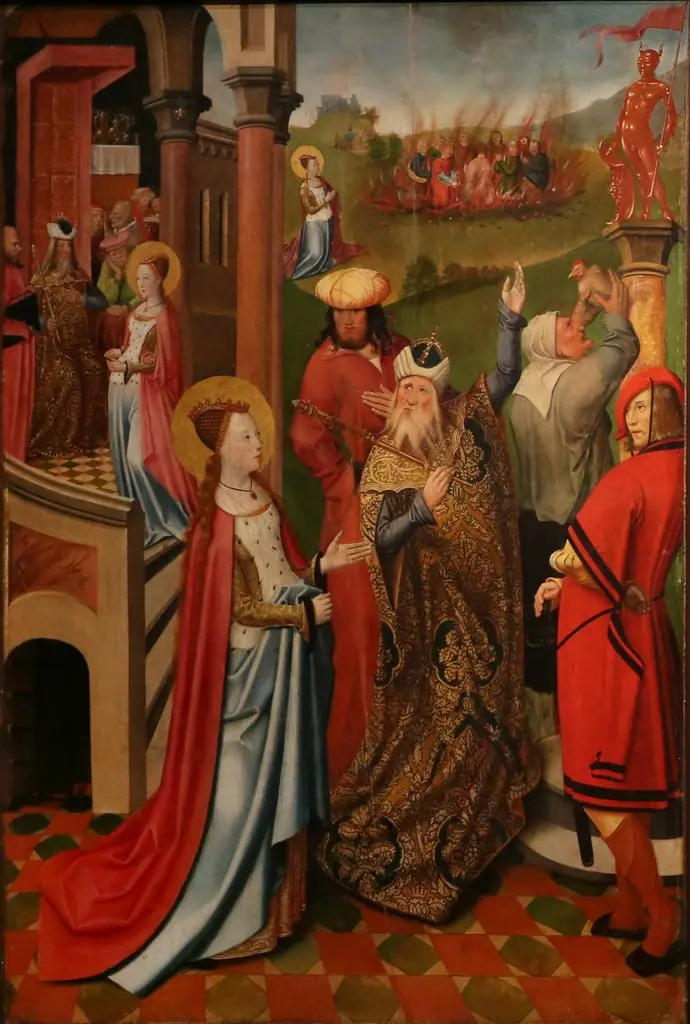 Saint Catherine refuses idolatry
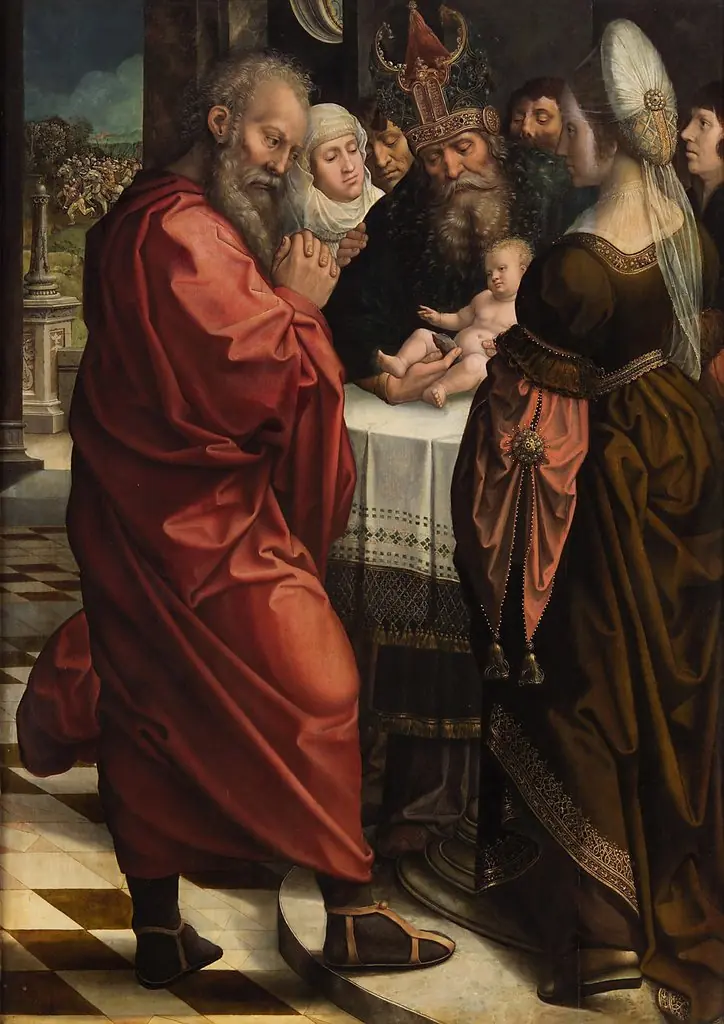 Presentation of Christ
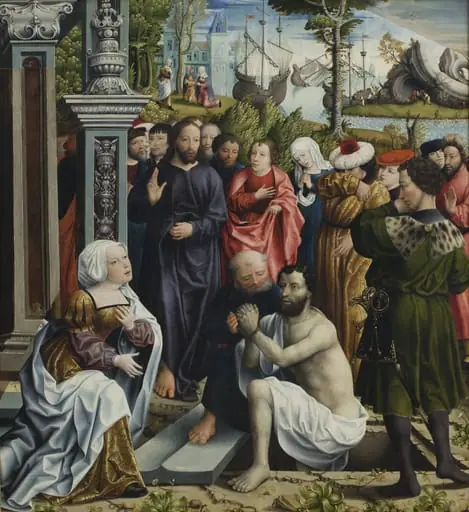 The Raising of Lazarus
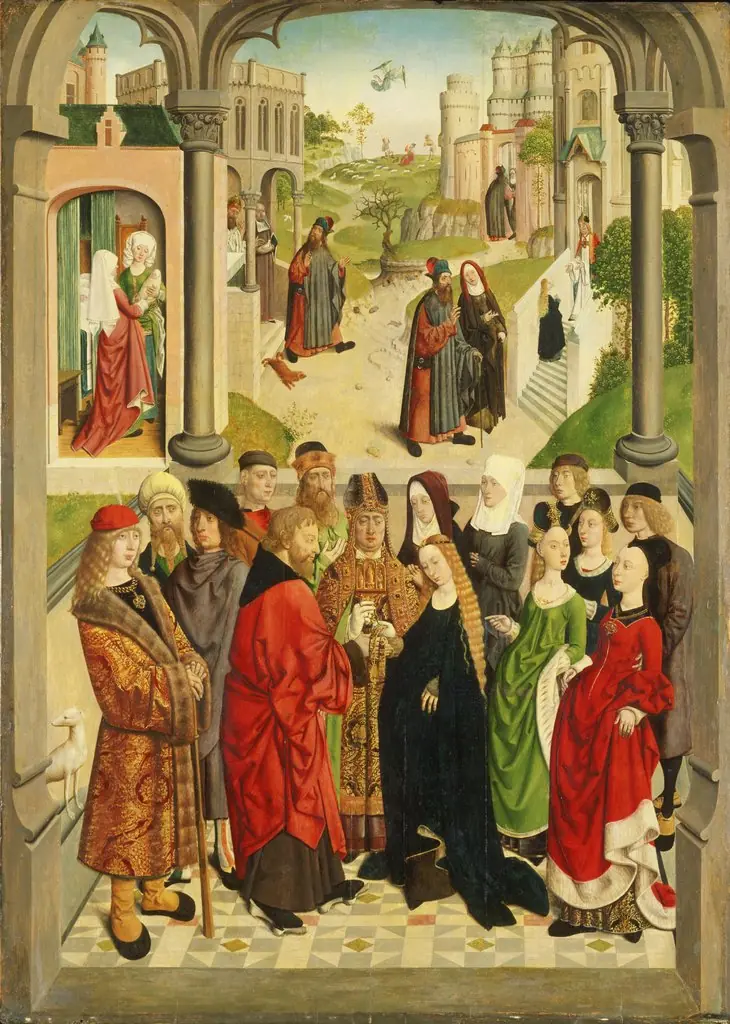 The Marriage of the Virgin, with the Expulsion of Saint Joachim from the Temple, the Angel Appearing to Saint Joachim, the Meeting at the Golden Gate, the Birth of the Virgin, and the Presentation of the Virgin
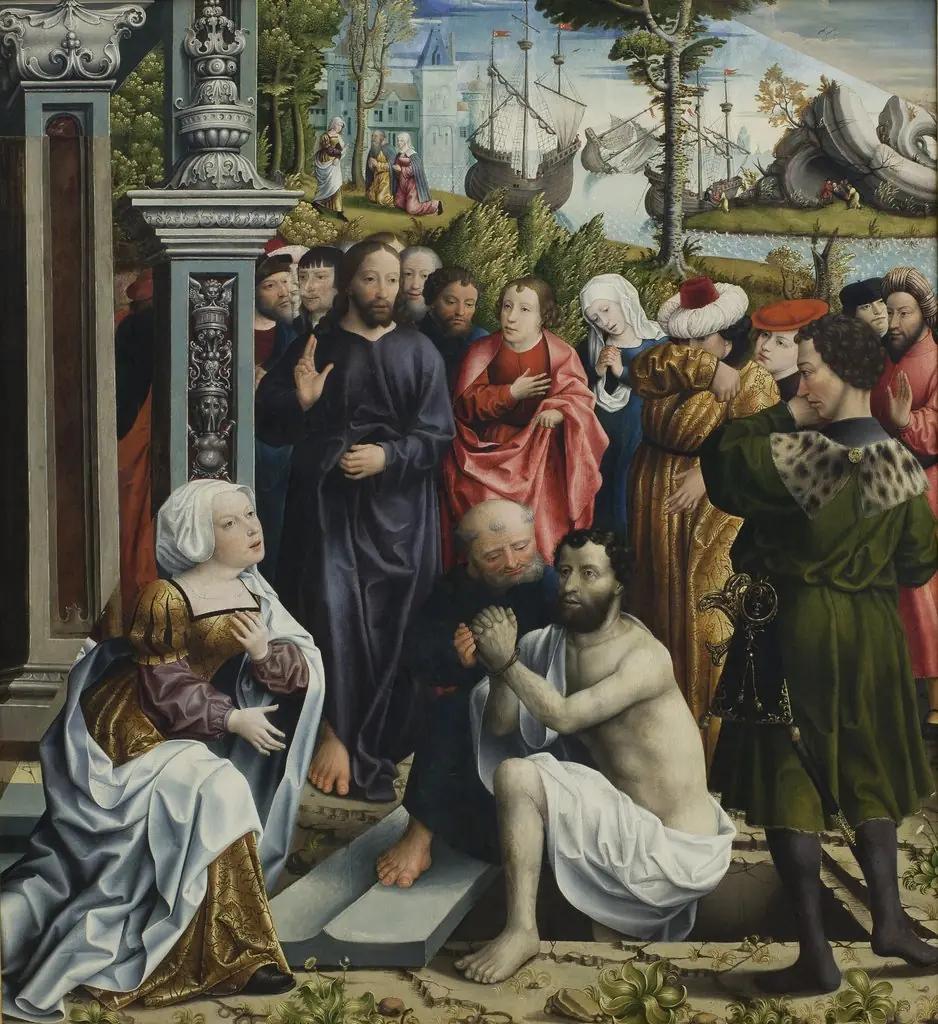 The Raising of Lazarus
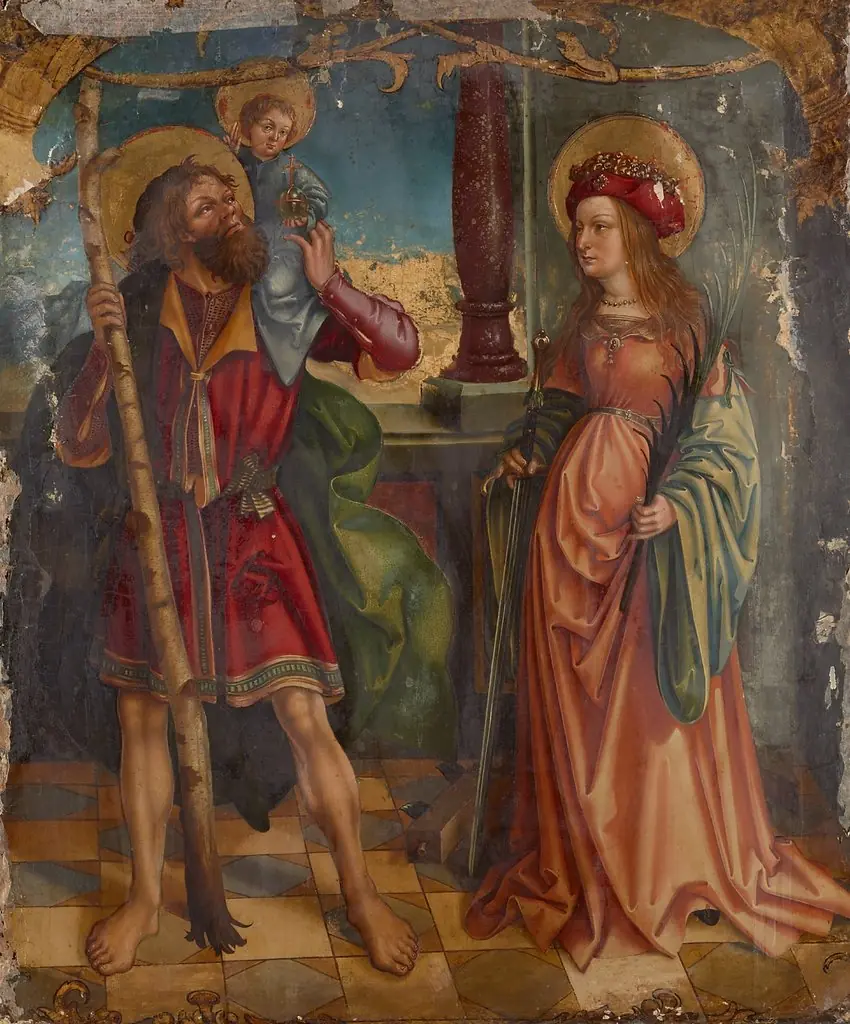 Hll. Christophorus und Katharina
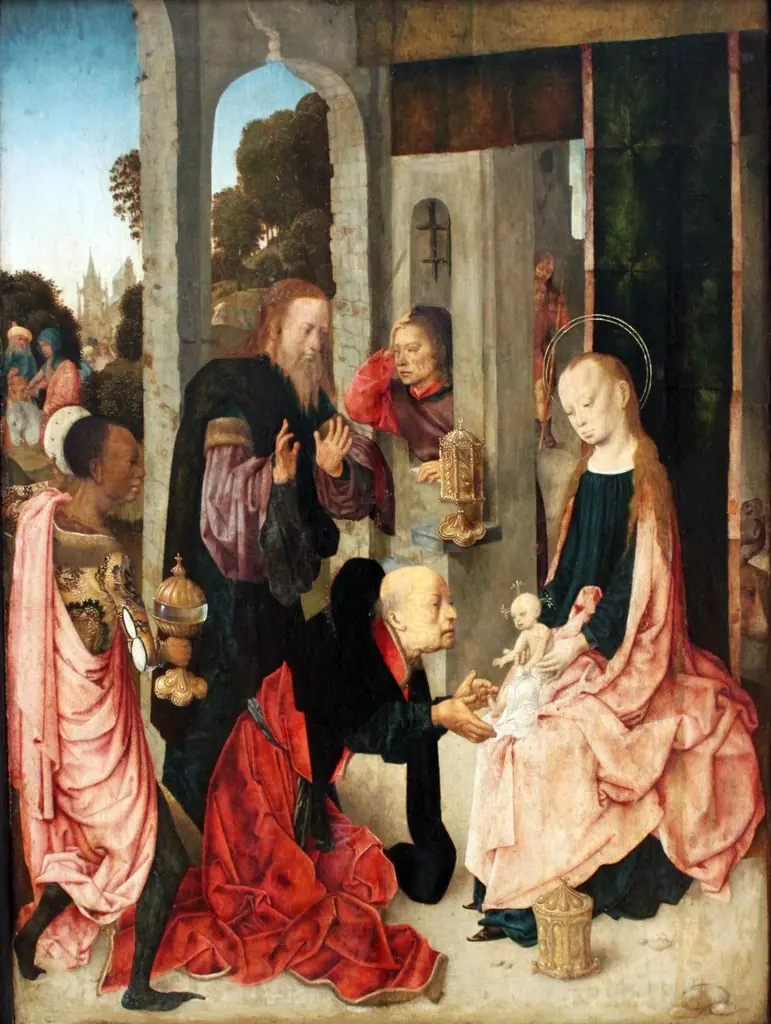 Adoration of the Kings
 The Marriage of the Virgin