Artwork
Magnolia
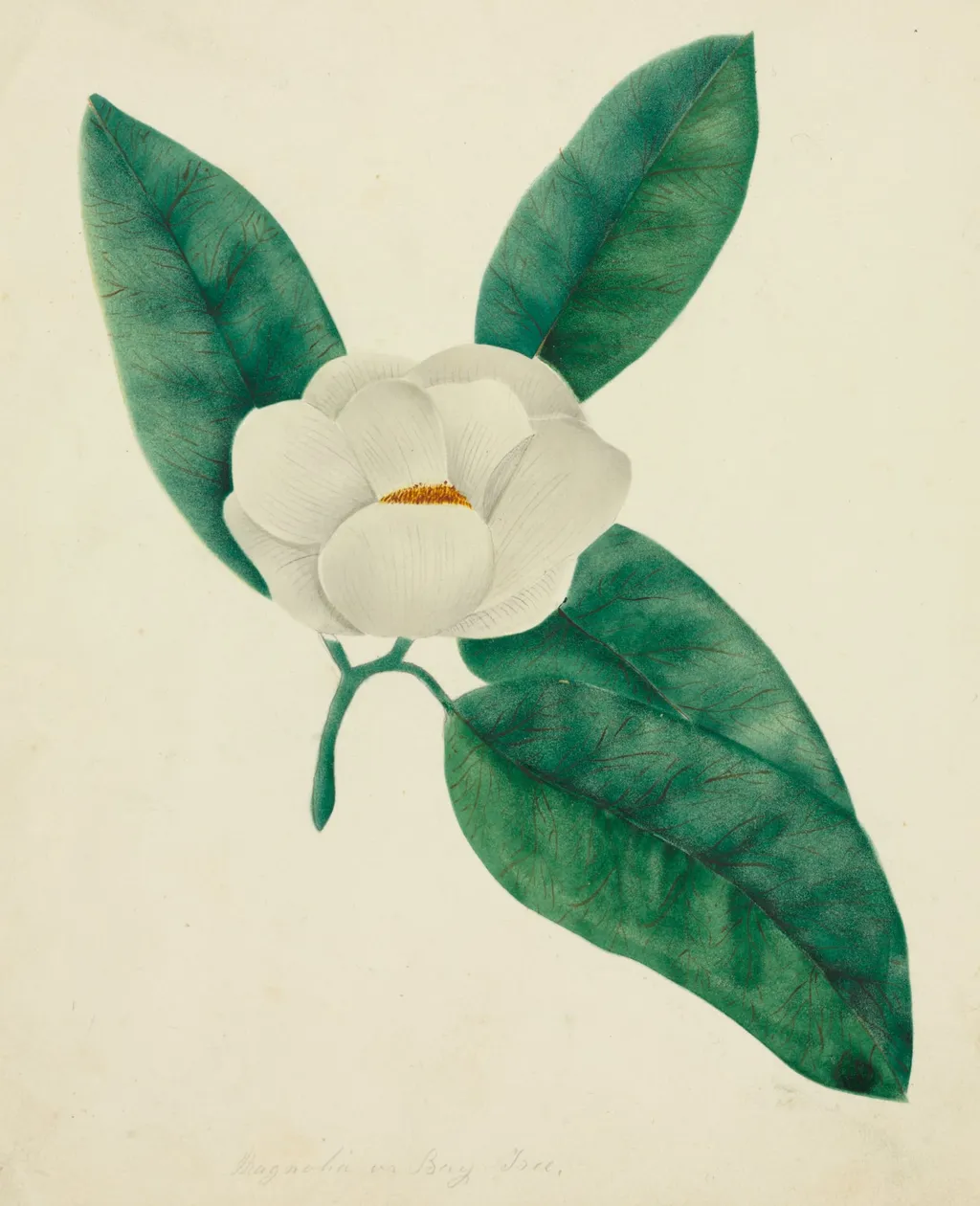
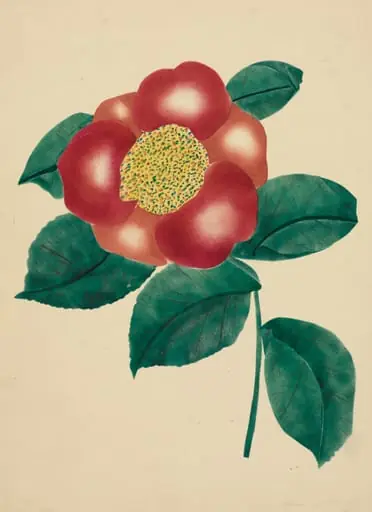
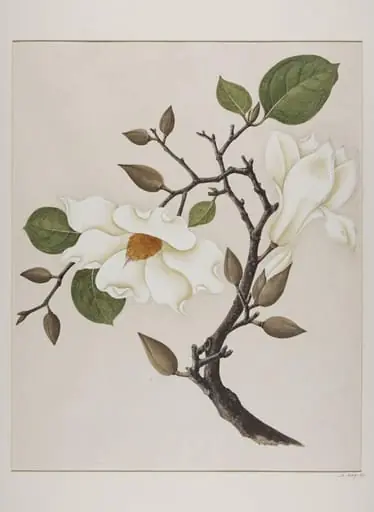
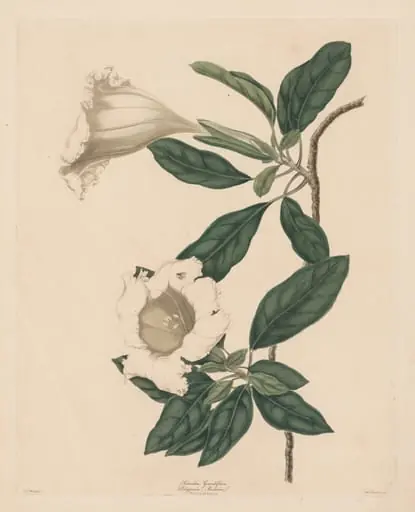
Magnolia is a drawing by the Romanticist artist Mary Altha Nims. It dates from 1804 and is held in the collection of the Cleveland Museum of Art.
About this work
Overview
The composition centers the flower against a softly washed background, emphasizing its form without decorative distraction.
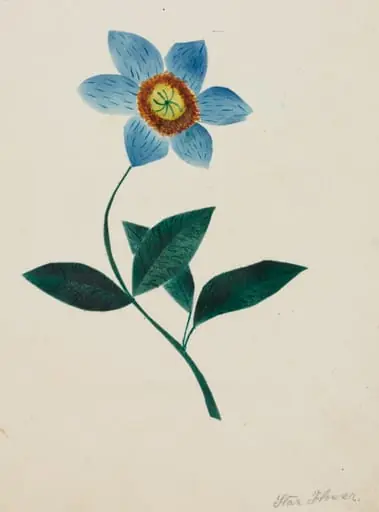
Magnolia is a botanical drawing executed around 1804 by Mary Altha Nims. The work is part of the collection at The Cleveland Museum of Art. Rendered in precise, delicate lines, it captures a single magnolia blossom with its accompanying foliage. The composition centers the flower against a softly washed background, emphasizing its form without decorative distraction. The piece reflects an early 19th-century interest in natural observation.
Subject & Meaning
The subject is a magnolia flower in full bloom, depicted with scientific clarity. Its large white petals and prominent yellow stamen are rendered with attention to anatomical accuracy. The surrounding leaves, each vein carefully traced, reinforce the plant’s vitality. The image conveys no allegory or narrative; its purpose appears to be documentation, aligning with the era’s growing emphasis on natural history and empirical study.
Technique & Style
Nims employed fine ink lines and subtle washes to achieve a lifelike representation. The texture of the petals is suggested through controlled hatching, while the leaves’ venation is rendered with meticulous precision. The background is left largely unworked, allowing the subject to emerge through contrast. This restrained approach prioritizes clarity over ornamentation, characteristic of botanical illustration in the early Romantic period.
History & Provenance
The drawing was created circa 1804 and entered the collection of The Cleveland Museum of Art at an unspecified later date. Its provenance prior to institutional acquisition is not publicly documented. As a work by a relatively lesser-known artist of the period, its survival and preservation reflect its value as a specimen of early American botanical art rather than as a celebrated artistic achievement.
Context
Created during a time when natural science and art increasingly intersected, Magnolia reflects the influence of Enlightenment-era taxonomy and the Romantic fascination with nature’s detail. While European botanical illustrators like Redouté gained prominence, American artists like Nims contributed to a domestic tradition of recording native flora. Such works served both scholarly and aesthetic purposes in private collections and early scientific circles.
Legacy
Magnolia endures as an example of early American botanical drawing, valued for its technical precision and quiet observation. Though not widely exhibited, it contributes to the understanding of how natural subjects were studied and recorded before the advent of photography. Its presence in a major museum underscores the historical significance of amateur and female artists in documenting the natural world.
Artist & collection