Artwork
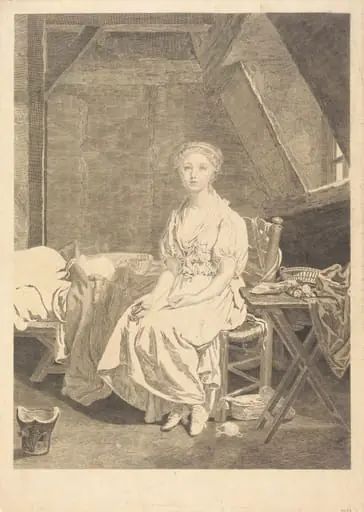
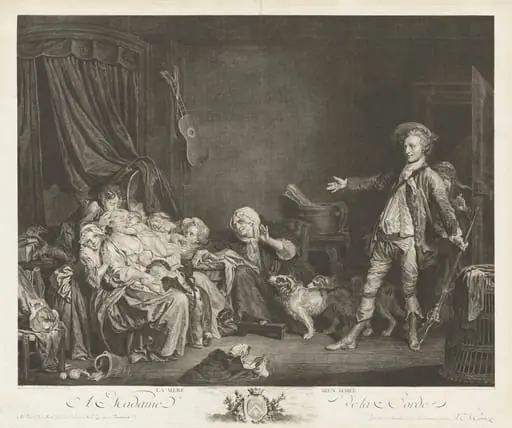
La cruche cassee
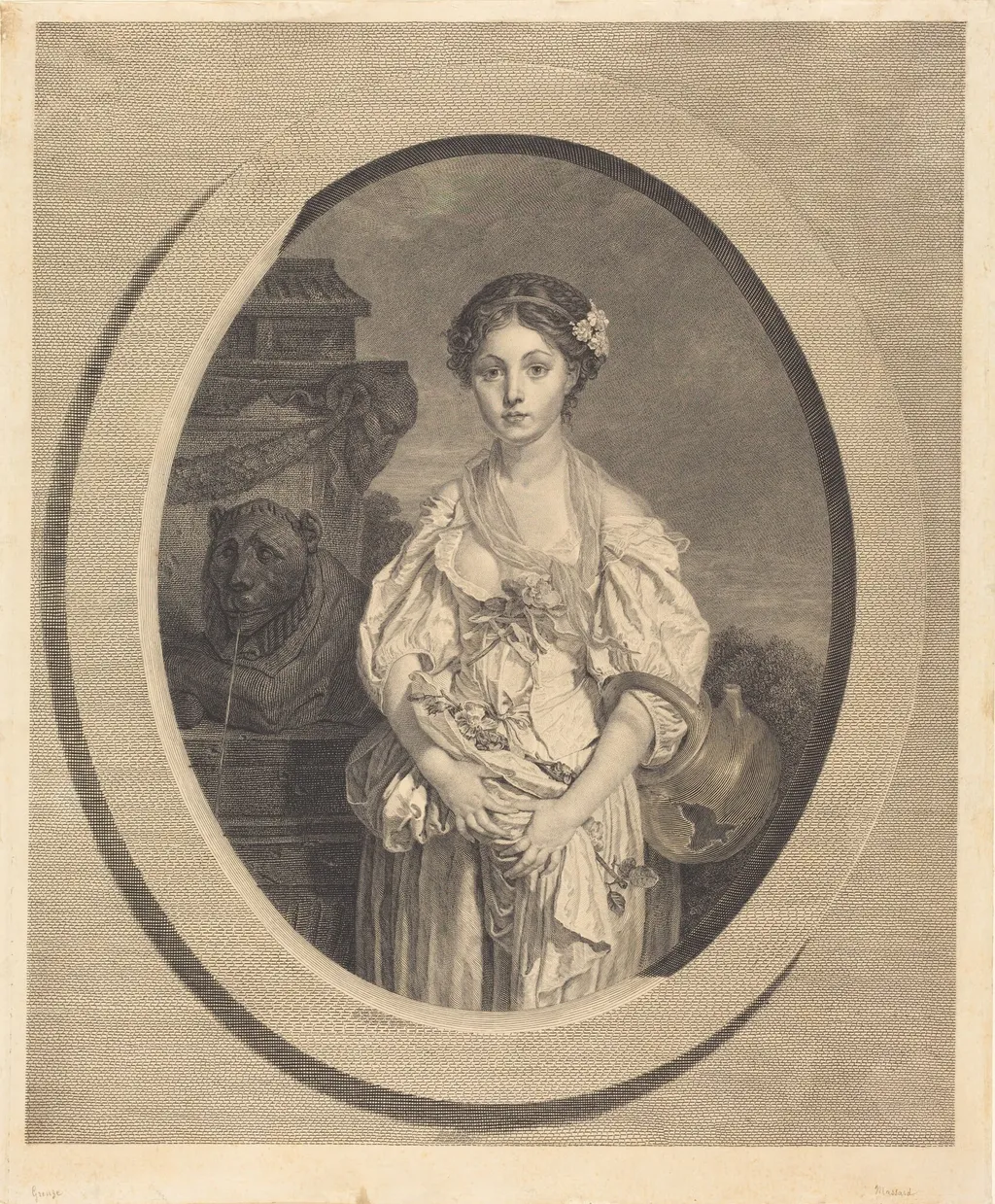
La cruche cassee is an ink print by the Romanticist artist Jean Massard. It dates from 1773 and is held in the collection of the National Gallery of Art.
About this work
Overview
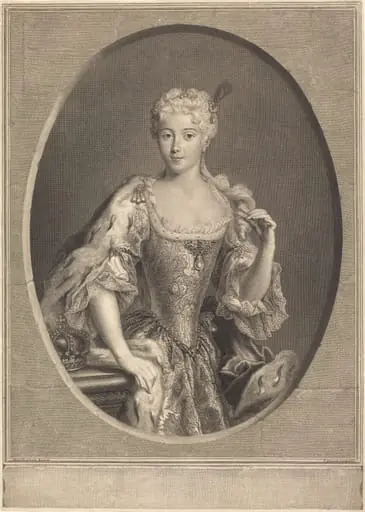
La cruche cassée, executed in 1773 by the French printmaker Jean Massard, is an inked image on paper produced through a combination of etching and engraving. The work measures the typical size of a single‑sheet print and is presented within a circular frame that contains the central scene.
Subject & Meaning
The composition depicts a woman in antiquated attire, holding a modest bouquet while her other hand rests upon a shattered vase. Behind her, a stone bust is positioned on a ledge, creating a quiet tableau that hints at loss or the passage of time, conveyed through the woman's composed expression and the broken vessel.
Technique & Style
Massard employed both etching, which allows for delicate, atmospheric lines, and engraving, which adds crisp, controlled strokes. This hybrid approach yields a nuanced surface texture, enabling the artist to render the softness of fabric, the fragility of flowers, and the solidity of stone with subtle tonal variation.
History & Provenance
The print was issued in the late eighteenth century, a period when French artists frequently explored allegorical and sentimental subjects in prints for a growing market. While specific ownership records are scarce, the work appears in several catalogues of Massard’s oeuvre, confirming its attribution and date.
Context
Created during the Rococo’s waning years, the image reflects contemporary tastes for intimate, emotionally resonant scenes that combine classical references—such as the bust—with domestic motifs. The broken vase serves as a visual metaphor common in the era’s visual language, often associated with fragility and transience.
Artist & collection