Artwork
Epiphany
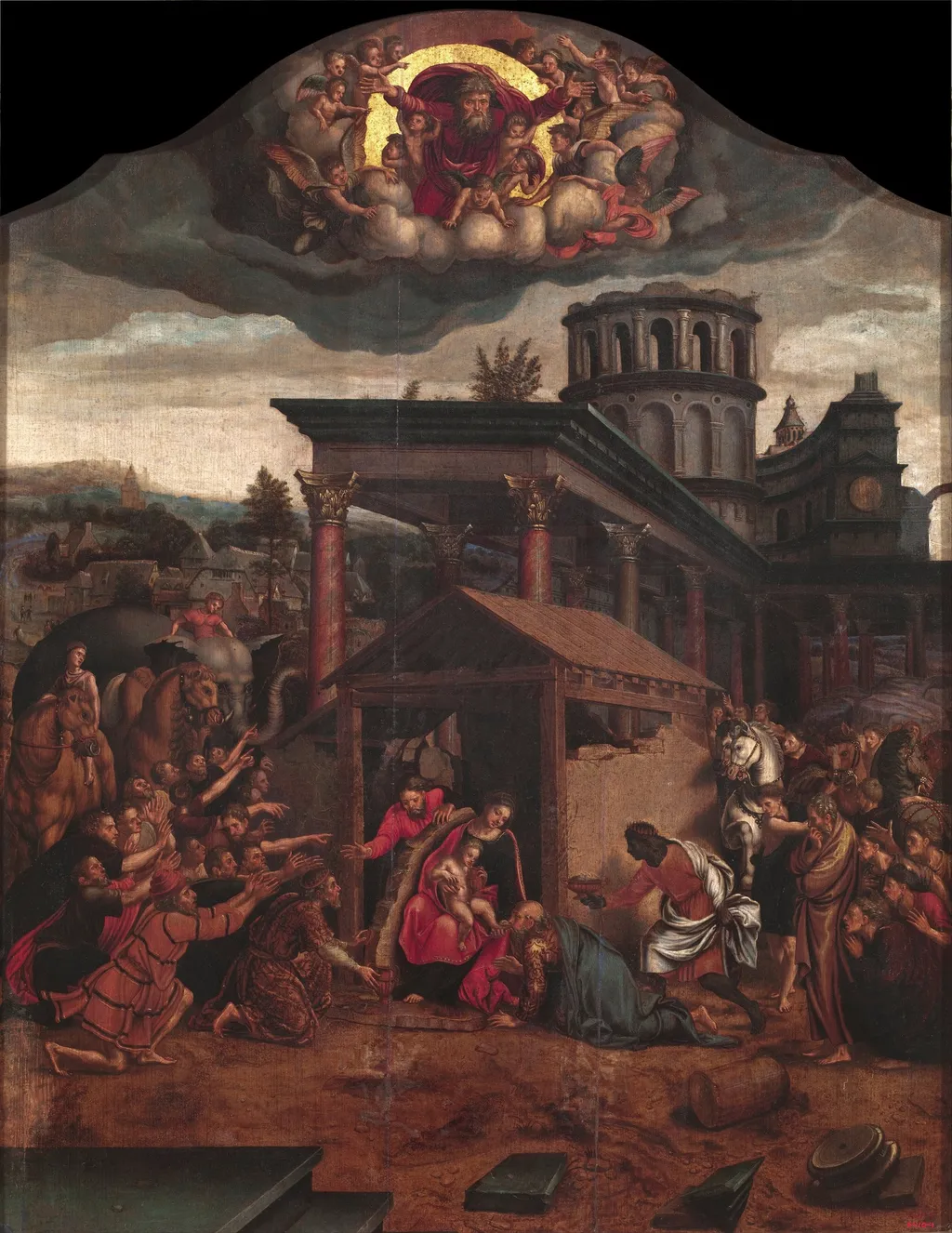
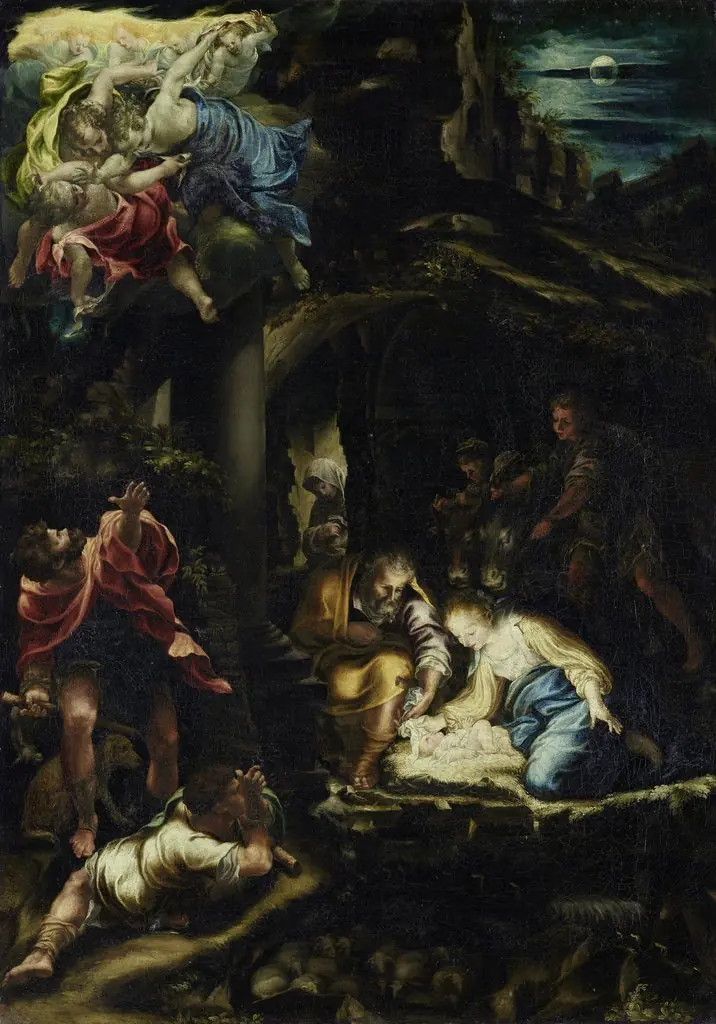
Epiphany is an oil painting by the Mannerist artist Master of Paulus and Barnabas. It dates from 1550 and is held in the collection of the Museu Nacional d'Art de Catalunya. Created around 1550, this oil on canvas depicts a bustling religious gathering.
About this work
Overview
Created around 1550, this oil on canvas depicts a bustling religious gathering. The composition centers on a group of figures—men, women, and children—in flowing robes, some kneeling or reaching outward, assembled before a building with a sloping roof. Above them hovers a luminous, haloed figure with arms extended, flanked by cherubic attendants, conveying a celebratory atmosphere.
Subject & Meaning
The central celestial figure represents a divine revelation, likely the biblical Epiphany, where the holy presence is manifested to the faithful. The surrounding crowd, rendered in varied postures of reverence and joy, underscores communal participation in the sacred event, while the cherubs emphasize the heavenly endorsement of the scene.
Technique & Style
Executed in oil paint, the work displays the delicate layering and glazing typical of mid‑sixteenth‑century Northern European painters. Soft transitions of light create a gentle glow around the haloed figure, while the architectural elements are rendered with linear precision, balancing realism with the idealized spiritual realm.
History & Provenance
Attributed to the anonymous Master of Paulus and Barnabas, the painting has been part of the Museu Nacional d'Art de Catalunya’s collection since its acquisition in the early twentieth century. Its attribution rests on stylistic parallels with other works linked to this workshop, which remains identified only by its characteristic iconography.
Context
The composition reflects the period’s emphasis on public displays of faith, aligning with Counter‑Reformation efforts to make religious narratives accessible to lay audiences. The inclusion of a prominent clock tower and stone edifice situates the miracle within a recognizable civic setting, reinforcing the notion that divine events intersect everyday life.
Artist & collection

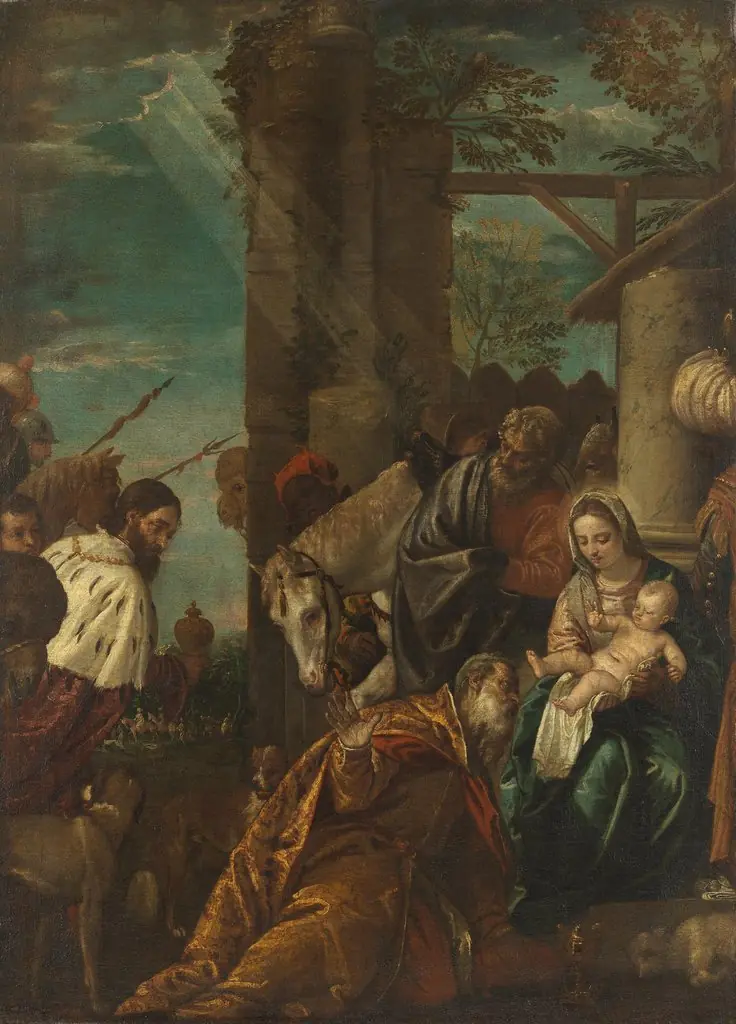 Die Anbetung der Könige
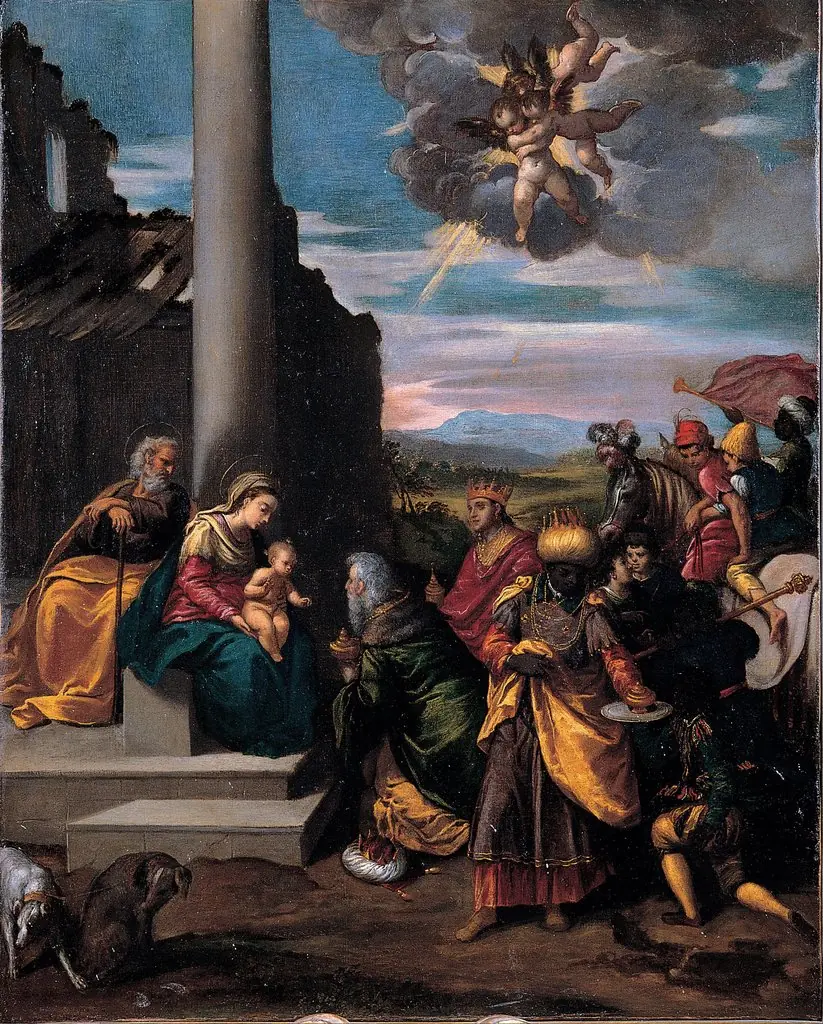 Adoration of the Magi
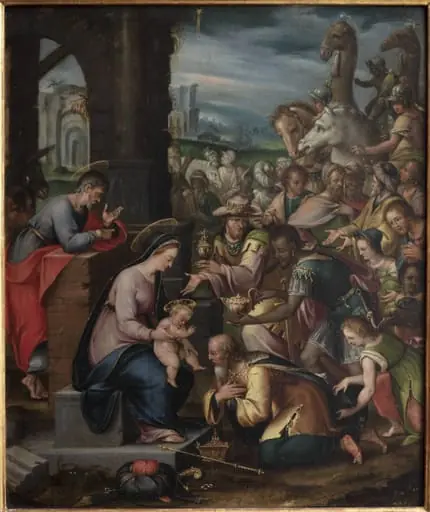 The Adoration of the Magi
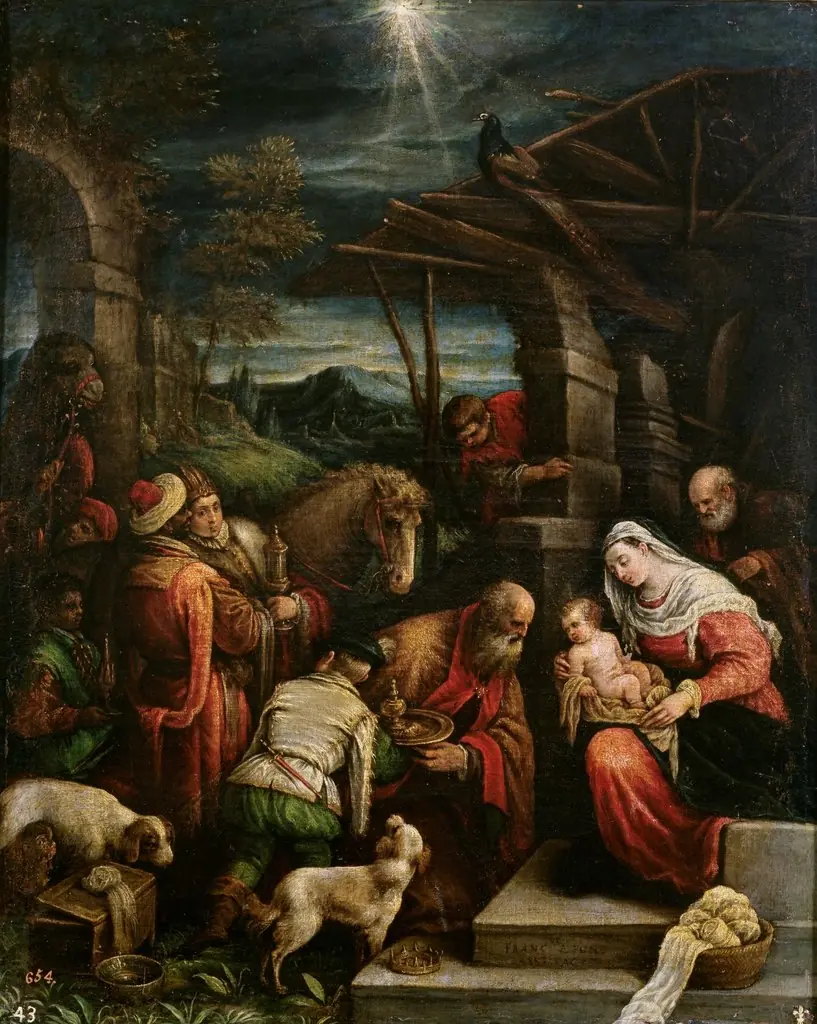 Adoration of the Magi
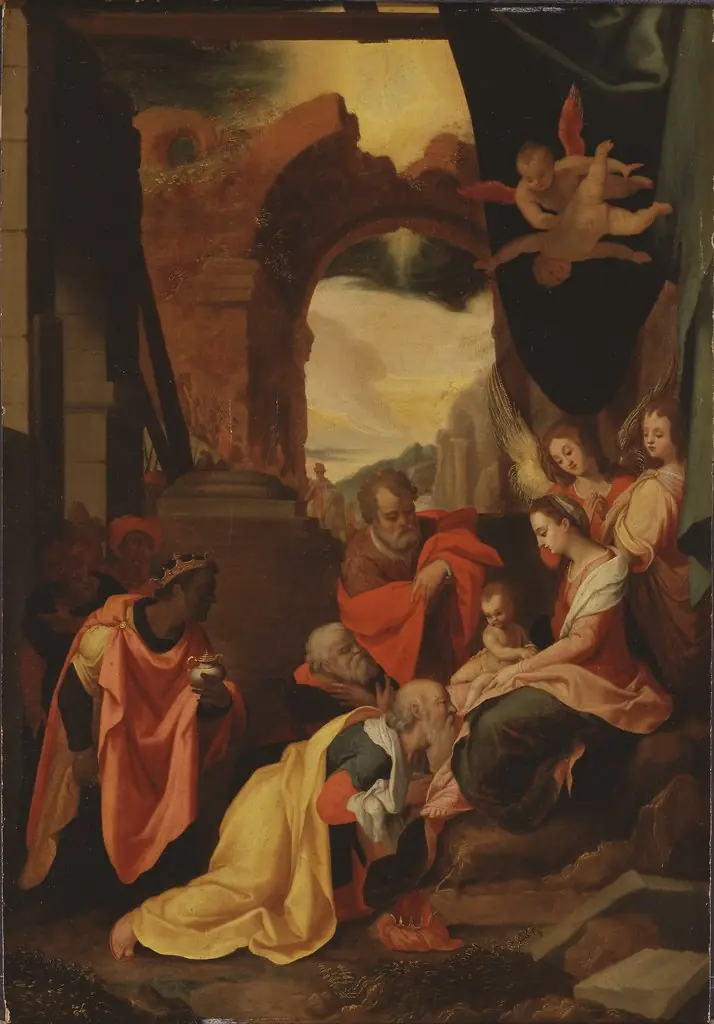 The Adoration of the Magi
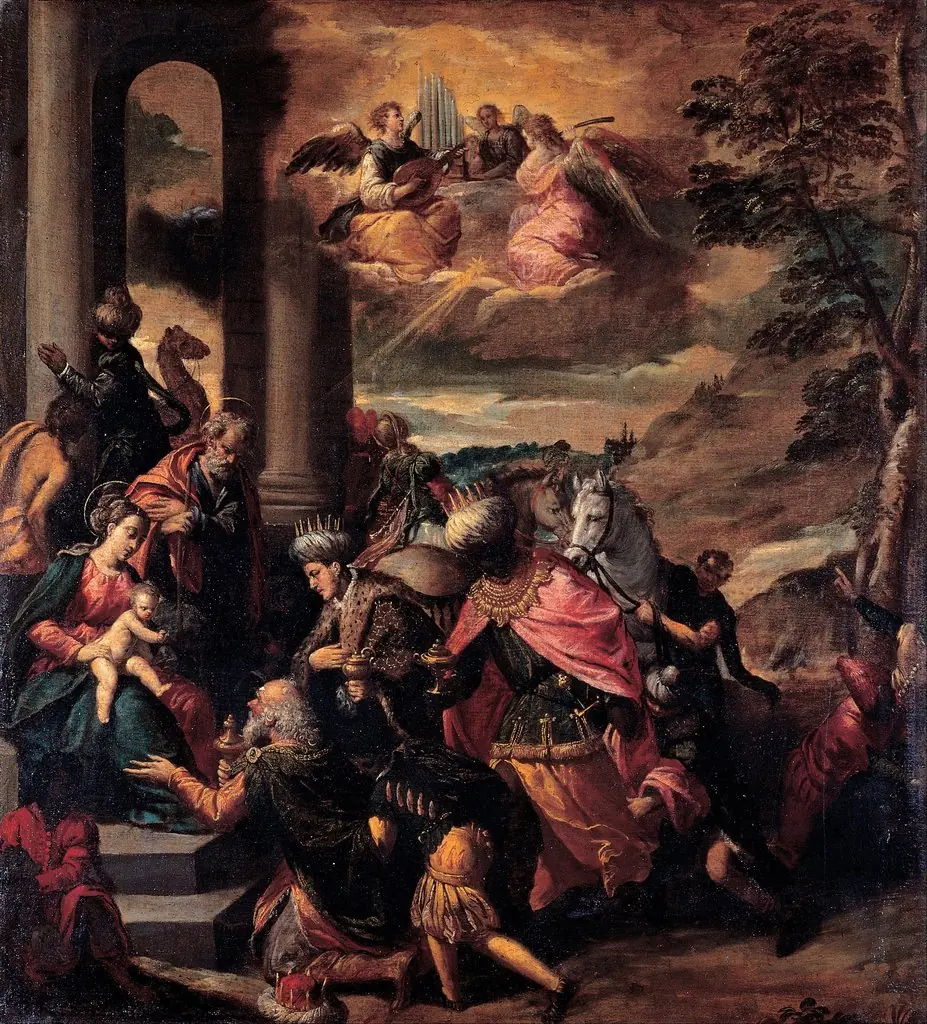 Adoration of the Magi
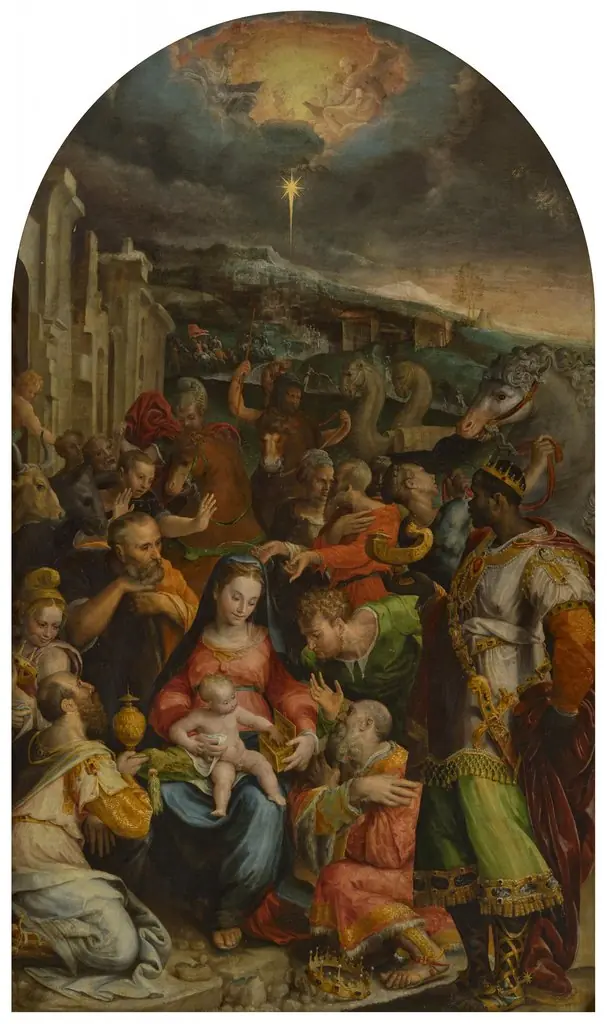 The Adoration of the Magi
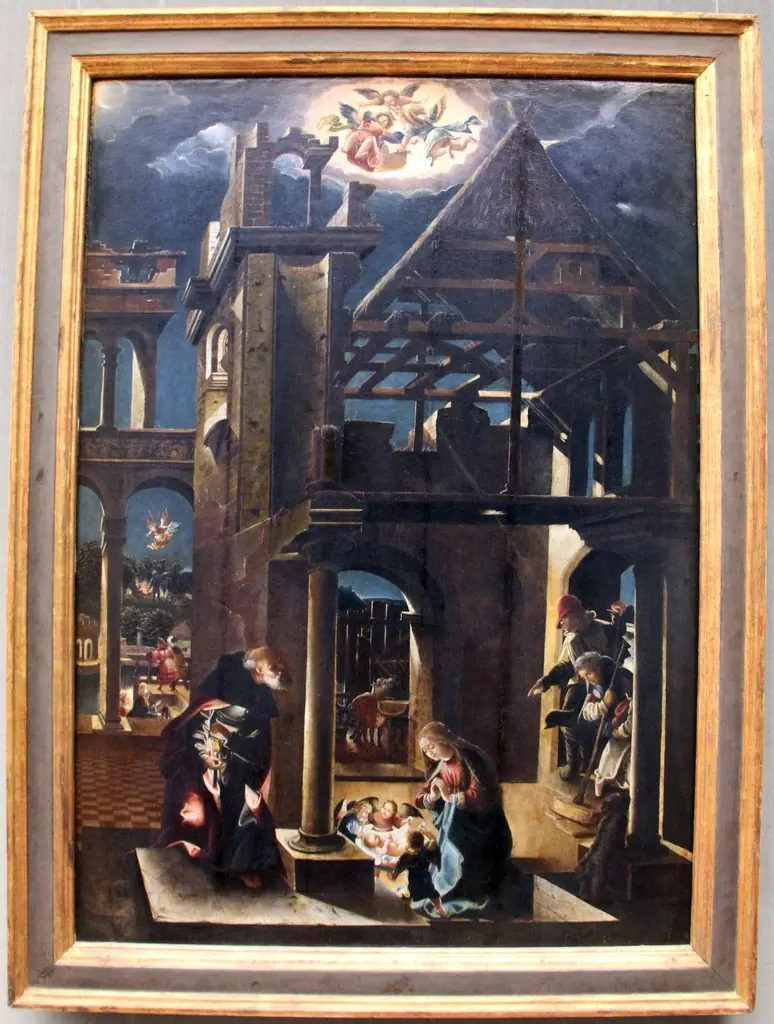 The Adoration of the Shepherds
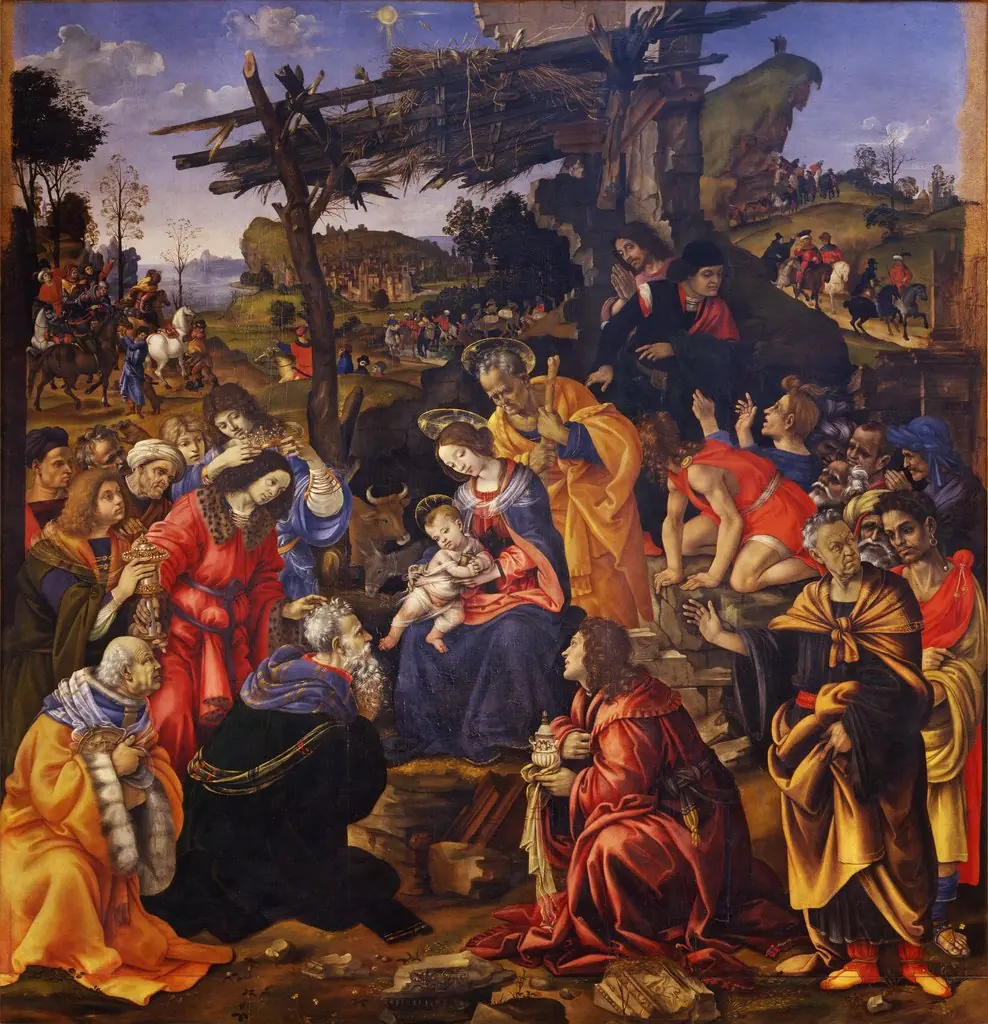 Adoration of the Magi
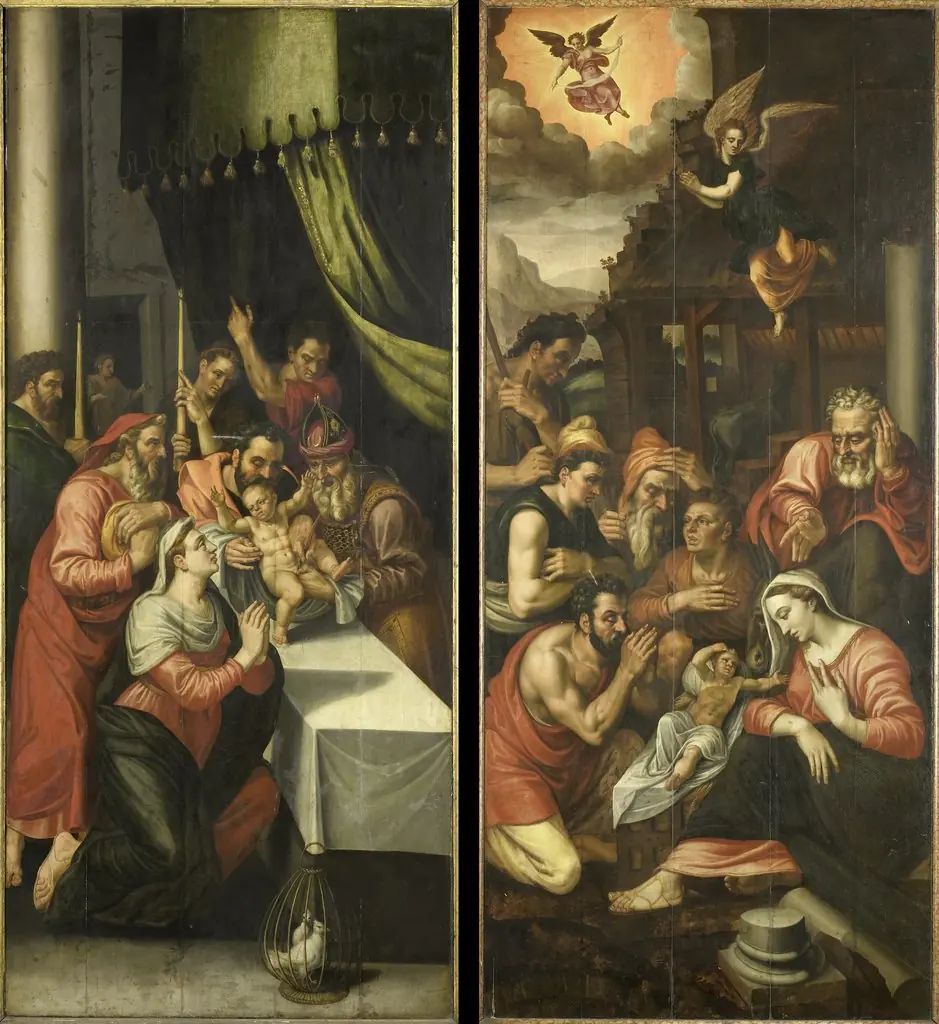 Altarpiece Wing with the Adoration of the Shepherds. On the outside are Six Kneeling Noblemen in Armor
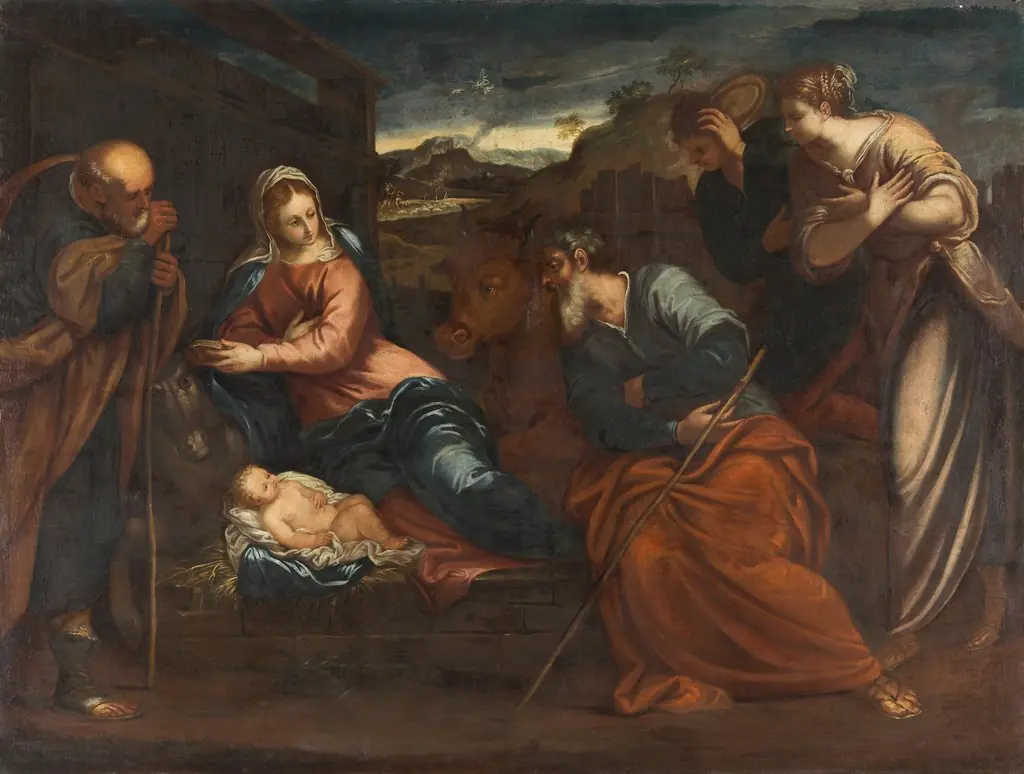 Anbetung durch die Hirten (Kopie nach)
 The Adoration of the Shepherds