Artwork
The Martyrdom of St. Sebastian
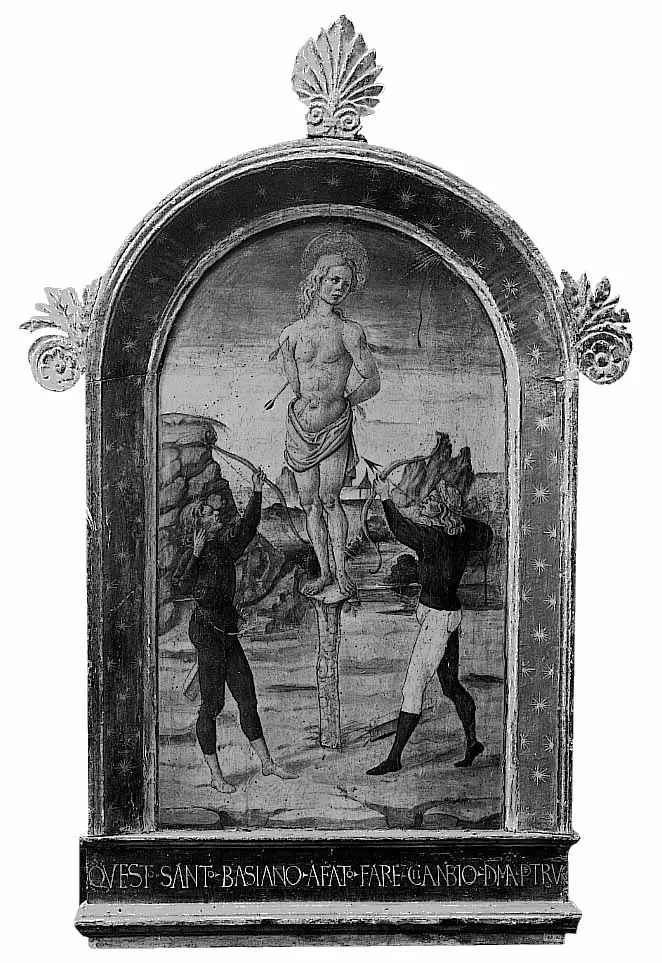
The Martyrdom of St. Sebastian is a paint painting by Master of San Miniato. It dates from 1480 and is held in the collection of the Gemäldegalerie Berlin.
About this work
Overview
The setting is minimal, with a flat, muted landscape behind, focusing attention on the figures and their emotional gravity.
Painted around 1480, this work by the Master of San Miniato portrays the martyrdom of Saint Sebastian. Executed in tempera or oil on panel, it is part of the Gemäldegalerie Berlin’s collection. The composition centers on the saint bound and elevated on a stone base, flanked by two figures preparing to shoot arrows. The setting is minimal, with a flat, muted landscape behind, focusing attention on the figures and their emotional gravity.
Subject & Meaning
Saint Sebastian, a Christian martyr traditionally executed by archers under Roman orders, is depicted at the moment before death. His bound arms and exposed torso emphasize his helplessness and endurance. The two archers, one drawing his bow, the other readying an arrow, represent the instruments of divine test. The scene reflects medieval devotional themes of suffering, faith, and martyrdom as pathways to spiritual triumph.
Technique & Style
The artist employs chiaroscuro to model the saint’s form, contrasting light and shadow to enhance volume and emotional intensity. Facial expressions are restrained, avoiding theatricality, while the figures are rendered with linear precision. The background lacks depth, typical of late Gothic panel painting, reinforcing the symbolic rather than naturalistic intent of the scene.
History & Provenance
The painting was likely created for a private chapel or religious confraternity in Tuscany, where the Master of San Miniato was active. It entered the Gemäldegalerie Berlin’s holdings in the 19th century, possibly through acquisition from a German collector. Its attribution to the Master of San Miniato, a name given to an anonymous artist, reflects scholarly consensus based on stylistic parallels with other Tuscan works of the period.
Context
In late 15th-century Italy, depictions of Saint Sebastian were common amid recurring plague outbreaks, as he was invoked as a protector against disease. This painting aligns with regional devotional practices that emphasized the saint’s endurance and divine favor. The restrained composition reflects a transitional moment between Gothic symbolism and early Renaissance humanism, before full perspective systems became widespread.
Legacy
Though not widely known outside specialist circles, the painting exemplifies the quiet intensity of Tuscan devotional art before the High Renaissance. Its focus on psychological stillness amid violence influenced later regional painters. The work remains a key example of how religious narratives were rendered with restraint, prioritizing spiritual contemplation over dramatic spectacle.
Artist & collection

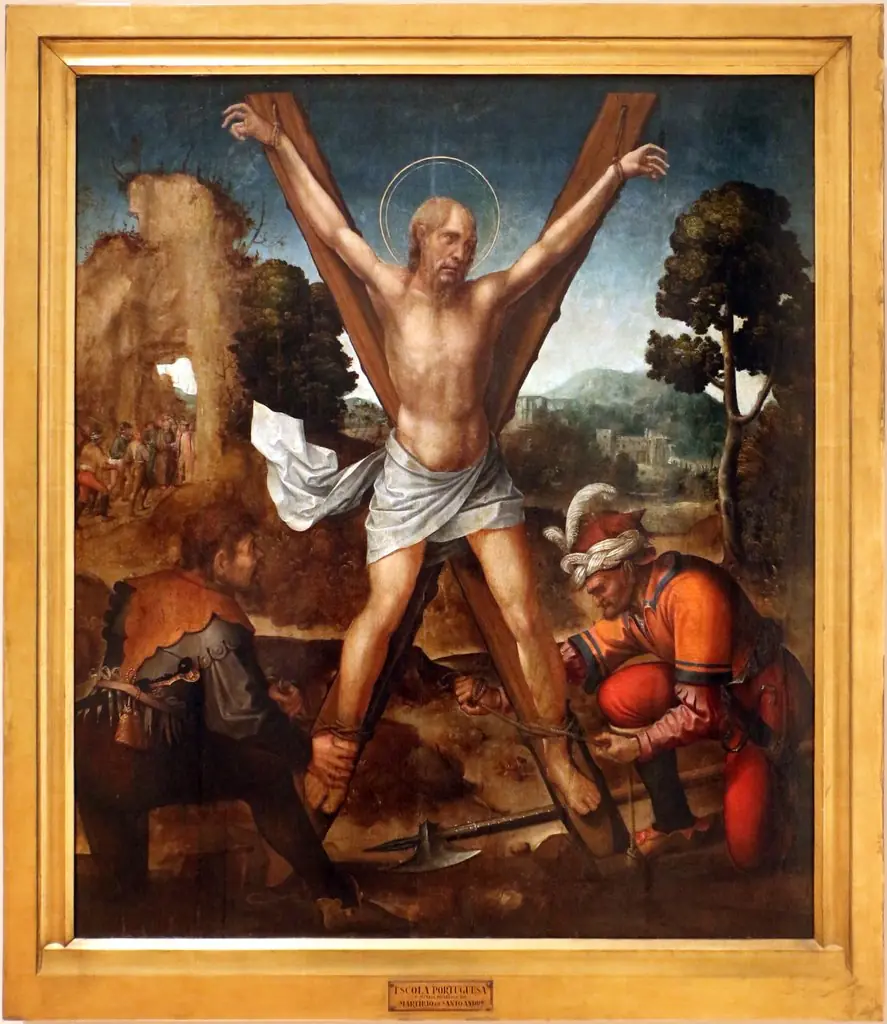 Martyrdom of Saint Andrew
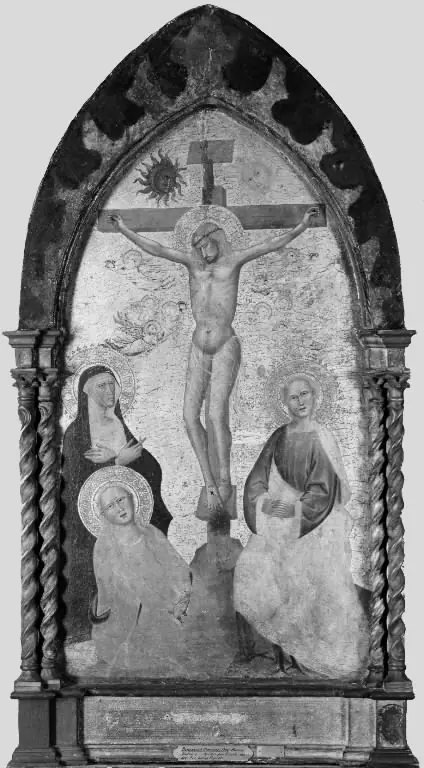 Christ on the Cross mourned by the Virgin Mary and Saints Mary Magdalene and John
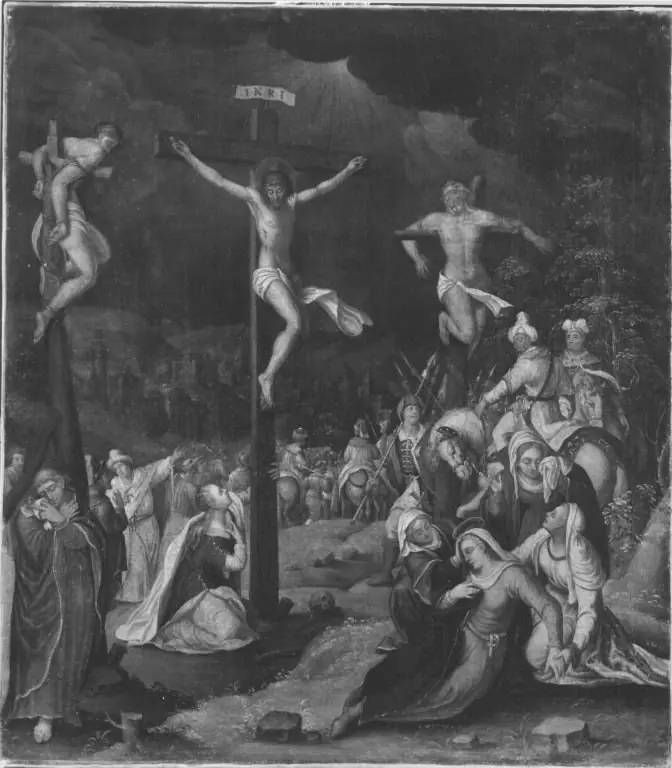 Kreuzigung Christi
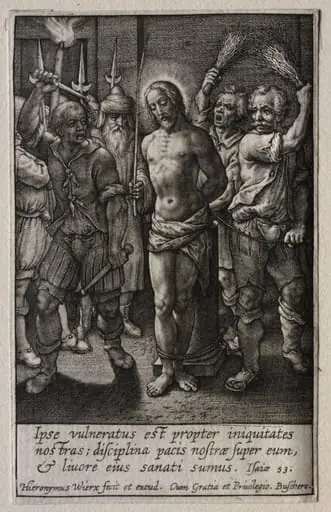 The Passion: The Flagellation
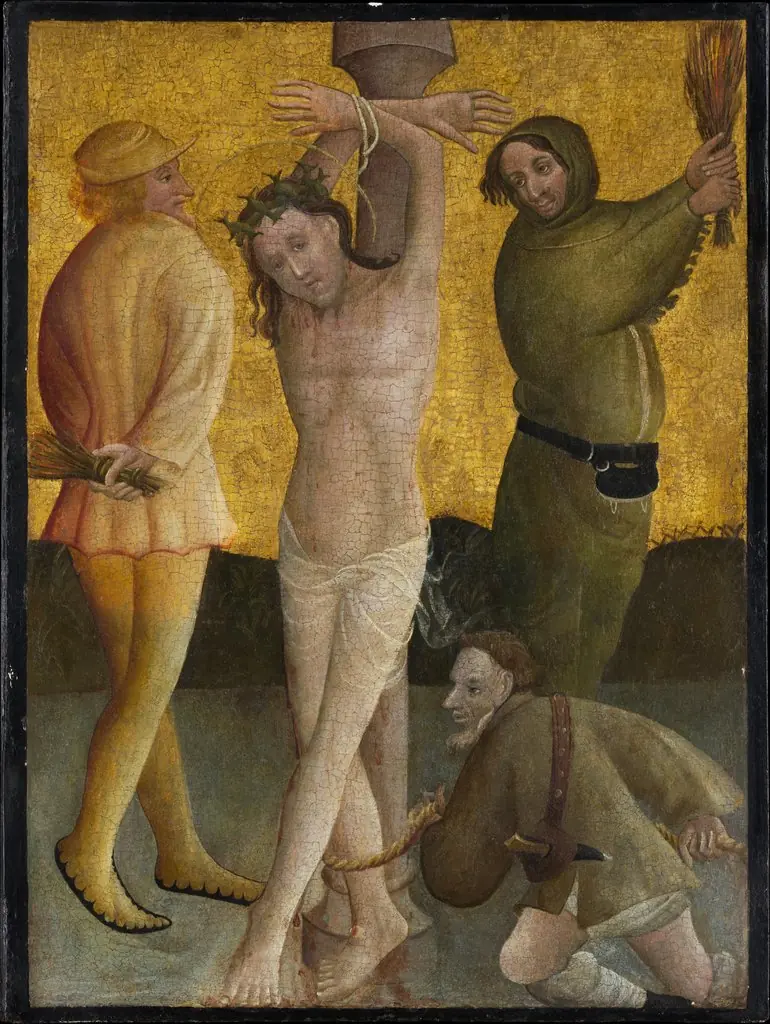 The Flagellation
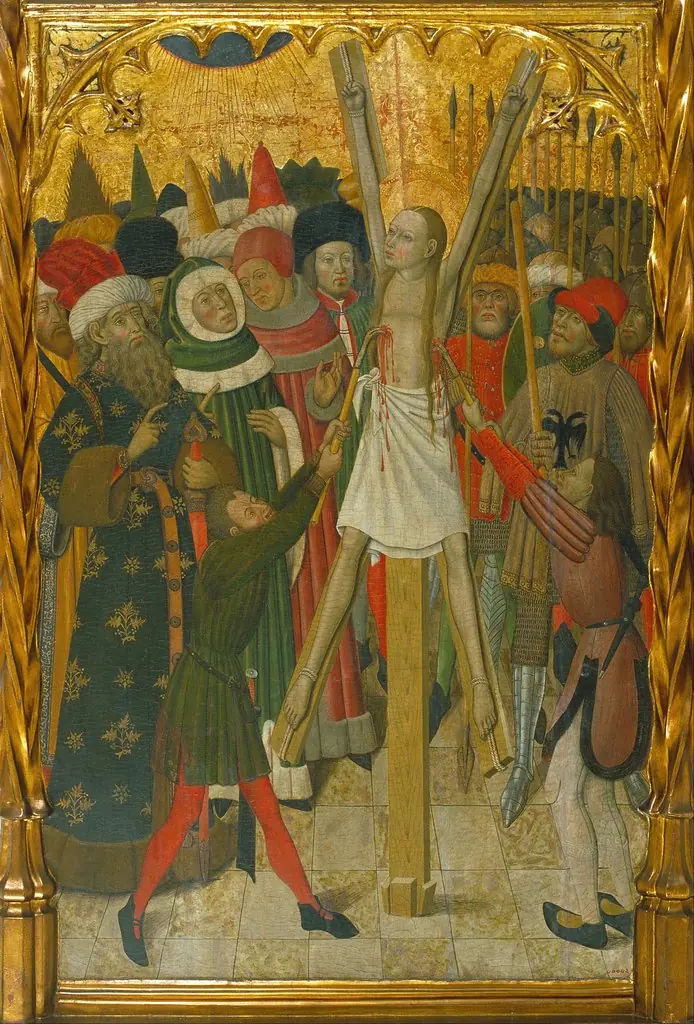 Martyrdom of Saint Eulalia
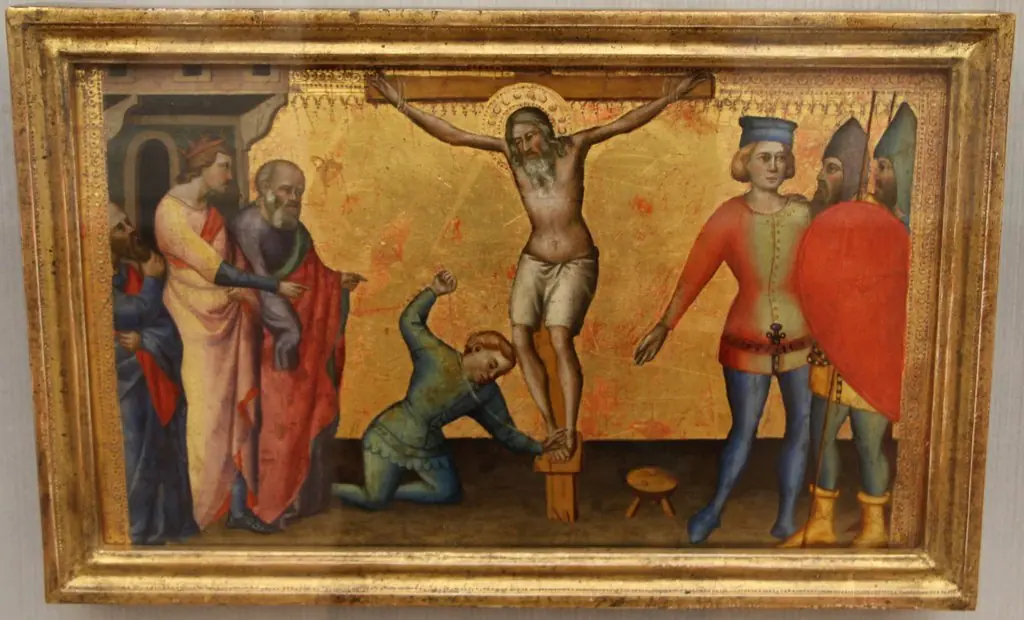 Martyrium of saint Andrew
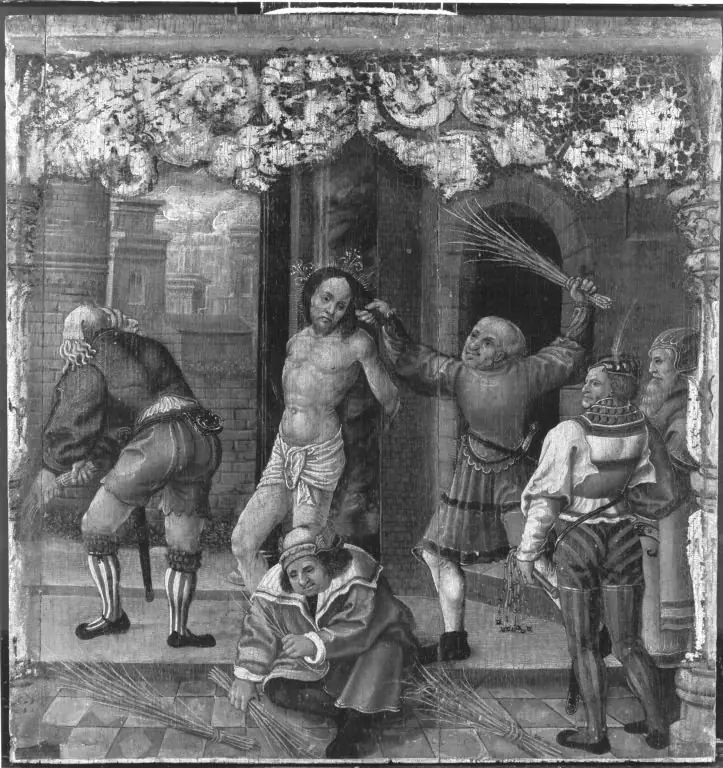 The flagellation of Christ
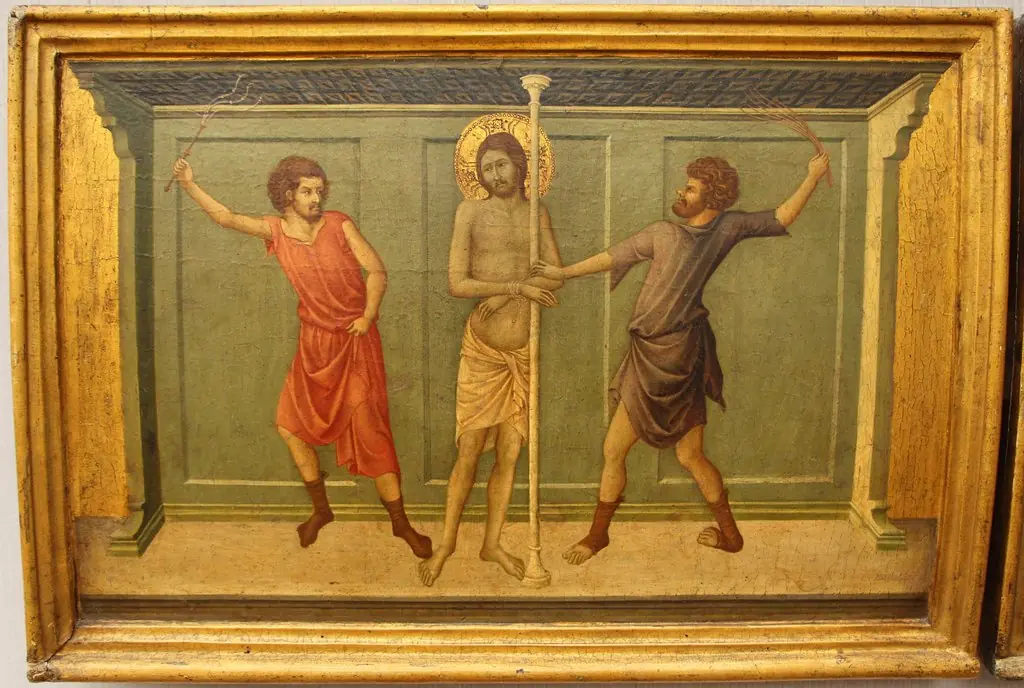 Flagellation
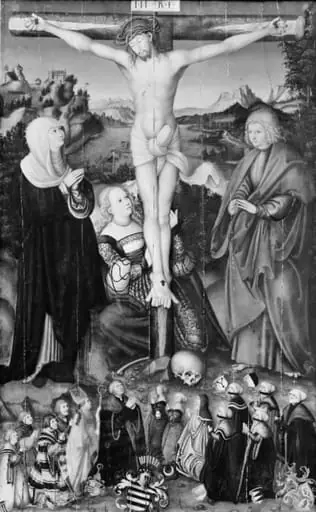 The Crucifixion
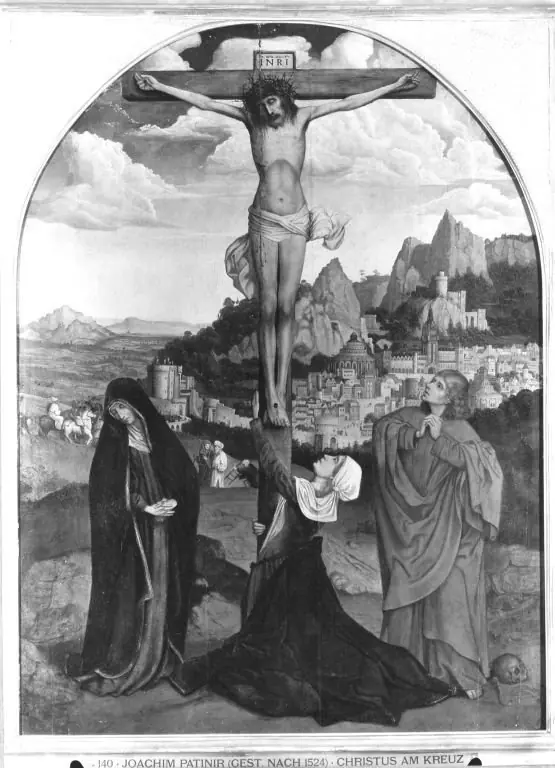 Christ on the cross
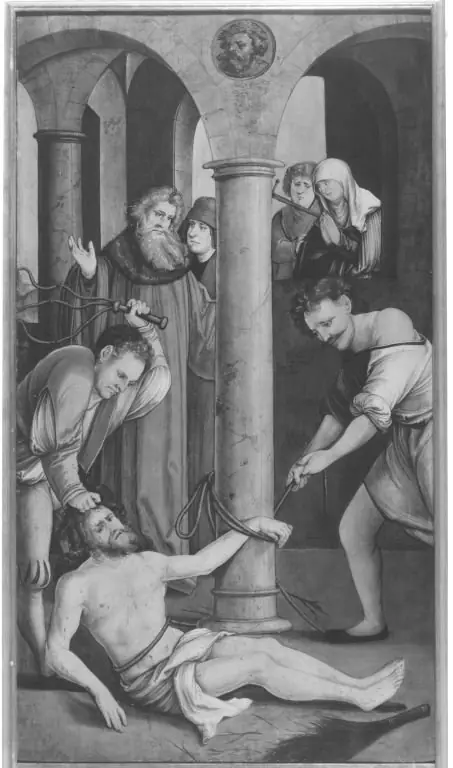 Fall of Christ during the Flagellation