Artwork
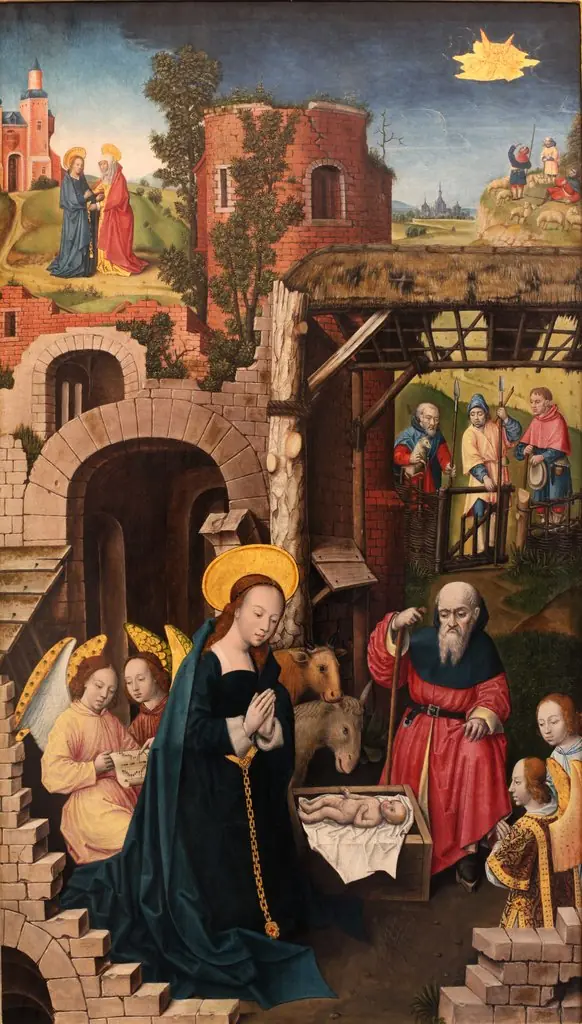
The Nativity
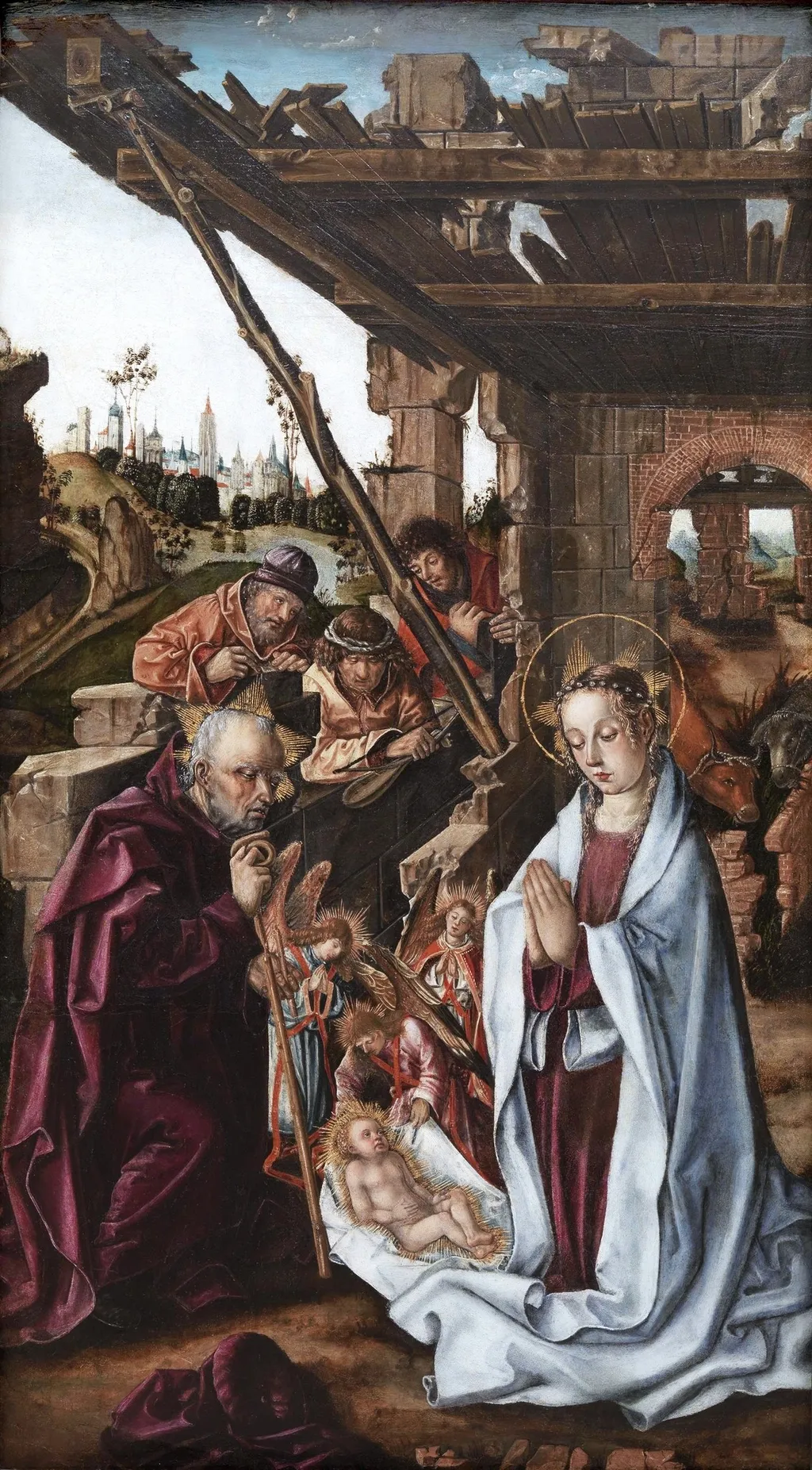
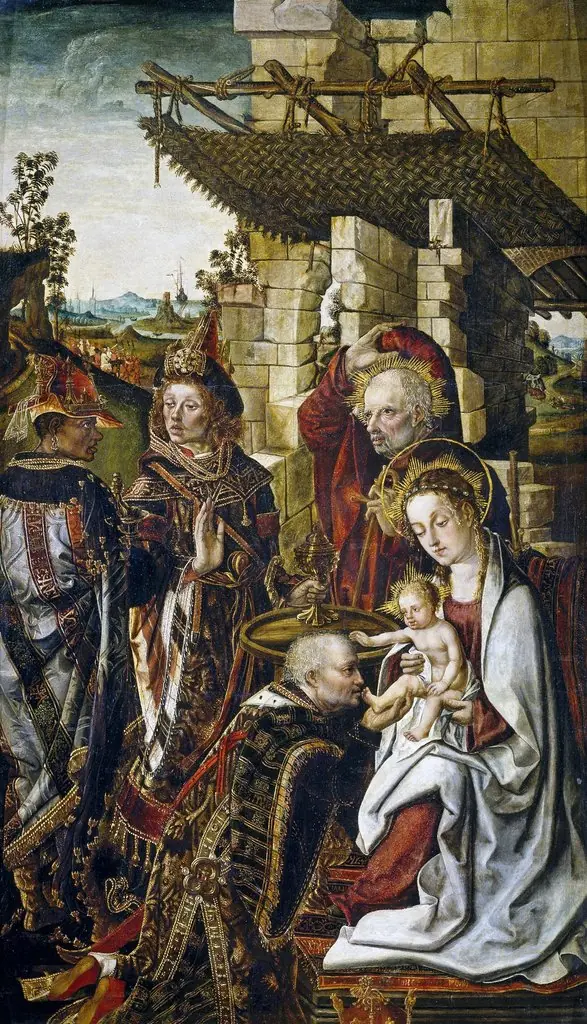
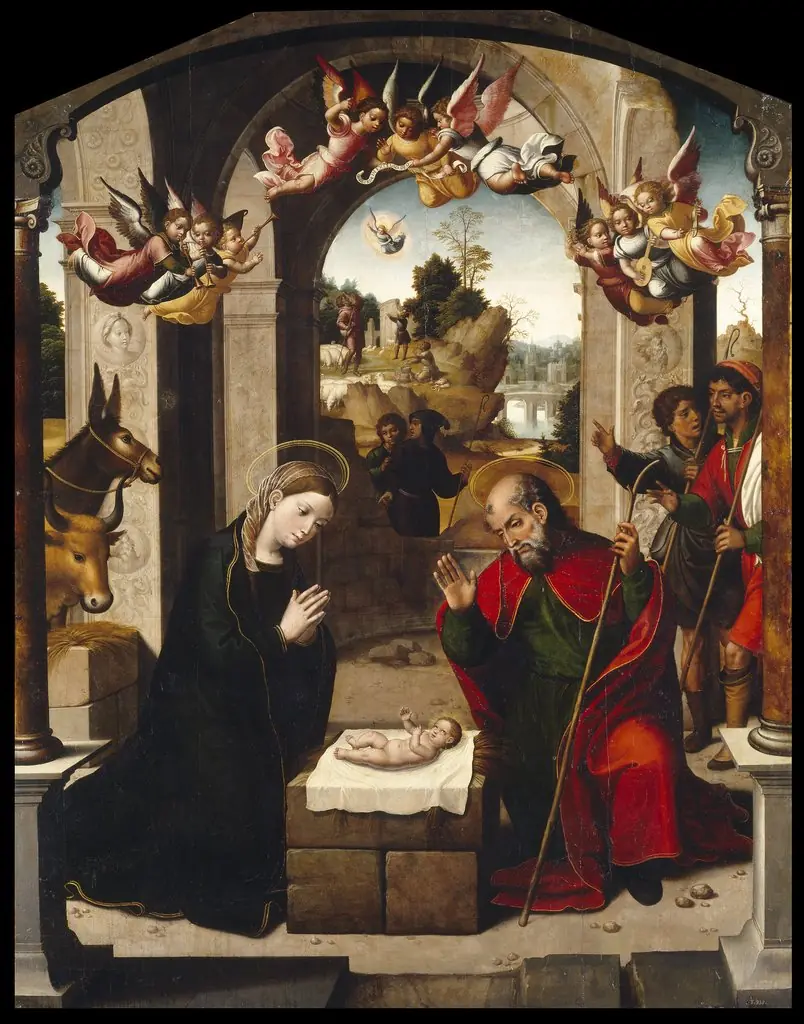
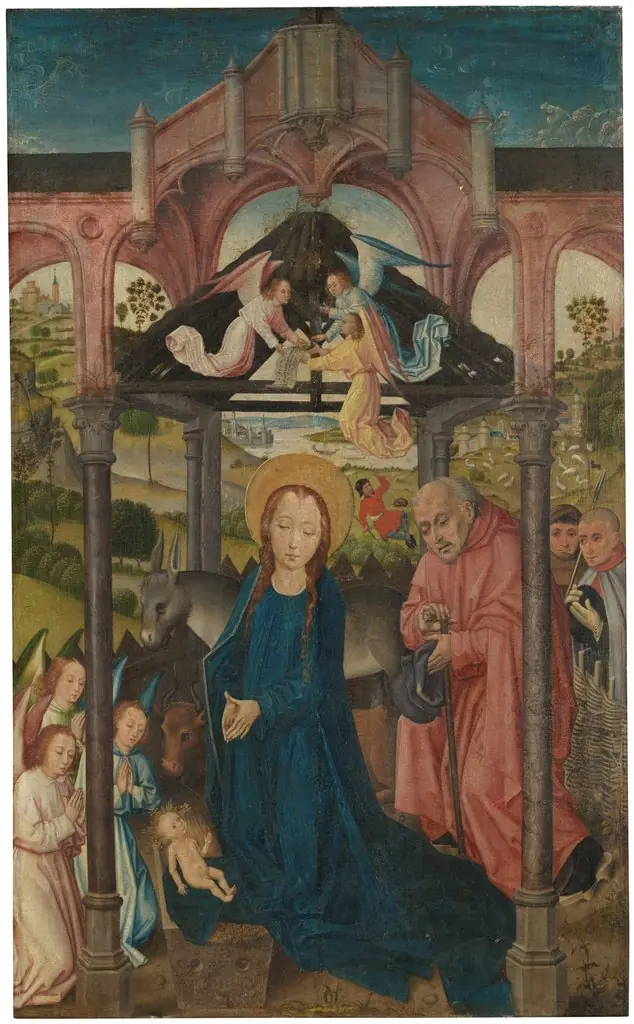
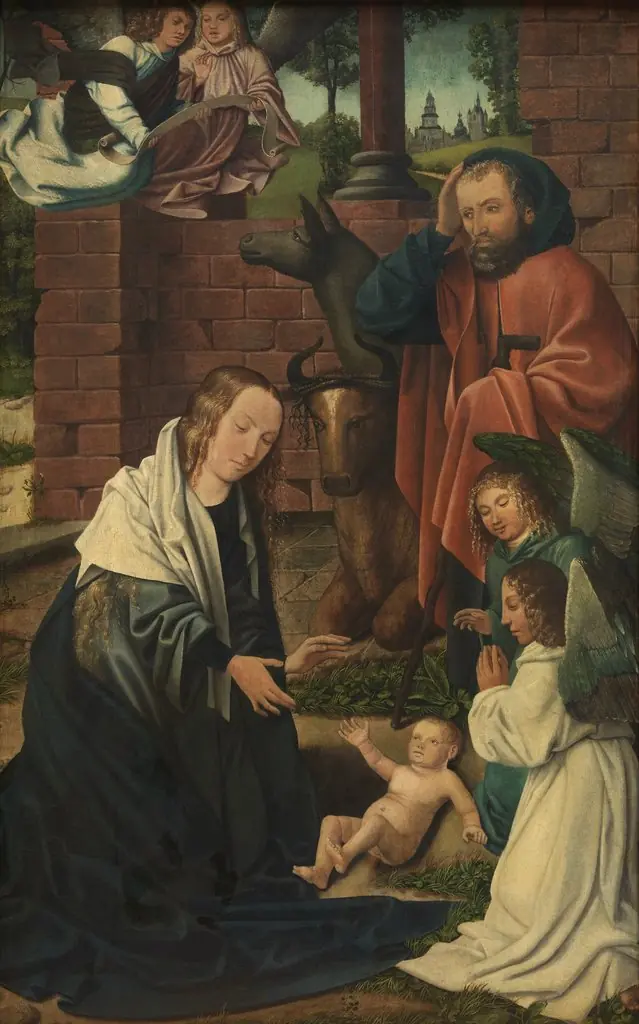
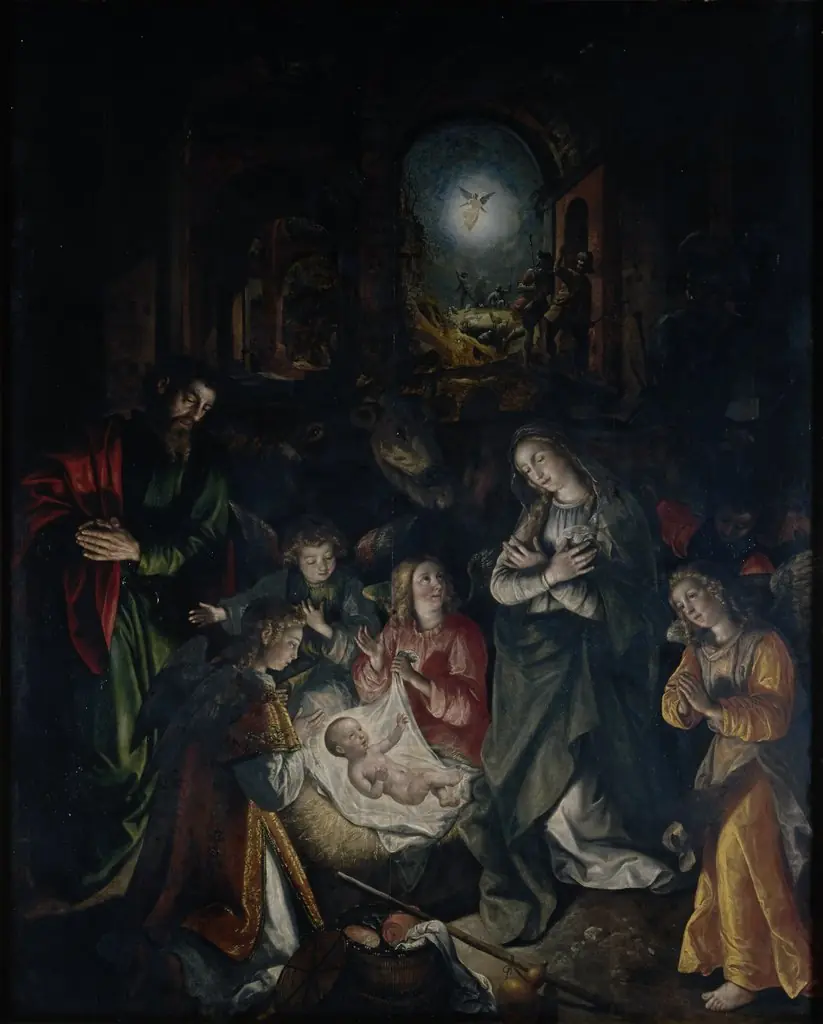
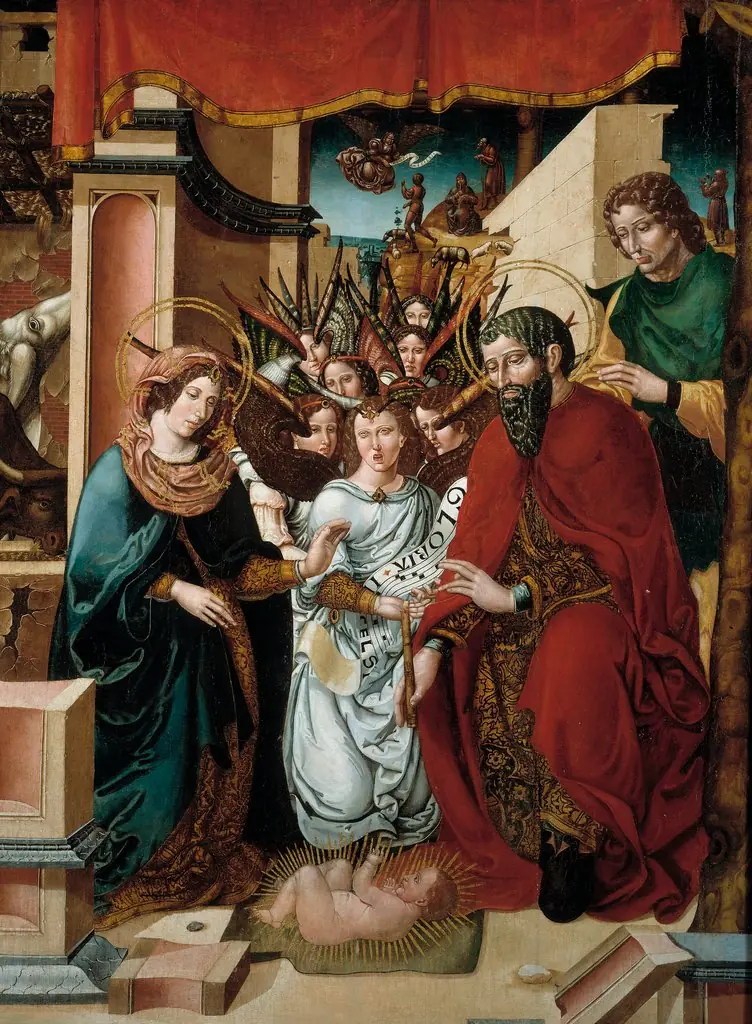
The Nativity is an oil painting by the Early Renaissance artist Francisco de Osona. It dates from 1496 and is held in the collection of the Museo del Prado.
About this work
Overview
Created in 1496, *The Nativity* is an oil painting by the Valencian artist Francisco de Osona. Executed during the early phase of the Spanish Renaissance, the work presents a biblical birth scene with a focus on naturalistic representation. It is part of the permanent collection of the Museo del Prado in Madrid.
Subject & Meaning
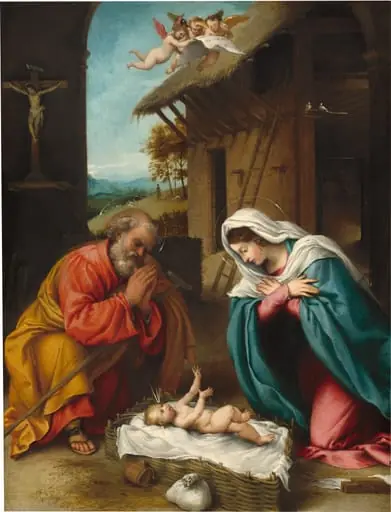
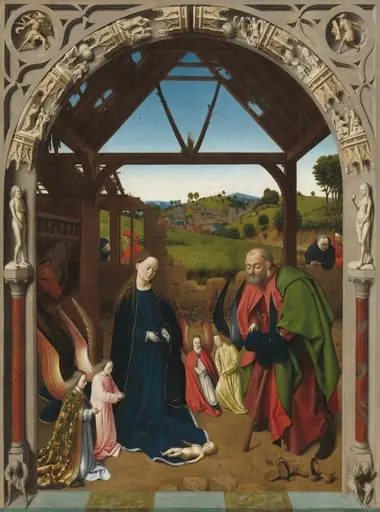
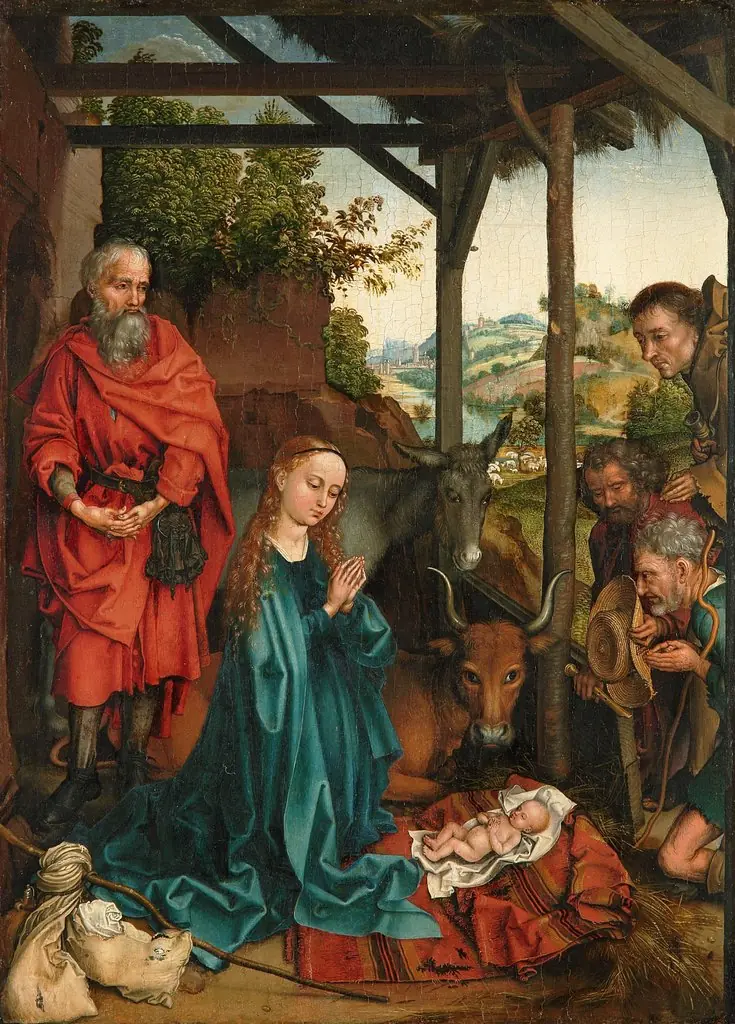
The composition portrays the newborn Christ surrounded by Mary, Joseph, shepherds and angels within a modest stable. A distant cityscape and rolling hills appear behind the figures, situating the holy event in a recognizable landscape. The inclusion of both divine and humble participants underscores the theological theme of incarnation and the meeting of the sacred with everyday life.
Technique & Style
Osona employs oil pigments to achieve a subtle gradation of light and shadow, creating a three‑dimensional effect reminiscent of emerging Italian practices. The palette is dominated by earthy browns and reds, while a touch of blue hints at the sky. The rendering of figures and architecture strives for realism, employing early chiaroscuro to model forms.
History & Provenance
Francisco de Osona, son of the painter Rodrigo de Osona, worked in the family workshop in Valencia, where he absorbed both local traditions and newer influences from Italy. After its creation, the painting entered various private collections before being acquired by the Spanish state and assigned to the Prado, where it remains on display.
Artist & collection
Artist
Francisco de Osona, also Francisco de Osona the Younger, (c.1465–c.1514) was a Spanish Renaissance painter.