Artwork
Marriage of St. Ursula and Prince Conan
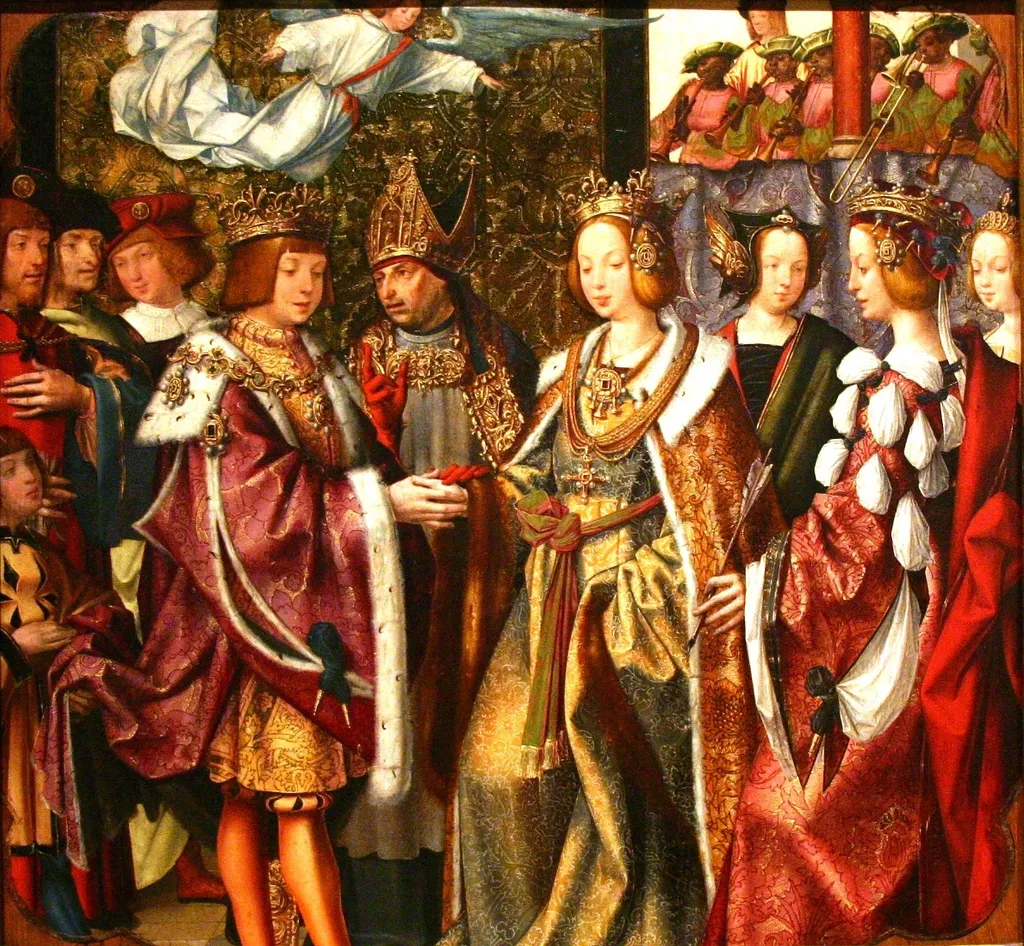
Marriage of St. Ursula and Prince Conan is an oil painting by the Northern Renaissance artist Master of the Altarpiece of Santa Auta. It dates from 1520 and is held in the collection of the National Museum of Ancient Art.
About this work
Overview
Created by an anonymous artist later identified as the Master of the Altarpiece of Santa Auta, it forms part of a devotional series honoring Saint Auta.
This oil painting is one panel from a larger altarpiece commissioned in 1522 by Eleanor of Portugal for the Convent of Madre de Deus in Lisbon. Created by an anonymous artist later identified as the Master of the Altarpiece of Santa Auta, it forms part of a devotional series honoring Saint Auta. The scene depicts a ceremonial betrothal, blending religious narrative with contemporary courtly imagery of early 16th-century Portugal.
Subject & Meaning
The painting illustrates the legendary betrothal of Saint Ursula, a 4th-century Roman-British noblewoman, to Prince Etherius, also called Conan Meriadoc, a Celtic leader. Though Ursula is traditionally venerated for her martyrdom, this moment of secular union reflects the altarpiece’s broader theme of sacred and royal lineage. The inclusion of African musicians underscores the cosmopolitan nature of the Portuguese court, suggesting divine favor extended across cultural boundaries.
Technique & Style
Executed in oil on panel, the work employs glazing techniques to achieve luminous skin tones and rich textile textures. The composition is formal and symmetrical, typical of early 16th-century Portuguese devotional art. Figures are arranged with ceremonial stillness, while detailed costumes and accessories reflect contemporary Portuguese fashion, merging sacred subject matter with realistic courtly detail.
History & Provenance
Commissioned for the Convent of Madre de Deus in Lisbon, the altarpiece was intended to honor Saint Auta, a revered Portuguese saint. The panel remained in the convent until the 19th century, when the collection was dispersed. Its current location is uncertain, though fragments of the altarpiece are held in Portuguese institutional collections. The artist’s identity remains anonymous, known only through stylistic attribution.
Context
Created during the height of Portugal’s Age of Discovery, the painting reflects the kingdom’s expanding global connections. The presence of African musicians at a Christian royal ceremony signals the integration of diverse peoples into courtly life. Religious imagery was often used to legitimize political power; here, Ursula’s union with a Celtic prince may have subtly reinforced Portugal’s claims to ancestral legitimacy and divine sanction.
Legacy
Though the full altarpiece is no longer intact, this panel remains a significant example of early Portuguese Renaissance painting. It offers insight into how religious narratives were adapted to reflect contemporary social realities, including multicultural court life. The anonymity of its creator highlights the collaborative nature of devotional art production, where individual recognition was secondary to spiritual function.
Artist & collection
Artist
Master of the Altarpiece of Santa Auta
This anonymous Portuguese painter created vivid religious panels in the early 1500s.

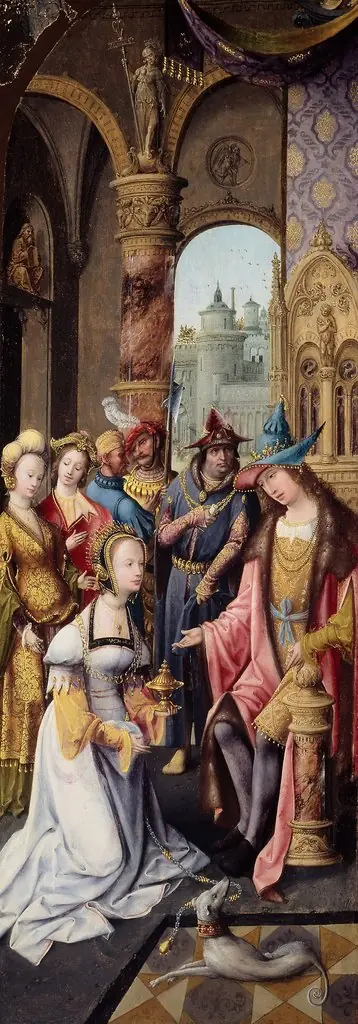 King Solomon Receiving the Queen of Sheba
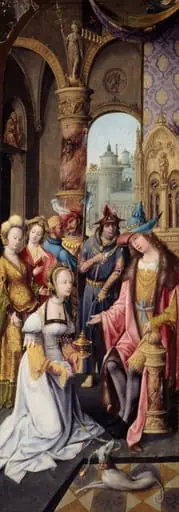 King Solomon Receiving the Queen of Sheba
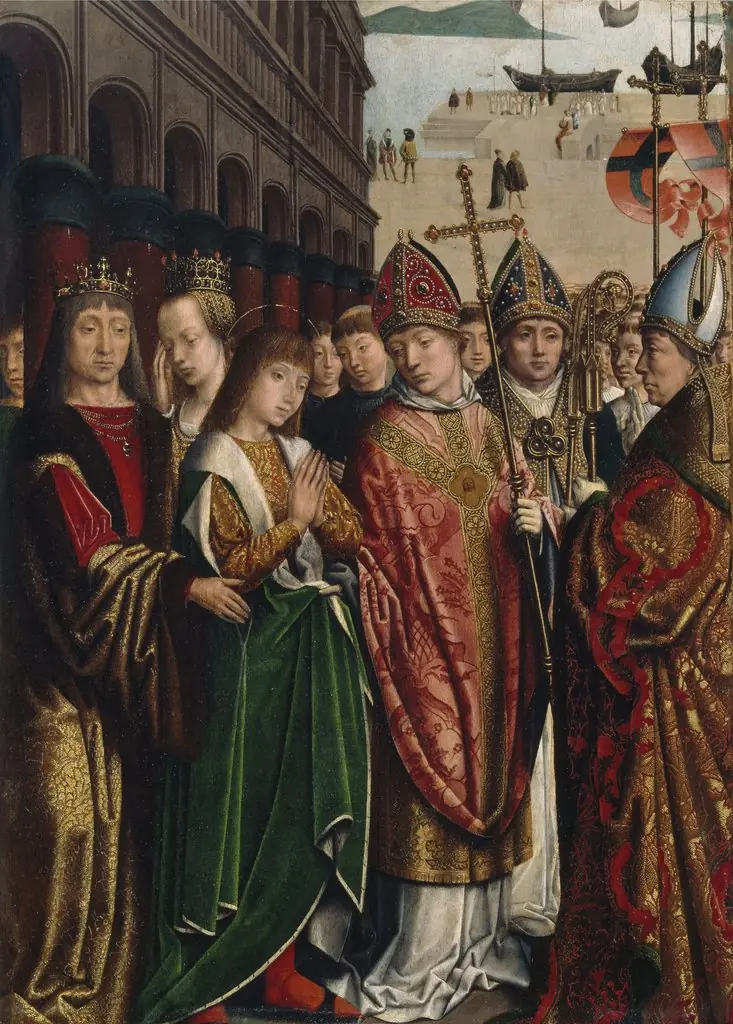 Saint Rumbold Taking Leave of his Parents
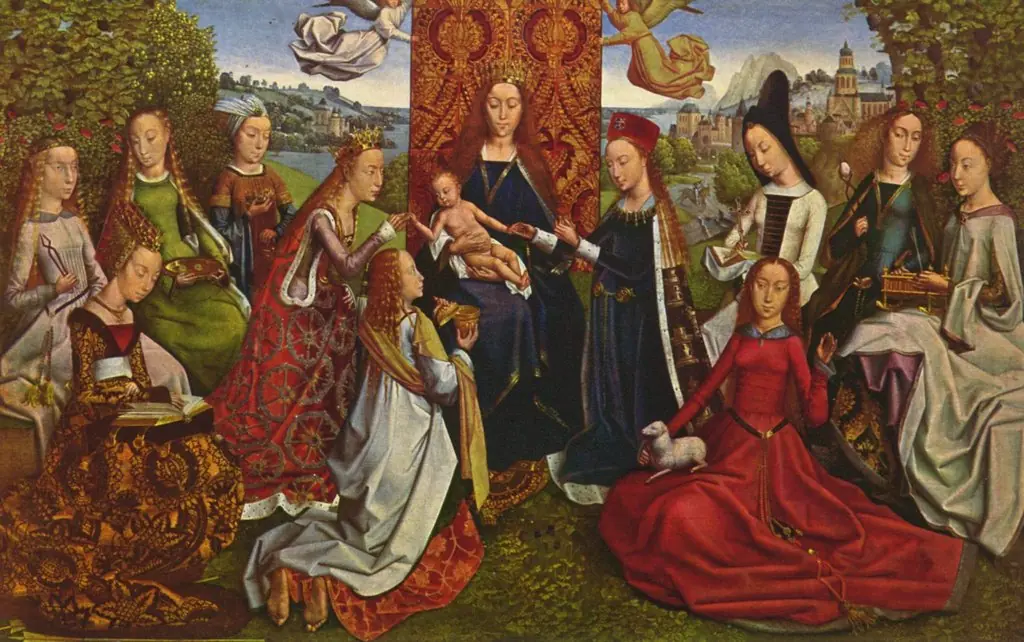 Virgo inter Virgines
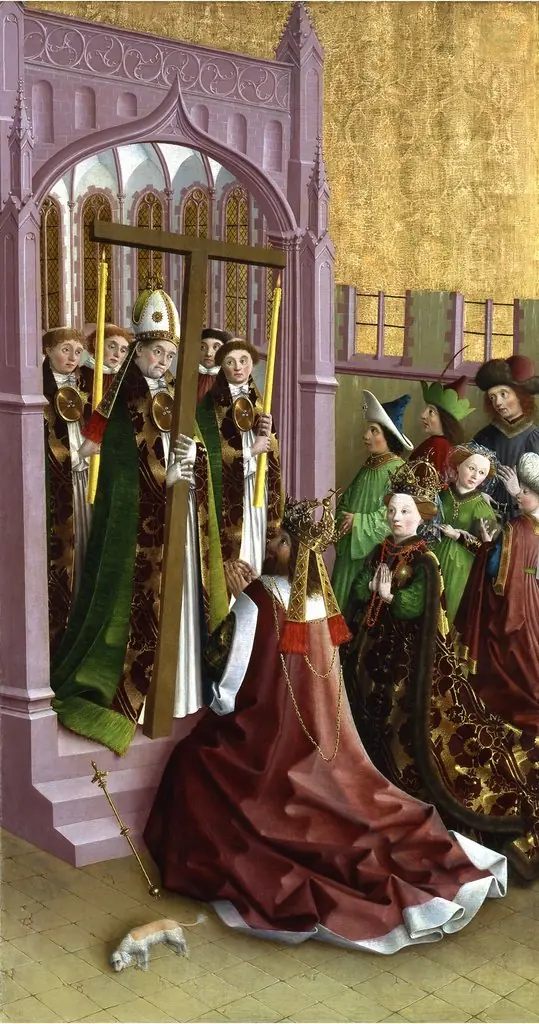 Darmstadt Altarpiece: Constantine and His Mother Helena Venerating the True Cross
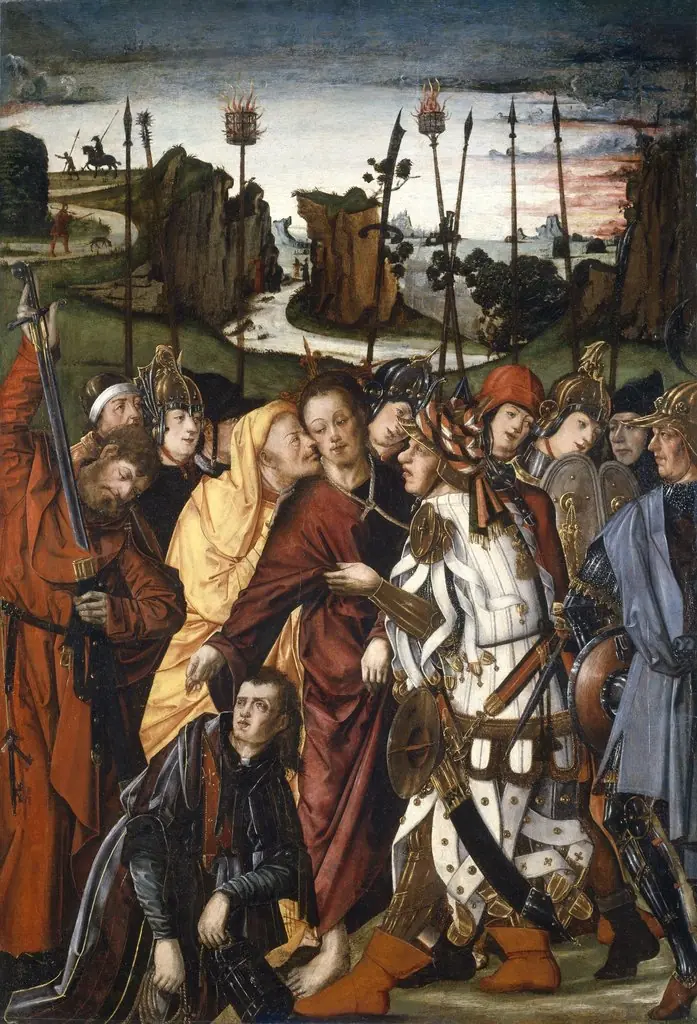 The Taking of Christ
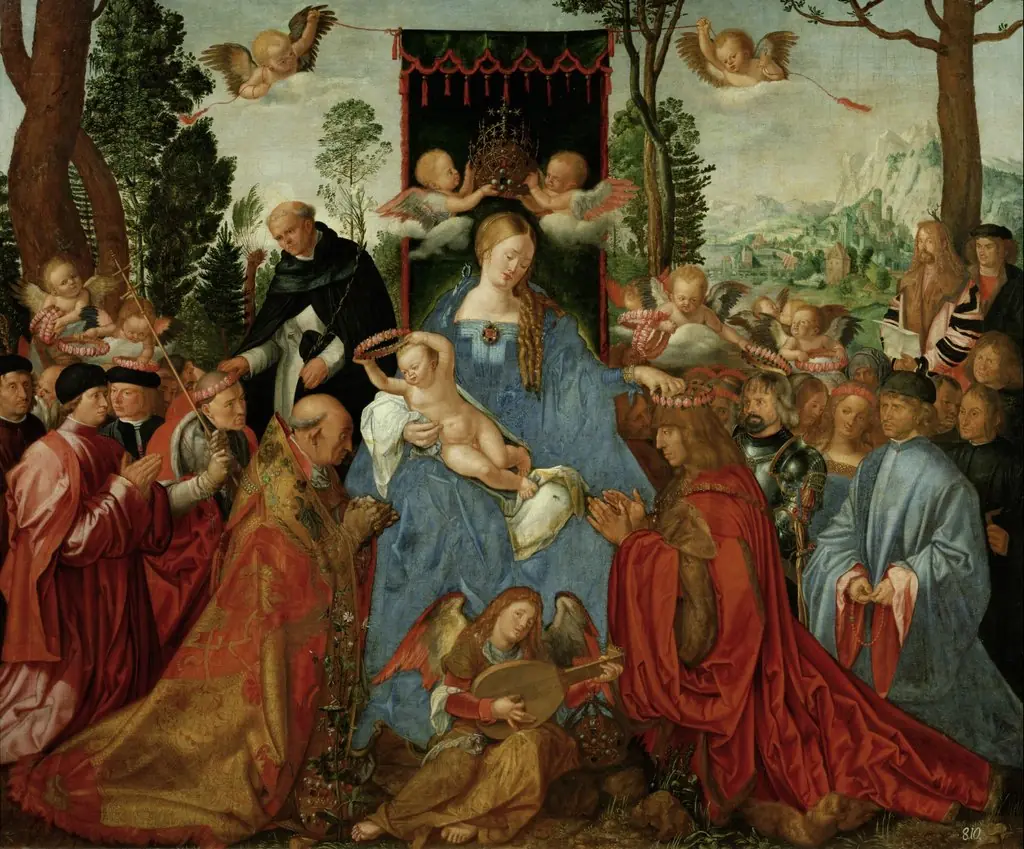 Rosenkranzfest
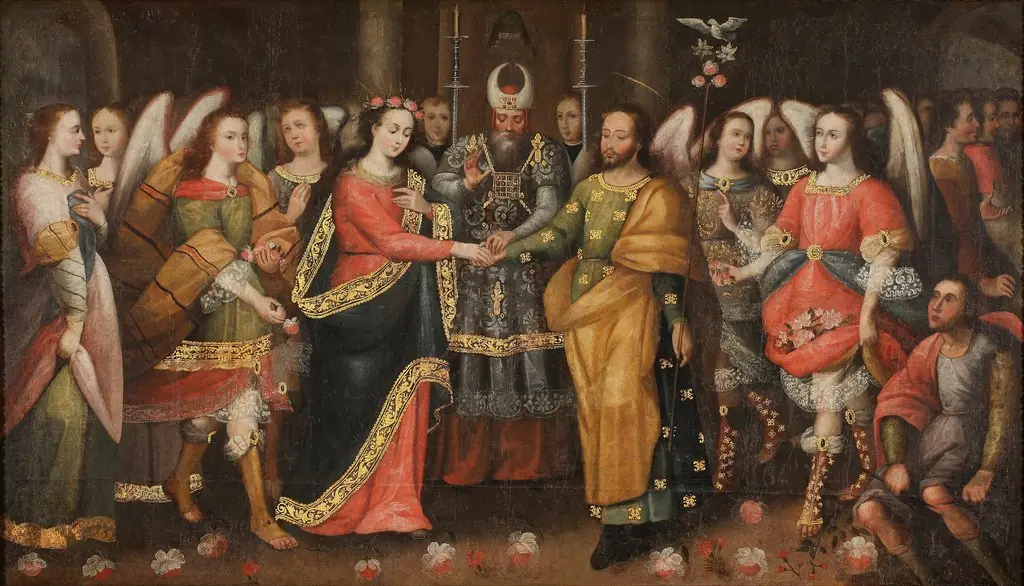 The Marriage of the Virgin
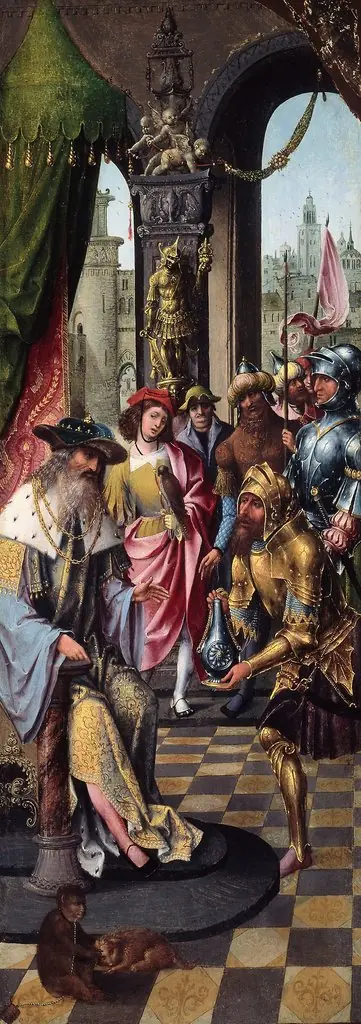 King David Receiving the Cistern Water of Bethlehem
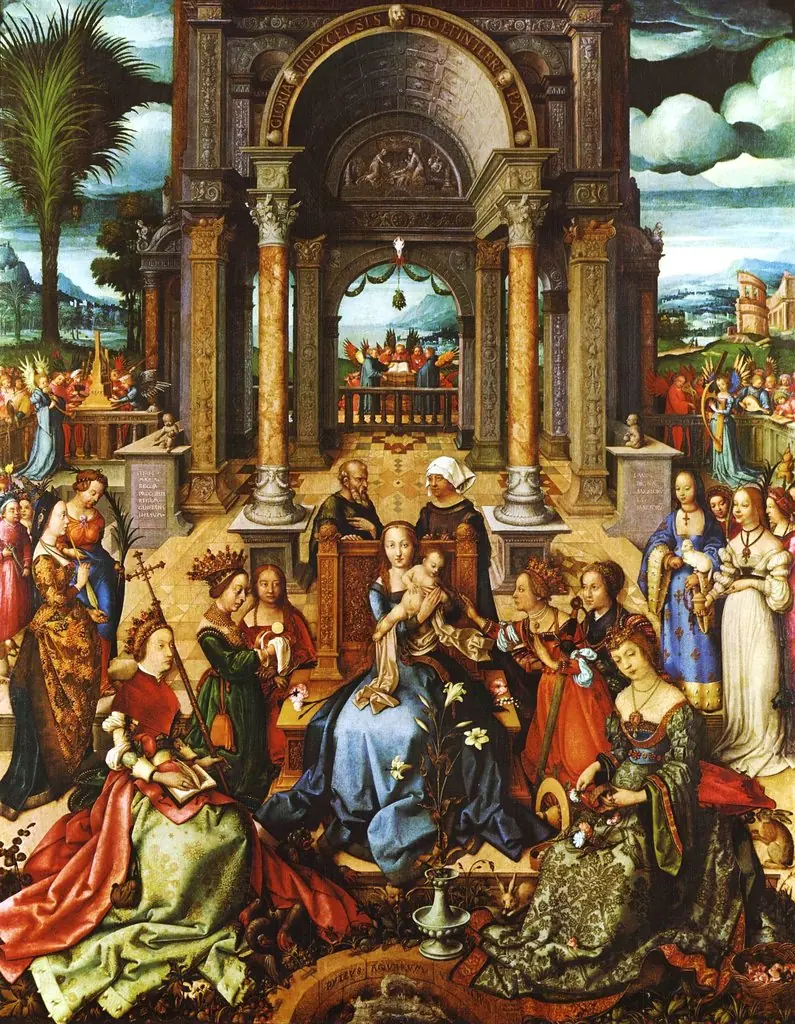 Virgin with Child by Hans Holbein the Elder, Museu Nacional de Arte Antiga
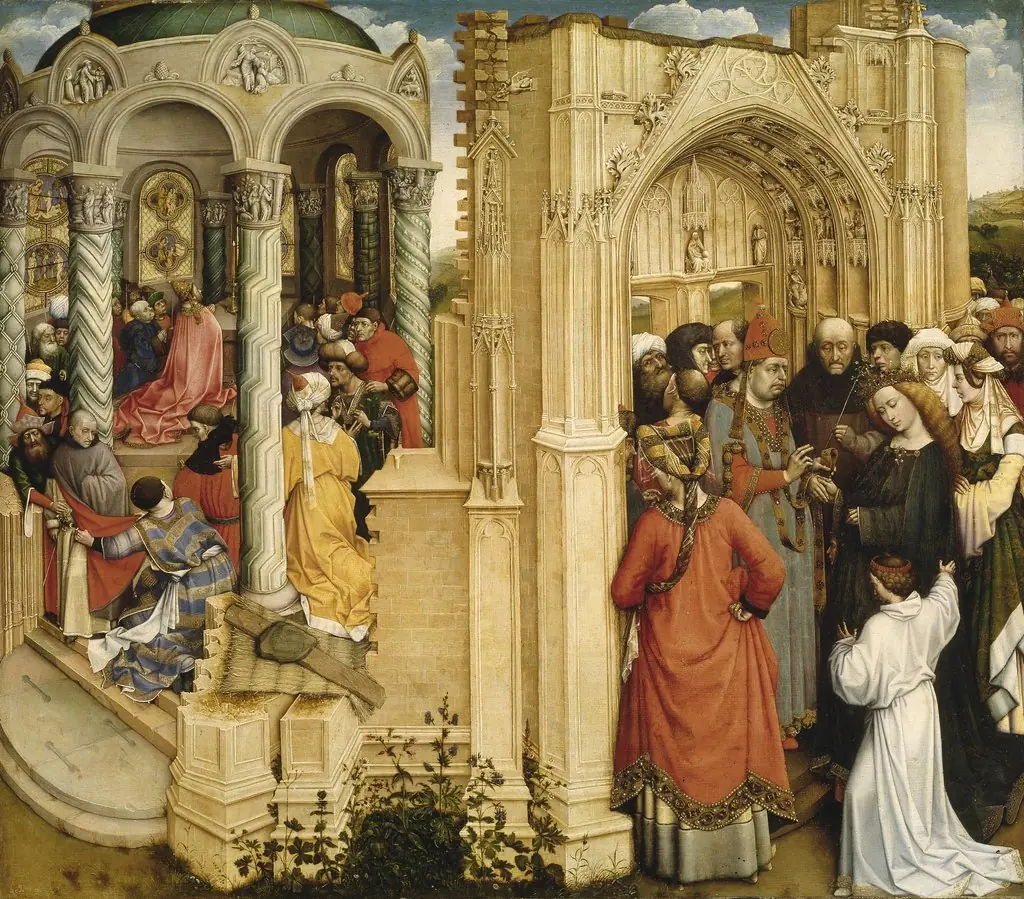 Marriage of the Virgin