Artwork
Interior of right wing, St. Ursula altarpiece
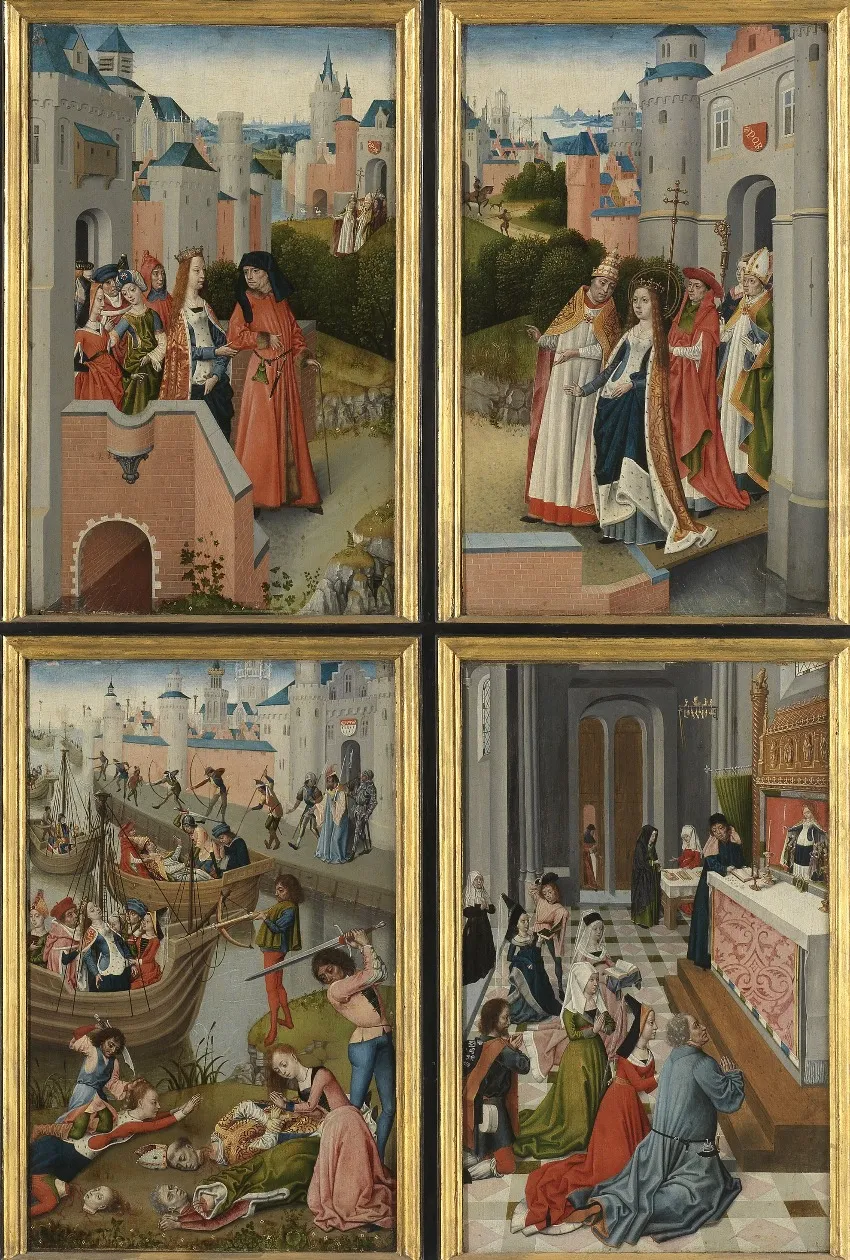
Interior of right wing, St. Ursula altarpiece is an oil painting by the Northern Renaissance artist Master of the Bruges Legend of St. Ursula. It dates from 1492 and is held in the collection of the Groeningemuseum. Painted in 1492, this panel is one of four from the right wing of a polyptych commissioned for the cult of Saint Ursula.
About this work
Overview
Painted in 1492, this panel is one of four from the right wing of a polyptych commissioned for the cult of Saint Ursula.
Painted in 1492, this panel is one of four from the right wing of a polyptych commissioned for the cult of Saint Ursula. Created by an anonymous Flemish artist known as the Master of the Bruges Legend of St. Ursula, it belongs to a larger devotional altarpiece. The work is executed in oil on panel, characteristic of late 15th-century Northern European practice, and was designed for liturgical use in a church or chapel setting.
Subject & Meaning
The four panels illustrate episodes from the legend of Saint Ursula, a Christian martyr whose story involved pilgrimage, martyrdom, and divine protection. Upper scenes depict dignified figures in ceremonial robes, likely representing Ursula and her companions in moments of spiritual preparation. Lower panels show violent conflict and communal gathering, symbolizing the martyrdom of Ursula and her followers by Huns. The narrative progression guides viewers from solemnity to tragedy.
Technique & Style
Oil paint allows for fine detail and layered color, evident in the textured fabrics, architectural surfaces, and atmospheric depth. The artist employs precise linear perspective to construct interior spaces, with a recognizable view of Bruges in the distance, anchored by the Church of Notre-Dame’s belfry. Subtle modeling of forms and restrained chiaroscuro enhance spatial realism without dramatic contrast, reflecting a Northern Renaissance preference for observed detail over emotional intensity.
History & Provenance
The altarpiece was originally installed in a Bruges church, likely associated with a guild or religious confraternity devoted to Saint Ursula. Its panels were separated over time, with the right wing surviving in fragments. The specific provenance of this panel is documented through archival records and stylistic comparison with other works attributed to the same hand, though the full altarpiece remains incomplete.
Context
In late 15th-century Flanders, devotional altarpieces often combined biblical or hagiographic narratives with local landmarks to reinforce communal identity. Bruges, a wealthy trading hub, supported a vibrant artistic culture where painters blended sacred storytelling with meticulous rendering of urban and domestic environments. This panel reflects both religious devotion and civic pride, embedding the saint’s legend within a familiar urban landscape.
Legacy
Though the artist’s identity remains obscure, the work contributes to the understanding of anonymous workshop practices in Bruges. Its integration of architecture, narrative, and local topography influenced later Northern painters who sought to ground sacred stories in tangible, contemporary settings. The panel remains a key example of how devotional art functioned as both spiritual instruction and civic representation in the late Middle Ages.
Artist & collection
Artist
Master of the Bruges Legend of St. Ursula
The Master of the Legend of St. Ursula (1436–1505) was a Flemish painter active in the fifteenth century. His name is derived from a polyptych depicting scenes from the life of Saint Ursula painted for the convent of…

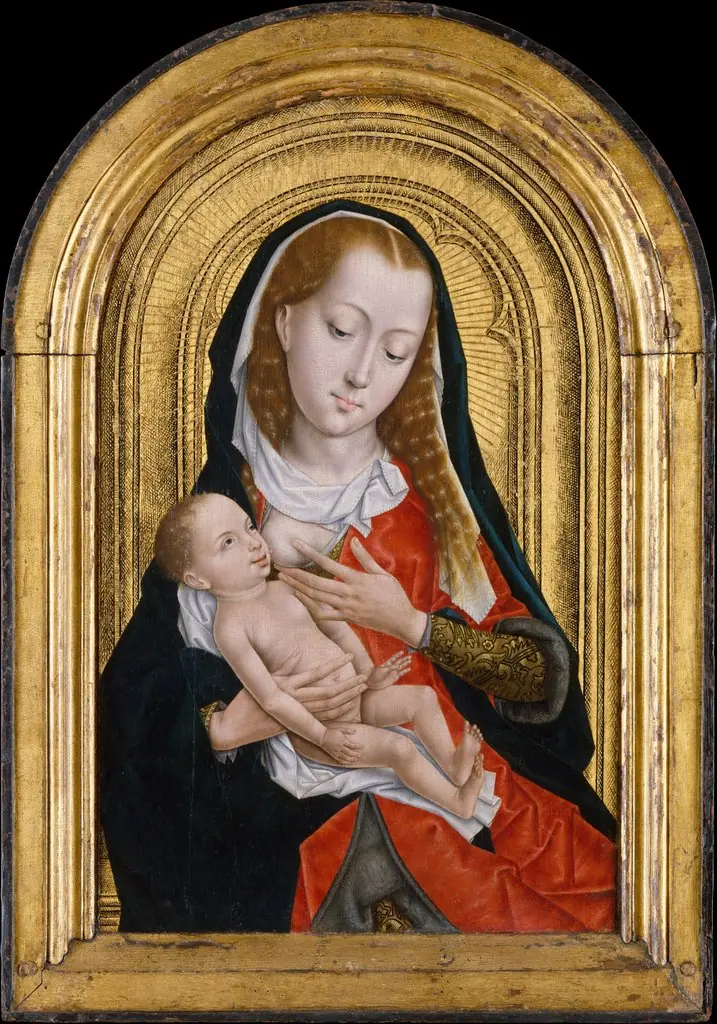 Virgin and Child
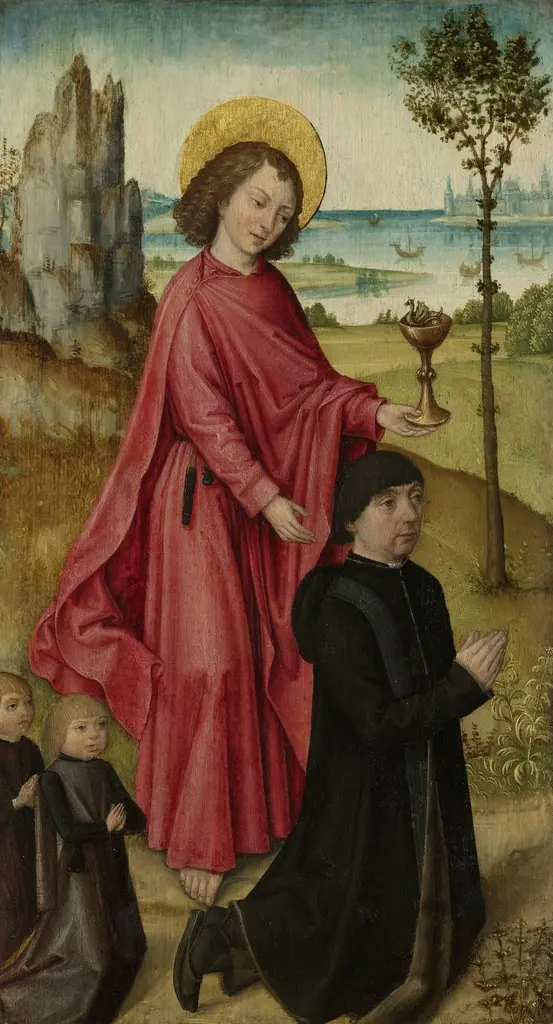 Inner left wing of a triptych with the donor, his two sons and St John the Evangelist
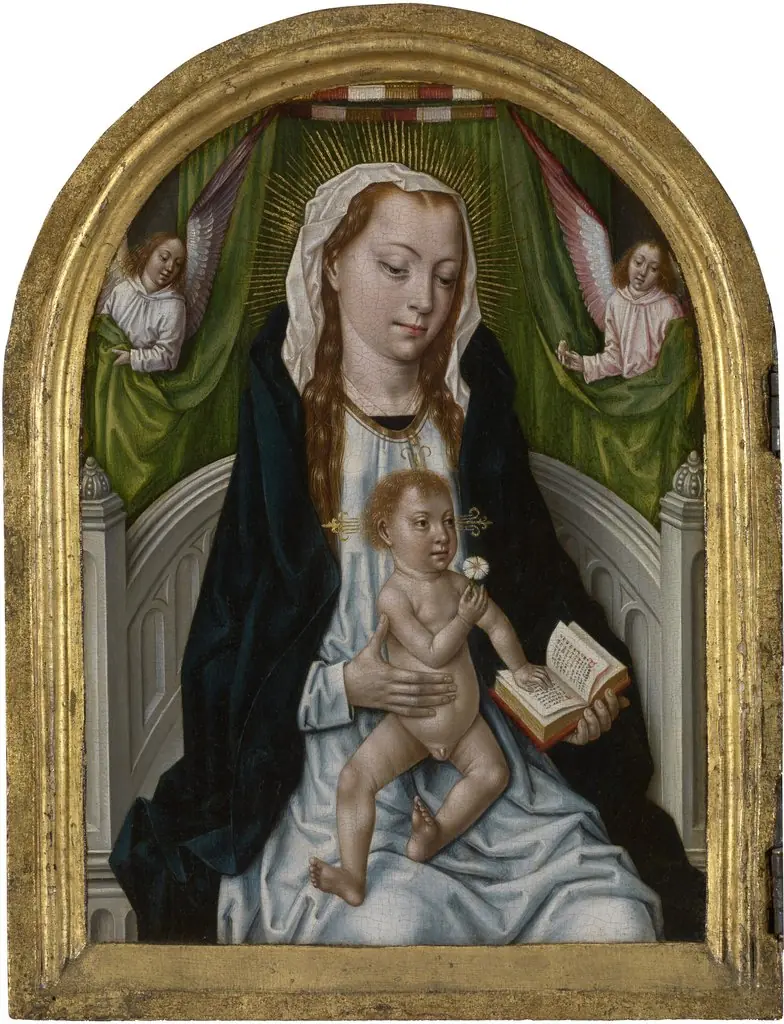 Virgin and Child with Angels
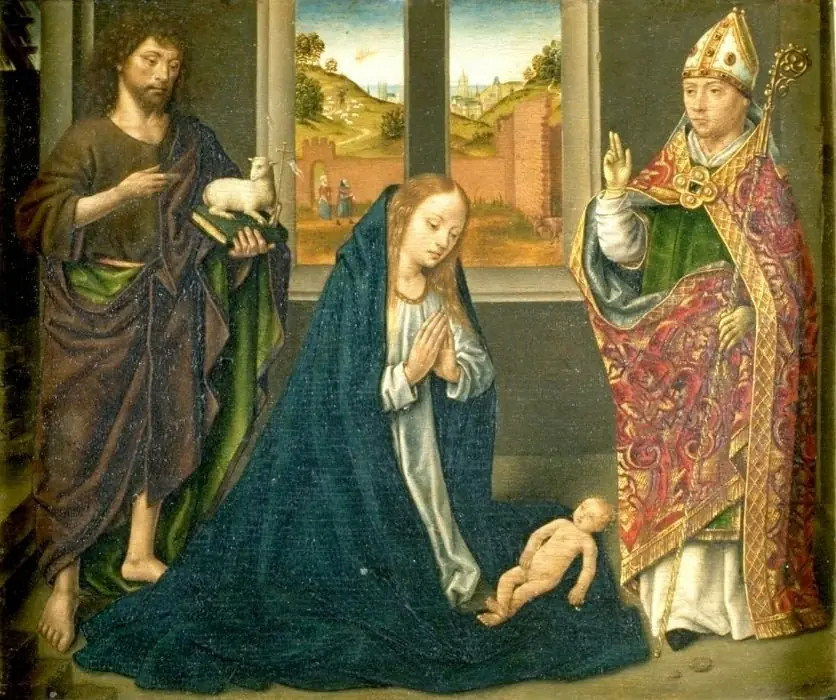 The adoration of the Christ-child and Saints John the Baptist and Donatius
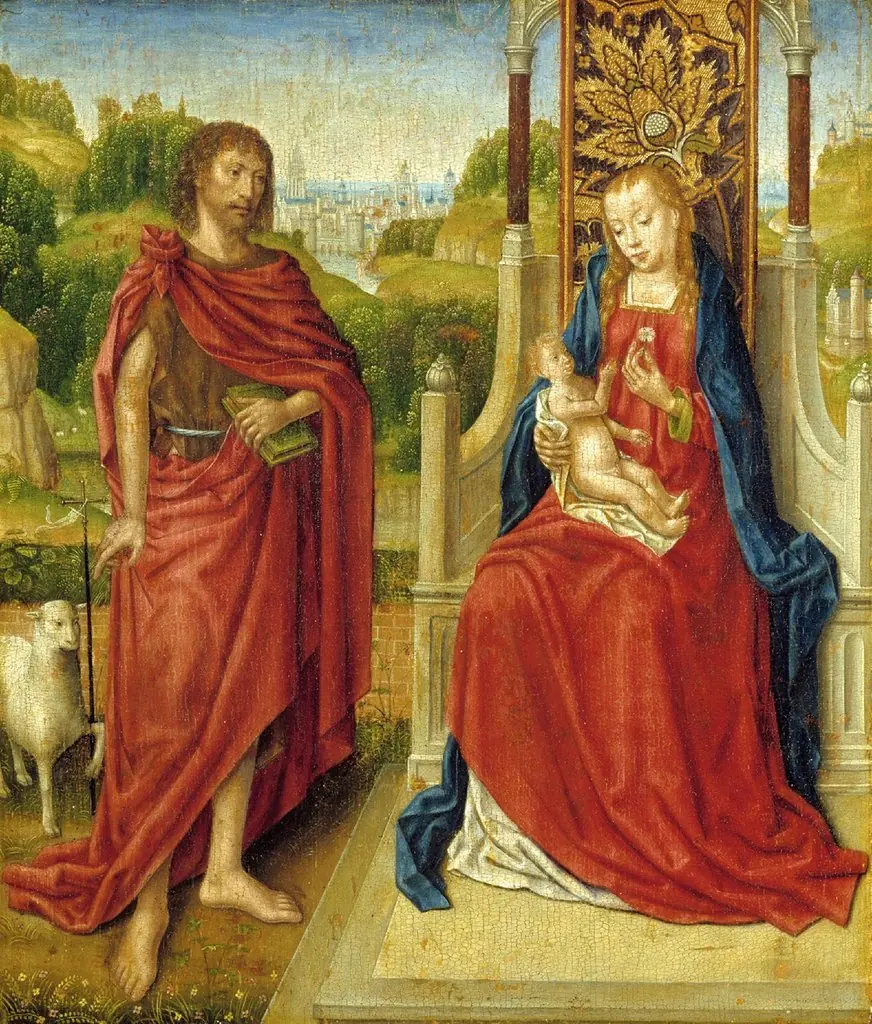 Virgin and Child and Saint John the Baptist
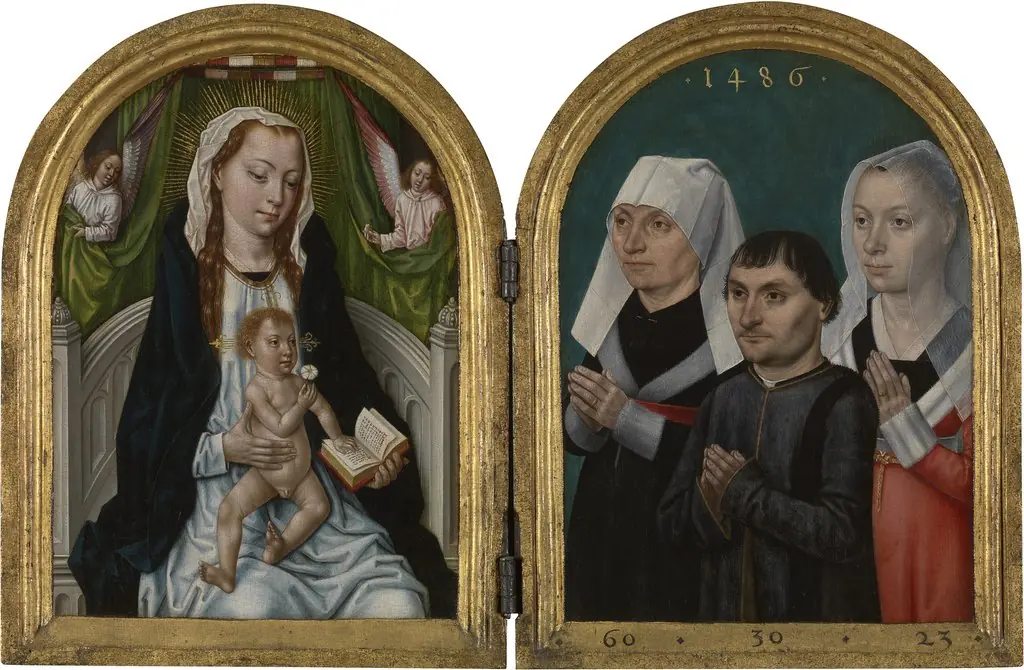 Diptych with the Virgin and Child and Three Donors
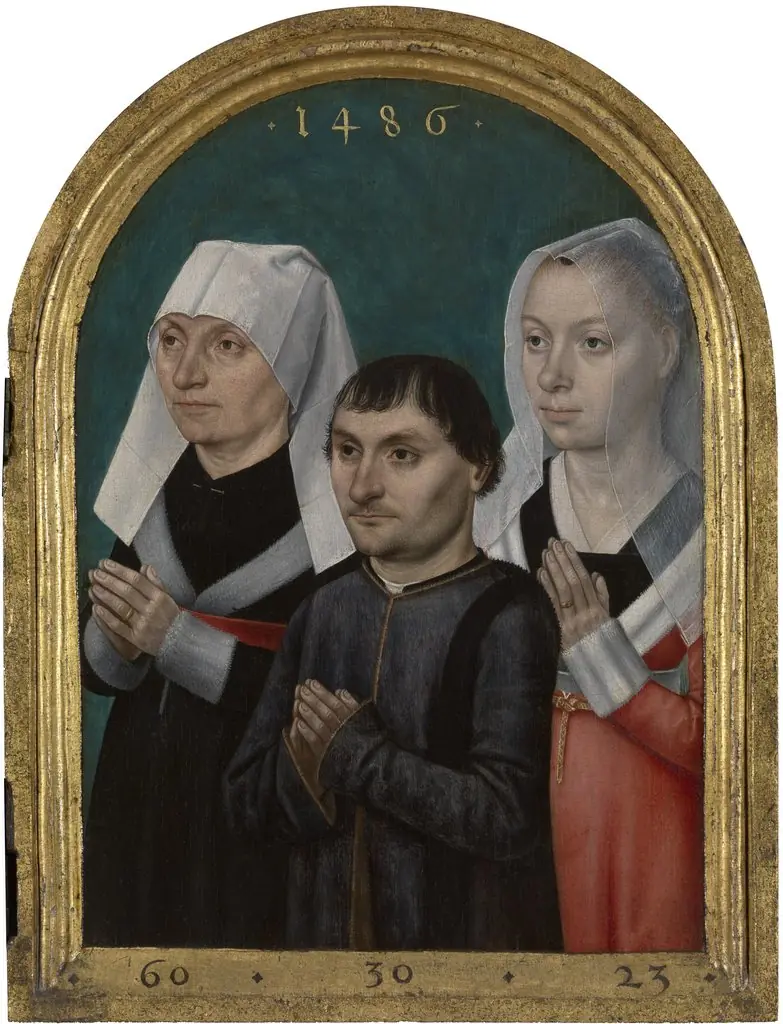 Three Donors
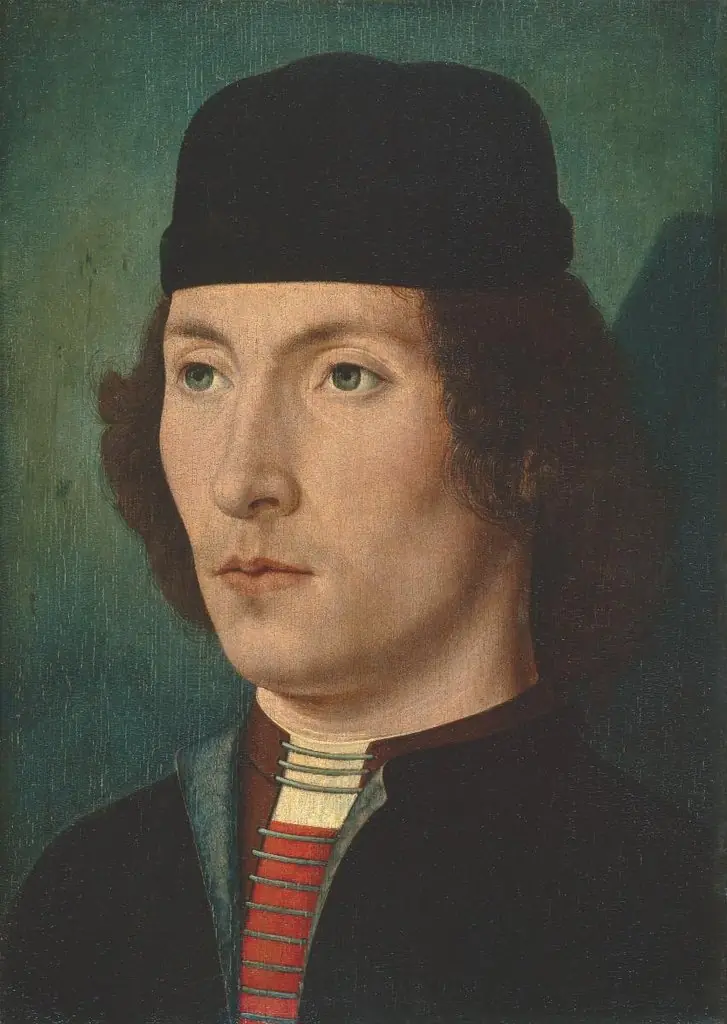 Portrait of a young man
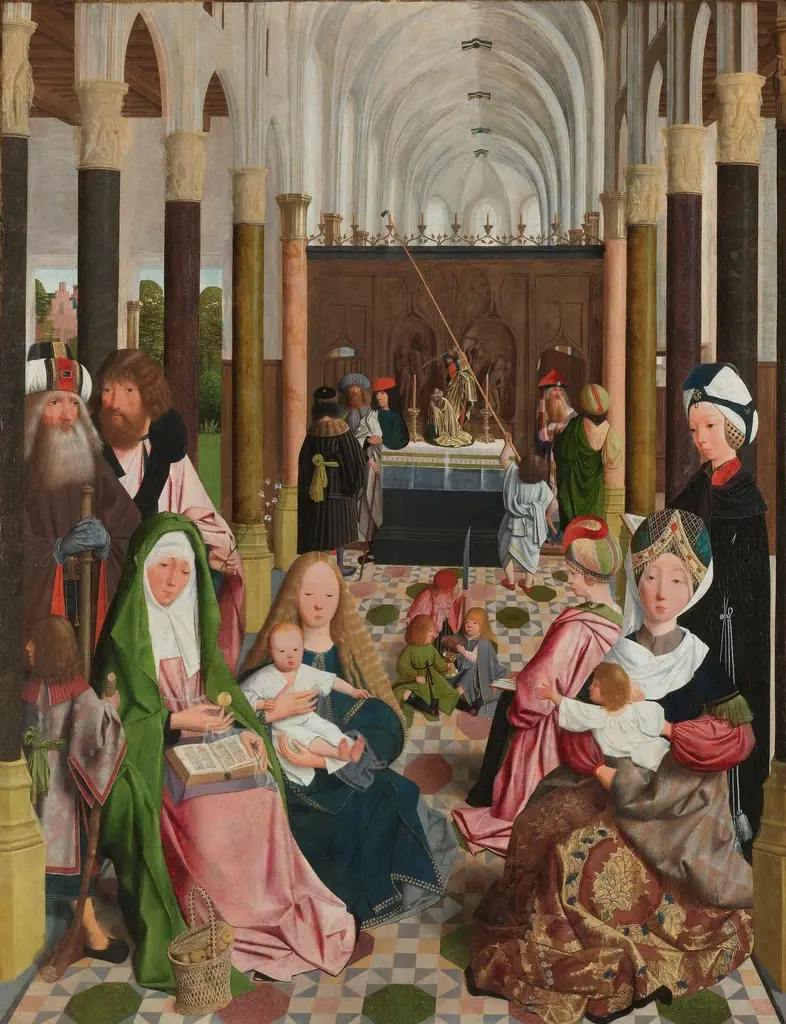 The Holy Kinship
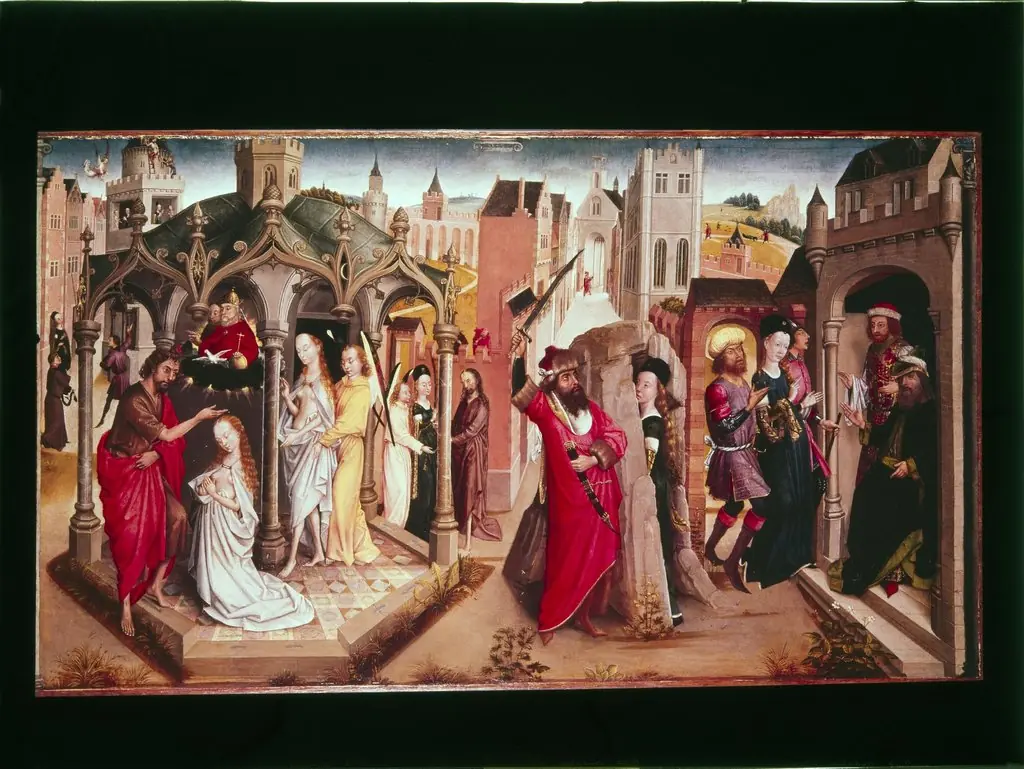 Part of a triptych; Scenes of the Life of St. Barbara
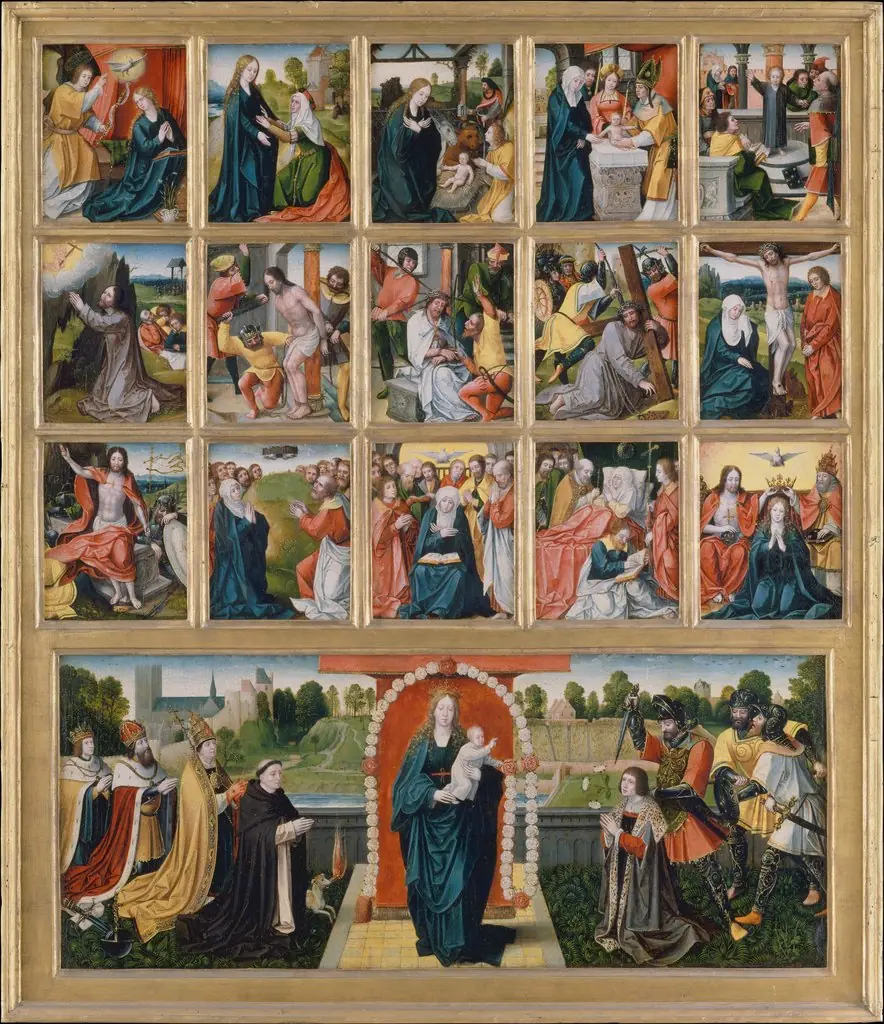 The Fifteen Mysteries and the Virgin of the Rosary
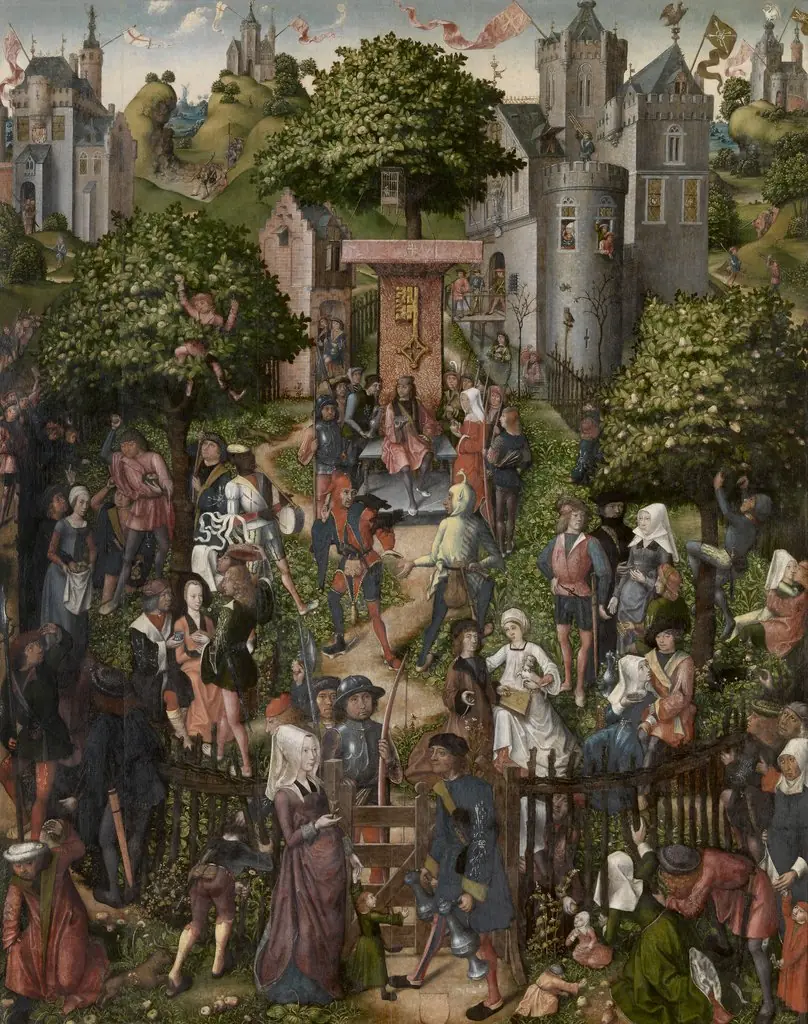 Festival of the Archers
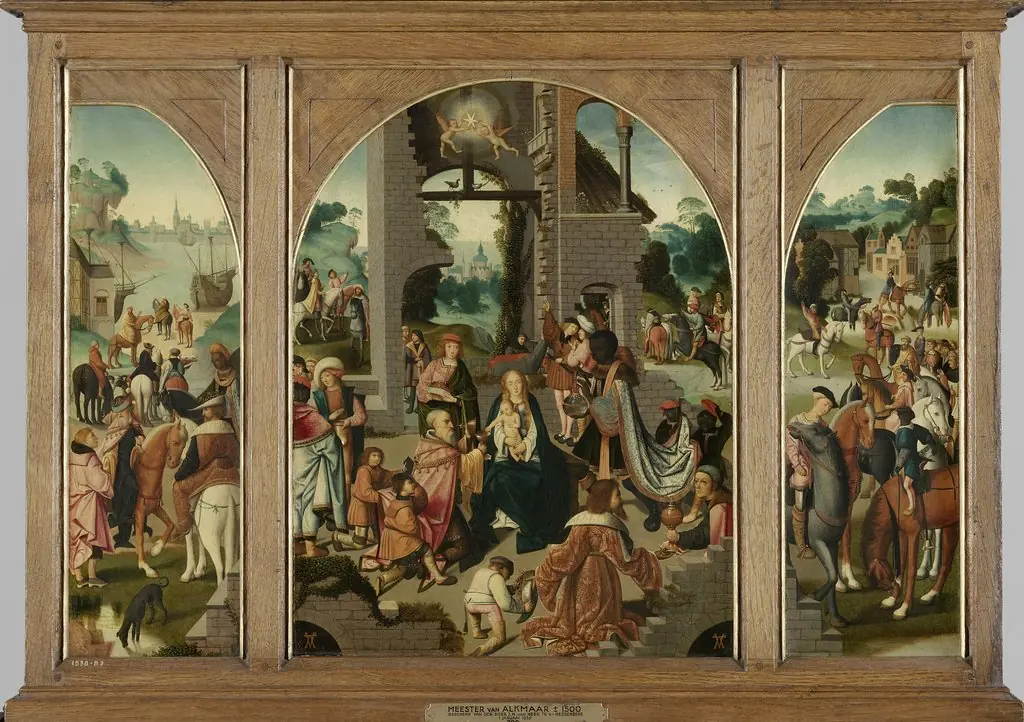 Triptych with the adoration of the Magi (centre panel and inner wings), St Antony Abbot (outer left wing) and St Adrian (outer right wing)
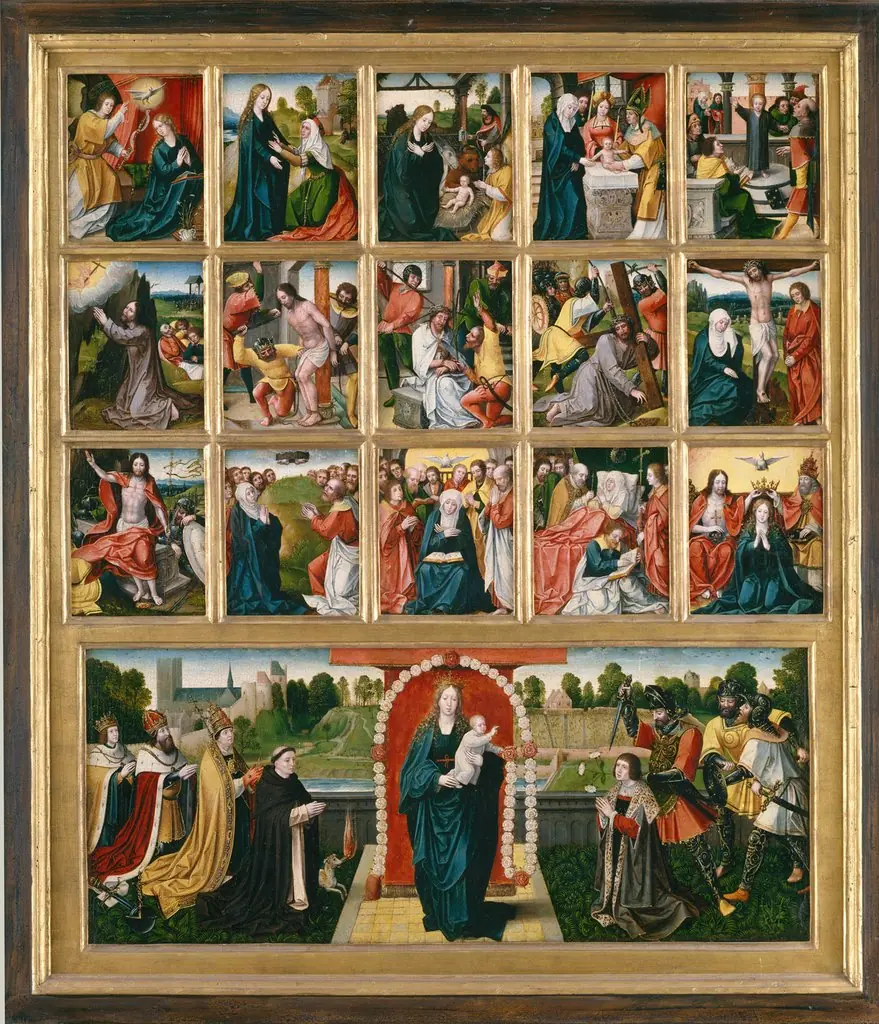 The Fifteen Mysteries and the Virgin of the Rosary
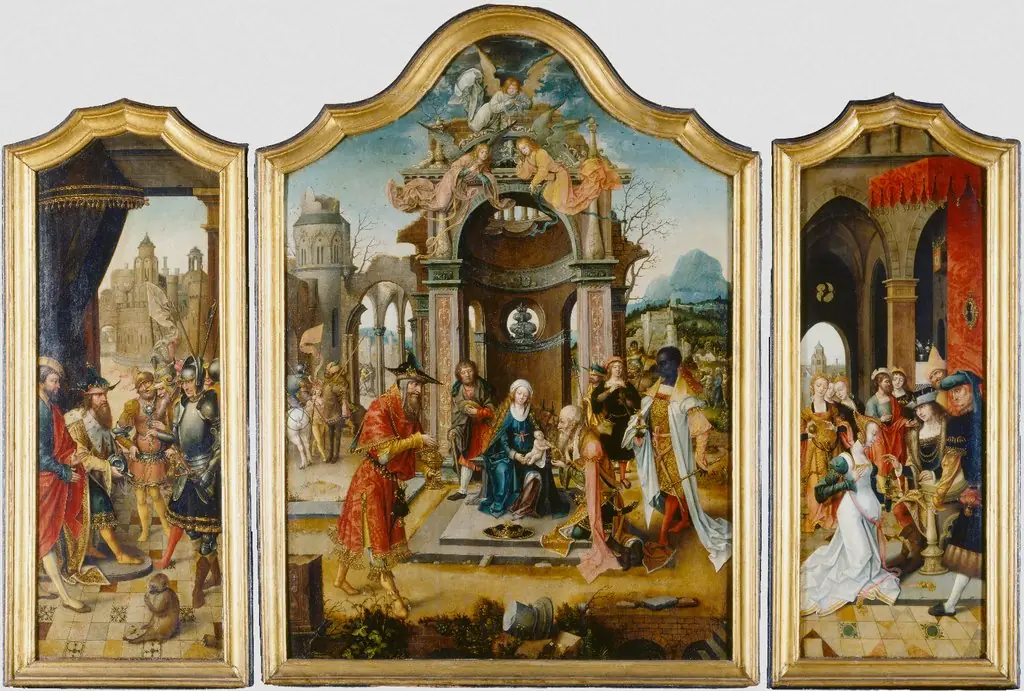 Triptych of the Adoration of the Magi
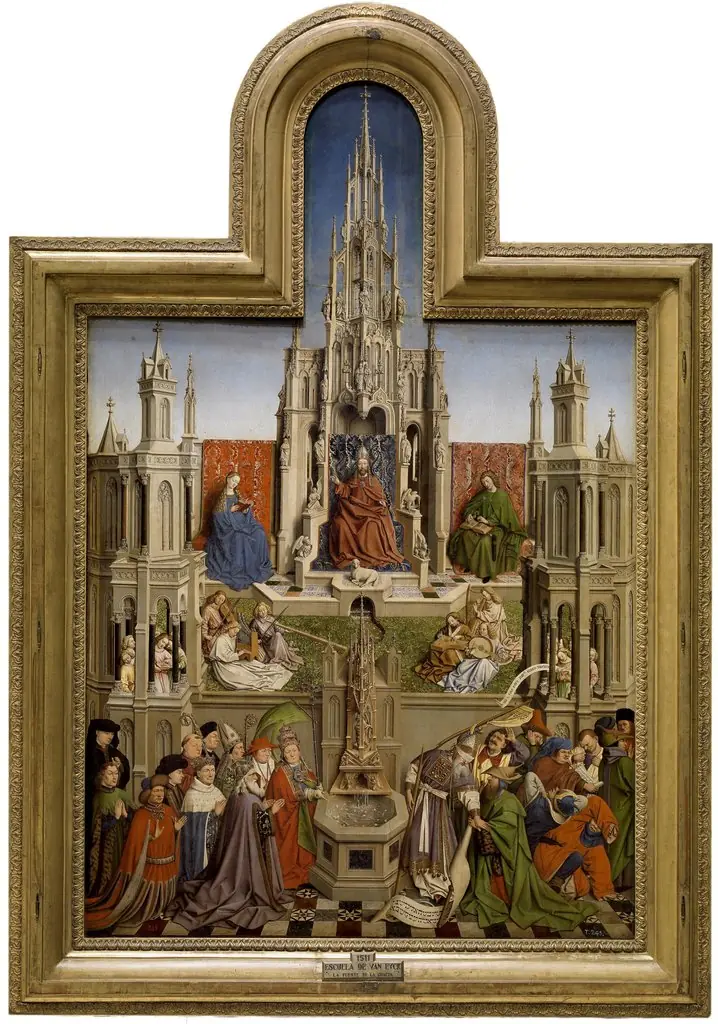 The Fountain of Life
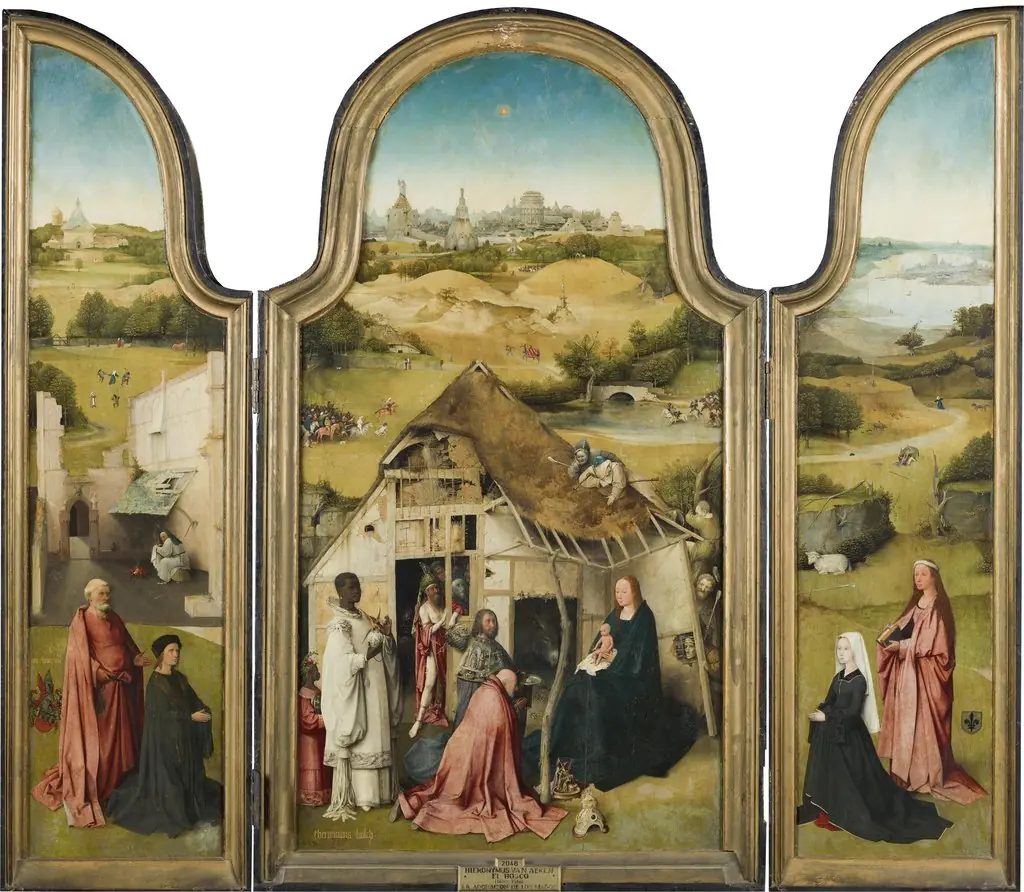 The Epiphany
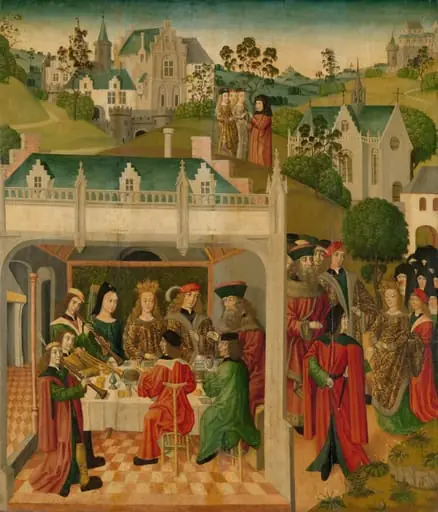 Wedding Feast of Saint Elizabeth of Hungary and Louis of Thuringia in the Wartburg, inner left wing of an altarpiece made for the Grote Kerk in Dordrecht