Artwork
Lamb of God and saints from Santa Maria de Taüll
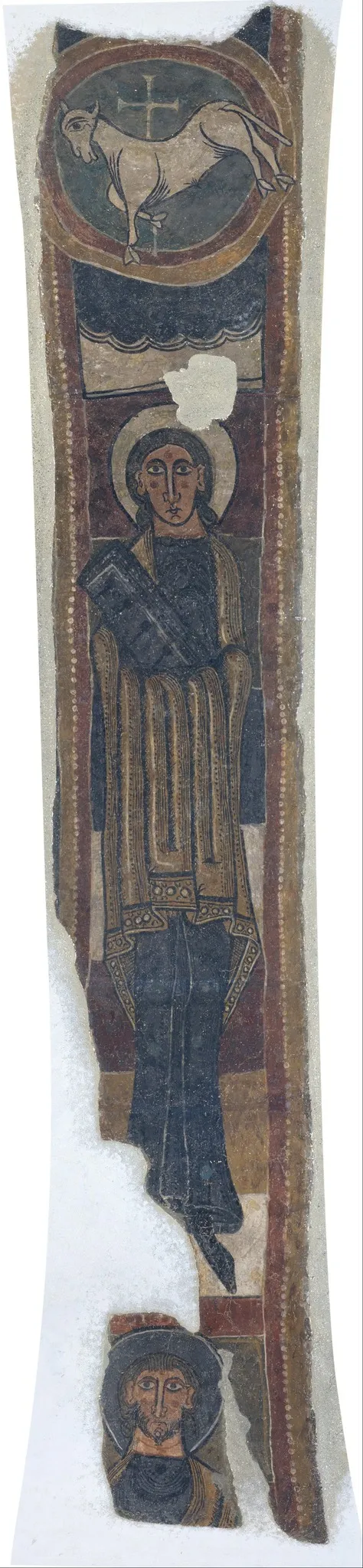
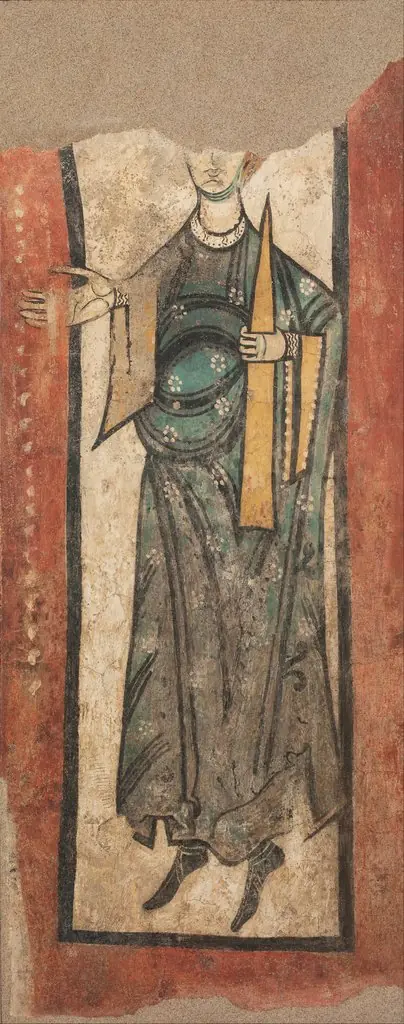
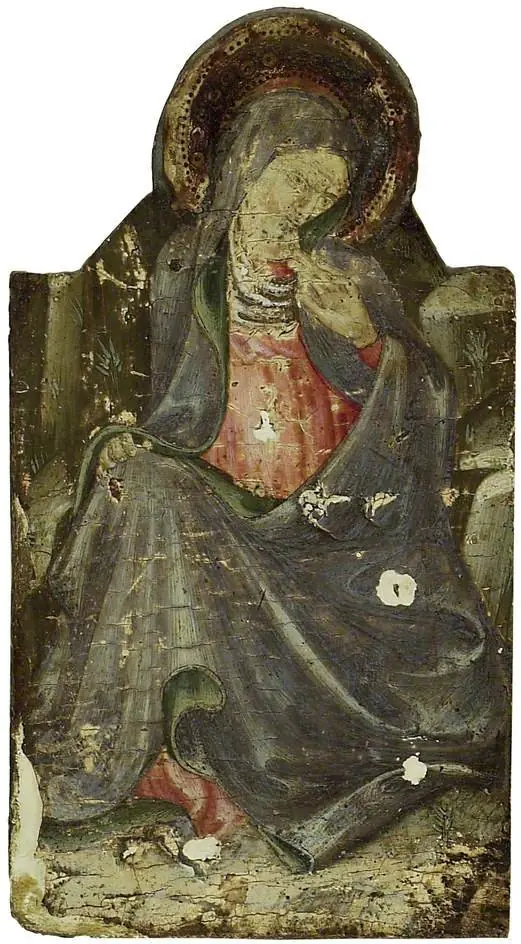
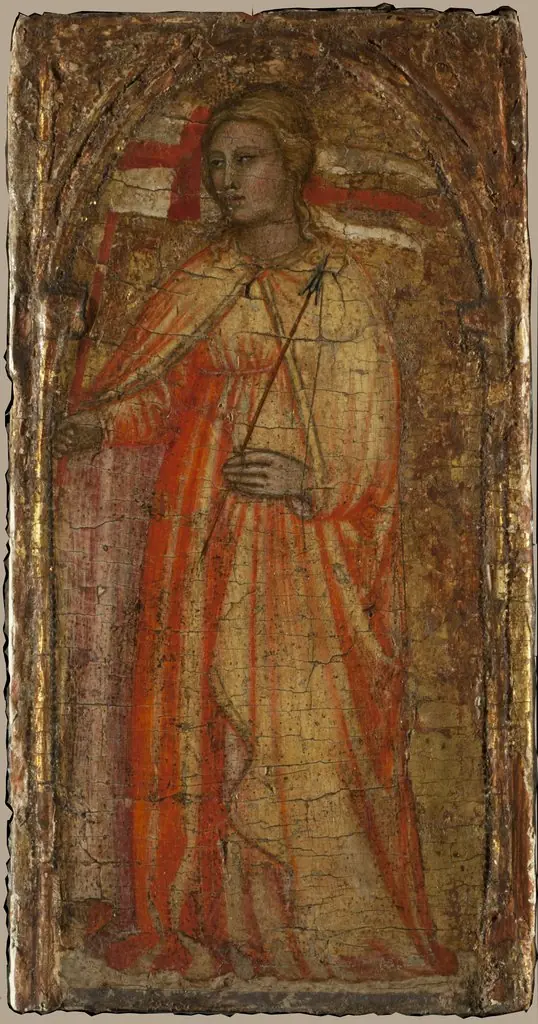
Lamb of God and saints from Santa Maria de Taüll is an unspecified painting by the Byzantine icon painting artist Master of the Day of Judgement. It dates from 1123 and is held in the collection of the Museu Nacional d'Art de Catalunya. This panel painting originates from the apse of Santa Maria de Taüll, a Romanesque church in Catalonia.
About this work
Overview
This panel painting originates from the apse of Santa Maria de Taüll, a Romanesque church in Catalonia. Created around 1123, it was part of a larger decorative scheme that once adorned the church’s eastern wall. Now housed in the Museu Nacional d'Art de Catalunya, it survives as a fragment of a once-complete mural cycle, preserved after careful removal and restoration in the early 20th century.
Subject & Meaning
The central image depicts the Lamb of God, symbolizing Christ’s sacrifice, encircled by a mandorla and supported by a cross. Below, a standing figure in a long robe, likely an apostle or evangelist, holds a book, suggesting scriptural authority. Together, the elements convey theological themes of divine redemption and the continuity of sacred tradition, common in Romanesque liturgical art.
Technique & Style
Executed in tempera on wood, the painting employs flat planes of muted earth tones—ochres, browns, and blacks—with minimal shading or perspective.
Executed in tempera on wood, the painting employs flat planes of muted earth tones—ochres, browns, and blacks—with minimal shading or perspective. Figures are rendered with simplified contours and stylized drapery, reflecting the conventions of early medieval iconography. The lack of naturalism emphasizes spiritual presence over physical realism, aligning with the symbolic priorities of Romanesque religious art.
History & Provenance
The panel was originally part of the apse frescoes in Santa Maria de Taüll, painted by an anonymous artist later identified as the Master of the Day of Judgement. In the 1920s, the frescoes were carefully detached from the church walls to prevent deterioration. The fragments were transferred to canvas and conserved, eventually entering the collection of the Museu Nacional d'Art de Catalunya, where they remain today.
Context
This work emerged during a period of intense monastic activity in the Pyrenees, when churches were adorned with biblical imagery to instruct largely illiterate congregations. The iconography reflects Byzantine influences transmitted through pilgrimage routes and monastic networks. Its placement above the altar reinforced the liturgical focus on Christ’s sacrifice during Mass.
Legacy
The panel is now recognized as a key example of Catalan Romanesque painting, illustrating the region’s distinctive synthesis of local tradition and broader Mediterranean influences. Its preservation has enabled scholarly study of early medieval iconography and technique, contributing to a deeper understanding of religious art in medieval Iberia.
Artist & collection
Artist
Master of the Day of Judgement
This anonymous painter from medieval Spain decorated the walls of Santa Maria de Taüll with bold, flat figures and patterned designs.

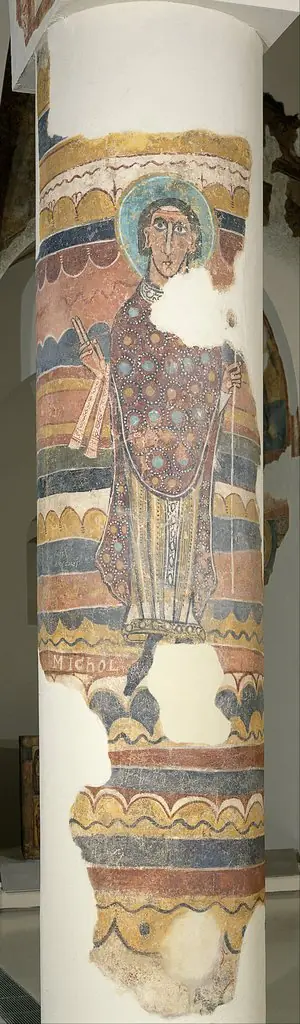 Saint Nicholas from Santa Maria de Taüll
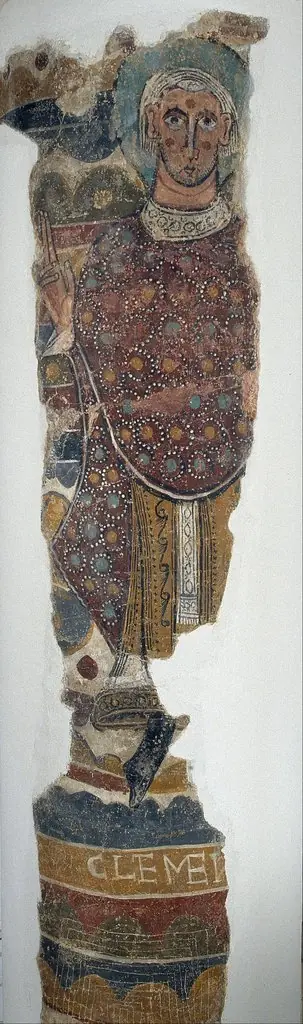 Saint Clement from Santa Maria de Taüll
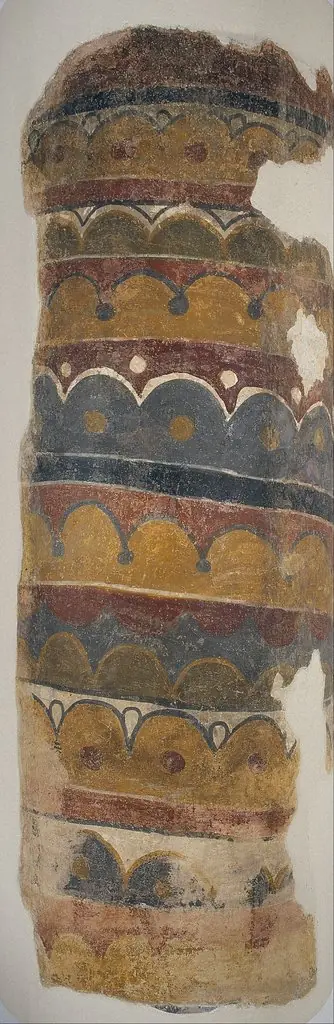 Decorated shaft from Santa Maria de Taüll
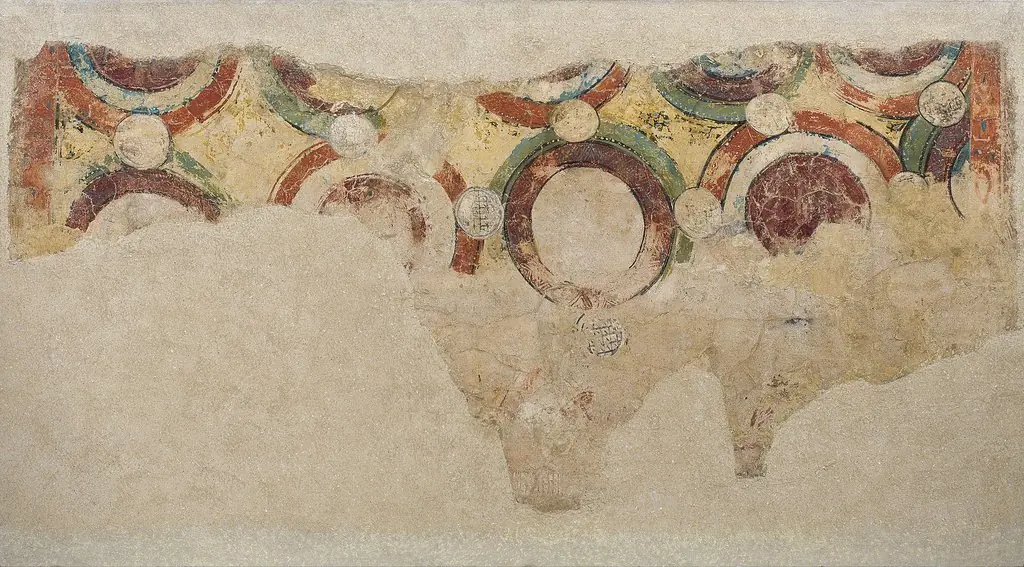 Altar of Santa Maria de Taüll
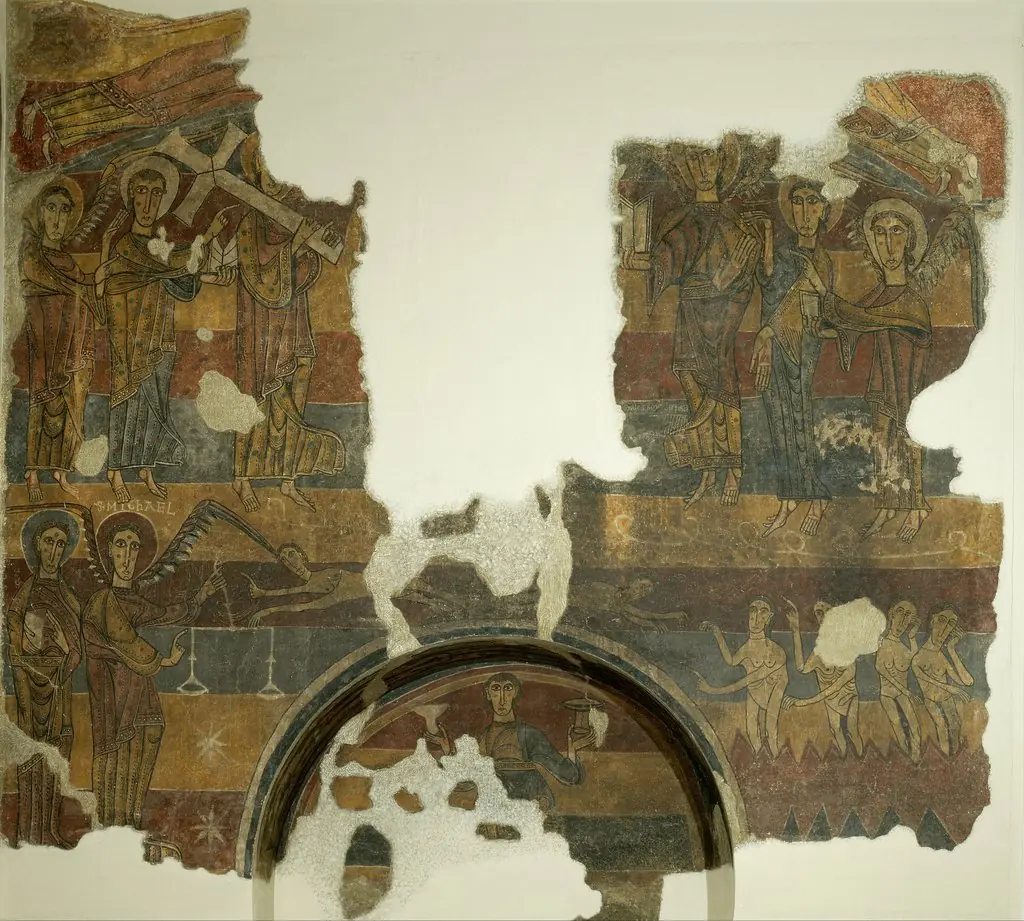 The Day of Judgement from Santa Maria de Taüll
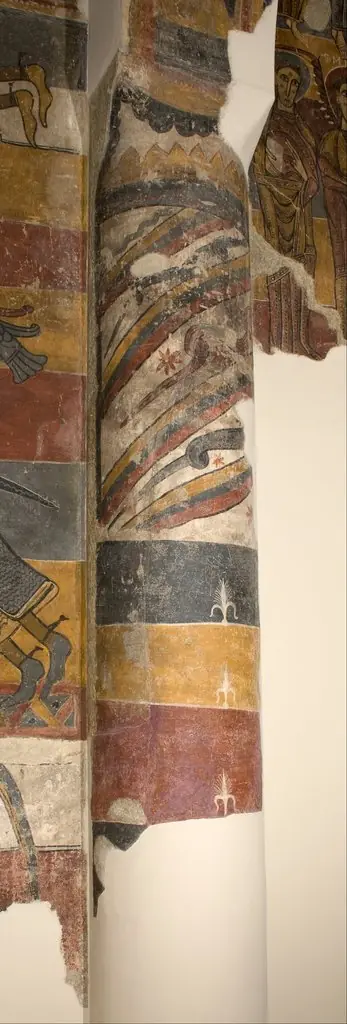 Decorated shaft and capital from Santa Maria de Taüll
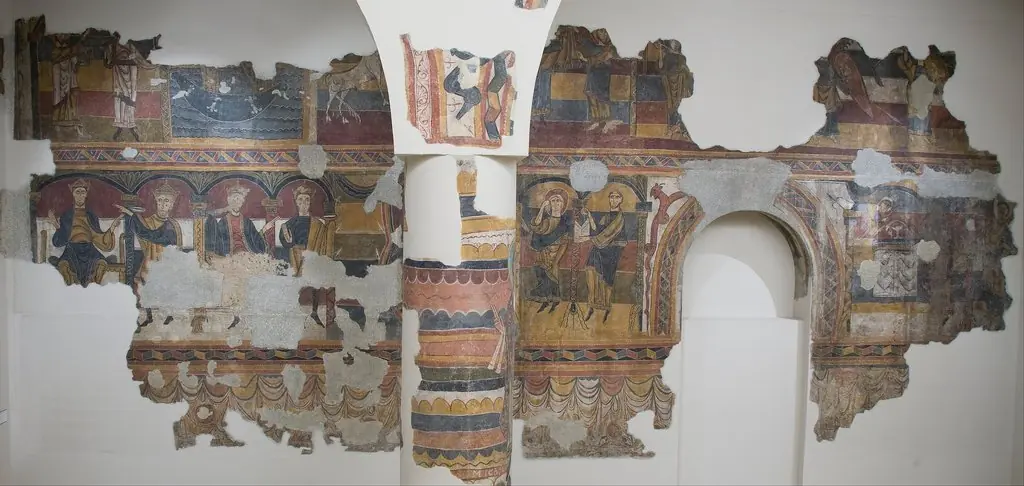 Biblical scenes from Santa Maria de Taüll
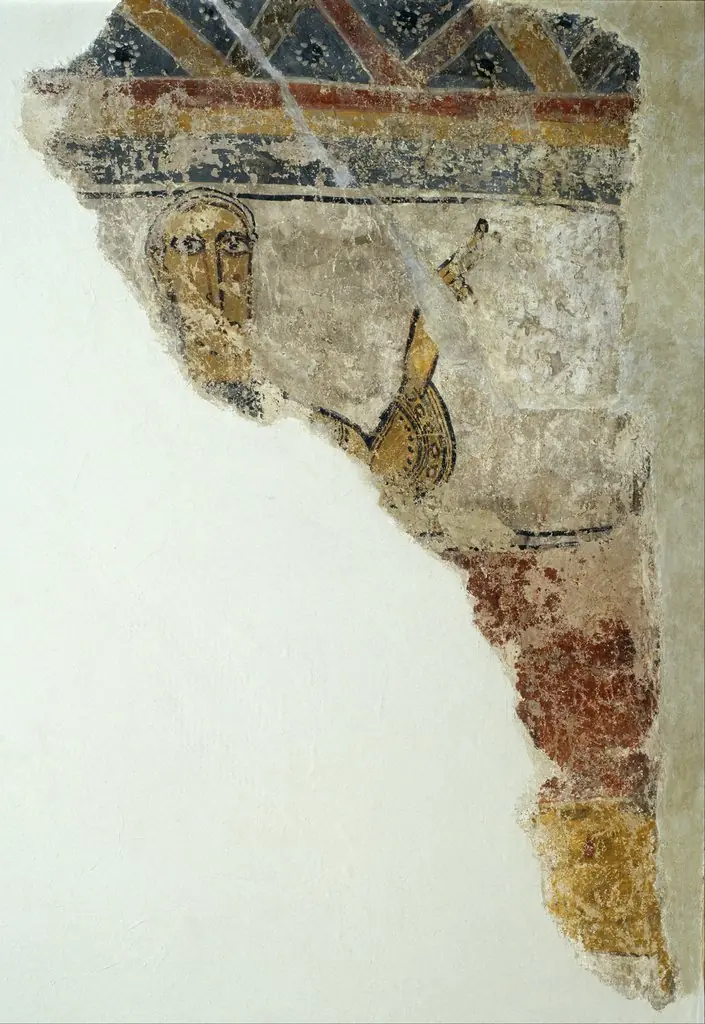 Remains of a figure from Santa Maria de Taüll