Artwork
Virgin and Child
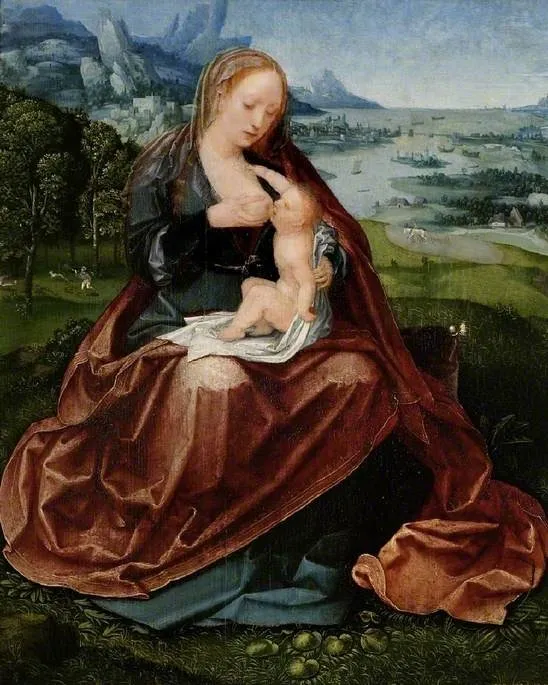
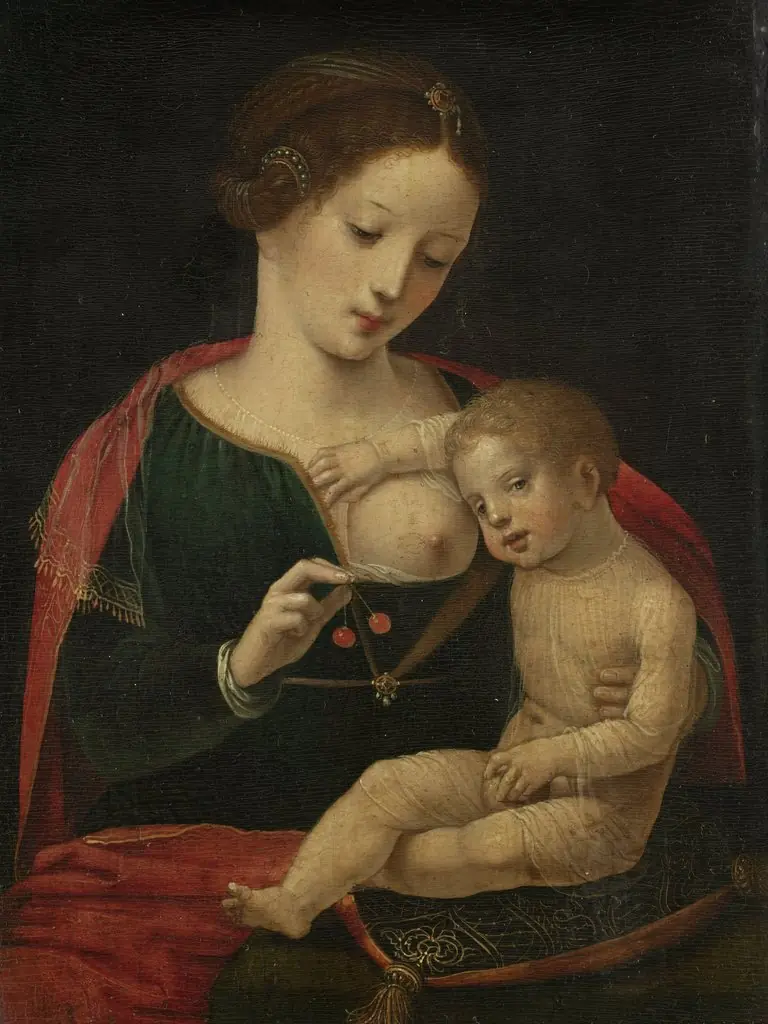
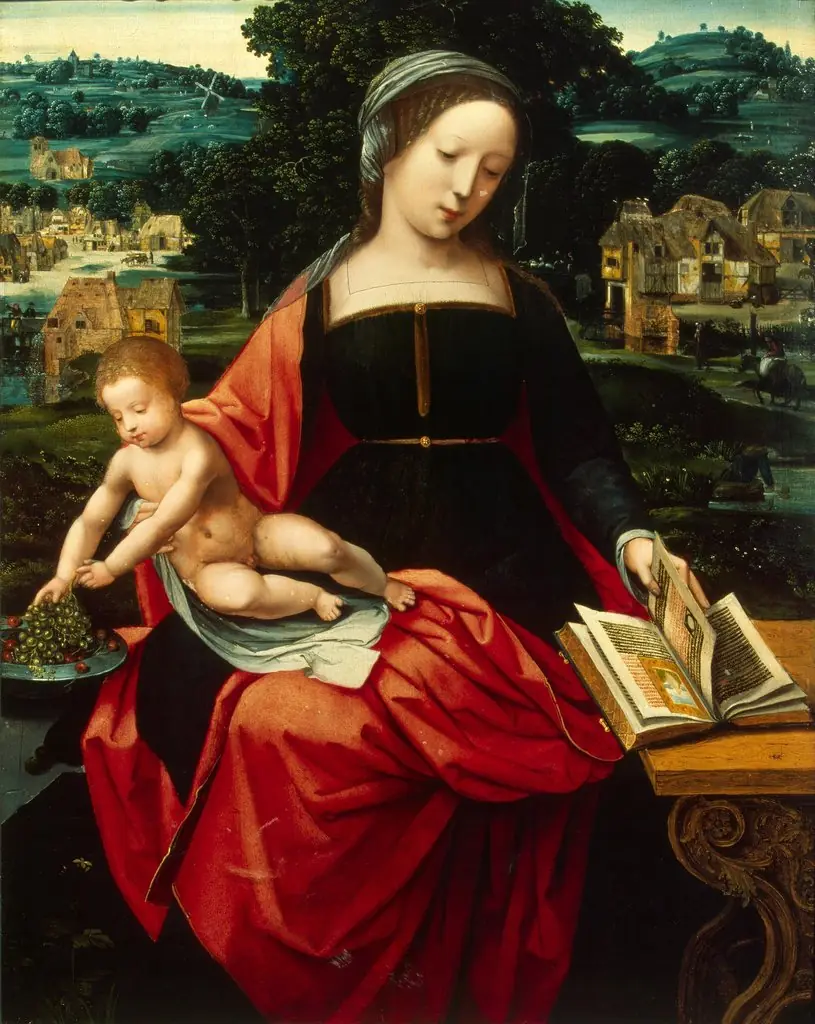
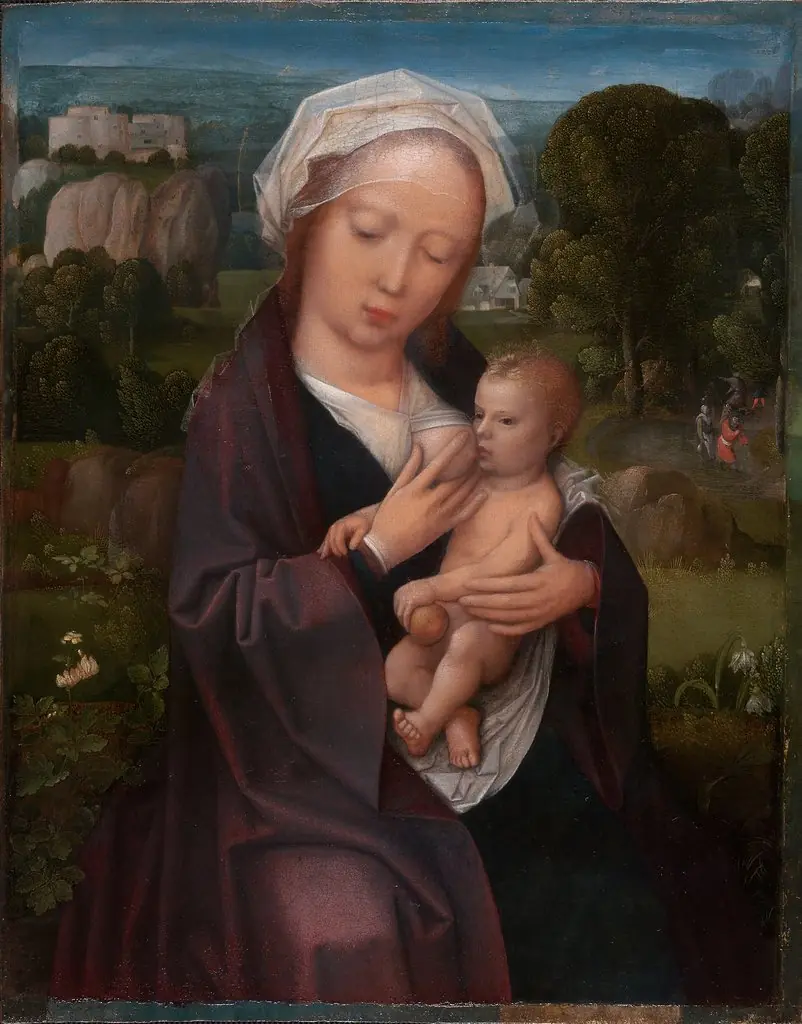
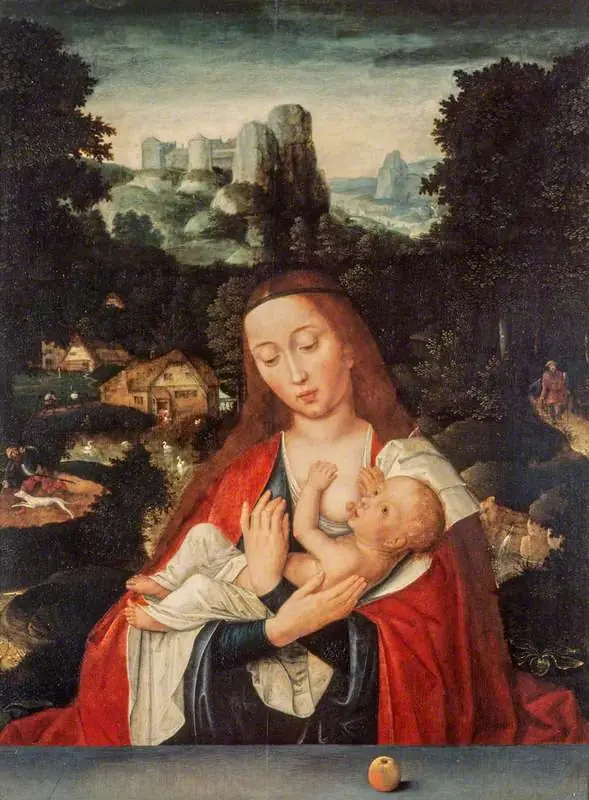
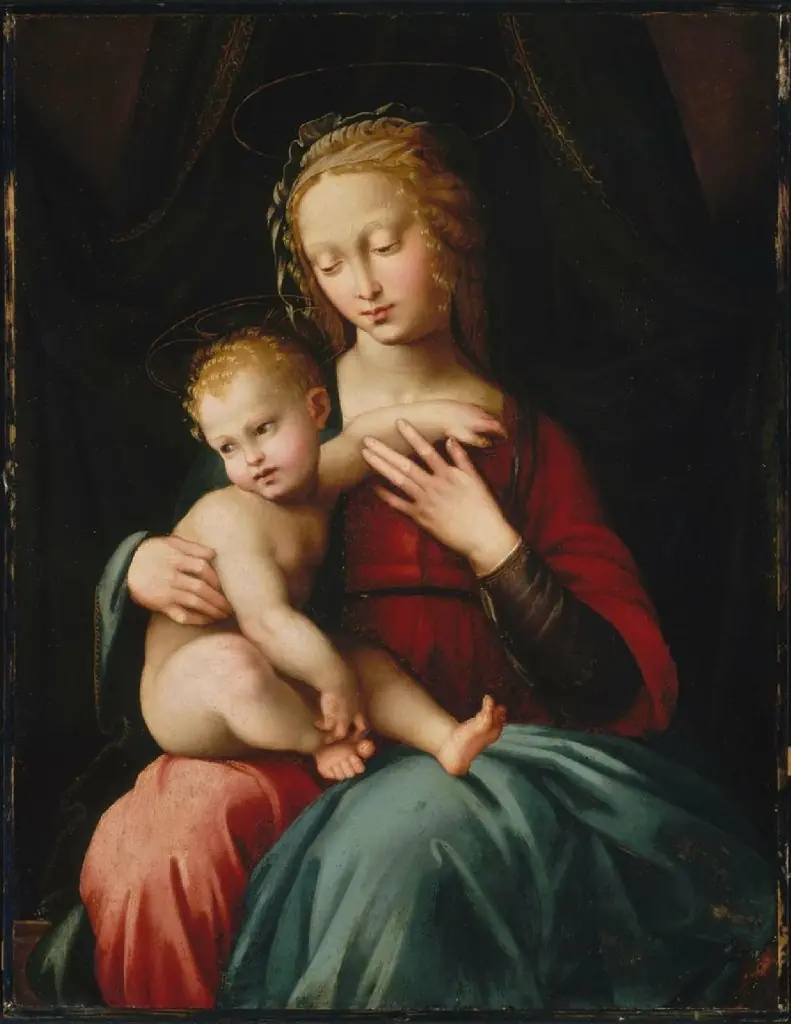
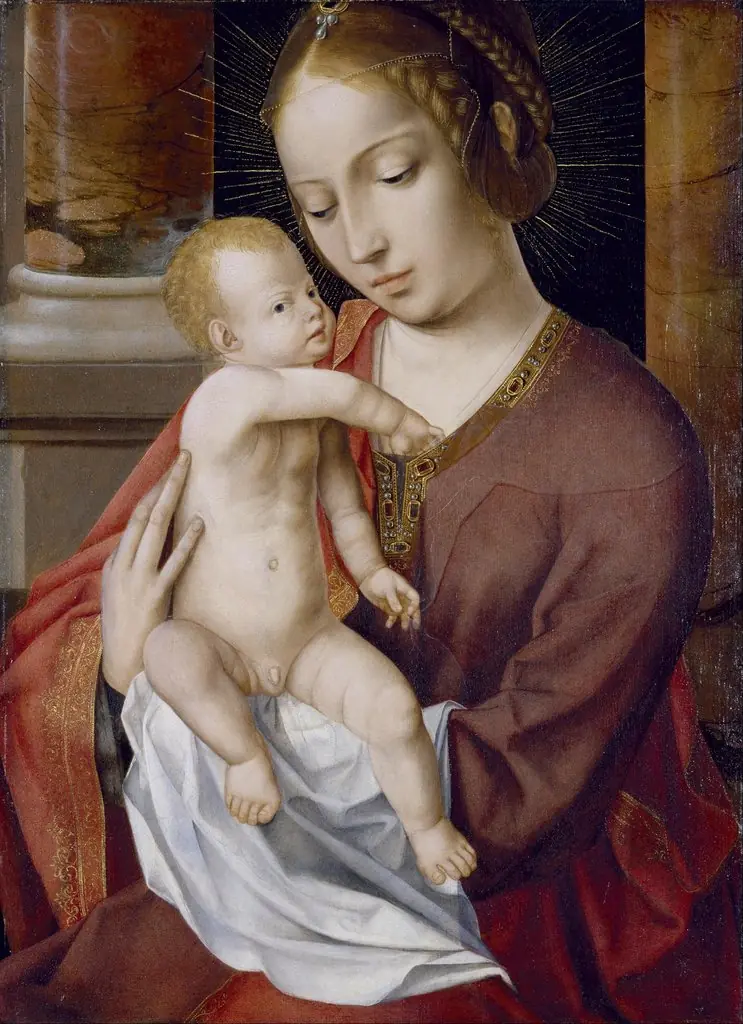
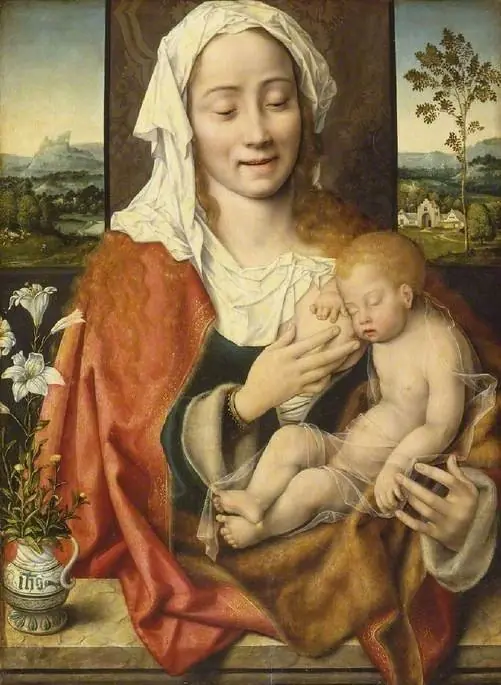
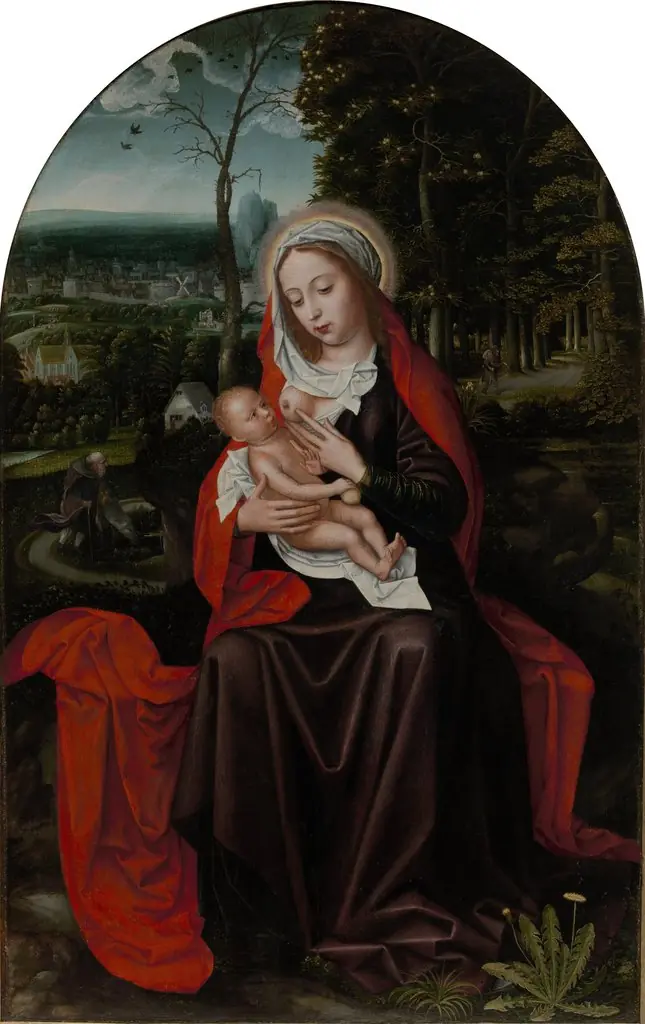
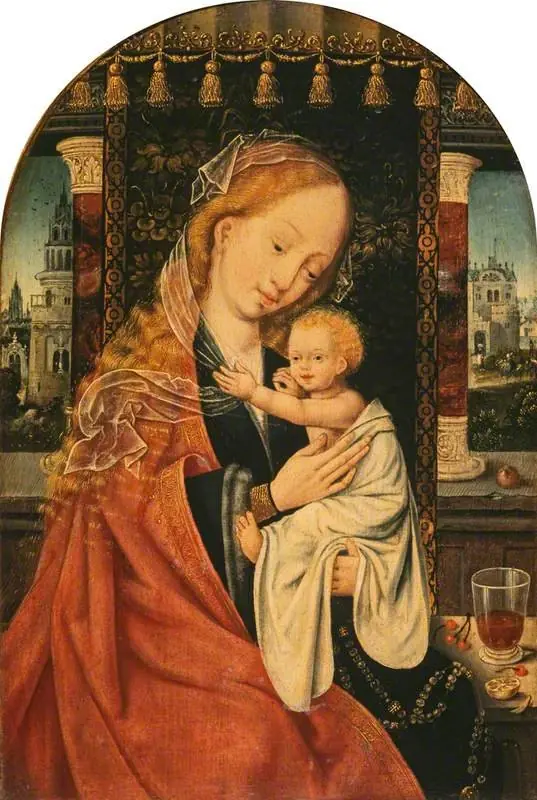
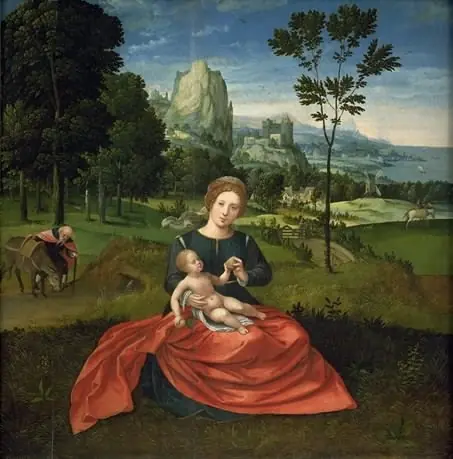
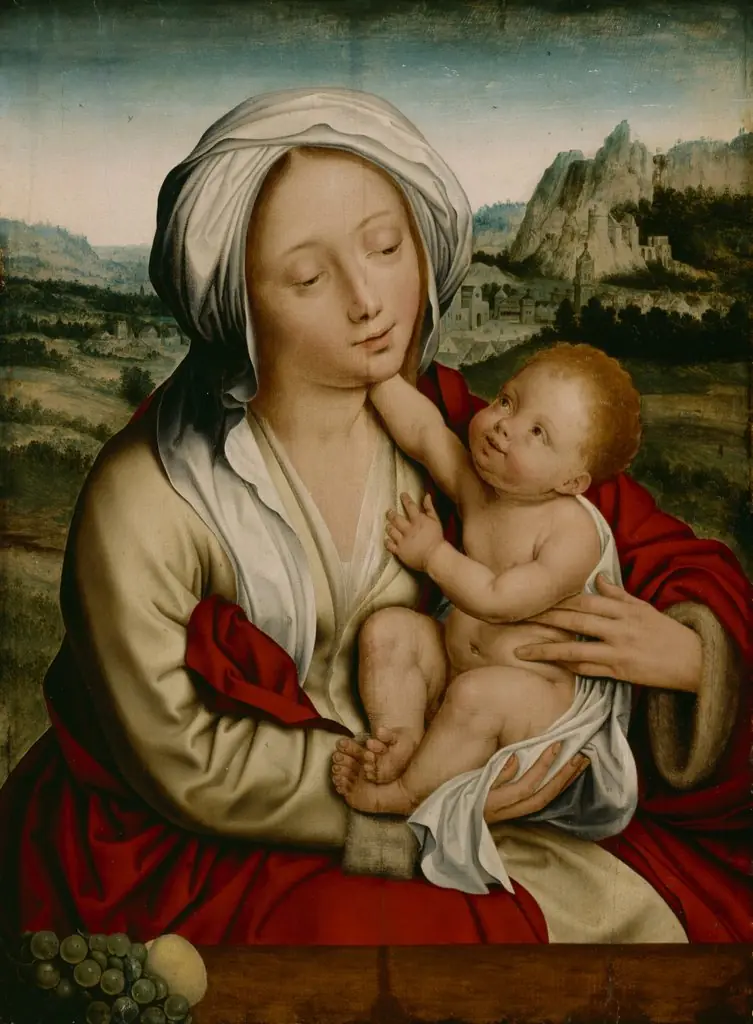
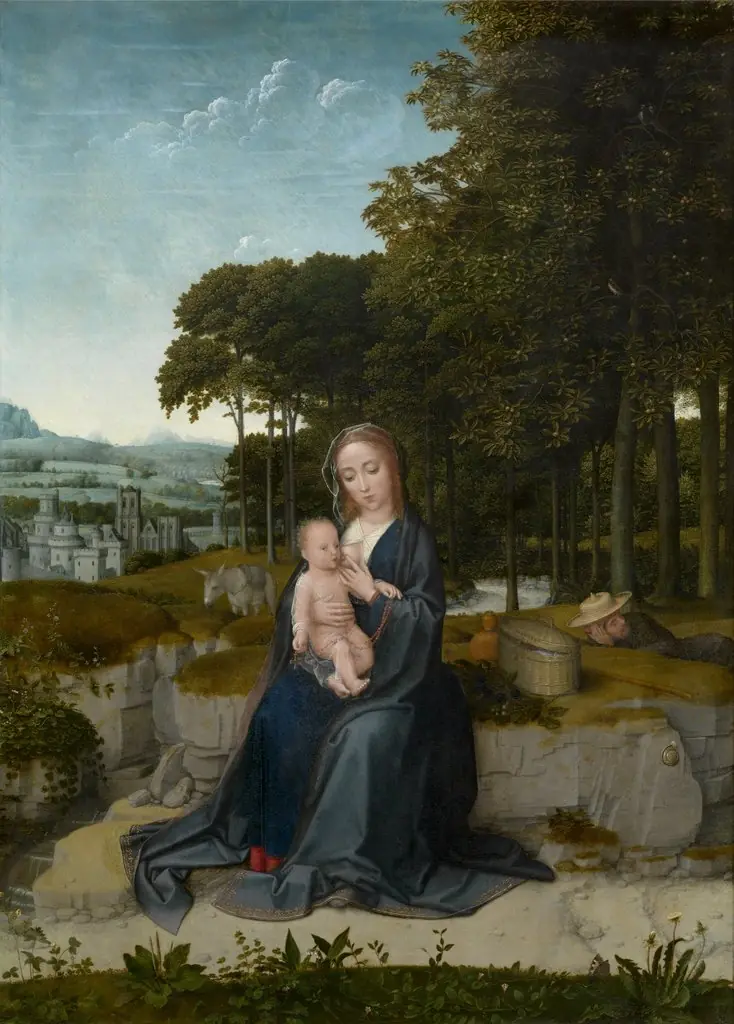
Virgin and Child is an oil painting by the Mannerist artist Master of the Female Half-Lengths. It dates from 1537 and is held in the collection of the Fitzwilliam Museum. Created in 1537, this oil painting presents a quiet scene of the Virgin Mary with the infant Jesus.
About this work
Overview
Created in 1537, this oil painting presents a quiet scene of the Virgin Mary with the infant Jesus. Executed by the anonymous figure known as the Master of the Female Half‑Lengths, the work is part of the collection at Cambridge’s Fitzwilliam Museum. Its modest dimensions and gentle palette focus attention on the interaction between mother and child.
Subject & Meaning
The composition shows Mary seated on a gentle slope, her red mantle draped over a dark undergarment, while she cradles the newborn Christ. The child, swaddled in white, reaches toward his mother’s breast, a gesture that underscores both physical nourishment and spiritual sustenance. The setting evokes a serene, earthly refuge for the divine pair.
Technique & Style
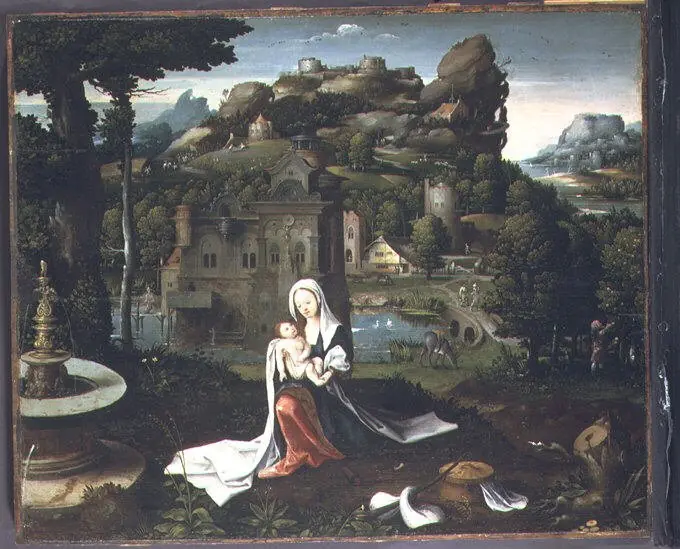
The artist employs a restrained chiaroscuro, allowing light to illuminate the figures against a darker landscape. Soft transitions of tone render the flesh and fabrics with subtle modeling, while the background—trees, hills, and a reflective water surface—recedes in muted hues. The overall effect is one of intimate warmth rather than dramatic contrast.
History & Provenance
Attributed to the Master of the Female Half‑Lengths, an anonymous painter active in the early sixteenth century, the work entered the Fitzwilliam Museum’s holdings through a 19th‑century acquisition. Documentation traces its provenance to a private collection in England before its donation to the museum, where it has remained on public display.
Context
The painting reflects the devotional trends of Northern Renaissance art, where intimate portrayals of the Virgin and Child were intended for private contemplation. Its modest scale and domestic setting align with the period’s shift away from grand altarpieces toward more personal, approachable religious imagery.
Artist & collection
Artist
Master of the Female Half-Lengths
The Master of the Female Half-Lengths is a notname coined by the German art historian Max J.