Artwork
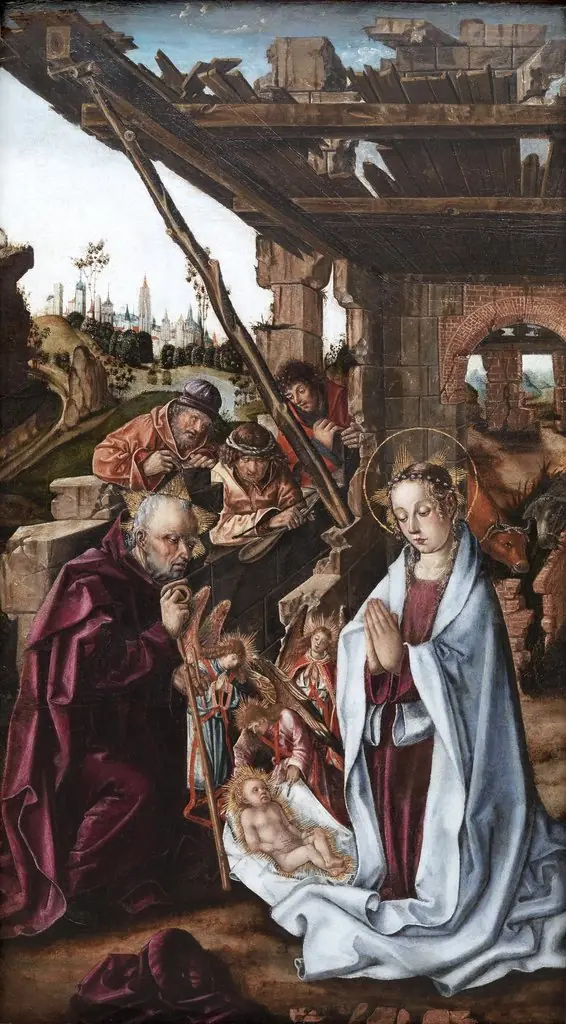
The Adoration of the Magi
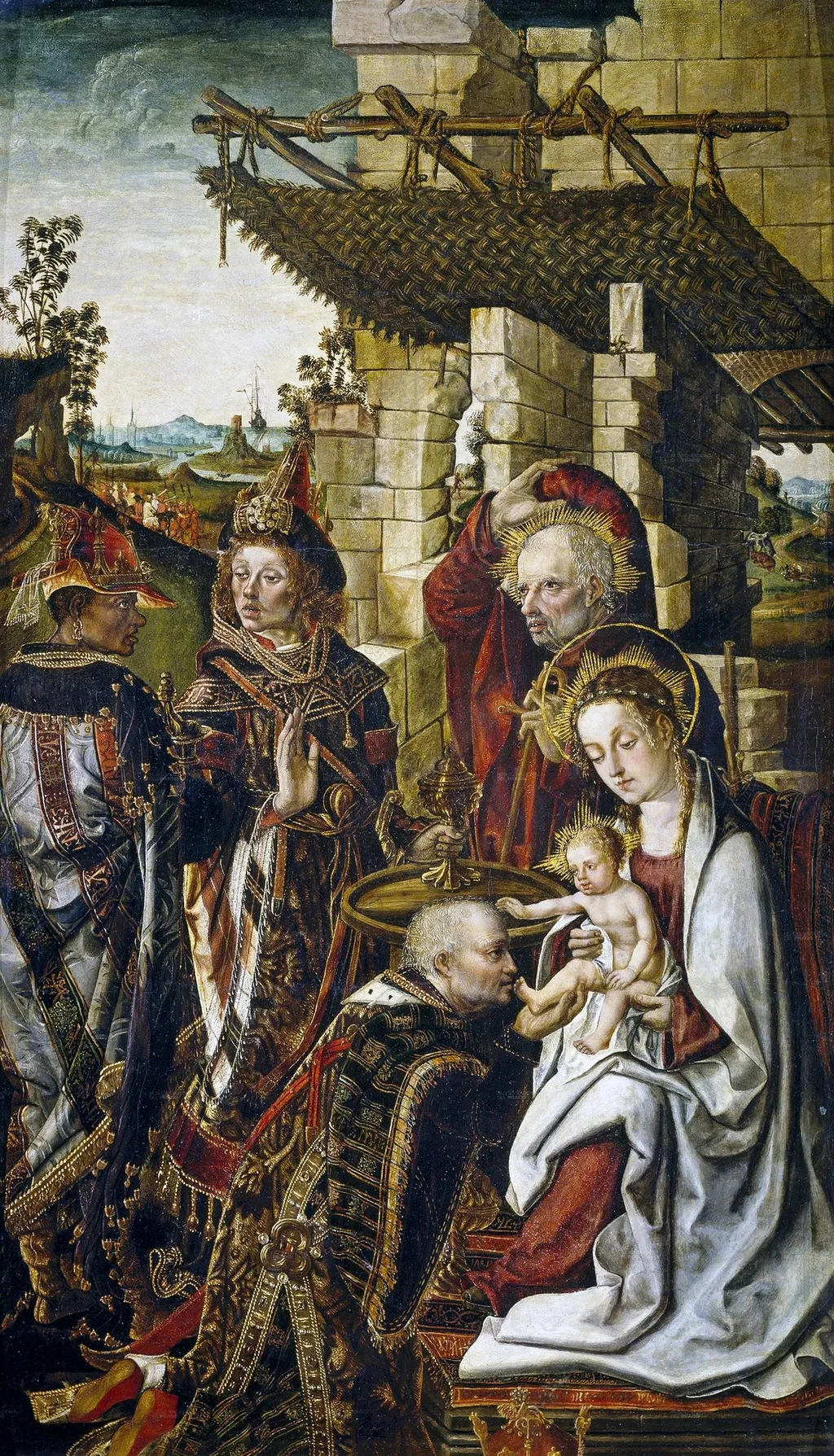
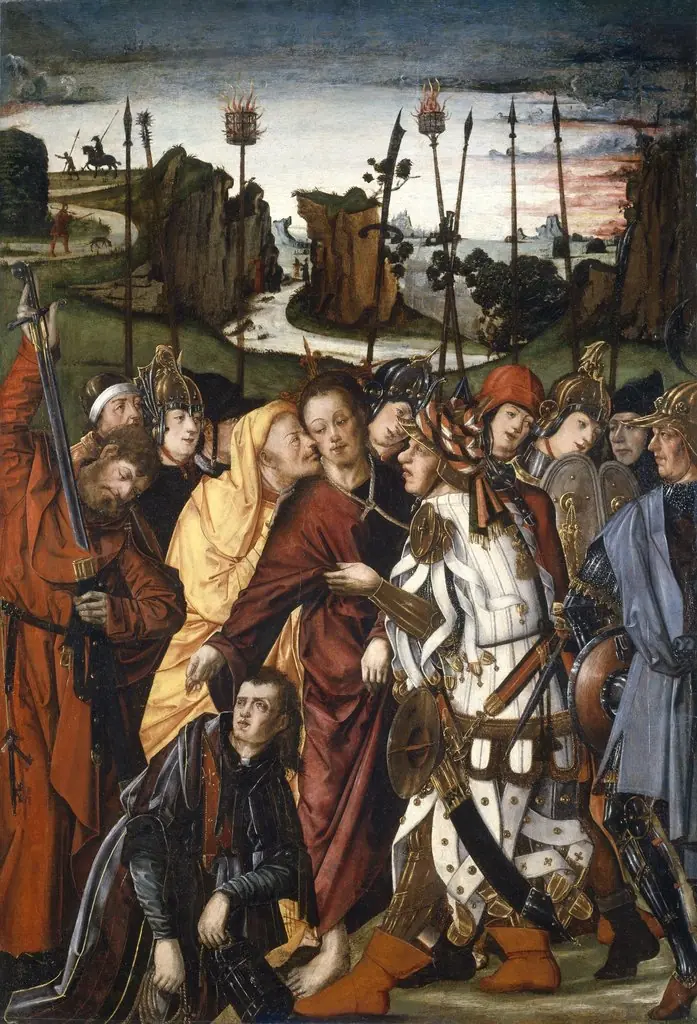
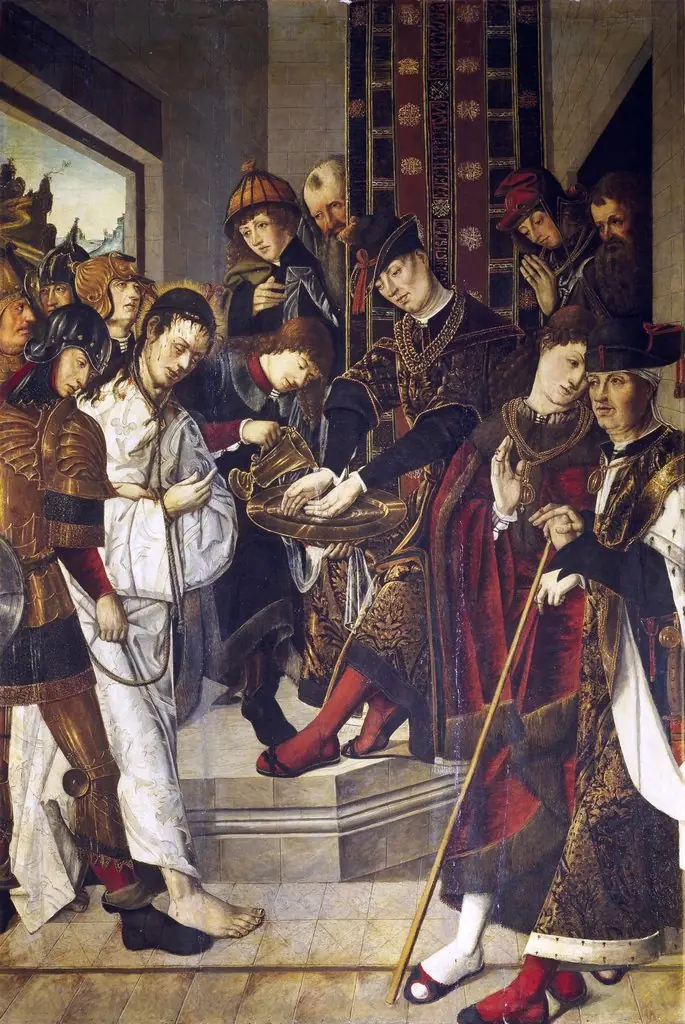
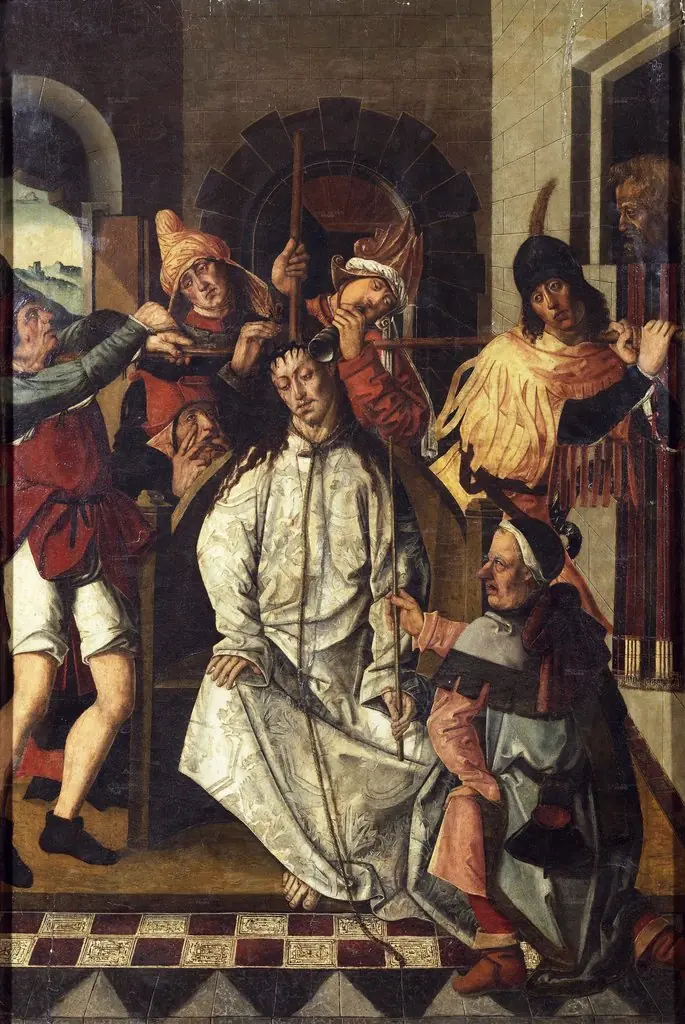
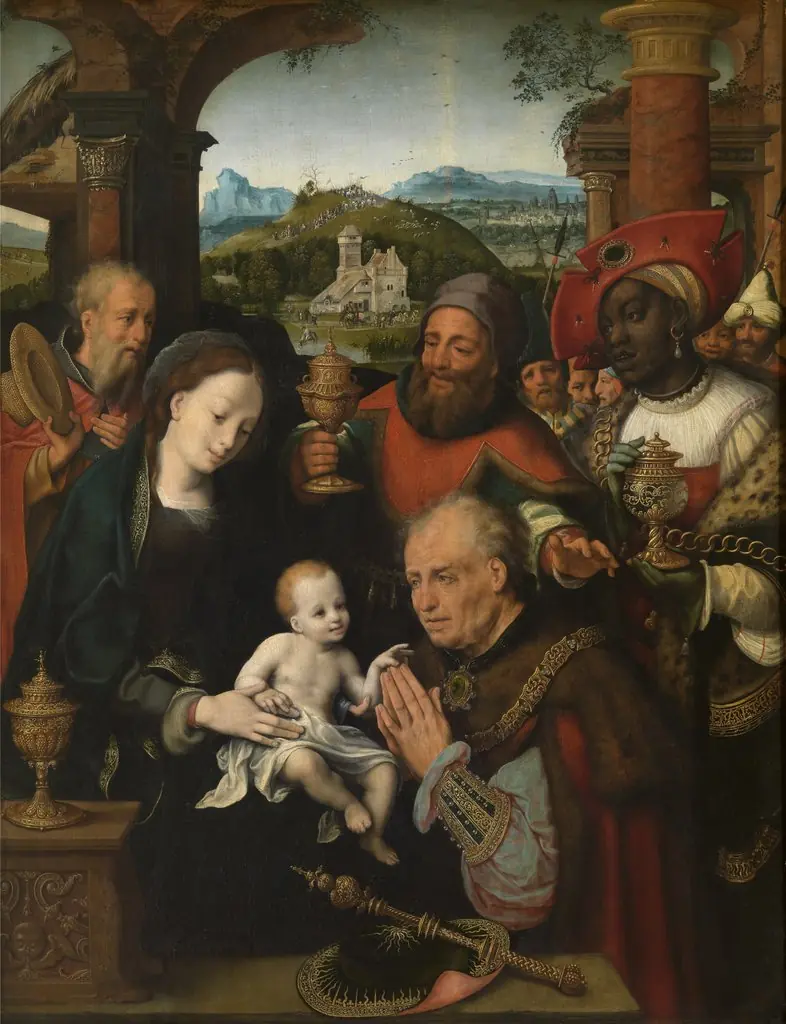
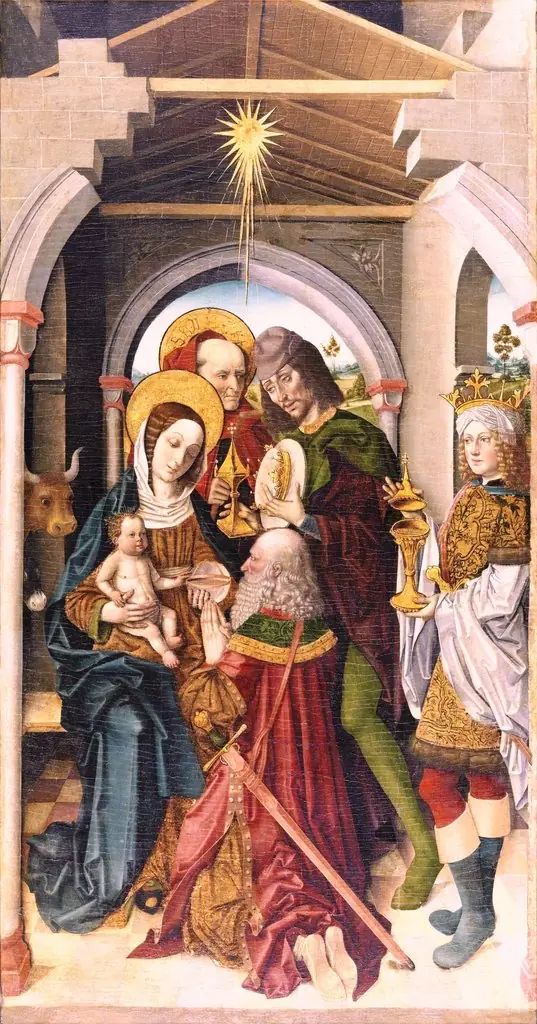
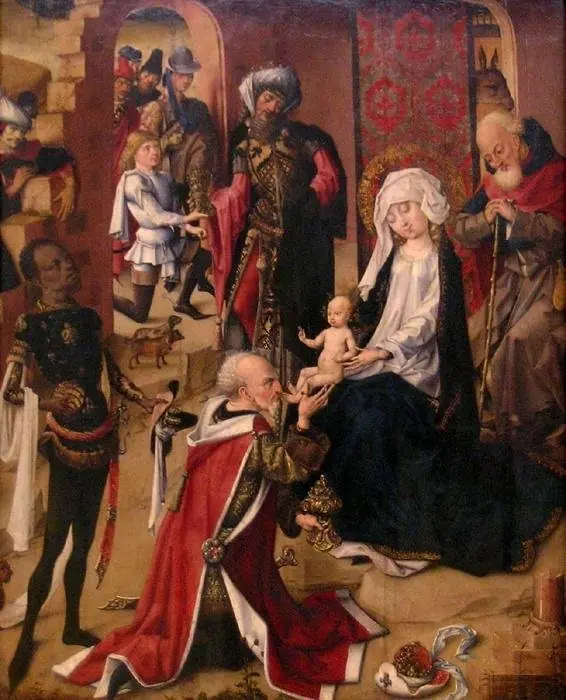
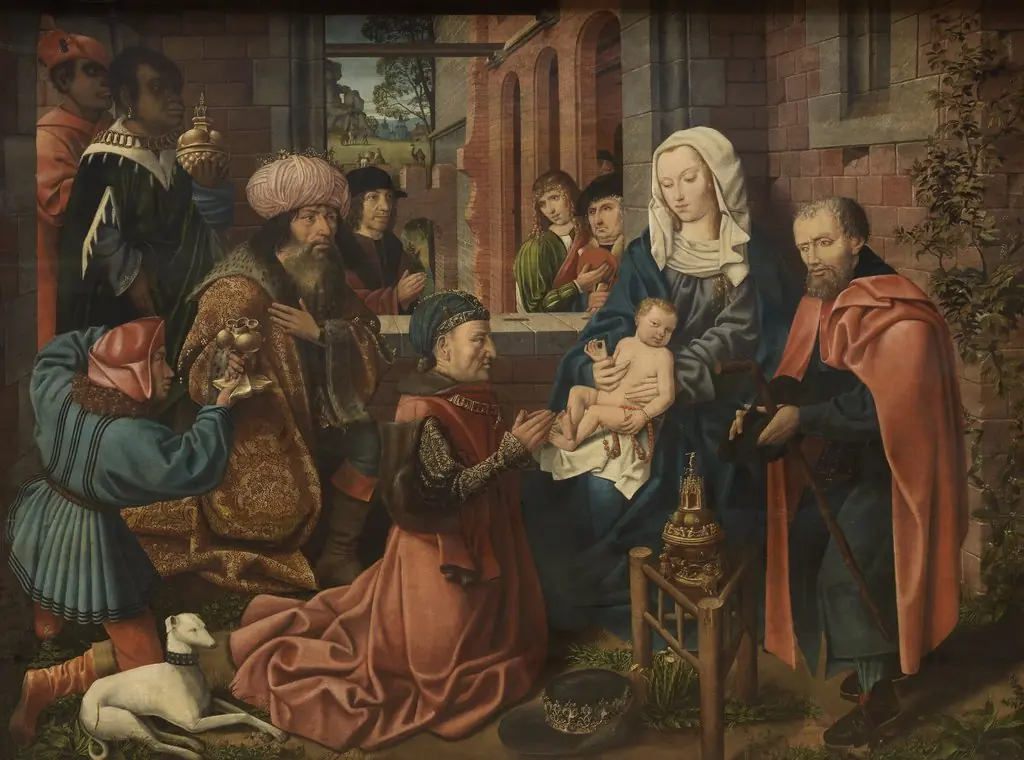
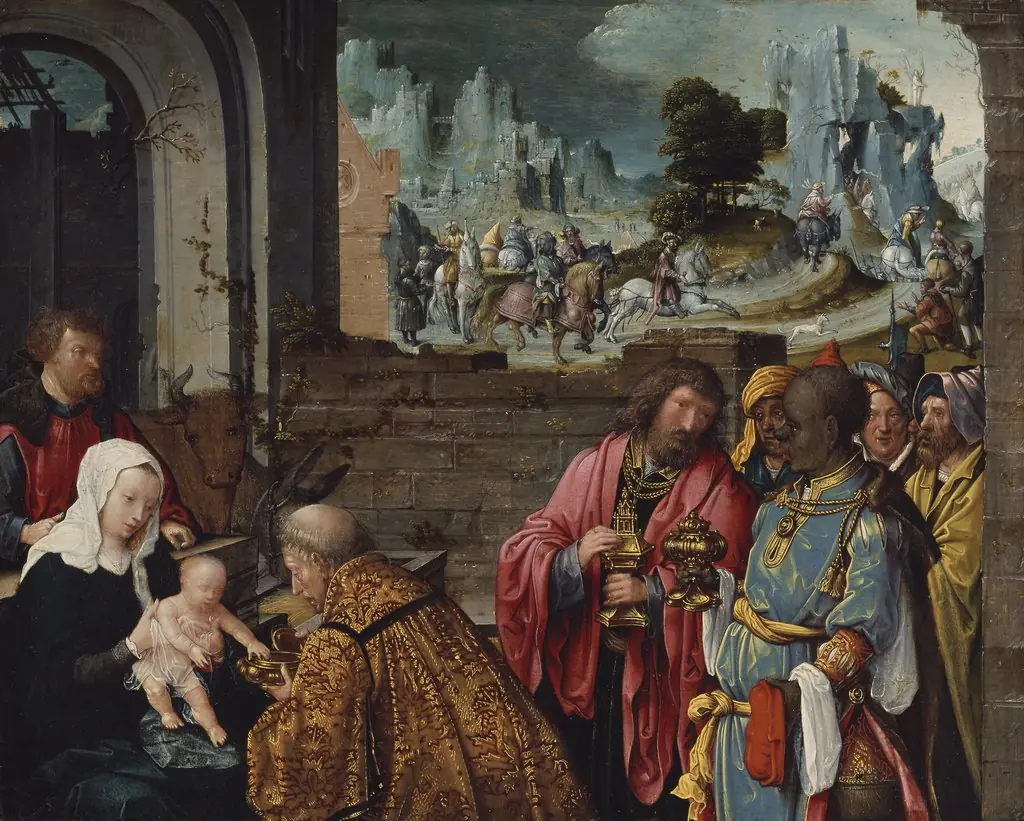
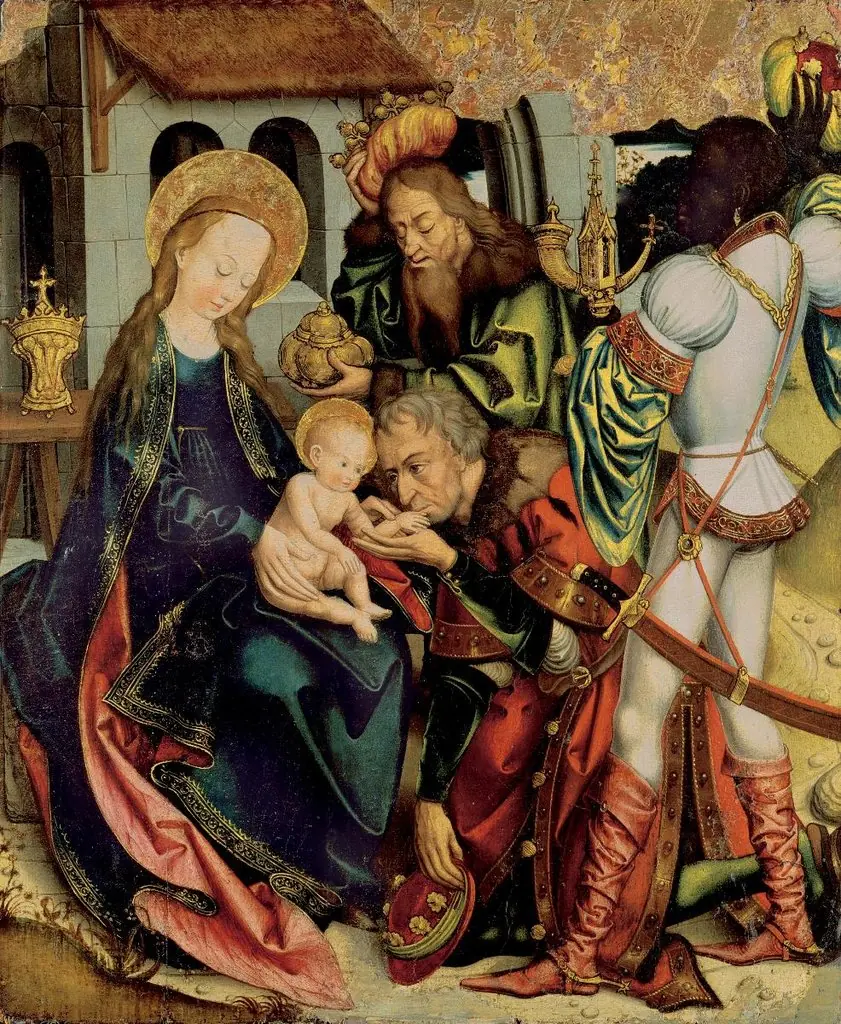
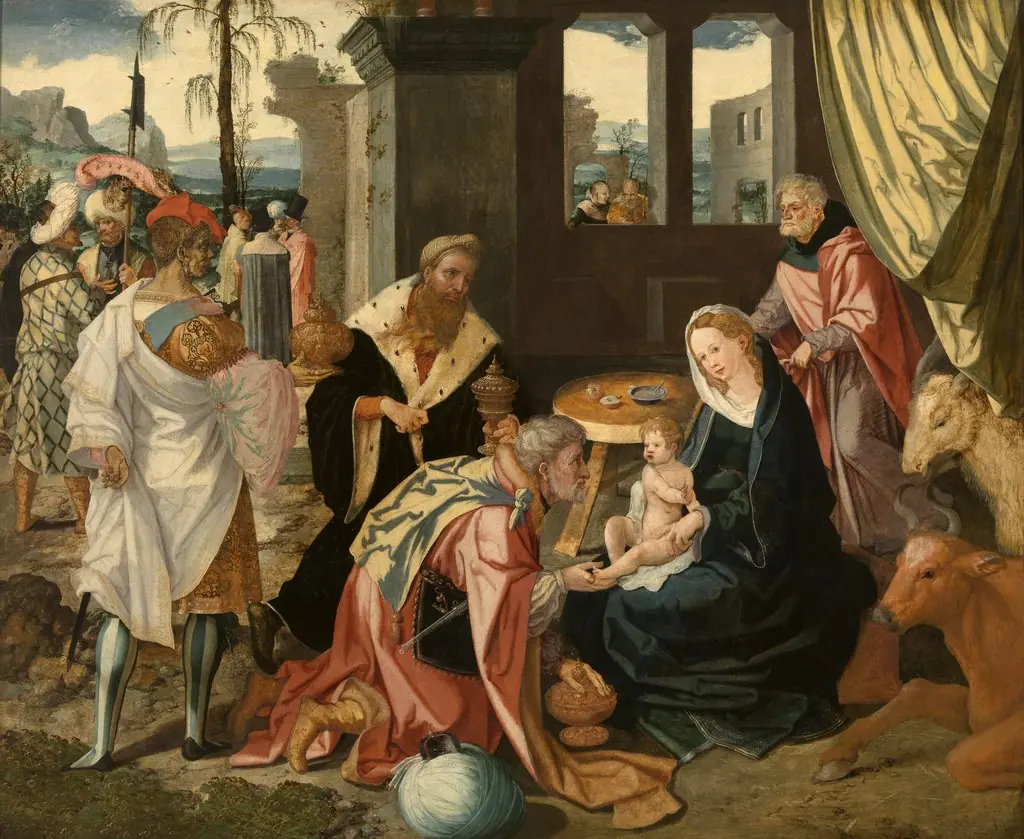
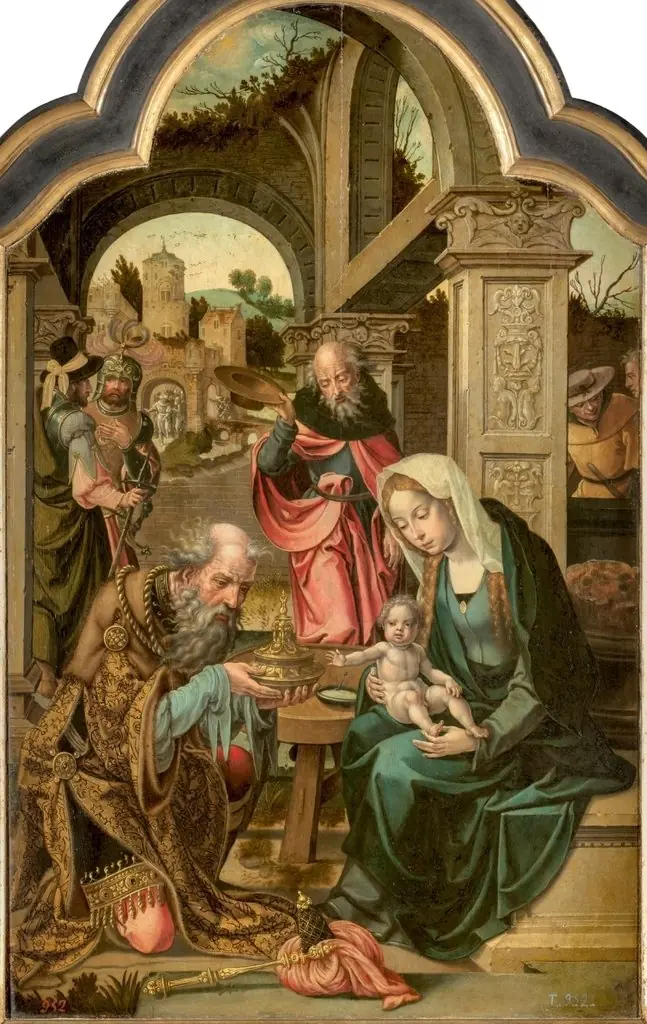
The Adoration of the Magi is an oil painting by the High Renaissance artist Francisco de Osona. It dates from 1500 and is held in the collection of the Museo del Prado.
About this work
Overview
The Adoration of the Magi, an oil painting from around 1500, is a work of the Spanish Renaissance, attributed to Francisco de Osona of Valencia.
Subject & Meaning
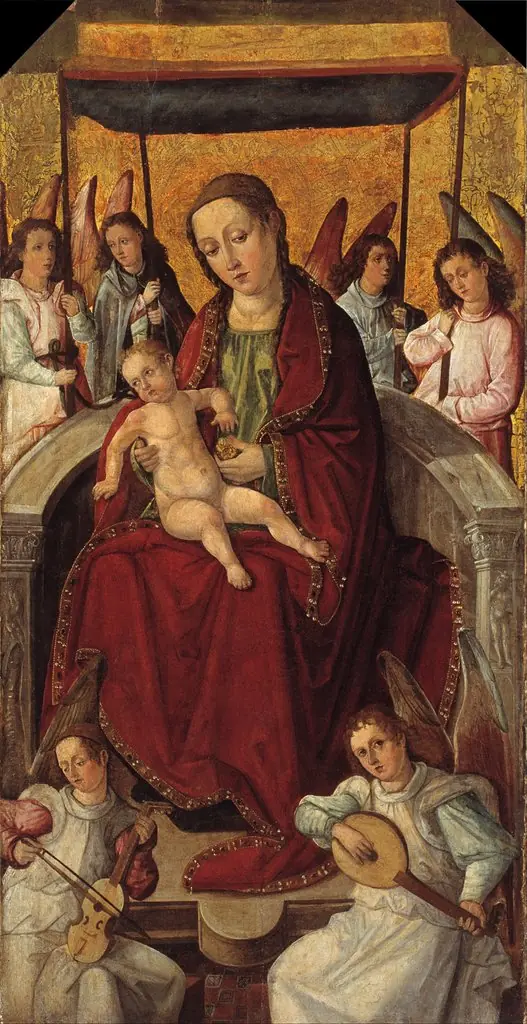
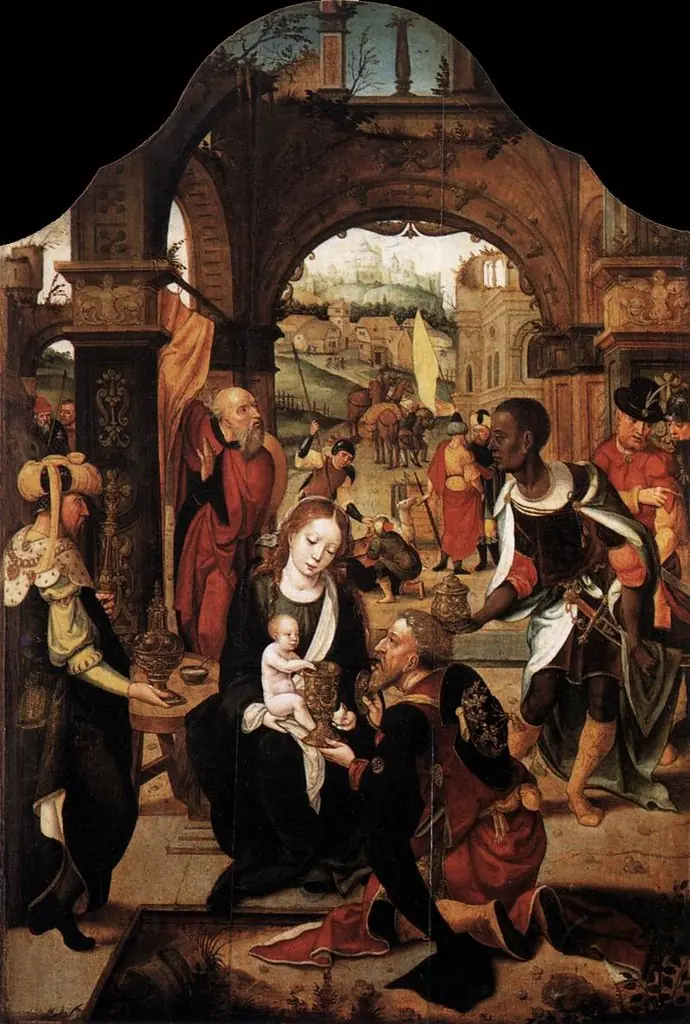
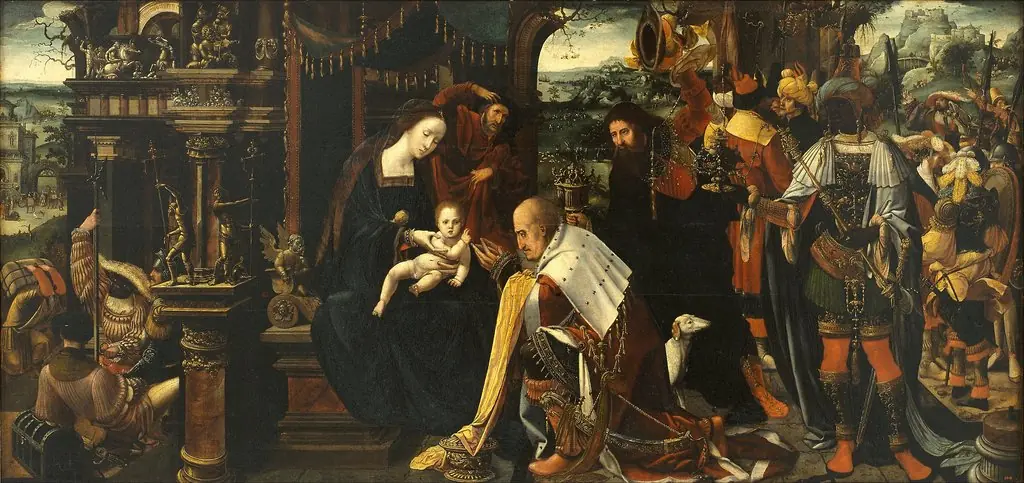
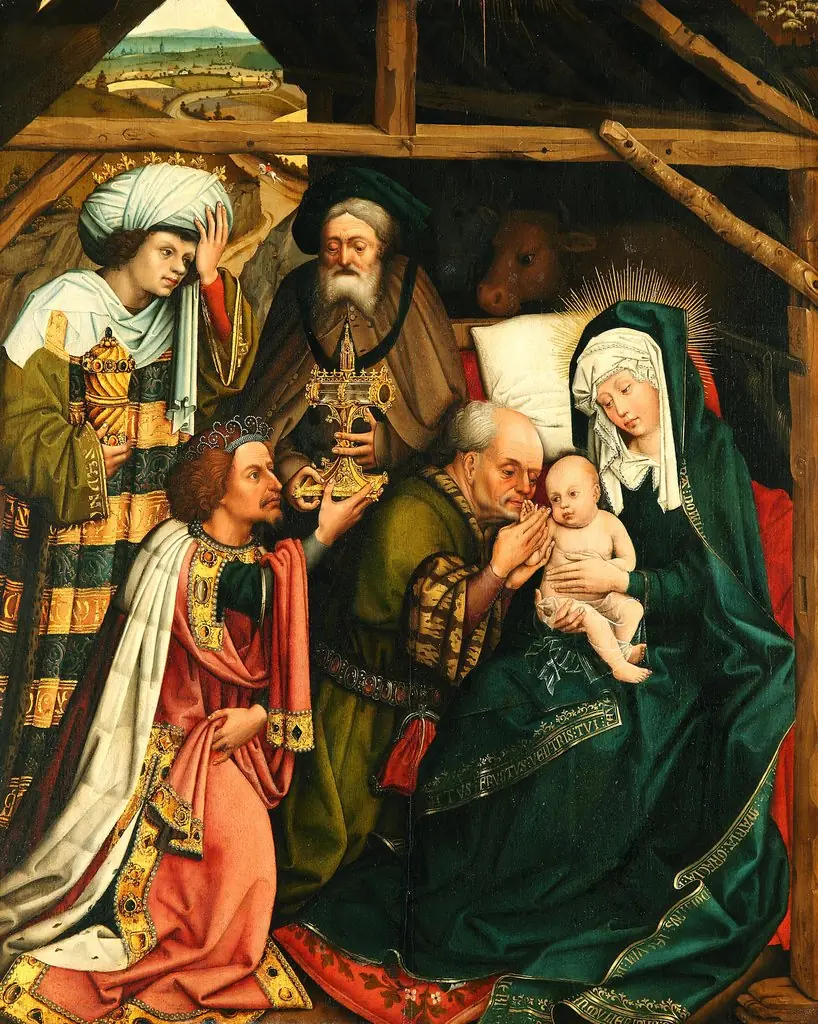
Depicting a pivotal religious scene, the painting shows Mary, with a golden halo, holding the Christ Child (also haloed), surrounded by worshipers, including the Magi and a soldier, emphasizing devotion and reverence.
Technique & Style
Executed in the High Renaissance style, the painting features detailed gold accents, rich colors, and a contrast of light and shadow (reminiscent of chiaroscuro), drawing the viewer’s eye to the central figures within a grand, stone-set landscape.
History & Provenance
Created in the Osona family workshop, where Francisco collaborated with his father Rodrigo, the painting reflects a blend of traditional and newer Italian influences. It is now part of the collection at the Museo del Prado.
Context
Reflecting the artistic exchange of the late 15th century, the work blends Spanish traditions with emerging Italian Renaissance styles, characteristic of artists like Osona who sought to modernize their craft.
Legacy
While specific lasting impacts of *The Adoration of the Magi* on subsequent art movements are not broadly documented, its preservation in the Museo del Prado ensures its continued study as a representative piece of early 16th-century Spanish Renaissance art.
Artist & collection
Artist
Francisco de Osona, also Francisco de Osona the Younger, (c.1465–c.1514) was a Spanish Renaissance painter.