Artwork
H Beard Print Collection
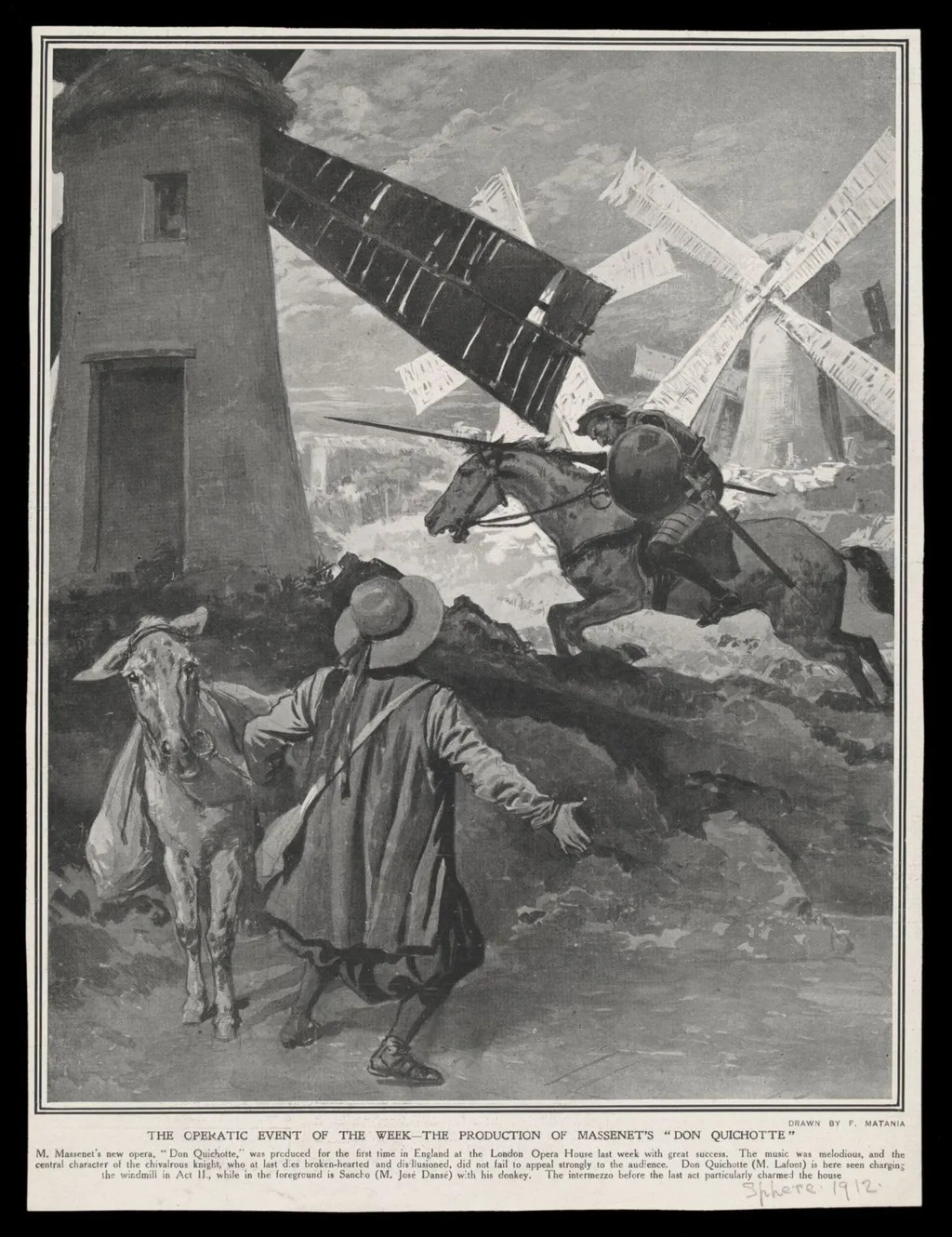
H Beard Print Collection is a print by Fortunino Matania. It dates from 1912 and is held in the collection of the Victoria and Albert Museum. This 1912 print captures a moment from Jules Massenet’s opera Don Quichotte, reproduced from the British illustrated weekly The Sphere.
About this work
The opera scene features a windmill, a detail that might remind you of Don Quixote’s famous tilting at windmills.
This print shows a scene from Massenet’s opera Don Quichotte. It’s by Fortunino Matania, an Italian artist, from 1912. The medium is a print, so it’s a single image meant to be shared widely.
The opera scene features a windmill, a detail that might remind you of Don Quixote’s famous tilting at windmills. The print came from a magazine called The Sphere that same year.
Check out the Victoria and Albert Museum for more prints by Matania.
Overview
This 1912 print captures a moment from Jules Massenet’s opera Don Quichotte, reproduced from the British illustrated weekly The Sphere. Created by Italian artist Fortunino Matania, it was produced as a mass-distributed image, intended for public consumption rather than private collection. The work reflects the era’s interest in bringing operatic narratives into domestic spaces through illustrated media.
Subject & Meaning
The scene illustrates Don Quixote’s confrontation with a windmill, a defining episode from Cervantes’ novel adapted into Massenet’s opera. Matania renders the moment with dramatic tension, emphasizing the knight’s idealism against the looming, mechanical structure. The windmill symbolizes the clash between illusion and reality, central themes in both the original tale and its operatic interpretation.
Technique & Style
Matania employed detailed pen-and-ink drawing, later translated into a printed format for The Sphere. His style combines precise linework with subtle tonal shading to convey texture and depth. The composition is carefully staged to guide the viewer’s eye toward the central figure, balancing narrative clarity with visual richness typical of early 20th-century illustration.
History & Provenance
The print originated in the 1912 edition of The Sphere, a London-based illustrated newspaper known for its high-quality engravings. Matania, already established as a narrative illustrator, contributed regularly to periodicals. The print’s circulation through a widely read publication ensured broad visibility, though individual copies are now rare and often held in institutional collections such as the Victoria and Albert Museum.
Context
In 1912, opera adaptations were popular subjects in illustrated media, reflecting a cultural appetite for high art made accessible. Matania’s work aligned with a tradition of visual storytelling that bridged literature, theater, and print journalism. His illustrations helped sustain public engagement with classical narratives during a time of rapid media change.
Legacy
Matania’s print remains a documented example of early 20th-century illustration’s role in disseminating operatic culture. While not widely exhibited today, it contributes to the historical record of how visual media interpreted literary and musical works for general audiences. The print’s survival in museum archives underscores its value as a cultural artifact of its time.
Artist & collection

Artist
Chevalier Fortunino Matania was an Italian artist noted for his realistic portrayal of World War I trench warfare and of a wide range of historical subjects.

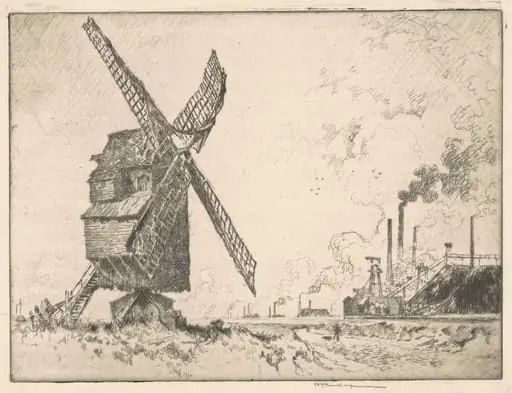 Old and New Mills, Valenciennes
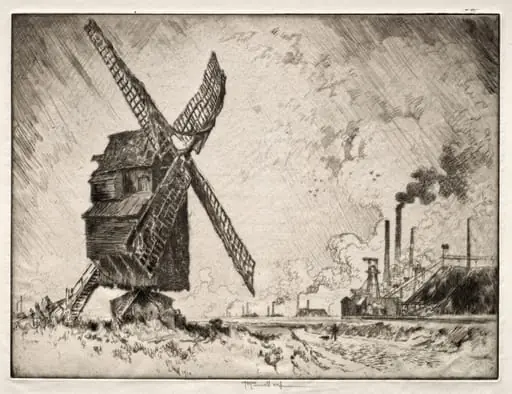 Old and New Mills, Valenciennes, France
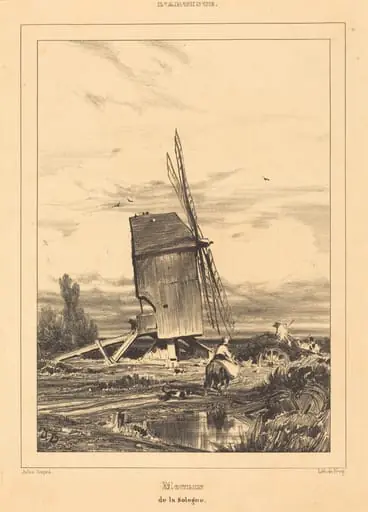 Mill of the Sologne (Moulin de la Sologne)
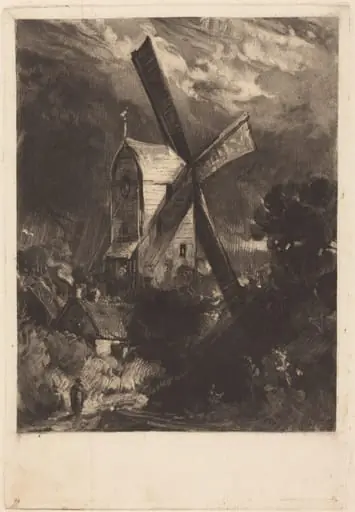 Mill near Brighton
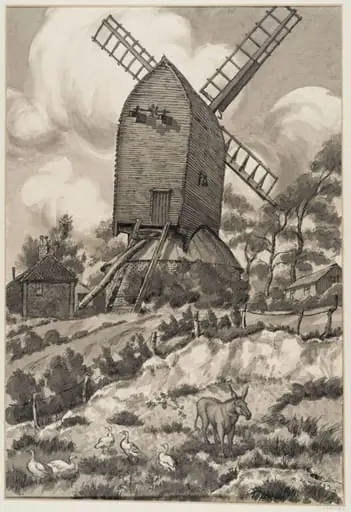 Mill on Reigate Heath, Surrey
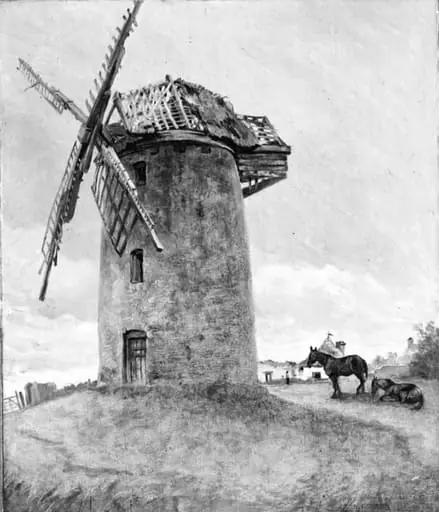 Study of a Windmill
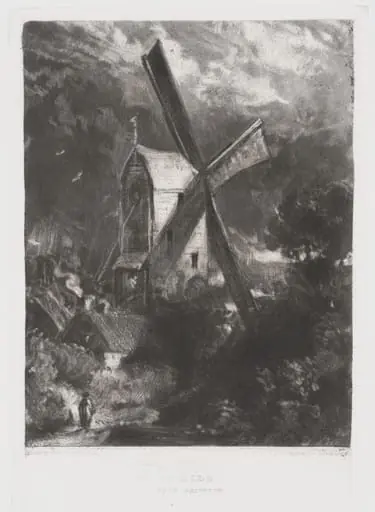 A MILL. NEAR BRIGHTON
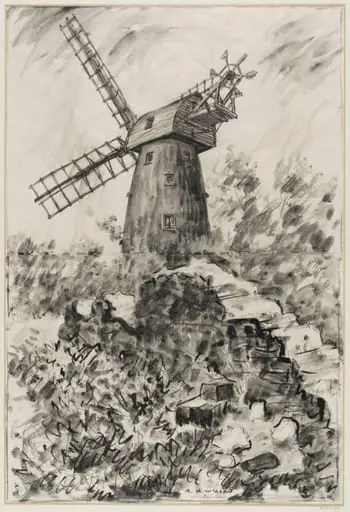 Shirley Mill, Surrey
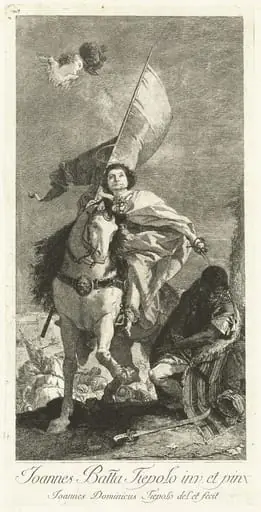 Saint James of Compostela
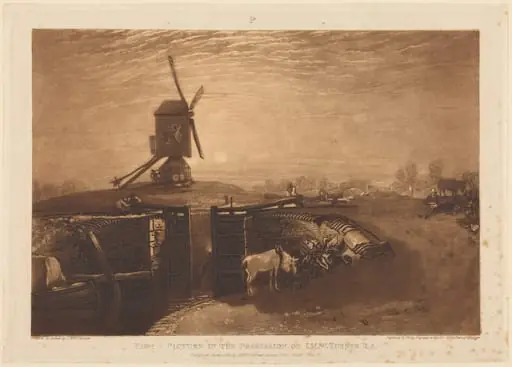 Windmill and Lock
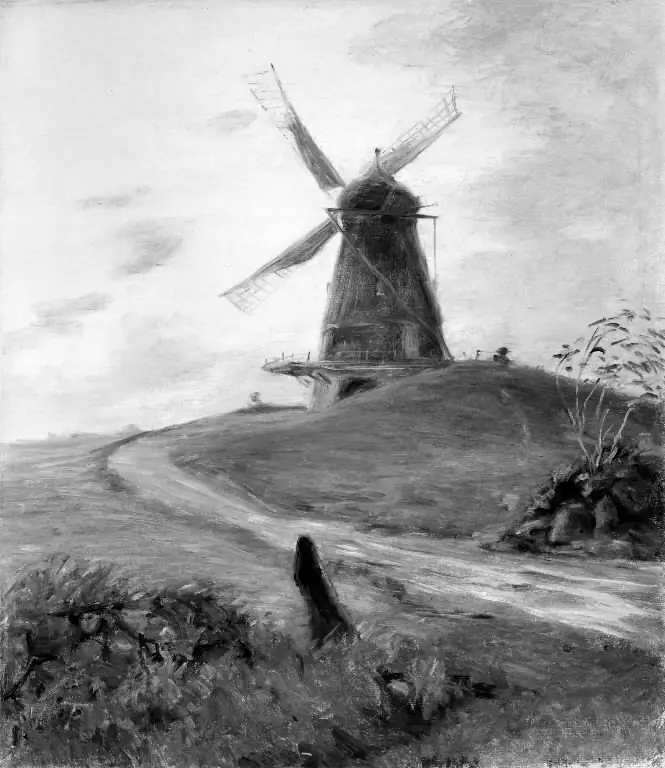 Kimmerlev Mill, Zealand. Sunset
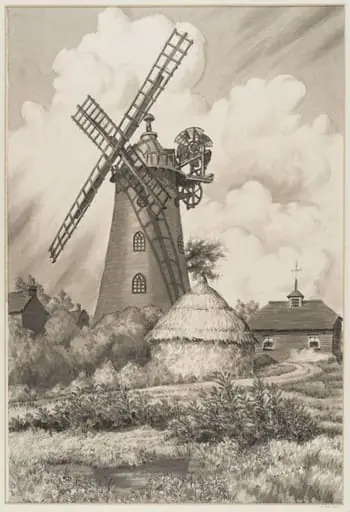 Wray Common Mill, Reigate, Surrey