Artwork
Windmill and Lock
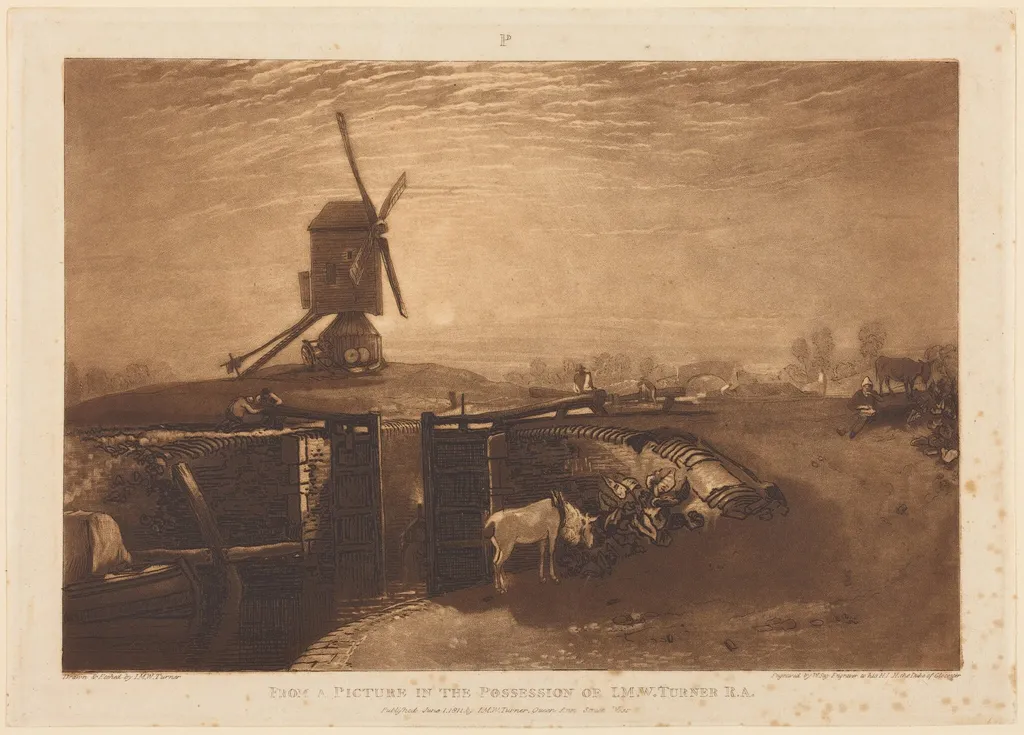
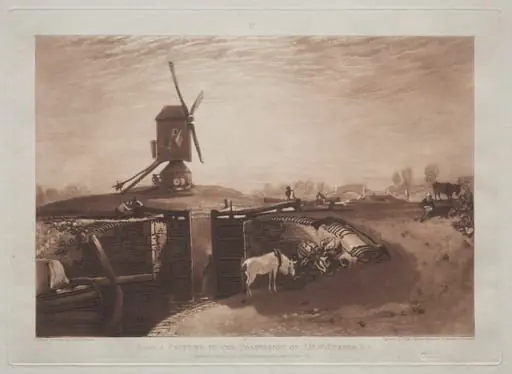
Windmill and Lock is an ink print by the Romanticist artist William Say. It dates from 1811 and is held in the collection of the National Gallery of Art.
About this work
Overview
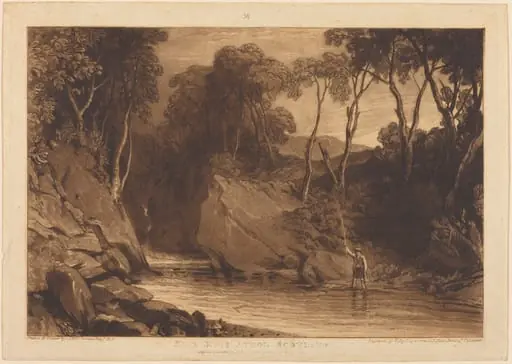
William Say’s 1811 print, titled *Windmill and Lock*, combines etching with mezzotint to depict a tranquil riverside scene. The composition centers on a windmill beside a lock, framed by foliage and water that convey a calm, bucolic atmosphere.
Subject & Meaning
The work presents a modest industrial structure—a windmill—integrated into a natural setting, suggesting a harmonious coexistence of human activity and the landscape. The presence of the lock hints at the importance of waterways for transport and commerce in early‑19th‑century England.
Technique & Style
Say employed the fine line work of etching to outline the architecture and surrounding trees, while the mezzotint process supplied rich tonal gradations that model the water’s surface and the windmill’s textured surfaces. This hybrid approach allows both precise detail and atmospheric depth.
History & Provenance
Created in 1811, the print reflects Say’s engagement with topographical subjects popular among British printmakers of the period. It has circulated in collections of landscape prints and remains a representative example of early‑19th‑century British printmaking.
Artist & collection