Artwork
Mehmed II, Sultan of Turkey
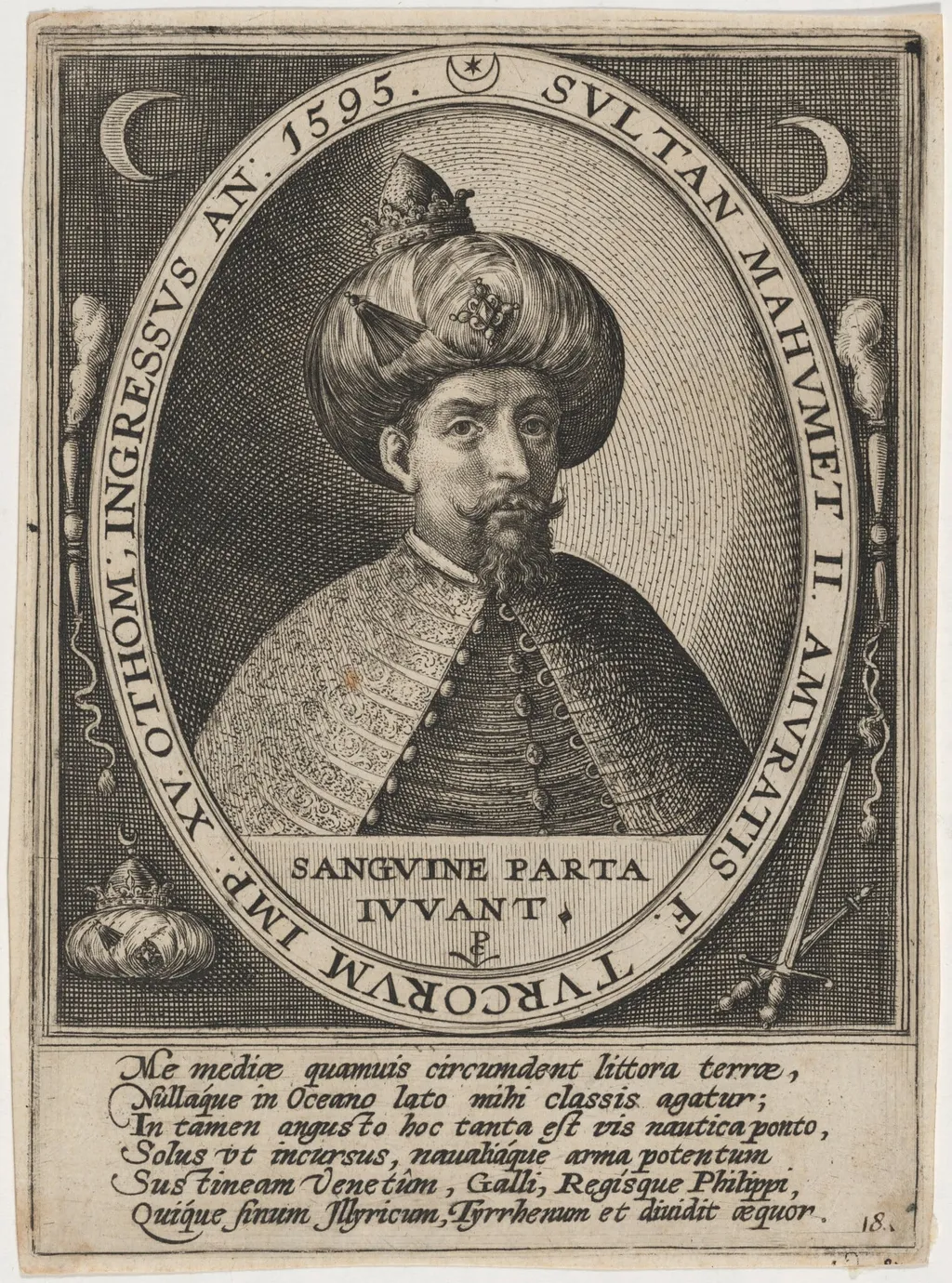
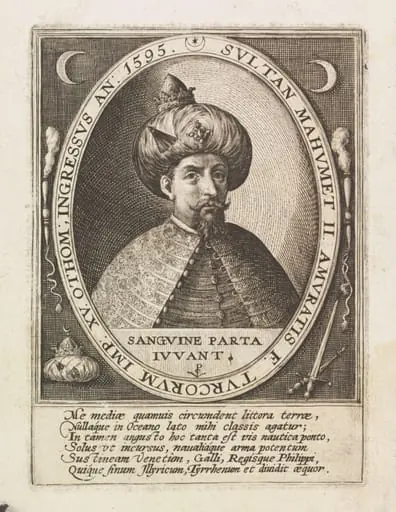
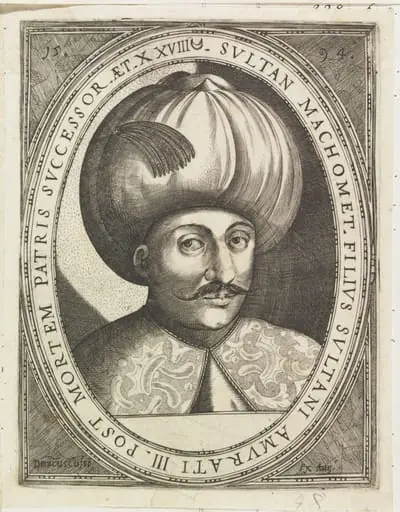
Mehmed II, Sultan of Turkey is an ink print by the Renaissance artist Crispijn van de Passe I. It dates from 1595 and is held in the collection of the National Gallery of Art.
About this work
Overview
Created in 1595 by Crispijn van de Passe I, this engraving depicts Mehmed II, the Ottoman sultan who conquered Constantinople in 1453.
Created in 1595 by Crispijn van de Passe I, this engraving depicts Mehmed II, the Ottoman sultan who conquered Constantinople in 1453. The work is a portrait printed from a metal plate, showcasing the precision and tonal range achievable through engraving. Unlike paintings, this image relies on fine lines and cross-hatching to convey form and texture, reflecting the printmaking traditions of late 16th-century Europe.
Subject & Meaning
Mehmed II is portrayed in formal attire, his expression stern and composed, aligning with European conventions of imperial portraiture. The image was not made during his lifetime but decades after his death, likely intended to convey authority and legitimacy to Western audiences unfamiliar with Ottoman rulers. His regalia and posture emphasize his status as a powerful sovereign, blending Ottoman identity with Renaissance ideals of rulership.
Technique & Style
Van de Passe employed the engraving technique, incising fine lines into a copper plate with a burin. The intricate detailing in the sultan’s fur-lined robe, turban, and facial features results from meticulous cross-hatching and stippling. The controlled density of lines creates subtle gradations of light and shadow, lending volume and realism to a flat surface. This method demanded patience and technical skill, typical of Northern European printmakers of the period.
History & Provenance
The engraving was produced in the Netherlands, where van de Passe operated a prolific print workshop. It likely circulated among European elites interested in Ottoman politics and culture. As a reproductive print, it may have been part of a series depicting foreign rulers, serving both informational and propagandistic purposes. No early ownership records are widely documented, but its survival in institutional collections suggests continued interest into the modern era.
Context
In the late 1500s, European interest in the Ottoman Empire was high due to its military power and territorial reach. Portraits of Mehmed II, though based on earlier depictions or descriptions, were used to visualize a distant and formidable adversary. Van de Passe’s version reflects the era’s fascination with the 'Other,' blending factual elements with stylized conventions to satisfy European expectations of Eastern sovereignty.
Legacy
This engraving contributed to the visual lexicon of Ottoman rulers in Western art, influencing later depictions in books and maps. While not original to Mehmed’s time, it became a widely reproduced image that shaped European perceptions for generations. Its technical refinement ensured its longevity in print collections, preserving a mediated image of an Ottoman sovereign long after his death.
Artist & collection

Artist
Crispijn van de Passe I (1564–1637) was an artist, born in Arnemuiden.

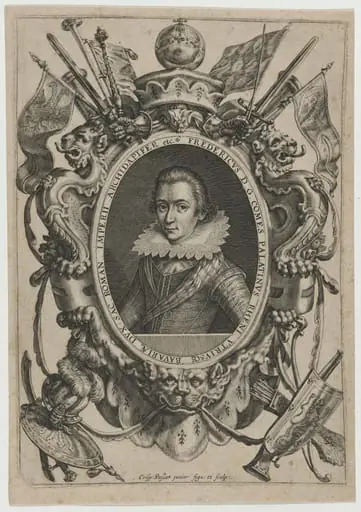
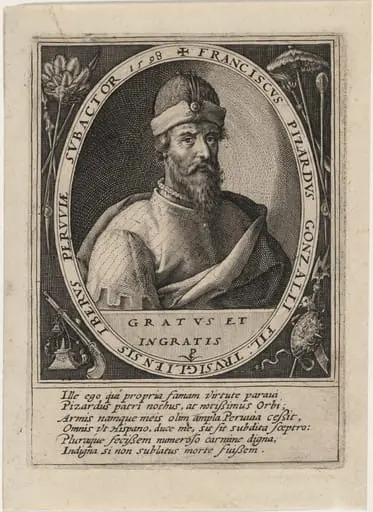
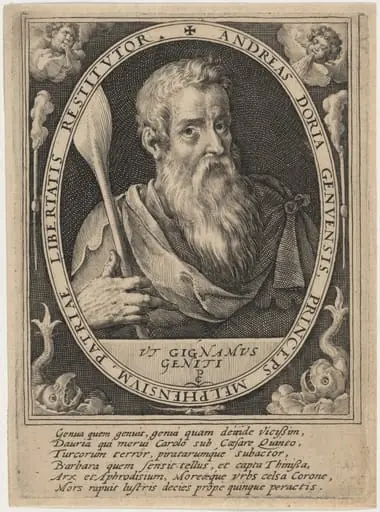
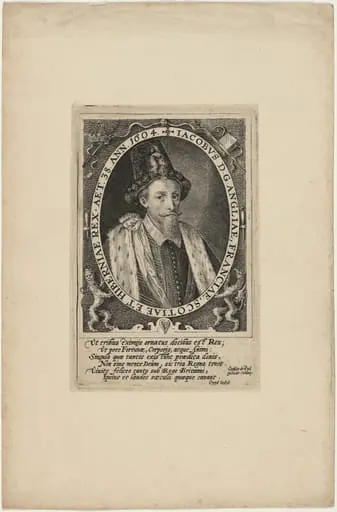
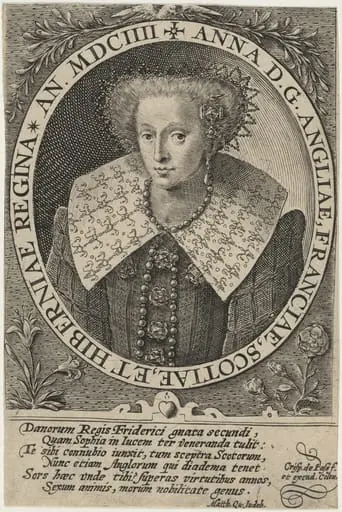
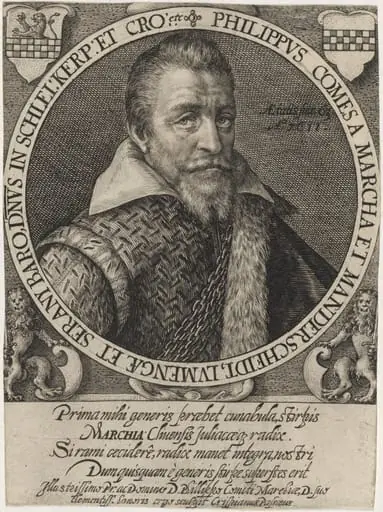
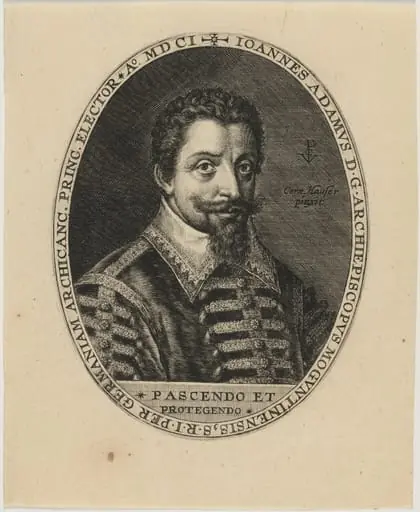
 Turkish sultans, sultanas and other historical figures
 Turkish sultans, sultanas and other historical figures
 Turkish sultans, sultanas and other historical figures
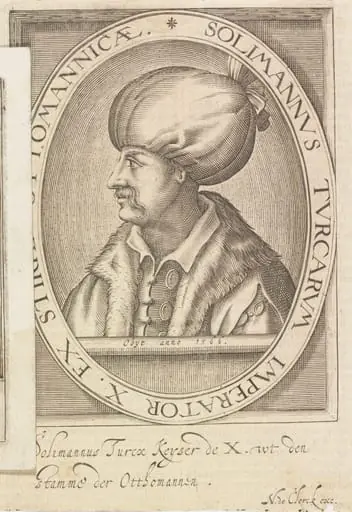 Turkish sultans, sultanas and other historical figures
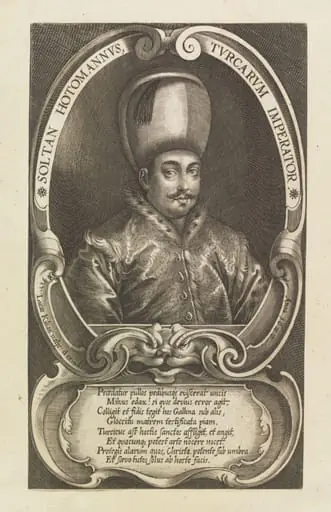 Turkish sultans, sultanas and other historical figures
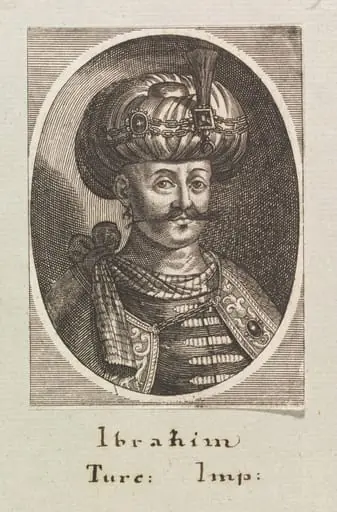 Turkish sultans, sultanas and other historical figures
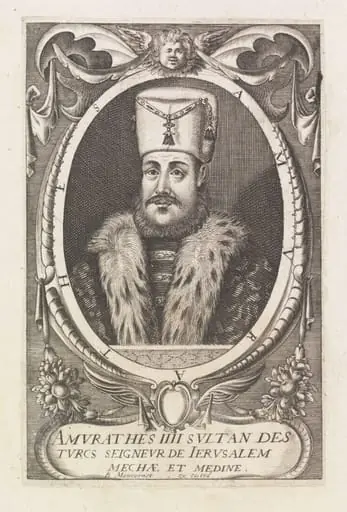 Turkish sultans, sultanas and other historical figures
 Turkish sultans, sultanas and other historical figures
 Turkish sultans, sultanas and other historical figures
 Turkish sultans, sultanas and other historical figures