Artwork
Scenes from Essays in Idleness
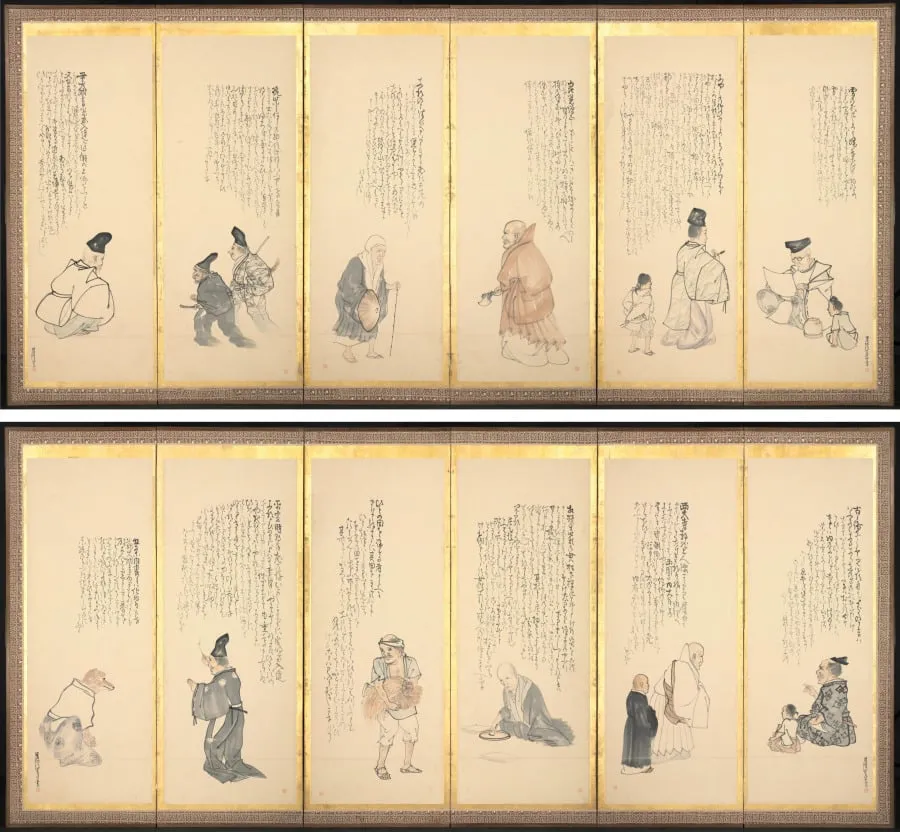
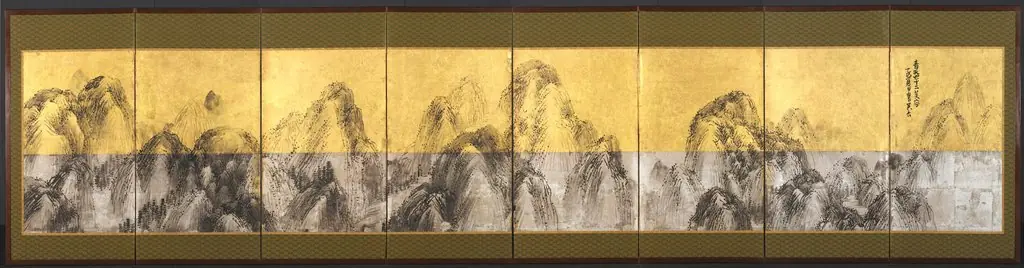
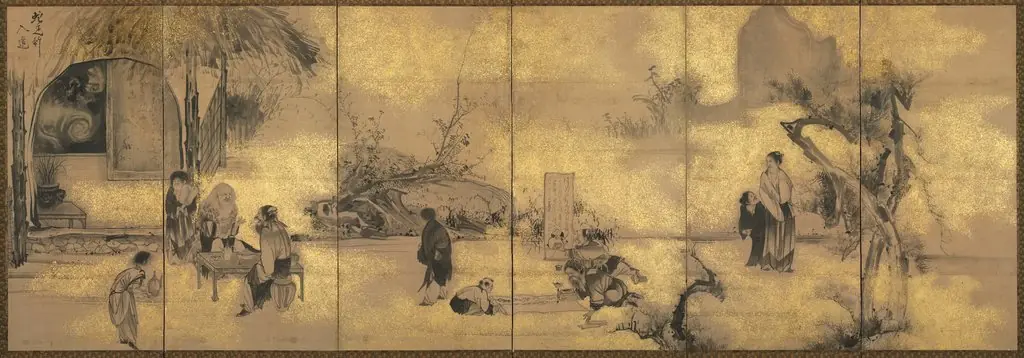
Scenes from Essays in Idleness is an unspecified painting by the Nihonga artist Matsumura Goshun. It dates from 1796 and is held in the collection of the Cleveland Museum of Art.
About this work
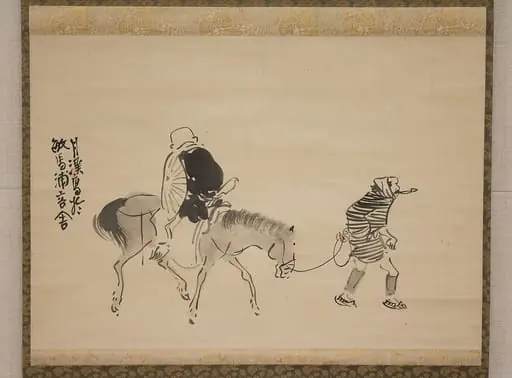
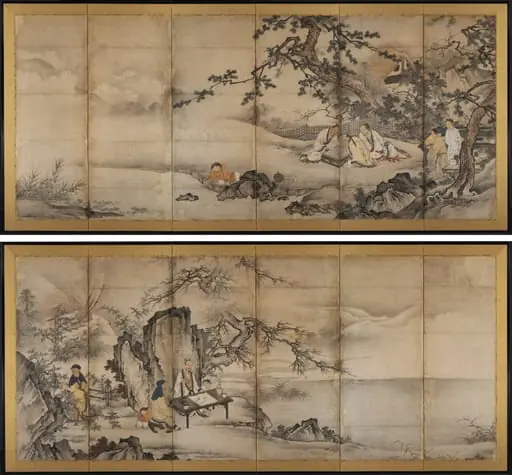
Tiny figures move through misty landscapes while black calligraphy flows down the top of each panel.
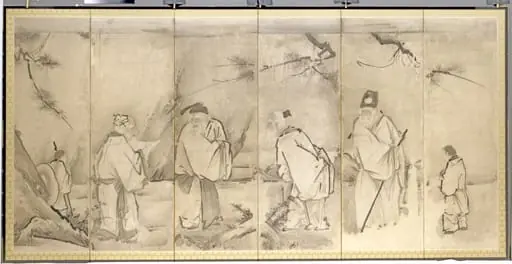
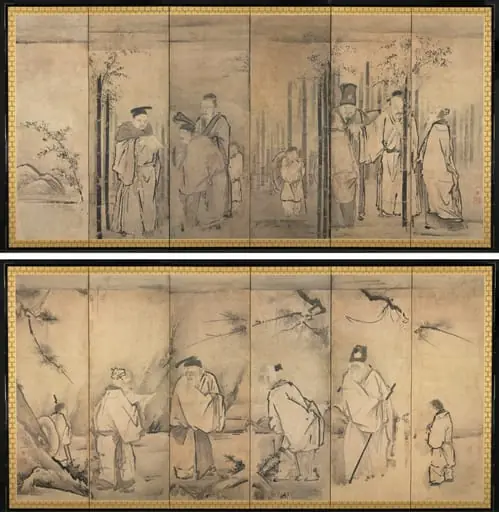
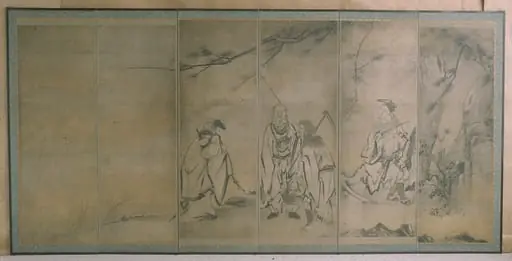
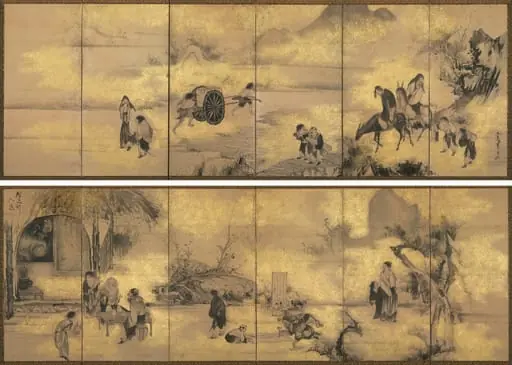
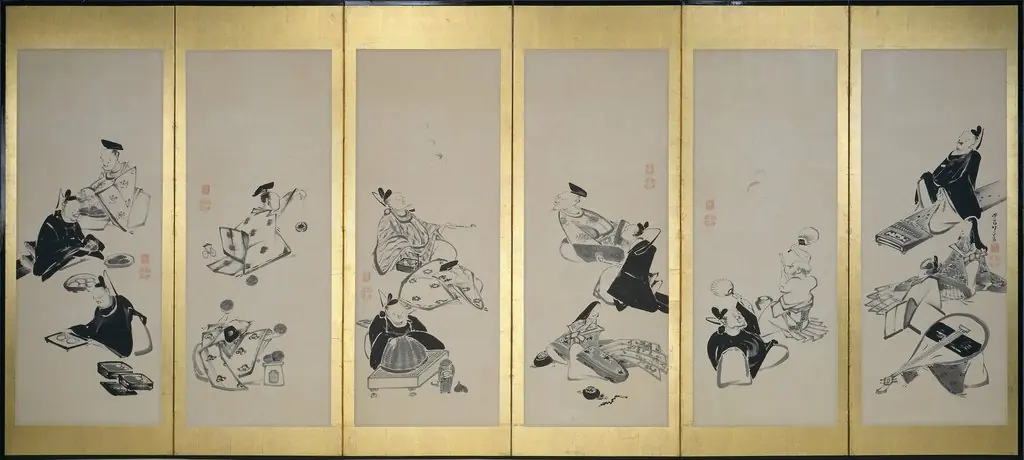
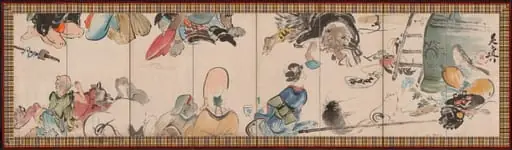
Two folding screens show twelve tall panels side by side. Tiny figures move through misty landscapes while black calligraphy flows down the top of each panel.
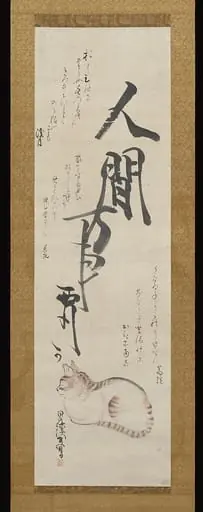
The words are quotes from a 1300s Buddhist monk’s book of short thoughts. The artist wrote them himself, then painted scenes that match each line. It’s like a visual footnote—words and pictures working together.
If you like how text and image play here, look up *Japan, Edo period (1615–1868)*.
Overview
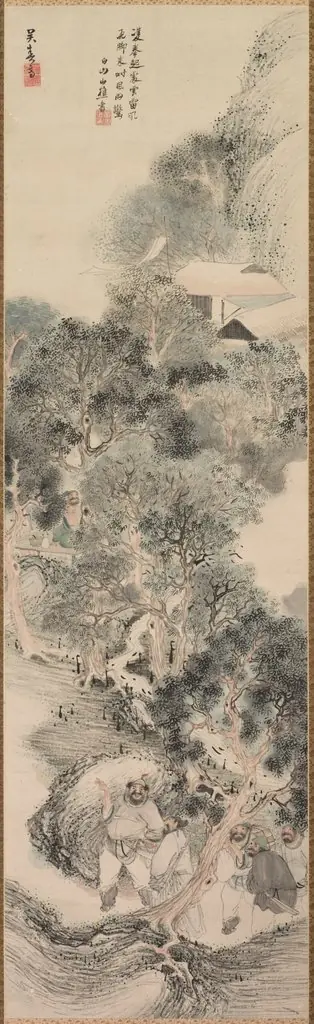
Twelve vertical panels form a pair of folding screens, each bearing a passage from Yoshida Kenkō’s Essays in Idleness, inscribed in calligraphy by Matsumura Goshun. Below each text, Goshun painted a small, atmospheric scene that responds to the words. The inscriptions descend from top to bottom, aligning with the imagery in a deliberate, rhythmic structure that unites literary and visual expression.
Subject & Meaning
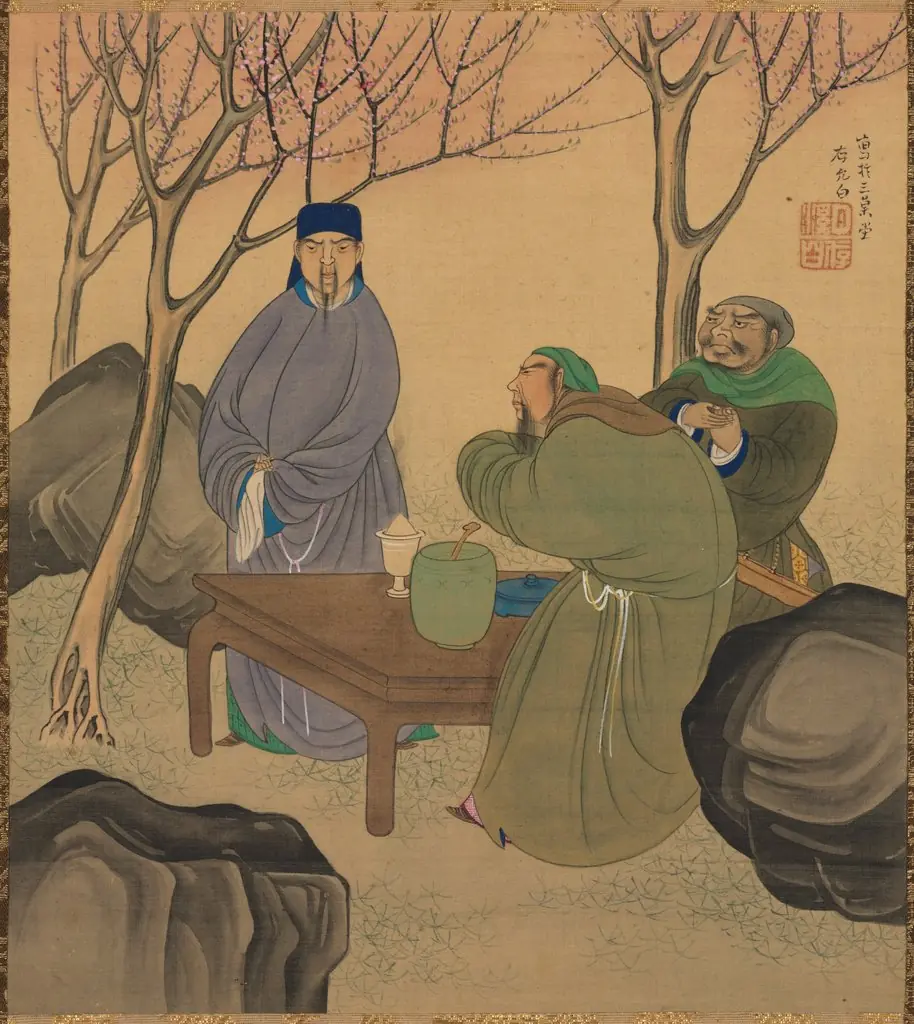
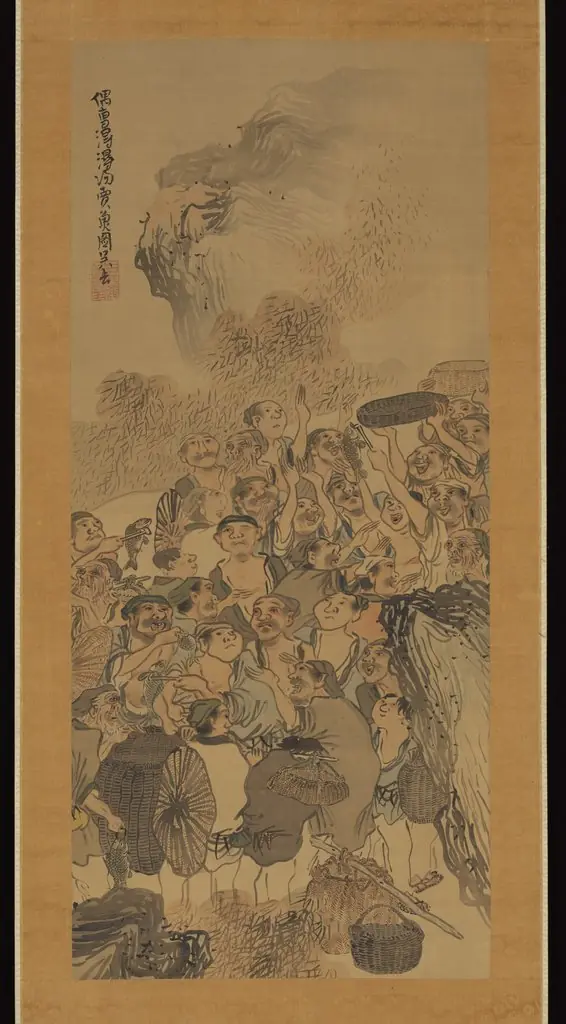
The scenes depict fleeting moments from Kenkō’s meditations on impermanence, solitude, and quiet observation—figures wandering through mist, monks in remote landscapes, or travelers pausing by streams. Goshun’s illustrations do not illustrate the texts literally but evoke their mood, inviting contemplation. The pairing reflects a Zen-inflected aesthetic where stillness and suggestion hold more weight than narrative clarity.
Technique & Style
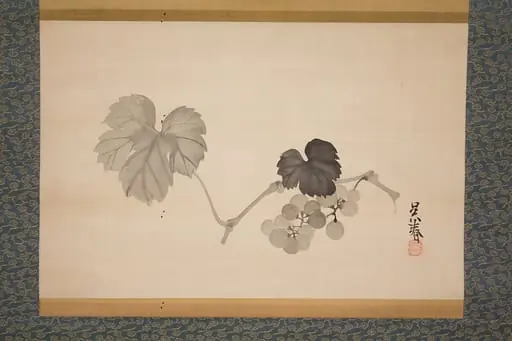
Goshun employed soft, muted washes to render hazy landscapes, with figures rendered in minimal strokes that suggest presence rather than detail. The calligraphy, executed in precise, flowing brushwork, contrasts with the delicate paintings beneath. The integration of text and image is structural: words frame the composition vertically, guiding the viewer’s eye downward and anchoring each scene in its philosophical context.
History & Provenance
Created during the late 18th century in Kyoto, the screens reflect Goshun’s engagement with both literati traditions and the emerging Nanga school. Likely commissioned by a cultured patron familiar with classical Japanese literature, the work demonstrates the continued reverence for Kenkō’s text among Edo-period intellectuals. Its survival in near-original condition suggests careful preservation within a scholarly or monastic context.
Context
In Edo-period Japan, classical texts like Essays in Idleness were frequently reinterpreted by artists and poets seeking spiritual depth amid urbanization. Goshun’s screens align with a broader trend of literati painting, where literary allusion and personal expression merged. The work stands apart from popular ukiyo-e by prioritizing quiet introspection over spectacle, reflecting the tastes of a refined, educated elite.
Legacy
The screens exemplify a distinctive Japanese mode of combining poetry and painting, influencing later artists who sought to merge literary contemplation with visual subtlety. While not widely exhibited in its time, the work remains a touchstone for understanding how Edo-period intellectuals engaged with the past—not through revival, but through intimate, personal reinterpretation.
Artist & collection