Artwork
Vanitas
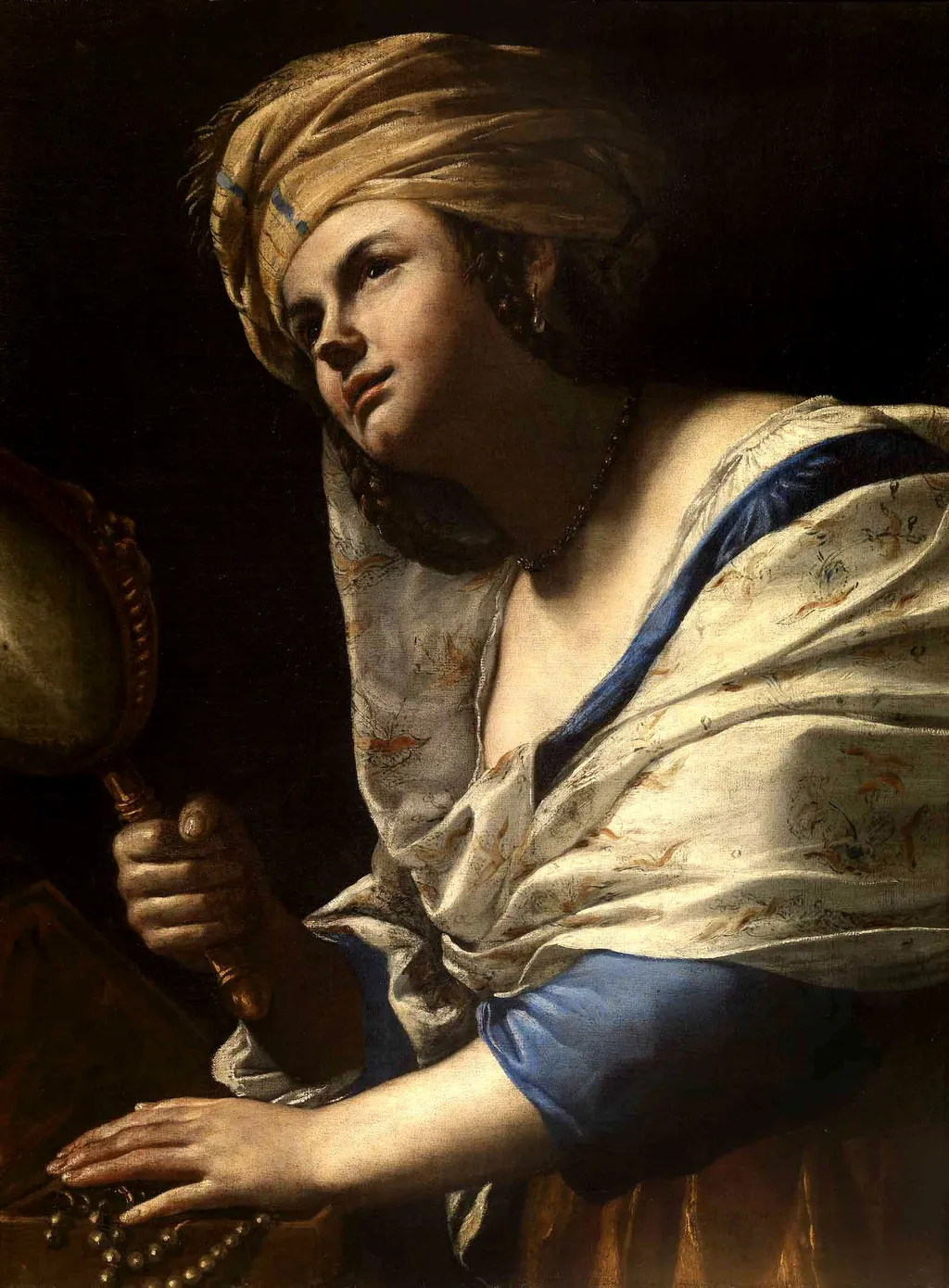
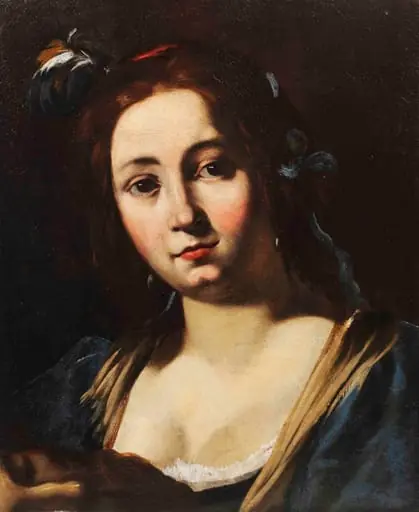
Vanitas is an unspecified painting by the Baroque artist Mattia Preti. It dates from 1650 and is held in the collection of the Uffizi Gallery.
About this work
Overview
Mattia Preti's 'Vanitas' is an oil-on-canvas painting created between 1650 and 1670, now housed at the Uffizi in Florence as inventory number 9283, acquired from a private collection in 1951.
Subject & Meaning
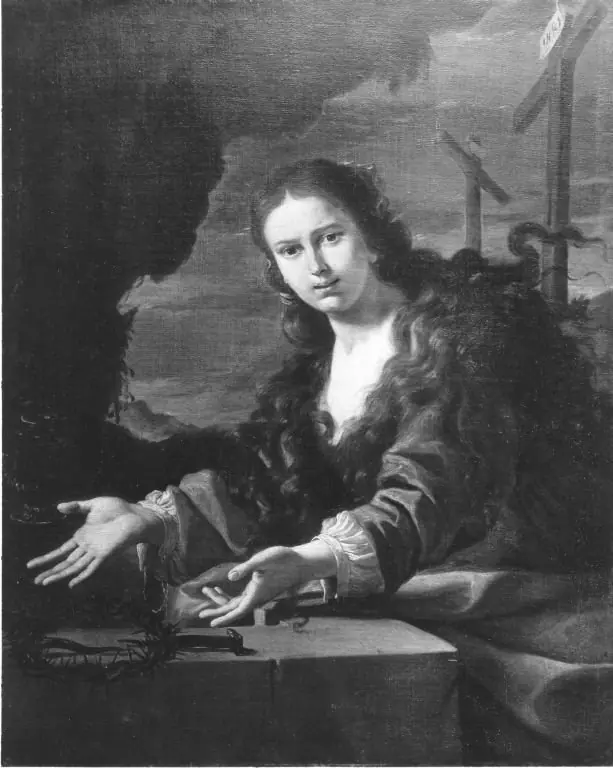
The painting portrays a contemplative woman seated at a table, surrounded by symbolic objects including a mirror, pearls, a book, and a skull, inviting interpretation as either a general vanitas theme or a depiction of Mary Magdalene.
Technique & Style
Preti employs chiaroscuro to create depth and draw attention to the woman's face and the table's contents, evoking similarities with Caravaggio's stylistic use of contrasting light and shadow.
History & Provenance
Originally from a private collection, 'Vanitas' was acquired by the Uffizi in 1951; its original dimensions and whether it represents a fragment of a larger work remain points of scholarly debate.
Context
Created during the Baroque period, 'Vanitas' reflects the era's fascination with themes of mortality and introspection, common in vanitas paintings, which caution against earthly vanity.
Legacy
While not widely renowned as an individual masterpiece, 'Vanitas' contributes to the broader understanding of 17th-century Italian Baroque art, particularly in its execution of chiaroscuro and contemplative themes.
Own this work as a print
Artist & collection

Artist
Mattia Preti was an Italian Baroque artist who worked in Italy and Malta. He was appointed a Member of the Order of Saint John.