Artwork
Sappho
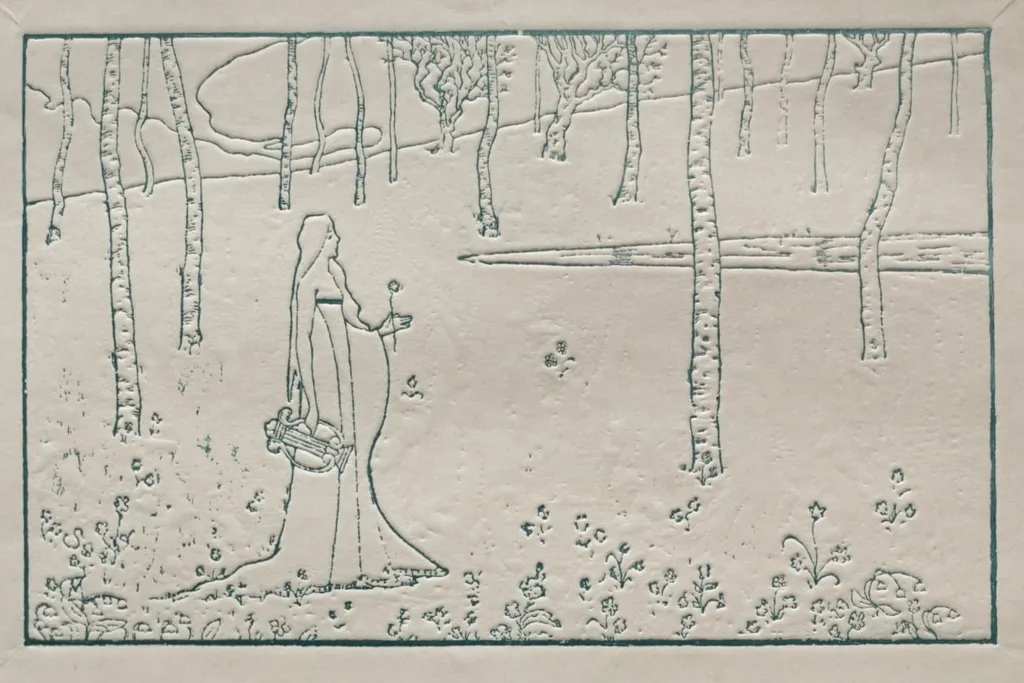
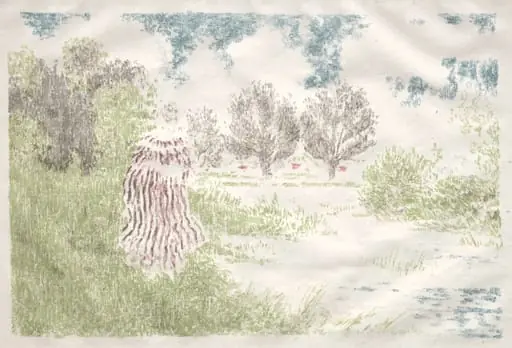
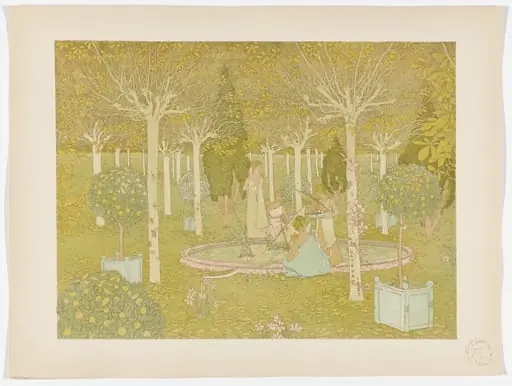
Sappho is a print by the Impressionist artist Maurice Dumont. It dates from 1895 and is held in the collection of the Cleveland Museum of Art.
About this work
Dumont made it for an art journal called *Pan*, where it appeared with an article about a printmaking method he invented.
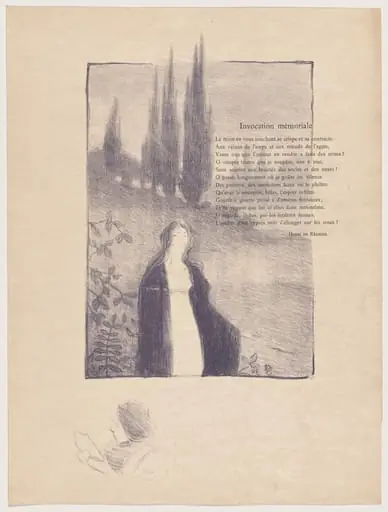
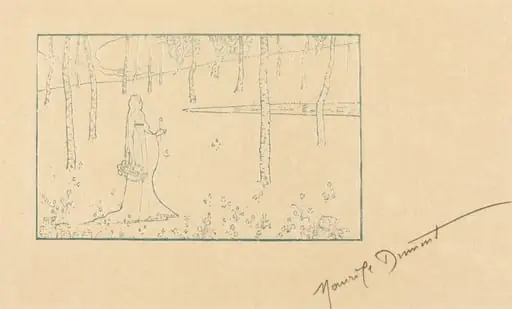
A woman in a long white dress sits under thin birch trees, holding a small harp.
She looks down, lost in thought, while leaves drift around her. The scene feels quiet, almost like a dream.
This painting shows Sappho, the ancient Greek poet. Dumont made it for an art journal called *Pan*, where it appeared with an article about a printmaking method he invented. He also wrote poetry, so the image feels personal—like he’s imagining her world.
To see more of Dumont’s quiet, poetic scenes, look up Maurice Dumont (French, 1870–1899).
Overview
Sappho is a print by French artist Maurice Dumont (1870–1899), featuring the ancient Greek poetess in a contemplative setting. The work was created for the artistic journal Pan.
Subject & Meaning
The print depicts Sappho, an ancient Greek poet, seated under birch trees, lost in thought while holding a lyre (misidentified as a harp in some descriptions). The serene, dreamlike atmosphere may reflect Dumont's personal connection, given his own practice as a poet.
Technique & Style
Sappho showcases Dumont's innovative printmaking, specifically his invented gypsograph technique, highlighted in an accompanying article in Pan. The style conveys a quiet, poetic quality, characteristic of Dumont's oeuvre.
History & Provenance
Dumont produced multiple versions of Sappho. The piece was first published in the journal Pan, alongside explanatory text on its innovative printing method.
Context
Created for an artistic journal, Sappho demonstrates Dumont's engagement with both literary and visual artistic communities, bridging his interests in poetry and printmaking.
Legacy
While specific lasting impacts of Sappho on the broader art historical canon are not detailed, it remains a notable example of Dumont's experimental approach to printmaking and his poetic vision.
Artist & collection