Artwork
On Death Part Two, Opus XIII Print 4: Genius (Artist)
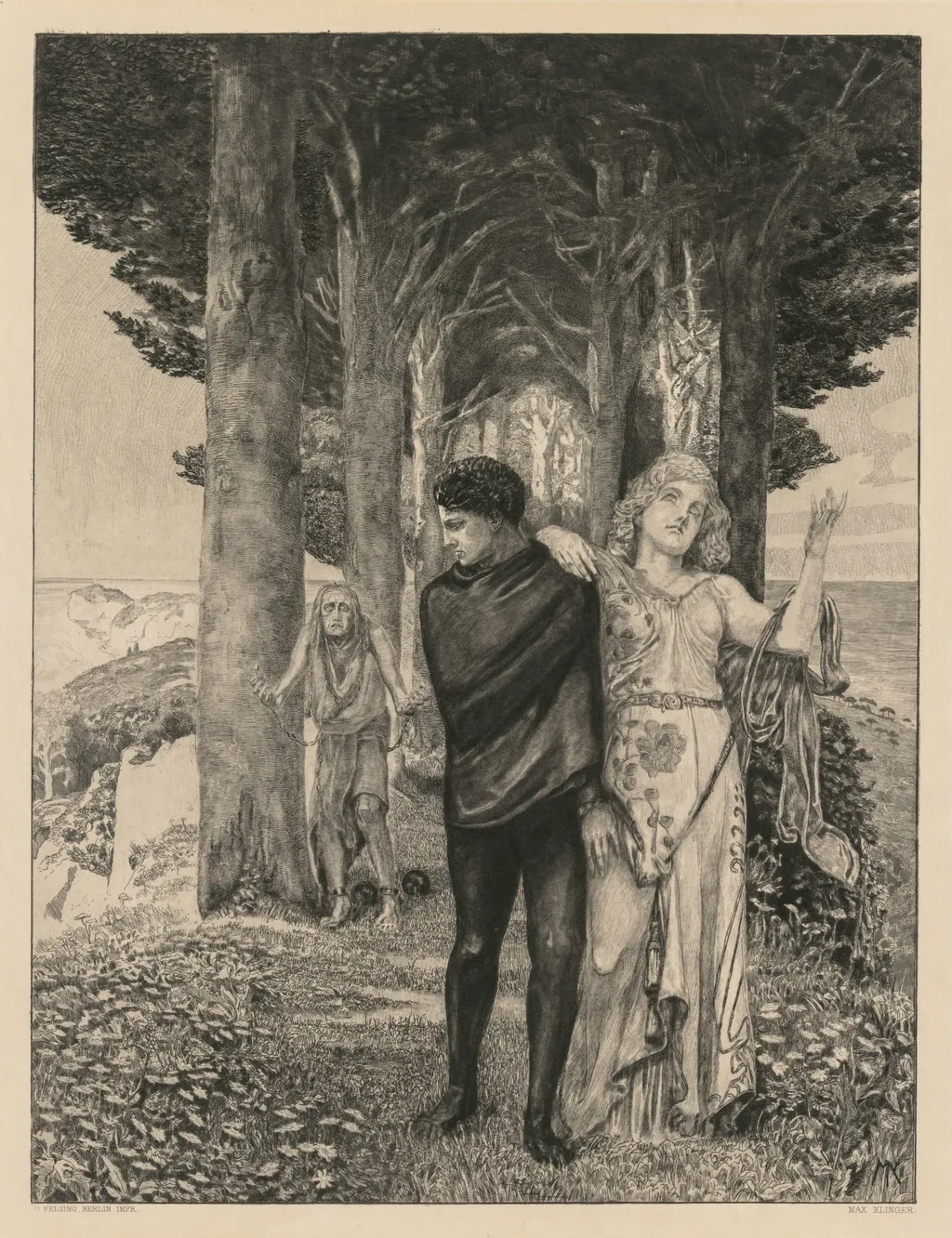
On Death Part Two, Opus XIII Print 4: Genius (Artist) is a print by Max Klinger. It dates from 1903 and is held in the collection of the Cleveland Museum of Art.
About this work
Overview
Created in 1903 by German artist Max Klinger, this print is the fourth in a series titled *On Death Part Two, Opus XIII*.
Created in 1903 by German artist Max Klinger, this print is the fourth in a series titled *On Death Part Two, Opus XIII*. Executed in monochrome, it belongs to a larger body of work examining mortality through symbolic imagery. Klinger, known for his interdisciplinary practice, produced this piece during a period when his art increasingly engaged with psychological and metaphysical themes. The print is now part of the Cleveland Museum of Art’s permanent collection.
Subject & Meaning
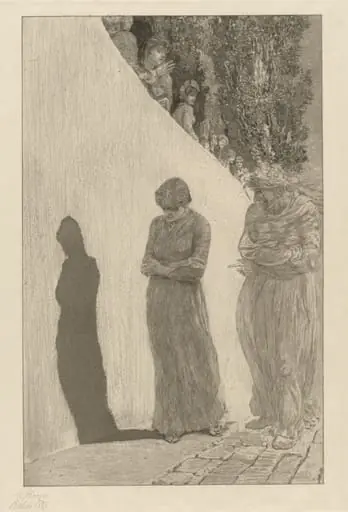
The composition presents three figures in a somber woodland: a robed woman with an outstretched arm, a man clasping her sleeve, and a diminished figure retreating into shadow. The woman’s stillness and the man’s restrained grip suggest a transition or surrender, while the hunched figure evokes isolation or abandonment. Together, they form an allegory of death’s passage—perhaps the soul’s departure, the witness’s grief, and the离去 of the mortal self.
Technique & Style
Klinger employed etching and drypoint to achieve deep contrasts and textured surfaces, emphasizing the weight of form and atmosphere. The dense, dark trees frame the figures, their gnarled trunks reinforcing the mood of solemnity. Delicate linework defines the flowing robes and the man’s cloak, while the retreating figure is rendered with rougher strokes, enhancing its sense of erosion. The absence of color heightens the emotional gravity and symbolic clarity.
History & Provenance
The print was produced during Klinger’s mature phase, following his earlier *On Death* series from the 1890s. It was likely circulated among collectors and institutions aligned with Symbolist and Secessionist circles. Acquired by the Cleveland Museum of Art in the 20th century, it remains one of the few complete sets of *Opus XIII* held in a public collection, reflecting its significance in early modern printmaking.
Context
Klinger’s work emerged alongside broader European movements—Symbolism, Jugendstil, and the Vienna Secession—that rejected naturalism in favor of inner experience and mythic narrative. His interest in death as a universal theme aligned with contemporary philosophical and literary currents, including Nietzschean thought and the revival of classical motifs. The scene’s quiet drama resonates with ancient literary depictions of the afterlife, such as Aeneas’s journey through the underworld.
Legacy
Though less widely known than his sculptural works, this print exemplifies Klinger’s influence on early 20th-century graphic art. His integration of literary allegory with precise printmaking techniques inspired later artists exploring psychological depth through monochrome imagery. The series remains a touchstone in studies of fin-de-siècle visual culture, particularly in its treatment of death not as spectacle but as quiet, inevitable transition.
Artist & collection
Artist
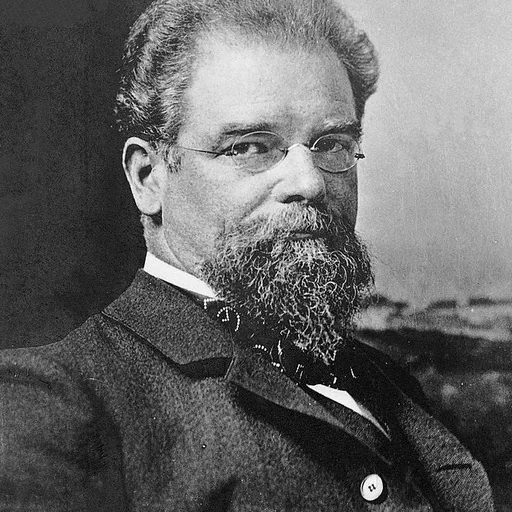
Max Klinger (18 February 1857 – 5 July 1920) was a German artist who produced significant work in painting, sculpture, prints and graphics, as well as writing a treatise articulating his ideas on art and the role of…

 H Beard Print Collection
 H Beard Print Collection
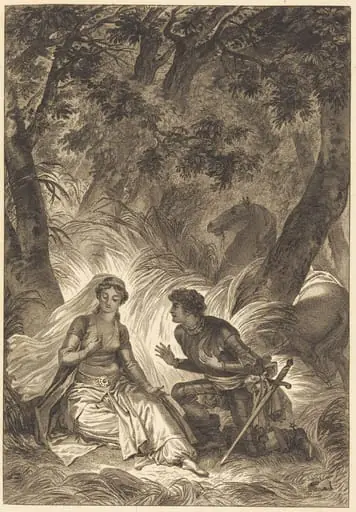 La fiancee du roi de Garbe: La chevalier
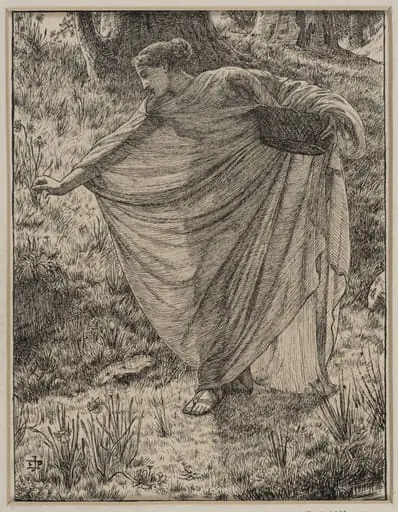 Original drawing for an illustration to "Persephone," in "Poems by Jean Ingelow"
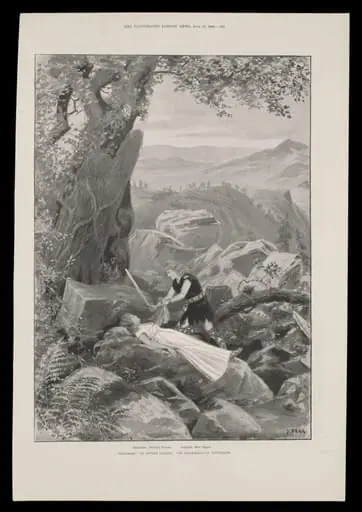 H Beard Print Collection
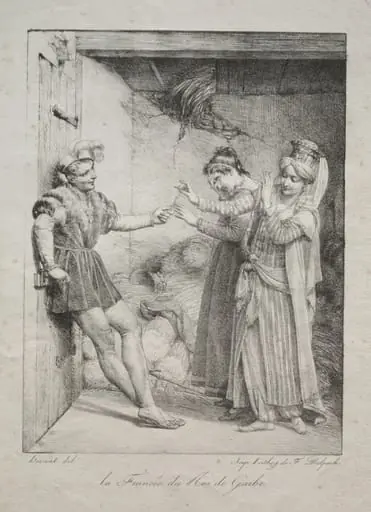 The Fiancée of the King of Garbe
 H Beard Print Collection
 Italian Dancers
 Child, from On Death, Part I, Opus XI (Kind, Vom Tode, Erster Teil, Opus XI)
 Peronnik the Fool: Peronnik and Sir Gilles
 H Beard Print Collection
 Flora
Flora