Artwork
Eine Mutter
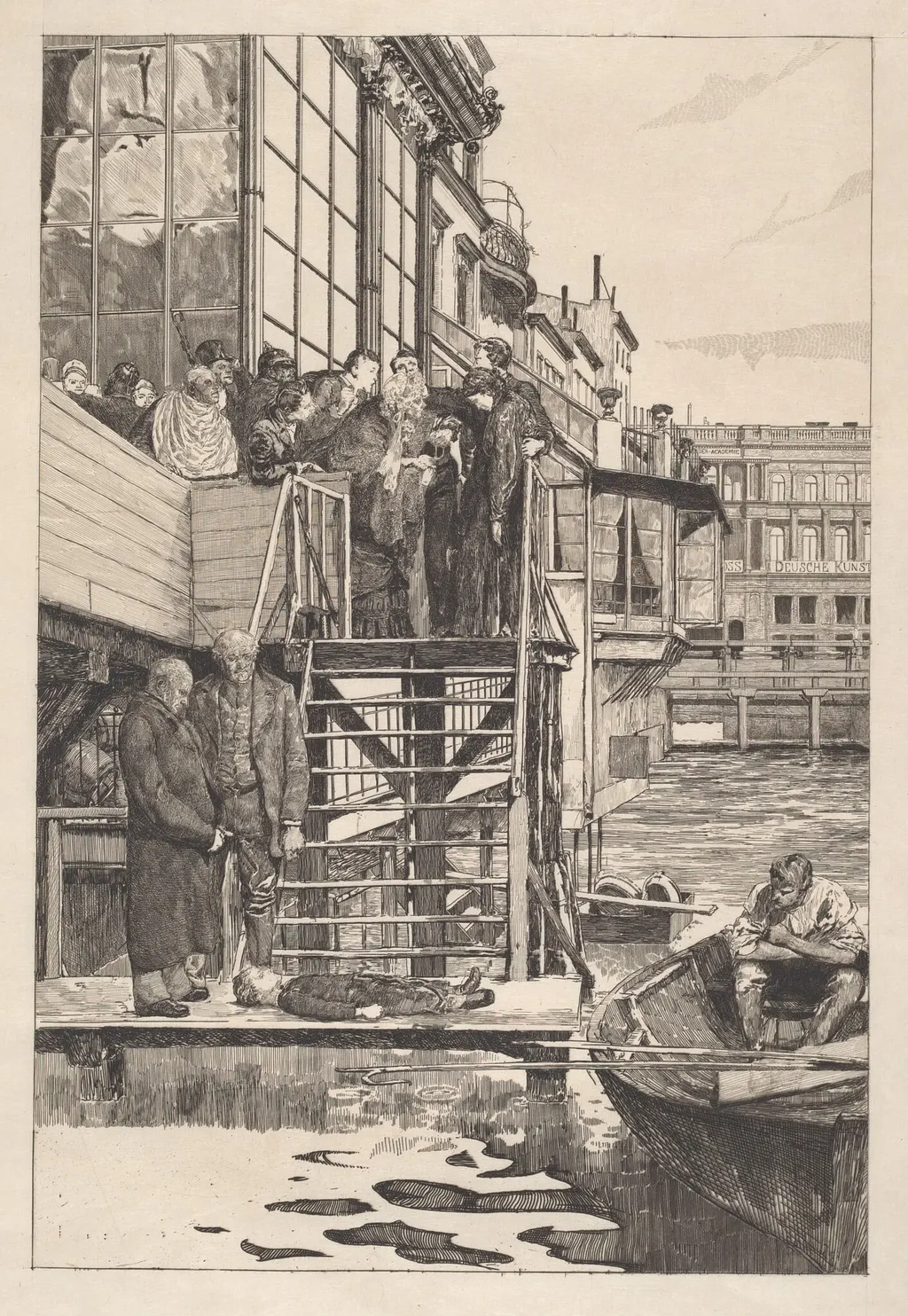
Eine Mutter is an ink print by the Impressionist artist Max Klinger. It dates from 1882 and is held in the collection of the National Gallery of Art.
About this work
Overview
It belongs to a body of graphic work that positioned printmaking as a serious artistic medium, distinct from mere reproduction.
Created in 1882, *Eine Mutter* is an etching on Japanese paper by the German artist Max Klinger. It belongs to a body of graphic work that positioned printmaking as a serious artistic medium, distinct from mere reproduction. Klinger’s focus on intimate, unidealized scenes aligned with his broader interest in psychological depth and everyday observation, setting his prints apart from the grand narratives common in academic art of the period.
Subject & Meaning
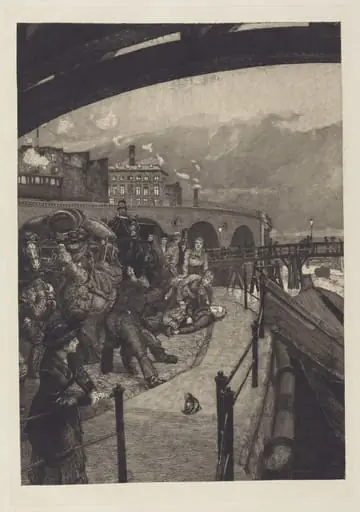
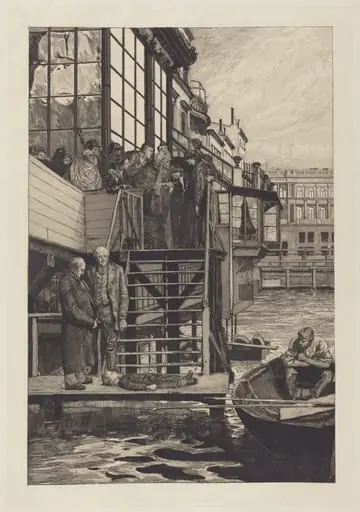
The scene depicts a quiet moment amid a bustling riverside dock. A solitary woman sits apart, gazing downward, while others engage in labor or conversation nearby. The title, meaning 'A Mother,' suggests an emotional anchor within the chaos, though no child is visible. The ambiguity invites reflection on solitude, duty, or unseen burdens, consistent with Symbolist tendencies to evoke inner states through ordinary settings.
Technique & Style
Klinger employed fine-line etching to capture nuanced textures — the grain of wood, the sheen of water, the weight of fabric. The use of Japanese paper enhanced the delicacy of the ink lines, allowing subtle gradations of tone. His composition balances dense activity with isolated stillness, using spatial depth and varied figure placement to guide the viewer’s eye without directing narrative closure.
History & Provenance
Produced during Klinger’s early mature period, *Eine Mutter* emerged from his sustained exploration of printmaking after his studies in Leipzig and Rome. It was likely part of a private circulation among artists and collectors, as Klinger often distributed his etchings in limited editions. The work predates his larger symbolic cycles but already reveals his interest in psychological realism and the expressive potential of the graphic medium.
Context
In the 1880s, German and Austrian artists were redefining printmaking beyond illustration, embracing its capacity for personal expression. Klinger’s work intersected with emerging movements like Jugendstil and the Vienna Secession, which valued craftsmanship and emotional resonance. His focus on urban labor and quiet introspection mirrored broader cultural shifts toward realism and the psychological dimensions of modern life.
Legacy
Klinger’s prints, including *Eine Mutter*, influenced later generations of graphic artists who sought to elevate etching as a vehicle for introspective storytelling. His integration of everyday scenes with symbolic undertones helped bridge realism and symbolism, paving the way for expressionist printmakers. The work remains a quiet testament to the power of understated observation in art.
Artist & collection
Artist
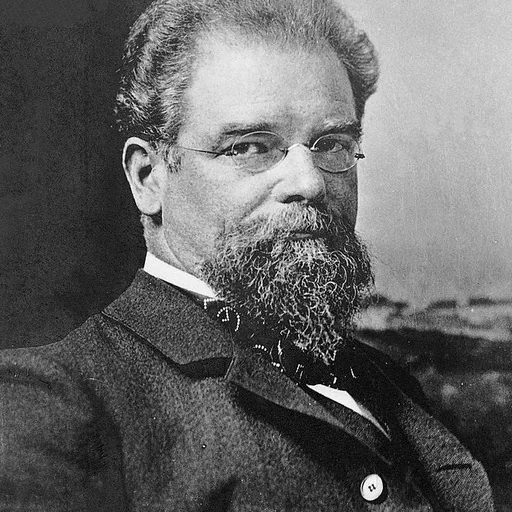
Max Klinger (18 February 1857 – 5 July 1920) was a German artist who produced significant work in painting, sculpture, prints and graphics, as well as writing a treatise articulating his ideas on art and the role of…

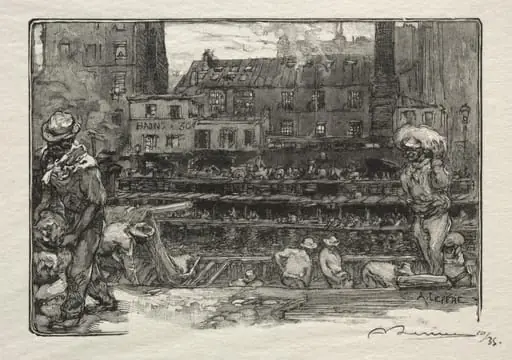 Les Déchargeurs de Plâtre
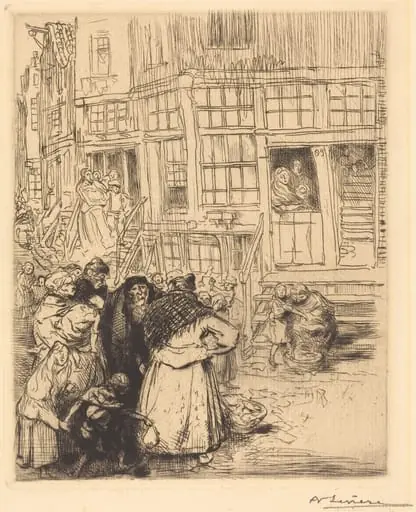 Jewish Quarters in Amsterdam
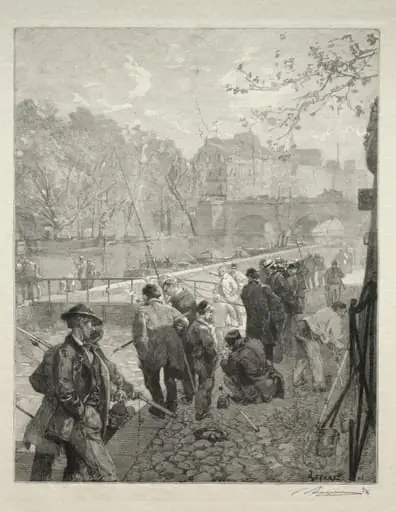 L'Ecluse de la Monnaie
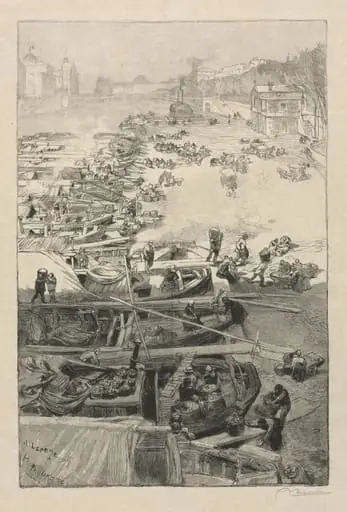 Potatoes Arriving at the Hôtel de Ville
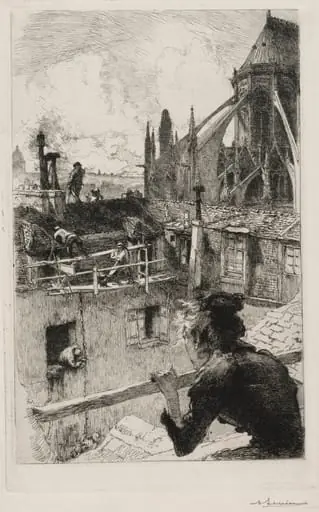 Sur les Toits pres Notre Dame
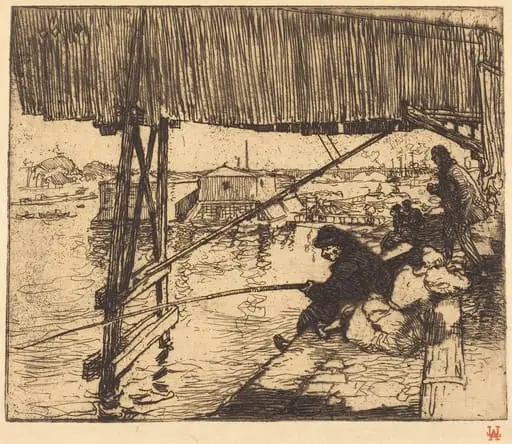 Under the Bridge of Bercy (Sous le pont de Bercy)
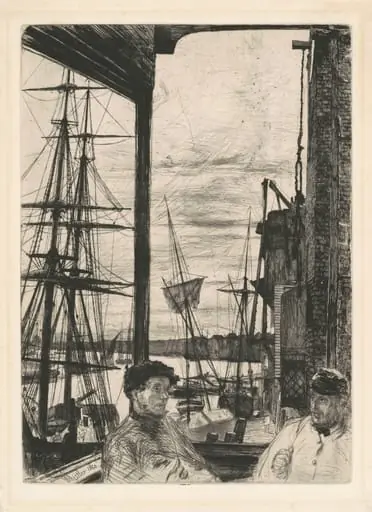 Rotherhithe
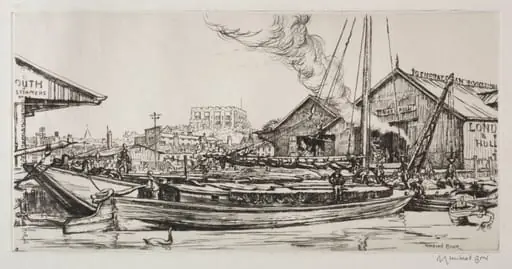 Norwich Castle
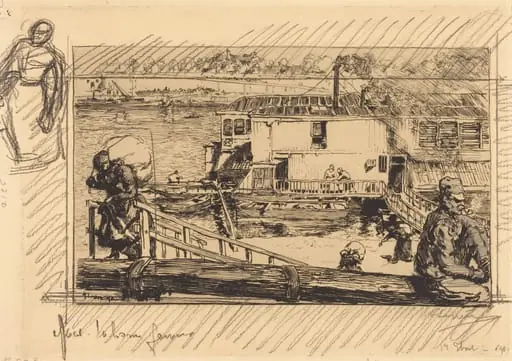 The Wash-house (Le lavoir)
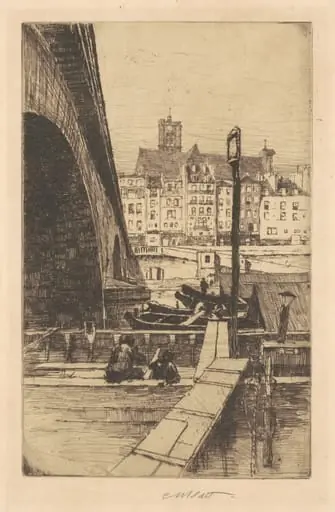 St. Gervais, Paris
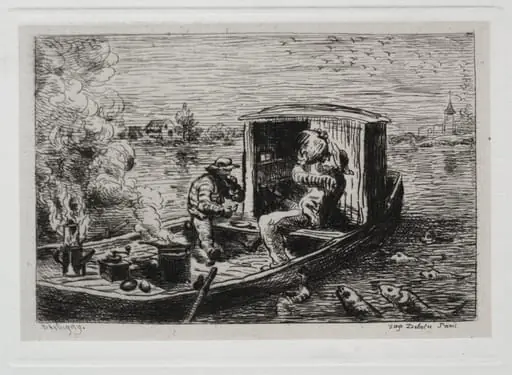 The Boat Trip: Guzzling or Lunch on the Boat
 Eine Mutter II (A Mother II)