Artwork
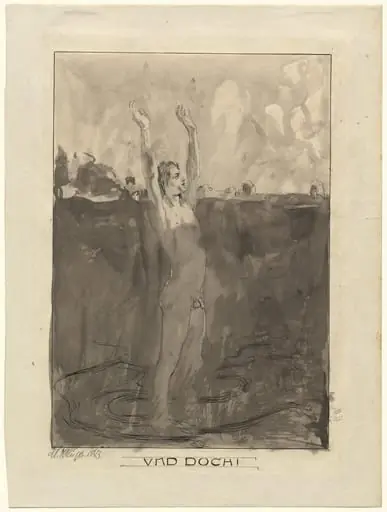
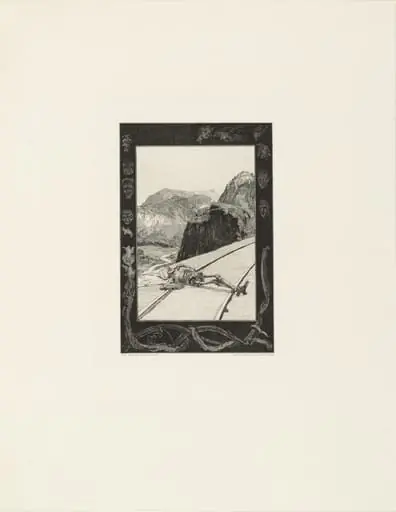
Vom Tode I, (Opus II, 1889) No. 8
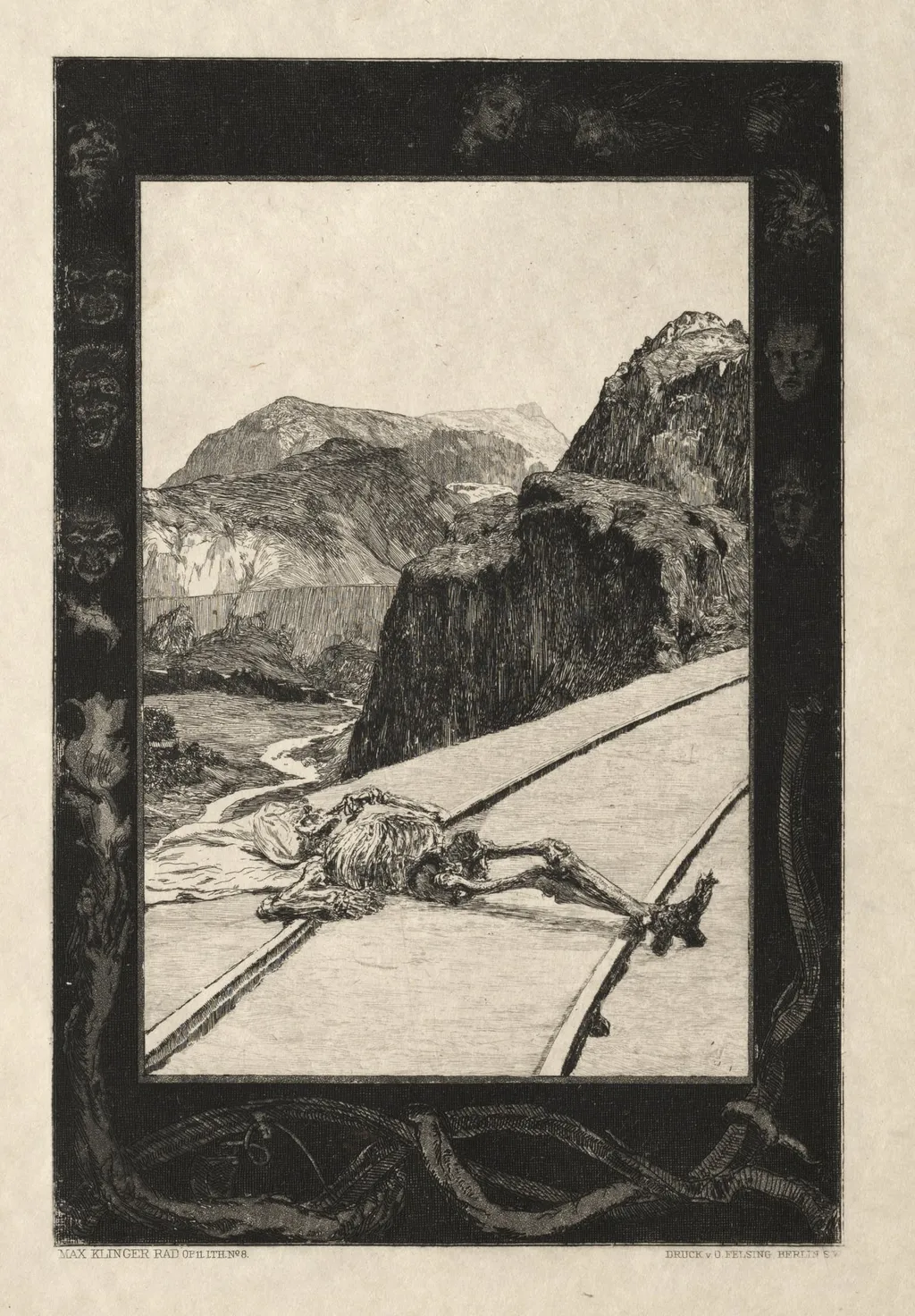
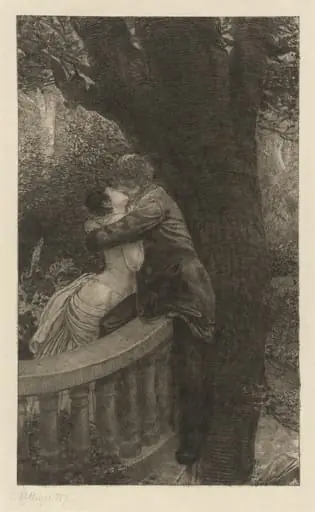
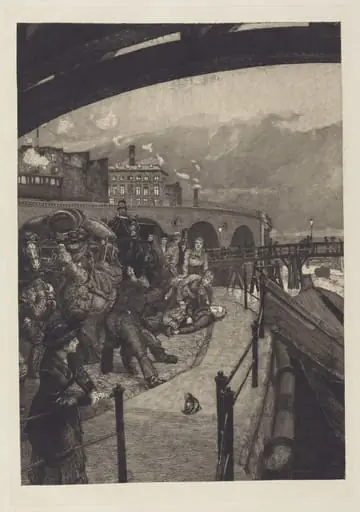
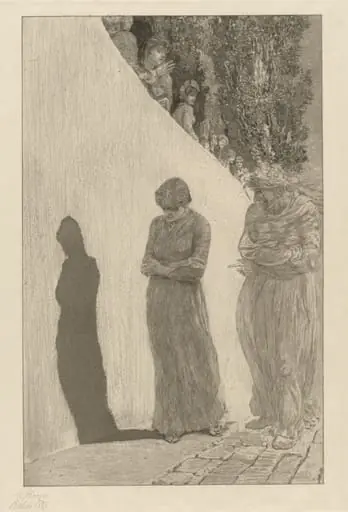
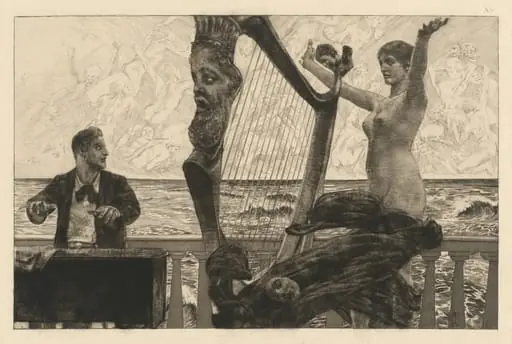
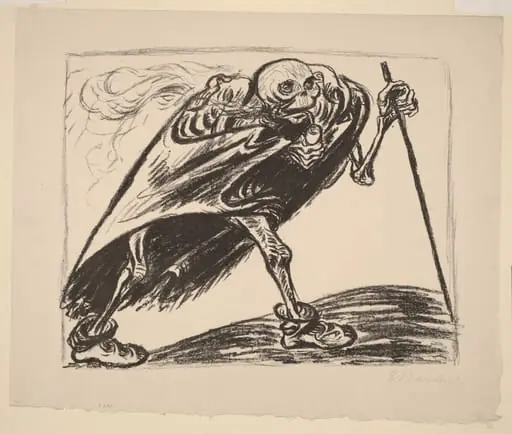
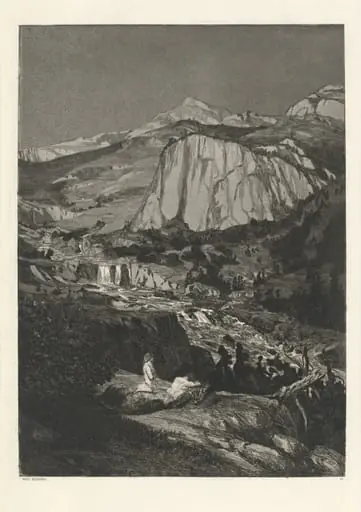
Vom Tode I, (Opus II, 1889) No. 8 is a print by the Impressionist artist Max Klinger. It dates from 1889 and is held in the collection of the Cleveland Museum of Art.
About this work
Overview
Created in 1889, this print forms part of Max Klinger's *Vom Tode I* series, catalogued as Opus II, No. 8. The work resides in the Cleveland Museum of Art and exemplifies Klinger's engagement with Symbolist motifs and the broader currents of German Art Nouveau.
Subject & Meaning
The image presents a solitary figure reclined upon a railway track, clothed in a long, flowing robe that suggests timelessness. Set against a distant, mountainous horizon, the scene evokes an allegorical meditation on death and the fragility of human existence.
Technique & Style
Executed with stark, bold lines and a restrained palette, the print employs chiaroscuro to model the figure and suggest depth. The muted tonal range reinforces the somber atmosphere, while the contrast between light and shadow guides the eye toward the central, lifeless form.
History & Provenance
Max Klinger's career spanned painting, sculpture, and printmaking, and he was active in movements such as Symbolism, the Vienna Secession, and Jugendstil. This particular print was produced during the late 1880s, a period when Klinger's interest in mortality intensified, and it entered the Cleveland Museum of Art's collection through acquisition in the early twentieth century.
Context
*Vom Tode I* reflects the artist's response to contemporary anxieties about industrial progress and the transience of life, themes common among Symbolist practitioners. The railway track, a modern conduit, juxtaposes the ancient ritual of death, linking personal loss to broader societal change.
Artist & collection
Artist
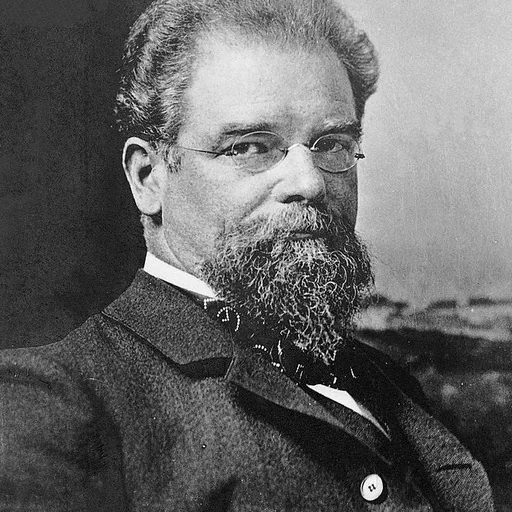
Max Klinger (18 February 1857 – 5 July 1920) was a German artist who produced significant work in painting, sculpture, prints and graphics, as well as writing a treatise articulating his ideas on art and the role of…