Artwork
View from St. Michel Bridge
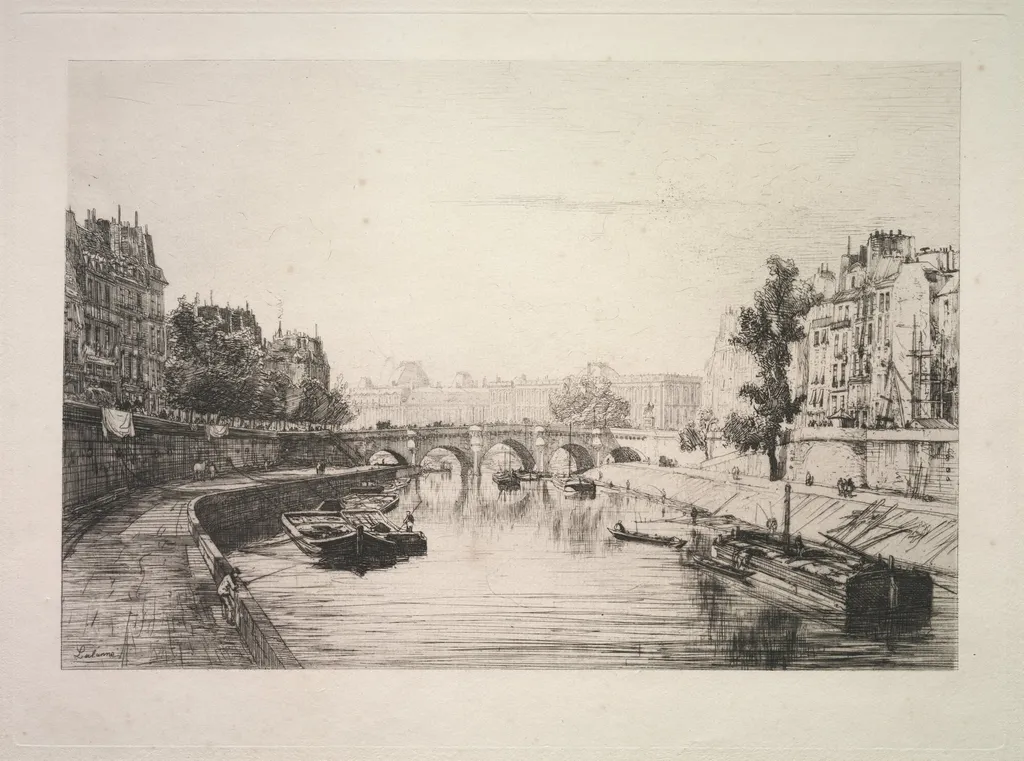
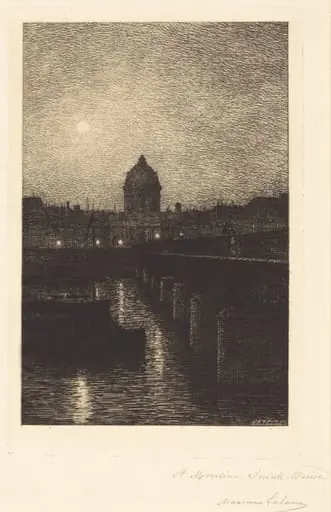
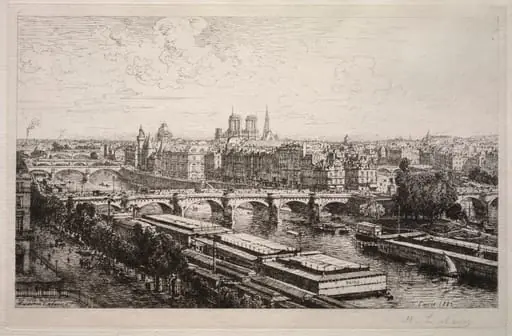
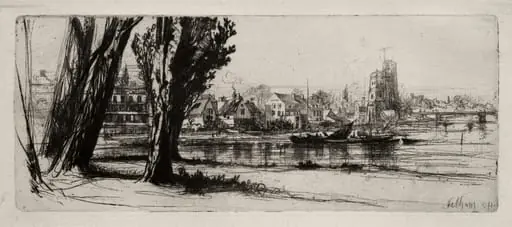
View from St. Michel Bridge is a print by the Impressionist artist Maxime Lalanne. It dates from 1865 and is held in the collection of the Cleveland Museum of Art.
About this work
Overview
The composition avoids dramatic action, instead focusing on the calm interplay of architecture, water, and natural elements in mid-century Paris.
Created in 1865 by French artist Maxime Lalanne, this etching captures a quiet stretch of the Seine as seen from the Pont Saint-Michel. Lalanne, known for his mastery of printmaking, used fine line work and subtle tonal shifts to render the urban riverscape with quiet precision. The composition avoids dramatic action, instead focusing on the calm interplay of architecture, water, and natural elements in mid-century Paris.
Subject & Meaning
The scene presents an unidealized view of Parisian life, emphasizing ordinary urban geography rather than grand monuments. Buildings lining the riverbank, a distant bridge, and small boats suggest daily activity without highlighting it. The absence of figures invites contemplation of space and atmosphere, reflecting a shift toward observing the environment as a quiet, lived-in setting rather than a stage for narrative.
Technique & Style
Lalanne employed etching to achieve nuanced gradations of light and shadow, using delicate cross-hatching and varied line density to suggest texture in stone, foliage, and water. The sketchlike quality of building facades and the soft rendering of tree shadows convey immediacy. Ripples on the river are suggested with minimal, precise strokes, enhancing the sense of stillness and reflective surface without overt detail.
History & Provenance
The print was produced during a period when French artists increasingly turned to intimate urban views as subjects. Lalanne’s work circulated among collectors and print enthusiasts, valued for its technical refinement and restrained aesthetic. While specific early ownership records are limited, the piece aligns with the broader 19th-century interest in etching as a medium for personal, observational art.
Context
In the 1860s, Paris underwent significant transformation under Haussmann’s renovations, yet Lalanne chose to depict a quieter, less altered stretch of the city. His focus on the Seine’s edge contrasts with the monumental projects dominating public discourse. This work reflects a growing trend among artists to document the subtle, everyday rhythms of urban life outside official narratives.
Legacy
Lalanne’s etchings, including this one, contributed to the revival of etching as a serious artistic medium in France. His emphasis on tonal subtlety and atmospheric effect influenced later printmakers who sought to capture mood over spectacle. Though not widely known today, his work remains a quiet example of how 19th-century artists redefined realism through restraint and technical discipline.
Artist & collection
Artist
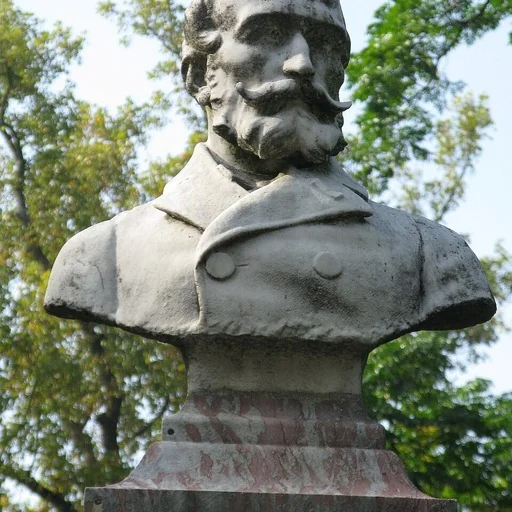
François Antoine Maxime Lalanne (November 27, 1827 – July 29, 1886) was a French artist known for his etchings and charcoal drawings (fusain).

![[Large Steamer Ship at Dock, Paris], by Auguste Lepère](https://artifactworldgallery.com/img/auguste-lepere--large-steamer-ship-at-dock-paris--ed31099e42153820-w320.webp)