Artwork
View of the Straits with the Second Fortress of the Dardanelles
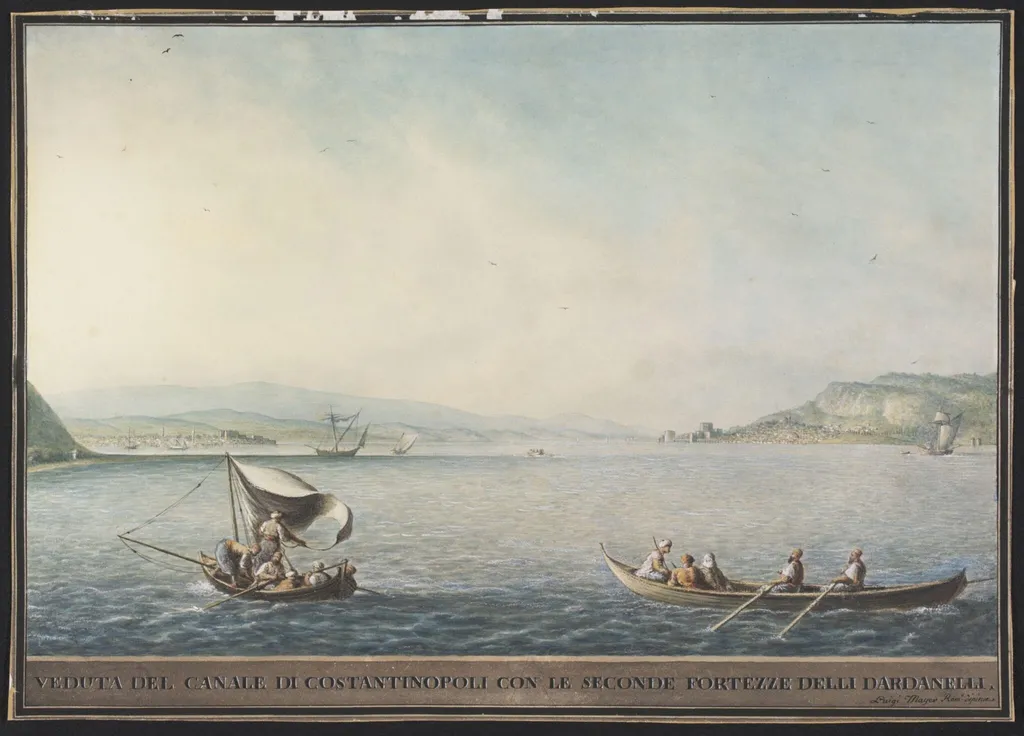
View of the Straits with the Second Fortress of the Dardanelles is a watercolor work on paper by the Rococo painting artist Luigi Mayer. It dates from 1785 and is held in the collection of the Victoria and Albert Museum.
About this work
Overview
This watercolour by Luigi Mayer captures a quiet stretch of the Dardanelles, focusing on the Second Fortress as a distant landmark. Executed in delicate washes, the scene emphasizes atmospheric depth rather than architectural detail. The composition balances land, water, and sky with restrained tonal shifts, reflecting the artist’s interest in topographical accuracy and subtle light effects.
Subject & Meaning
The painting presents a tranquil maritime vista, with two small boats near the shore—one under sail, the other rowed—suggesting local activity. Beyond, a hillside settlement and anchored vessels imply a functioning port. The fortress, though not rendered in detail, anchors the scene geographically, signaling the strategic importance of the strait without dominating the composition.
Technique & Style
Mayer employed transparent watercolour washes to evoke the hazy quality of the Aegean light. Soft edges and minimal detail in the distant landscape create a sense of distance, while the boats and shoreline are defined with precise, light brushwork. The palette is muted, relying on pale blues, greys, and earth tones to convey calm and spatial recession.
History & Provenance
The work is linked to a published version titled *View of the Straits from the Second Fortress of the Dardanelles*, released by Eyre & Hobhouse in 1983. It entered a private collection in June 1965, acquired from F.T. Sabin for £40. Its inclusion in later publications suggests it was part of a broader series documenting Ottoman landscapes during the late 18th century.
Context
Mayer traveled through the Ottoman Empire in the 1780s and 1790s, producing topographical views for European patrons. This watercolour aligns with his practice of recording strategic locations along key waterways. The Dardanelles, a vital passage between the Aegean and the Sea of Marmara, was of enduring interest to travelers and military observers of the period.
Legacy
Mayer’s watercolours remain valuable as documentary records of Ottoman coastal sites before modernization. Though not widely exhibited, his works have been referenced in scholarly studies of 18th-century travel art. This piece contributes to a corpus that bridges European artistic conventions with regional topography, preserving a moment in the landscape’s history.
Artist & collection

Artist
Luigi Mayer (1755–1803) was an Italian-German artist and one of the earliest and most important late 18th-century European painters of the Ottoman Empire.

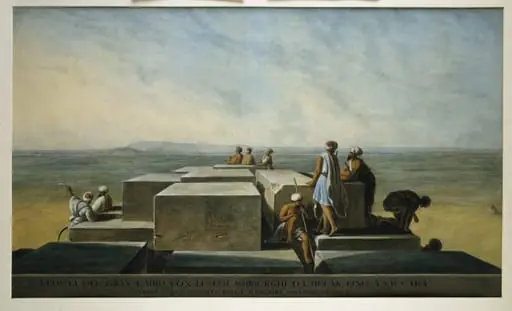 View of Grand Cairo from the Summit of the Great Pyramid of Giza
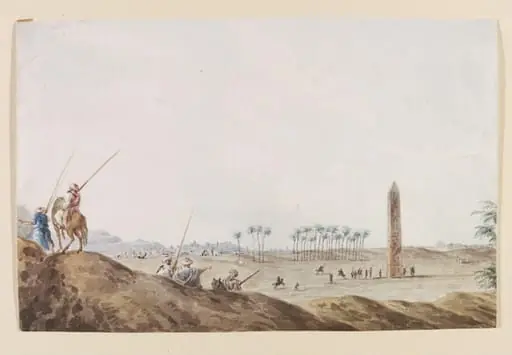 An Ancient Obelisk At Matarea, Formerly Heliopolis
 Portrait of Clara Mayer
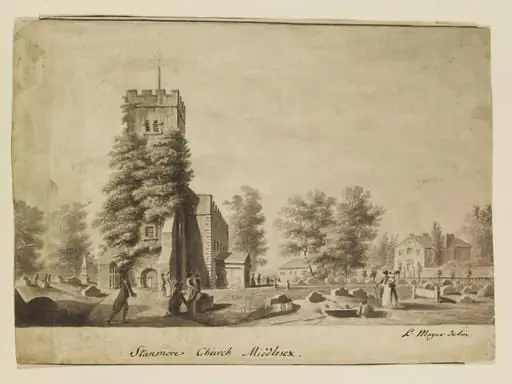 Stanmore Church Middlesex
![Dance of Peasants [possibly in Belgrade near Constantinople], by Luigi Mayer](https://artifactworldgallery.com/img/luigi-mayer--dance-of-peasants-possibly-in-belgrade-near-constantinople--e0530a0b87d5c4c1-w320.webp) Dance of Peasants [possibly in Belgrade near Constantinople]
Dance of Peasants [possibly in Belgrade near Constantinople]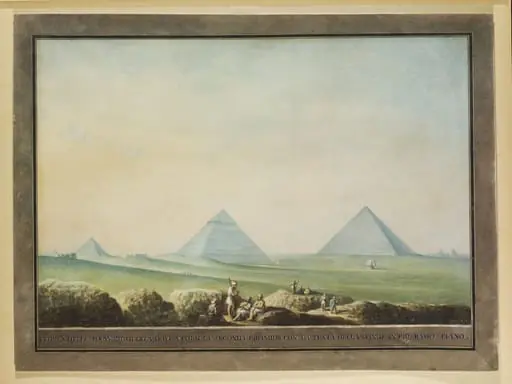 The Pyramids of Giza
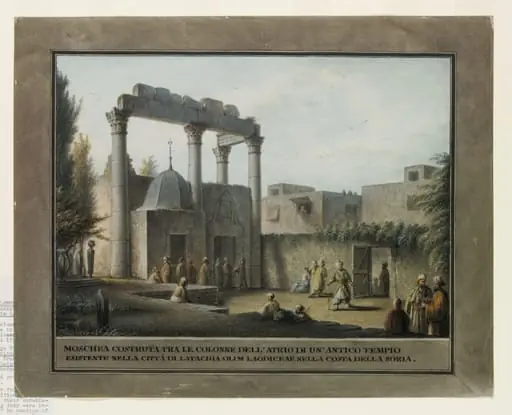 Mosque built between the columns of an ancient temple in Latakia on the coast of Syria, about 1800
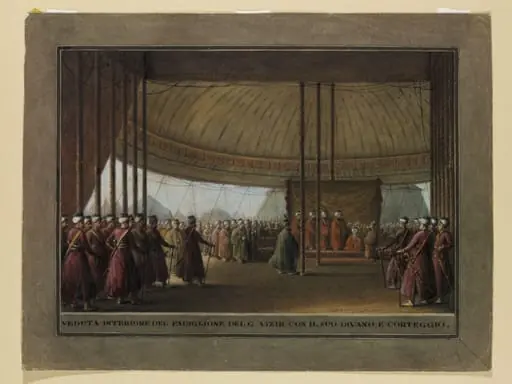 Interior of the Pavilion of the Grand Vizir with his Divan and Retinue
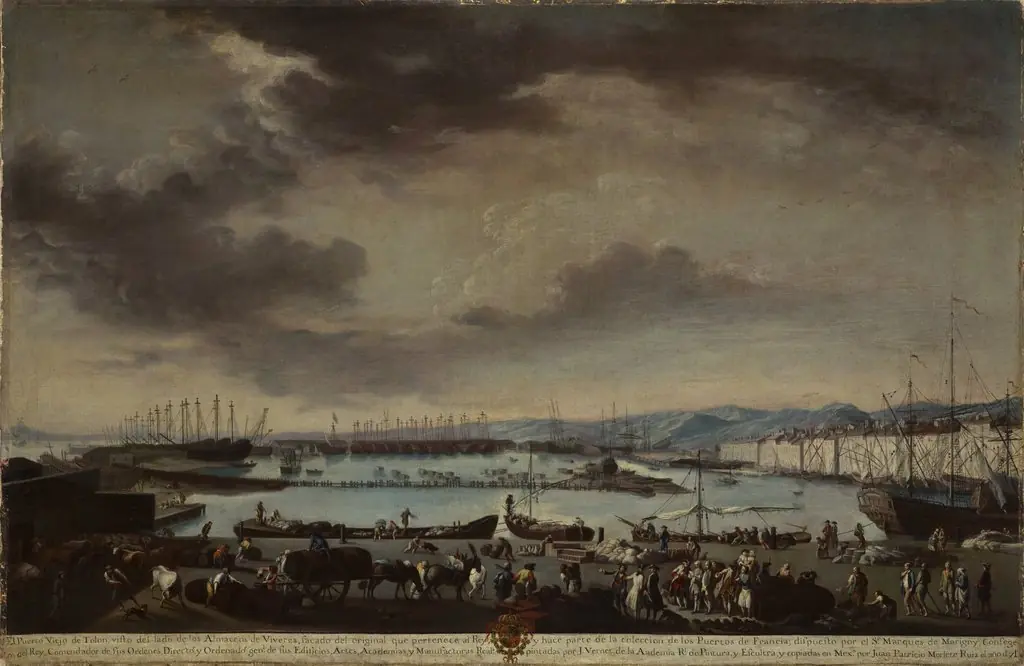 View of the Old Port of Toulon (El puerto viejo de Tolón)
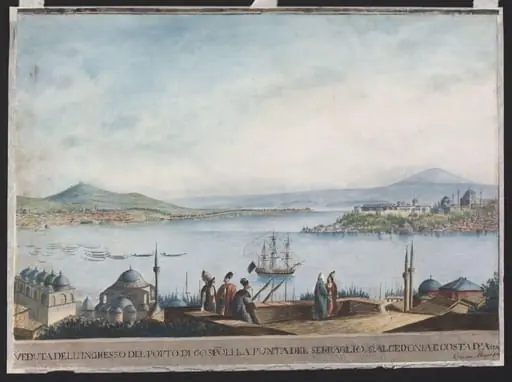 Entrance to the Port of Constantinople
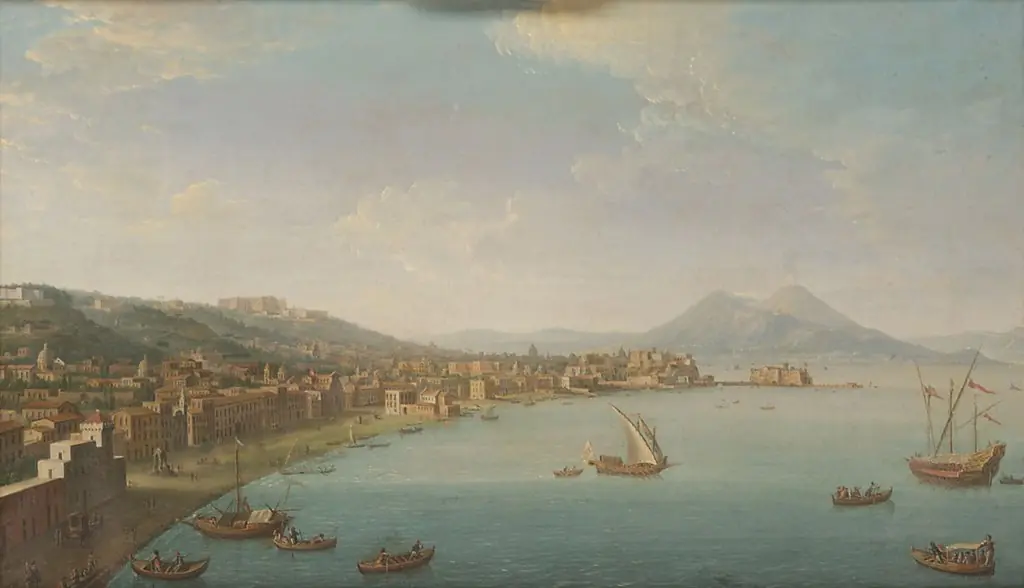 Ansicht von Neapel von Nordwesten
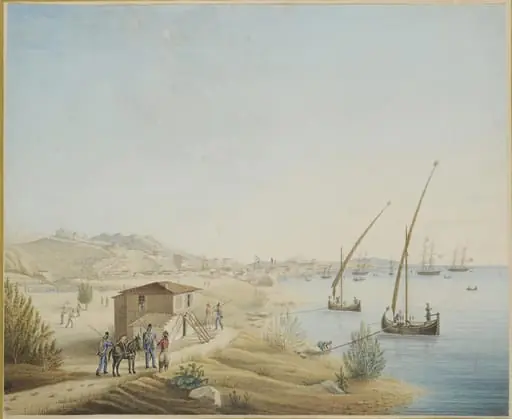 Το λιμάνι της Πάτρας
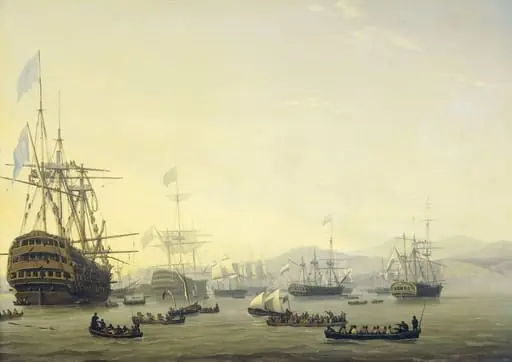 Council of War on board the 'Queen Charlotte', commanded by Lord Exmouth, prior to the Bombardment of Algiers, 26 August 1816
 View of Smyrna (Izmir)
 H.M.S. Victory off N. Africa
 Entrance to a Harbour
 Üsküdar and Saray Burnu from Galata, with the Sea of Marmara in the distance