Artwork
View of Grand Cairo from the Summit of the Great Pyramid of Giza
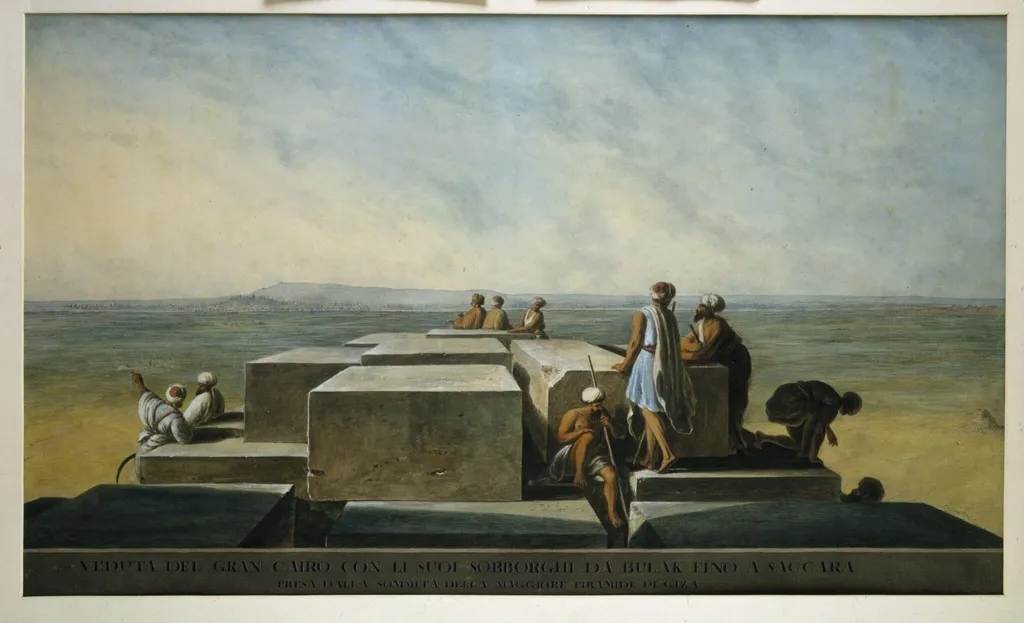
View of Grand Cairo from the Summit of the Great Pyramid of Giza is a watercolor work on paper by the Orientalist artist Luigi Mayer. It dates from 1800 and is held in the collection of the Victoria and Albert Museum. The watercolor presents a panoramic view of Cairo as seen from the apex of the Great Pyramid of Giza.
About this work
He climbed the pyramid to sketch it himself, part of a job documenting places for a British ambassador.
You’re standing on the Great Pyramid, looking down at Cairo. The city sprawls in soft watercolor—minarets, domes, and dusty streets under a hazy sky.
Mayer painted this around 1800, when most Europeans only knew Egypt from books. He climbed the pyramid to sketch it himself, part of a job documenting places for a British ambassador. The view feels real, not romanticized.
If you like this, check out more works in the Victoria and Albert Museum.
Overview
The watercolor presents a panoramic view of Cairo as seen from the apex of the Great Pyramid of Giza. The composition captures the city's dense arrangement of minarets, domes and winding streets beneath a muted sky, rendered in the delicate washes characteristic of early nineteenth‑century British watercolour.
Subject & Meaning
By placing the observer on the pyramid’s summit, the image juxtaposes ancient monumental architecture with the contemporary urban landscape of Egypt’s capital. The work records the visual relationship between the timeless stone of the pharaonic monument and the bustling, modern city that grew around it, offering a documentary perspective rather than an idealised vision.
Technique & Style
Executed in transparent watercolor, the piece employs swift, fluid brushstrokes to convey atmospheric depth and the hazy light of the Egyptian horizon. Mayer’s handling of line and colour reflects his training in Rome, while the rapid execution aligns with the demands of his role as a travelling sketch‑artist for a diplomatic patron.
History & Provenance
Luigi Mayer, whose precise nationality remains uncertain, began working for the British ambassador to Istanbul, Sir Robert Ainslie, around 1786. Employed at a salary of fifty guineas per year, he was tasked with producing immediate sketches of sites that interested his patron. After accompanying Ainslie to England in 1794, Mayer’s watercolours were later reproduced as aquatints in a series of volumes published between 1801 and 1810 under Ainslie’s sponsorship.
Context
The drawing belongs to a broader corpus of Mayer’s depictions of the eastern Mediterranean, created during a period when European audiences had limited direct experience of Egypt. His works, commissioned by a British diplomatic figure, reflect both the ambassador’s fascination with local customs and the prevailing Orientalist interest in documenting antiquities, architecture and everyday life across the region.
Artist & collection

Artist
Luigi Mayer (1755–1803) was an Italian-German artist and one of the earliest and most important late 18th-century European painters of the Ottoman Empire.

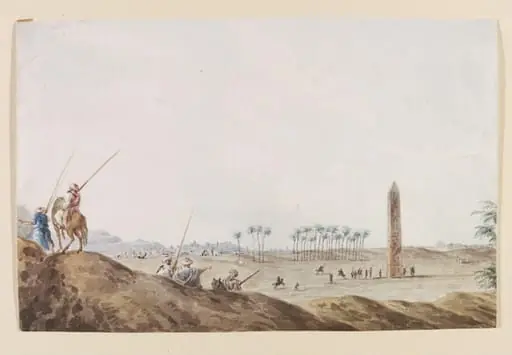 An Ancient Obelisk At Matarea, Formerly Heliopolis
 Portrait of Clara Mayer
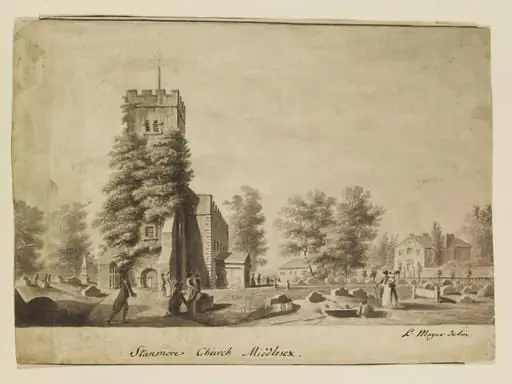 Stanmore Church Middlesex
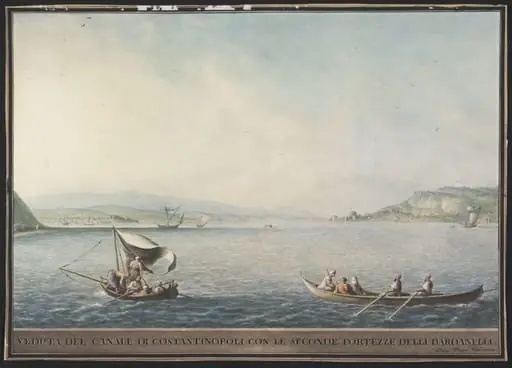 View of the Straits with the Second Fortress of the Dardanelles
![Dance of Peasants [possibly in Belgrade near Constantinople], by Luigi Mayer](https://artifactworldgallery.com/img/luigi-mayer--dance-of-peasants-possibly-in-belgrade-near-constantinople--e0530a0b87d5c4c1-w320.webp) Dance of Peasants [possibly in Belgrade near Constantinople]
Dance of Peasants [possibly in Belgrade near Constantinople]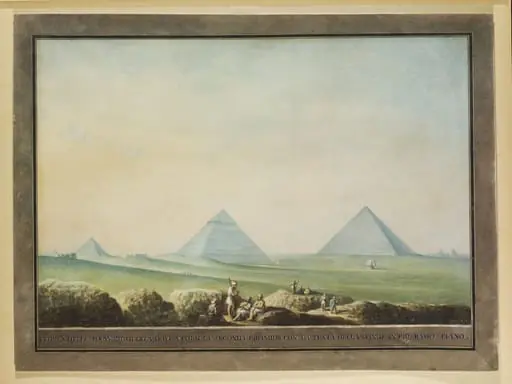 The Pyramids of Giza
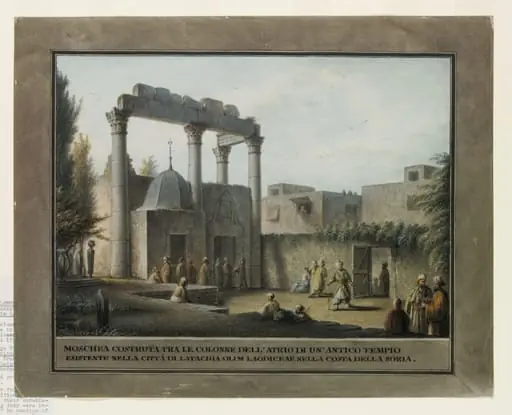 Mosque built between the columns of an ancient temple in Latakia on the coast of Syria, about 1800
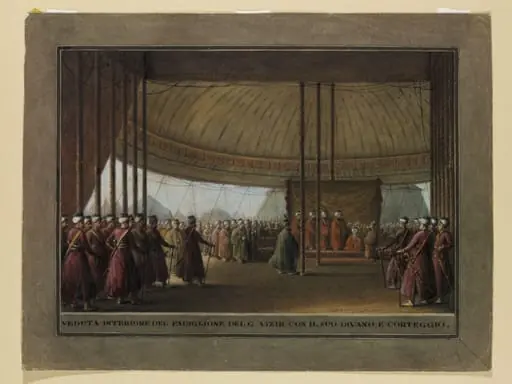 Interior of the Pavilion of the Grand Vizir with his Divan and Retinue
![View of an Egyptian Temple. [Dendara]. 1807, by Dominique Vivant Denon](https://artifactworldgallery.com/img/dominique-vivant-denon--view-of-an-egyptian-temple-dendara-1807--69b7b6b17d97f4dc-w320.webp) View of an Egyptian Temple. [Dendara]. 1807
View of an Egyptian Temple. [Dendara]. 1807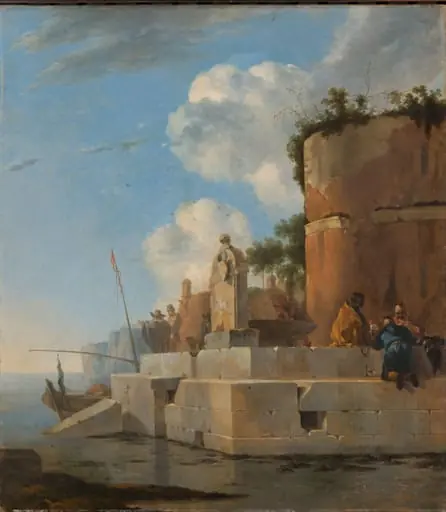 A Coastal Ruin in Italy
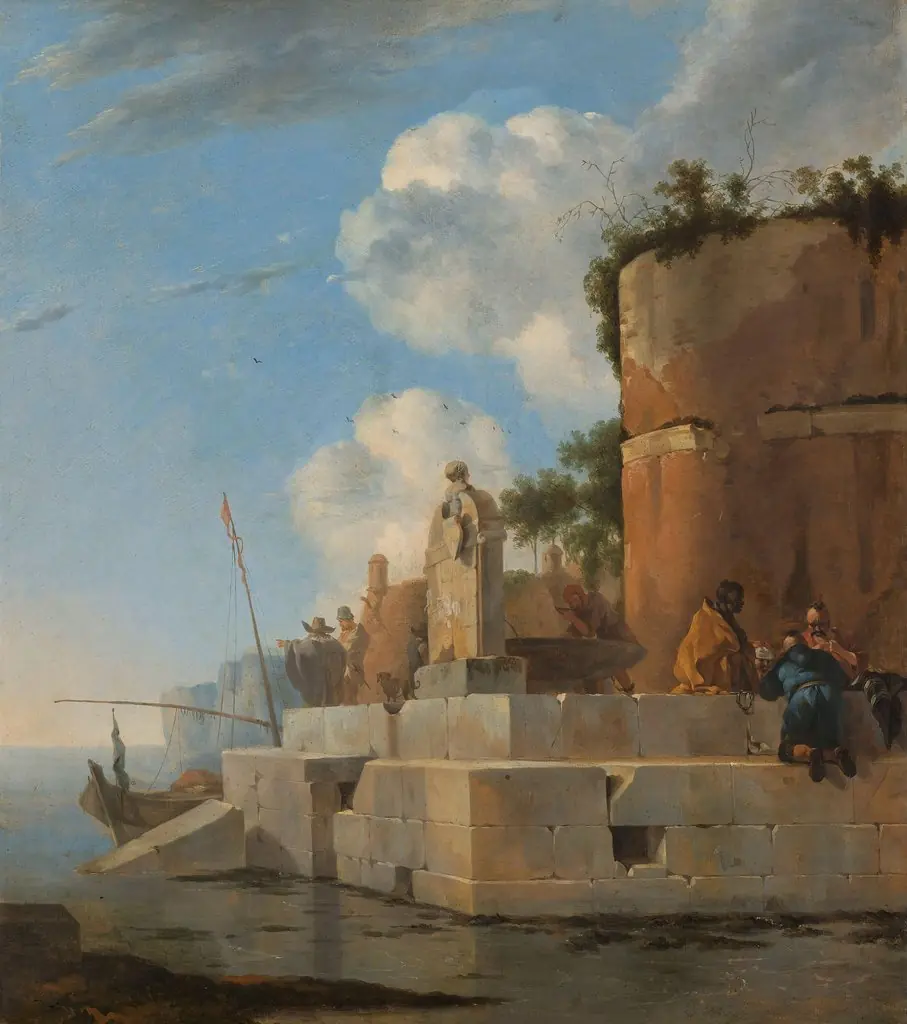 A Coastal Ruin in Italy
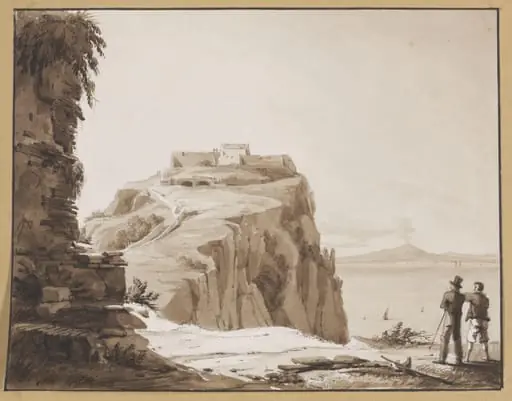 Palais de Tibere a Capri
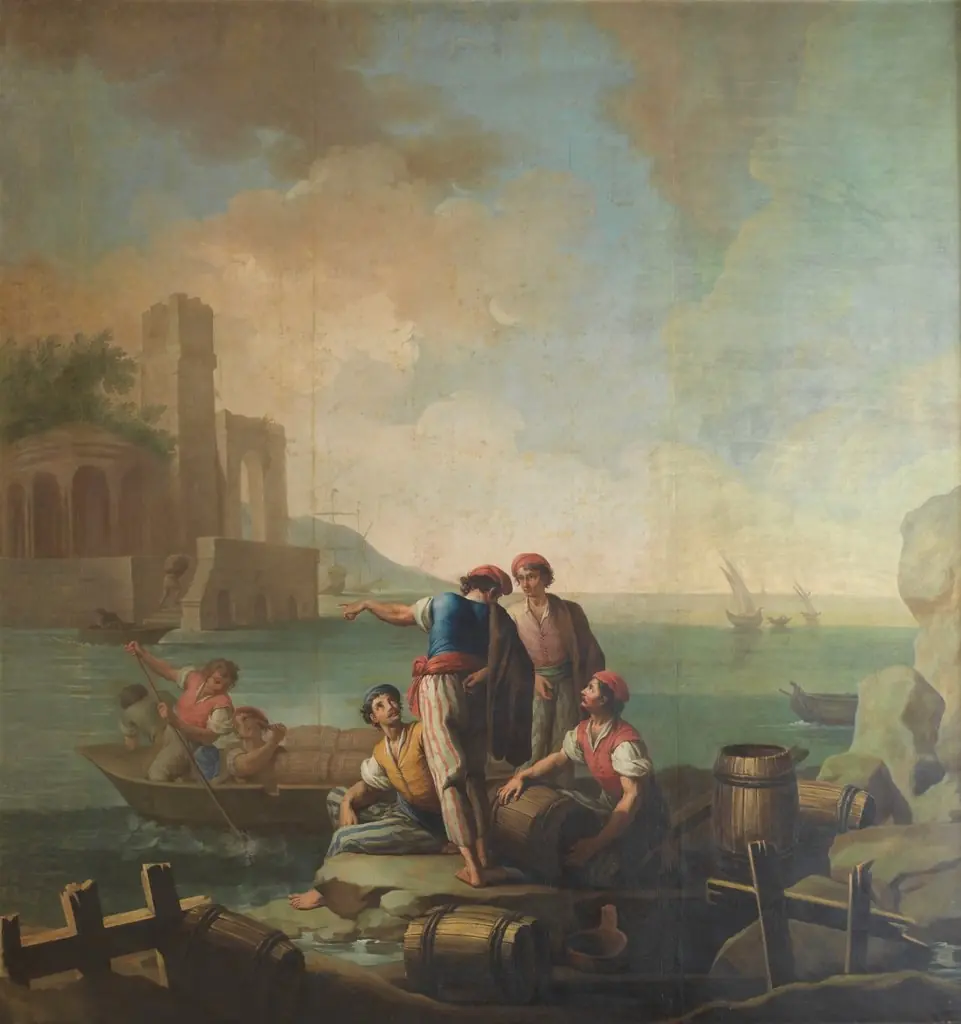 Pescadores junto a un puerto
![N.West View of the Tower of the Winds [Athens],, by Unknown](https://artifactworldgallery.com/img/unknown--n-west-view-of-the-tower-of-the-winds-athens--73307e85a9220672-w320.webp) N.West View of the Tower of the Winds [Athens],
N.West View of the Tower of the Winds [Athens],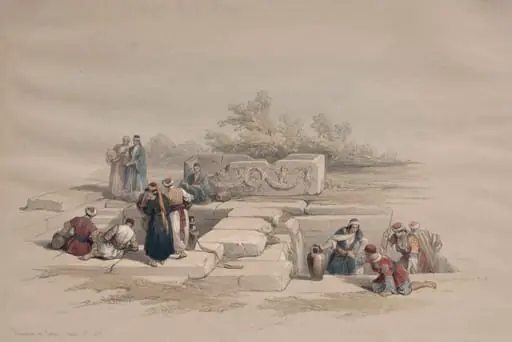 Fountain at Cana
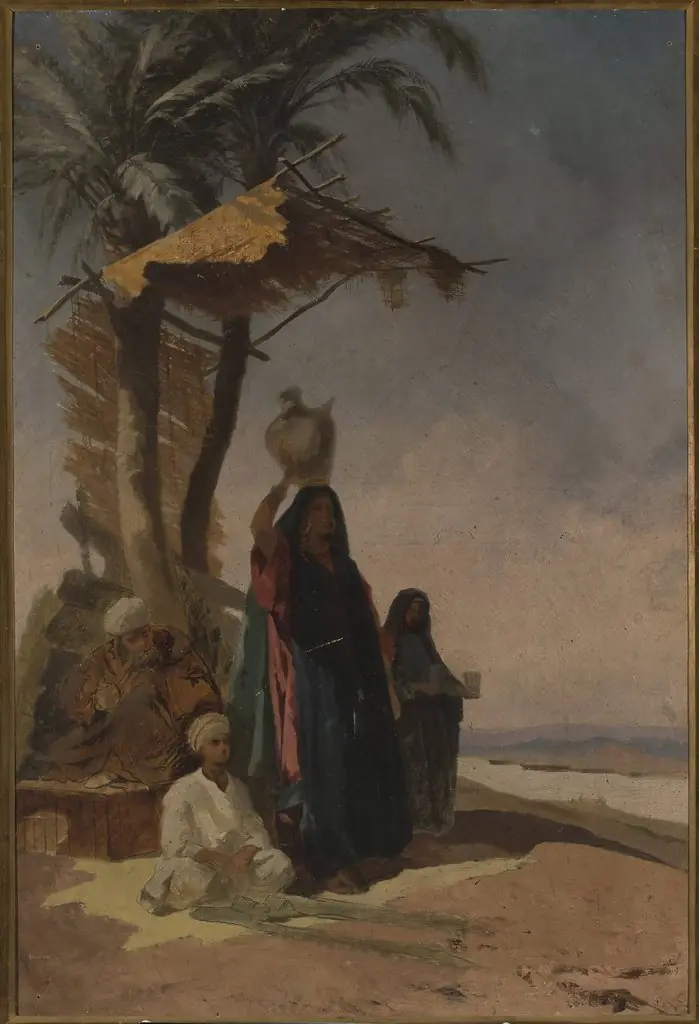 Eastern genre scene under a palm tree
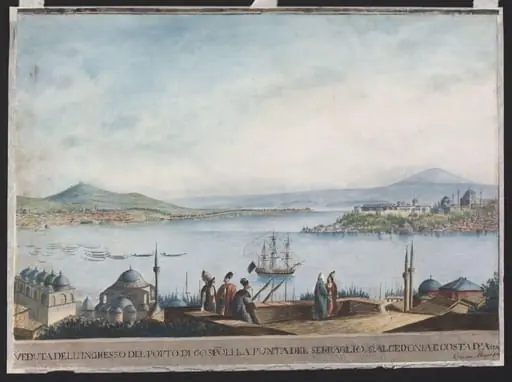 Entrance to the Port of Constantinople
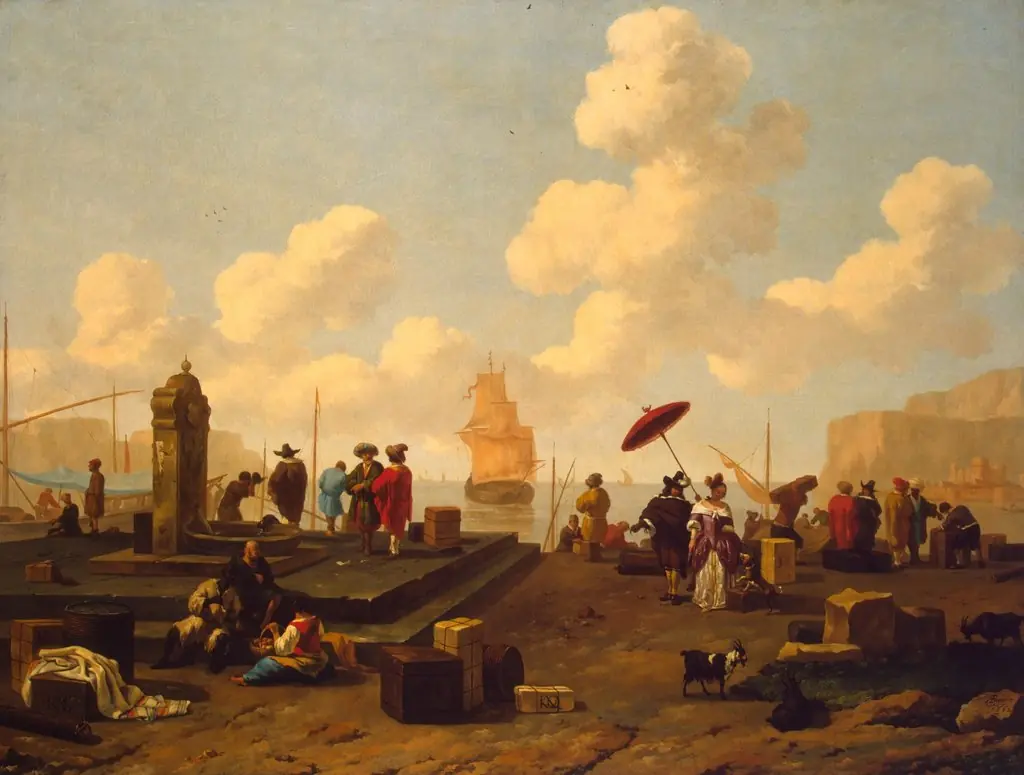 A Strand of the Sea
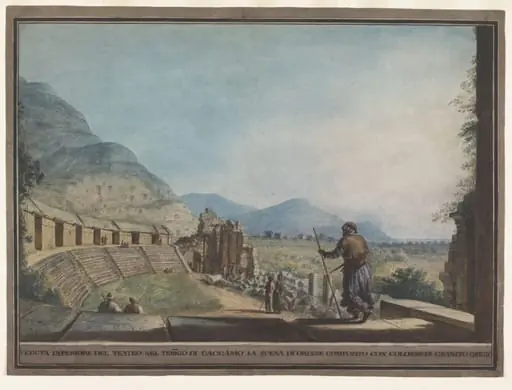 Interior of the Theatre in the Region of Cacamo