Artwork
Elias und der Feuerwagen
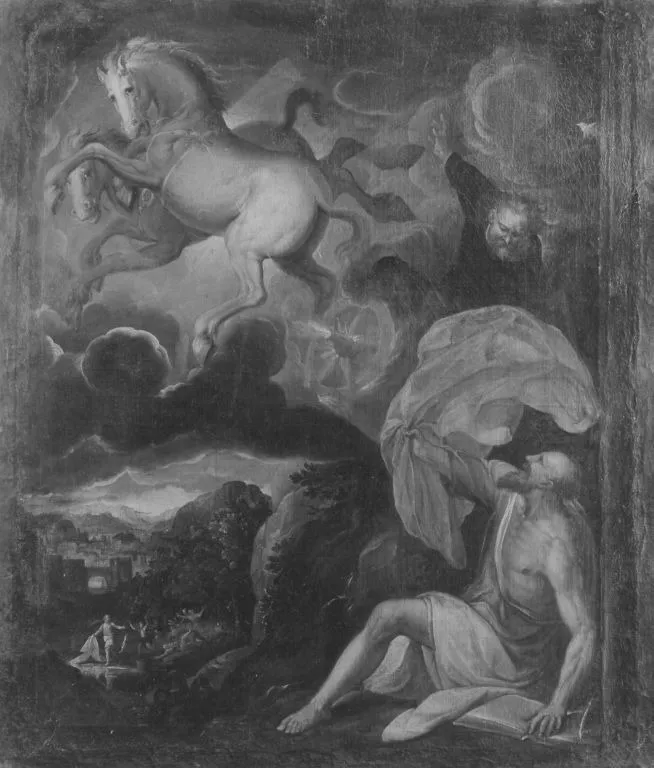
Elias und der Feuerwagen is an unspecified painting by the Mannerist artist Melchior Bocksberger. It dates from 1562 and is held in the collection of the Bavarian State Painting Collections.
About this work
Overview
Its composition centers on a solitary figure gazing upward, framed by a dramatic sky and distant landscape, conveying a moment of divine intervention.
Painted in 1562 by Melchior Bocksberger, this work illustrates a biblical scene from the Second Book of Kings, where the prophet Elijah is taken to heaven in a chariot of fire. Executed in oil on panel, the painting is part of the Alte Pinakothek’s collection in Munich. Its composition centers on a solitary figure gazing upward, framed by a dramatic sky and distant landscape, conveying a moment of divine intervention.
Subject & Meaning
The painting captures the moment Elijah, seated on the earth in contemplation, witnesses his ascension in a fiery chariot drawn by horses. The celestial vehicle, emerging from swirling clouds, symbolizes divine transport, while the earthly figure embodies human awe before the sacred. The scene reflects Protestant interpretations of Elijah’s departure, emphasizing spiritual transcendence over earthly existence.
Technique & Style
Bocksberger employs chiaroscuro to heighten the contrast between the dark, grounded figure and the luminous, celestial form above. Soft transitions in the clouds and precise rendering of fabric folds lend volume and realism. The landscape—mountains and water—recedes into a hazy distance, enhancing spatial depth. The palette remains restrained, focusing attention on the interplay of light and shadow to guide the viewer’s gaze.
History & Provenance
Commissioned during the mid-16th century, the painting entered the Bavarian royal collection before being transferred to the Alte Pinakothek. Its survival through centuries of political and religious upheaval suggests it was valued for its devotional resonance. No significant alterations or restorations are documented, preserving its original tonal balance and compositional integrity.
Context
Created in the wake of the Reformation, the painting aligns with Protestant interest in Old Testament narratives that emphasized divine authority and personal faith. Bocksberger, active in southern Germany, worked within a tradition that blended Northern Renaissance detail with Italianate spatial composition. The subject’s popularity in religious art of the period reflects broader theological preoccupations with prophecy and ascension.
Legacy
Though not widely reproduced, the painting remains a notable example of 16th-century German religious painting that bridges regional craftsmanship with broader European visual language. Its quiet intensity and restrained drama distinguish it from more theatrical contemporaries, offering a contemplative take on a dramatic biblical moment that continues to inform scholarly study of Protestant visual culture.
Artist & collection

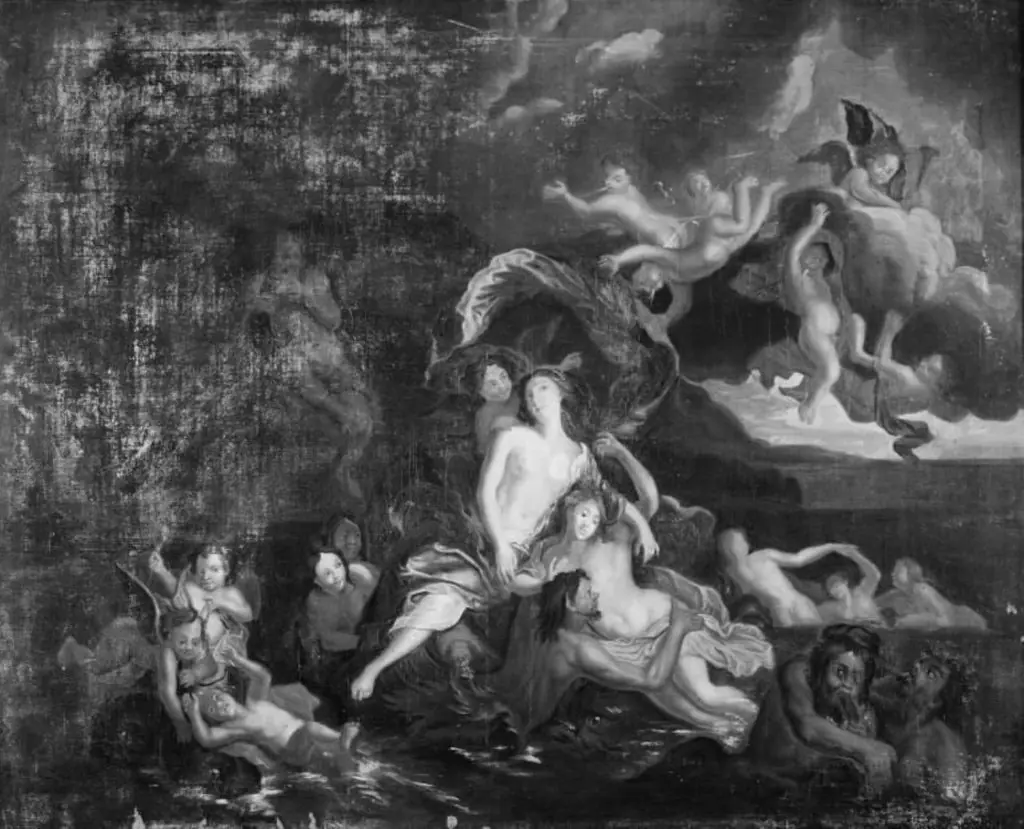 Galathea føres over havet, ledsaget af nymfer, tritoner og amoriner
 Galathea føres over havet, ledsaget af nymfer, tritoner og amoriner
 Christus als Überwinder
 Hercules and Envy
 Hercules and Envy
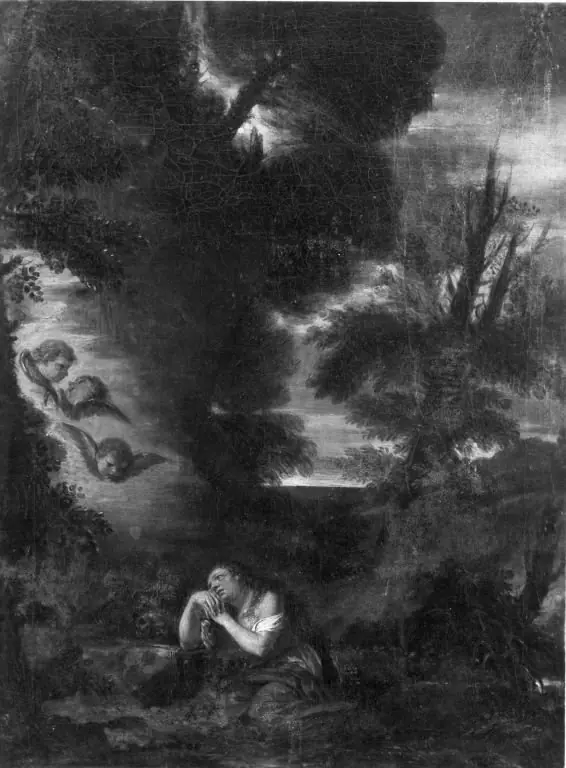 Hl. Magdalena
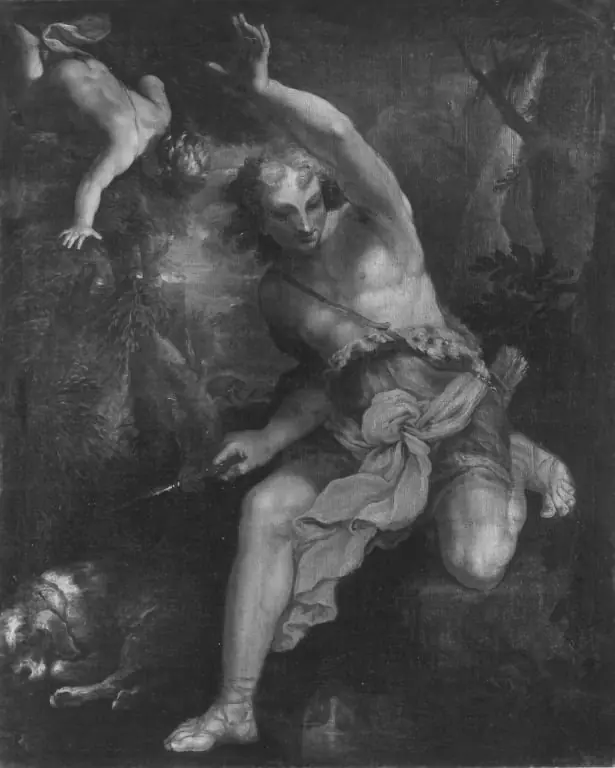 Narcissus
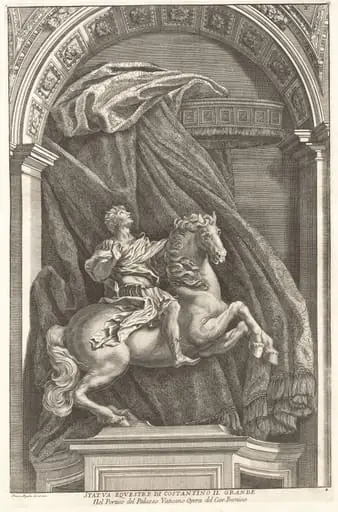 Statue of Constantine
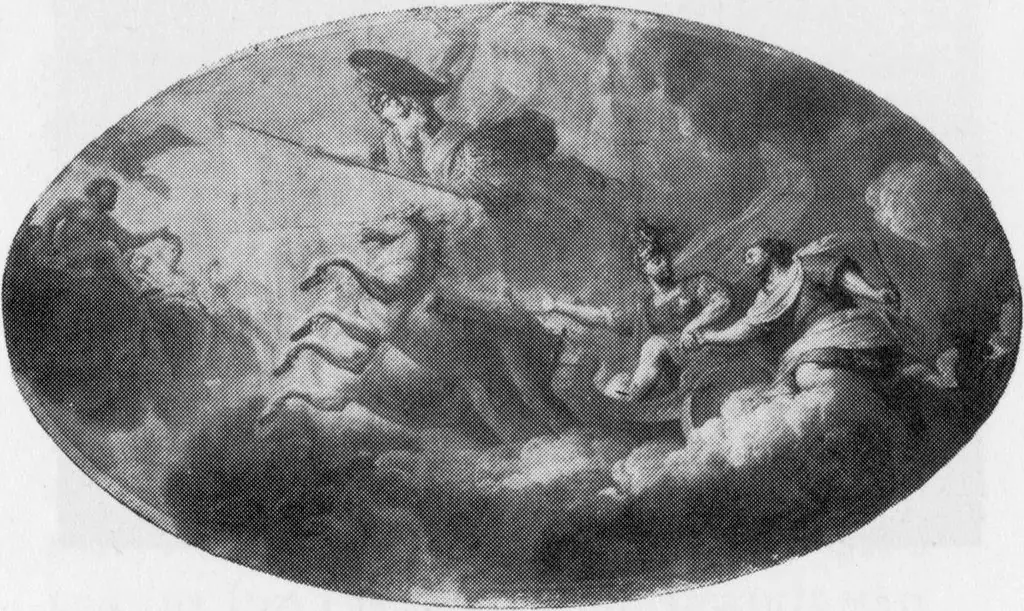 Plafondstuk met de apotheose van een vorst, die door Mars en Minerva tot Jupiter wordt gevoerd
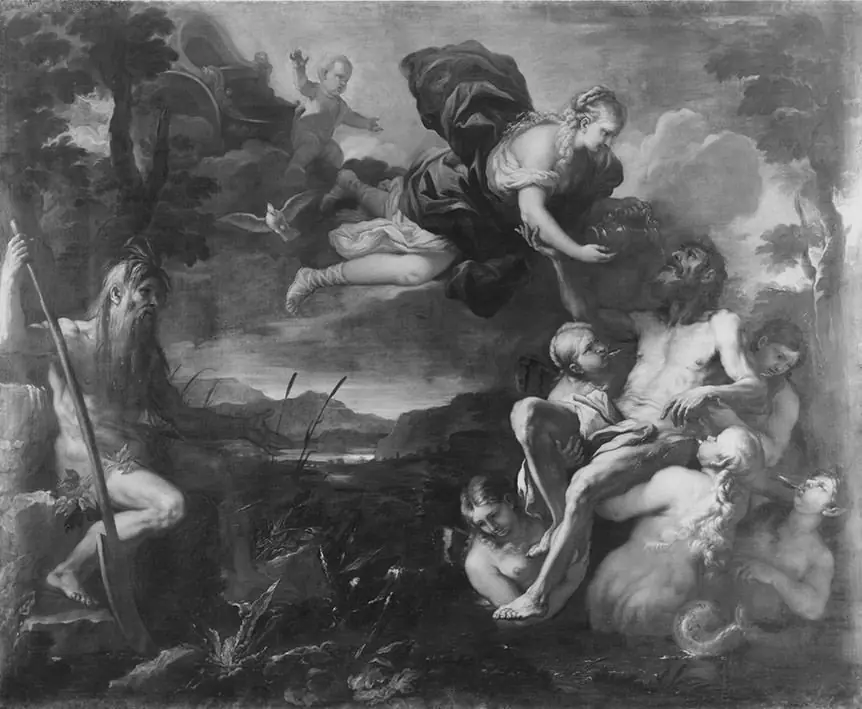 Aeneas am Numicius
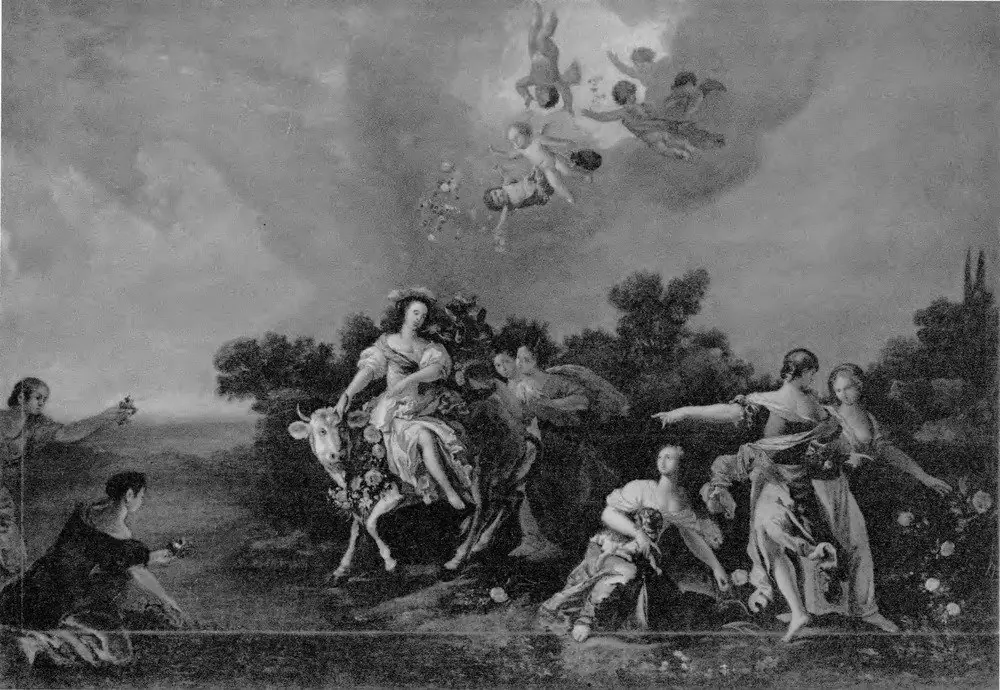 The Rape of Europa
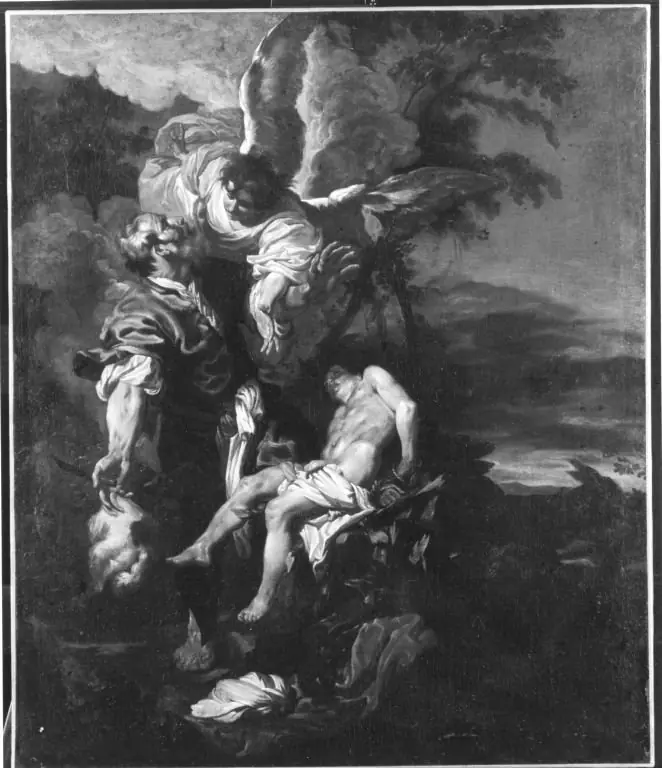 Abrahamsopfer