Artwork
St George
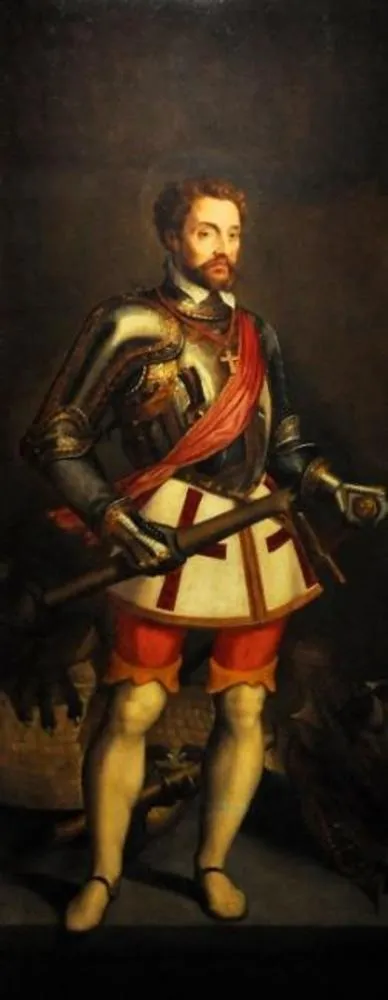
St George is an oil painting by the Mannerist artist Michiel Coxie. It dates from 1571 and is held in the collection of the Royal Museum of Fine Arts Antwerp.
About this work
Overview
This piece reflects his mature style, blending Northern European precision with Italianate compositional principles learned during his time in Rome.
Michiel Coxie the Elder completed the oil painting of St George in 1571. A Flemish artist renowned for his adaptability across media, Coxie produced altarpieces, portraits, and decorative works for Habsburg patrons. This piece reflects his mature style, blending Northern European precision with Italianate compositional principles learned during his time in Rome. The painting resides today in the Royal Museum of Fine Arts Antwerp.
Subject & Meaning
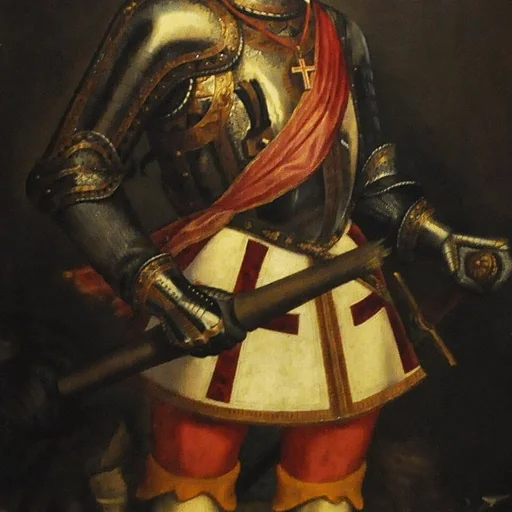
The figure represents St George, the Christian martyr and soldier-saint traditionally depicted slaying a dragon. Here, he is shown in a moment of stillness, armored and armed, embodying chivalric virtue rather than action. The red sash and white skirt with a red cross allude to his association with knighthood and the Crusades. The absence of the dragon shifts focus to his moral authority and divine favor.
Technique & Style
Coxie employed oil paint with meticulous detail, rendering armor textures and fabric folds with clinical precision. The figure emerges from a dark, indistinct background, enhancing his sculptural presence. His pose is contrapposto, suggesting classical influence, while the restrained palette—dominated by muted tones with accents of red and white—echoes Mannerist tendencies toward emotional restraint and formal elegance.
History & Provenance
Commissioned during Coxie’s tenure as court painter to Emperor Charles V and later Philip II of Spain, the work reflects the Habsburg court’s interest in religious iconography that reinforced political legitimacy. It remained in the Low Countries, eventually entering the collection of the Royal Museum of Fine Arts Antwerp, where it has been preserved since the 19th century.
Context
In the late 16th century, religious imagery in the Spanish Netherlands was shaped by Counter-Reformation ideals, emphasizing saints as models of piety and valor. Coxie’s synthesis of Italian Renaissance harmony with Northern realism positioned him as a bridge between traditions. His reputation as a 'Flemish Raphael' underscores his role in elevating regional art through classical reference.
Legacy
Though less widely known today, Coxie’s influence endured in the Flemish tradition of detailed religious portraiture. His approach to combining historical narrative with psychological presence informed later generations of artists in Antwerp. *St George* remains a testament to the intellectual and aesthetic ambitions of 16th-century Netherlandish painting under imperial patronage.
Artist & collection
Artist
Michiel Coxie the Elder, Michiel Coxcie the Elder or Michiel van Coxcie, Latinised name Coxius (1499 – 3 March 1592), was a Flemish painter of altarpieces and portraits, a draughtsman and a designer of stained-glass windows, tapestries and…

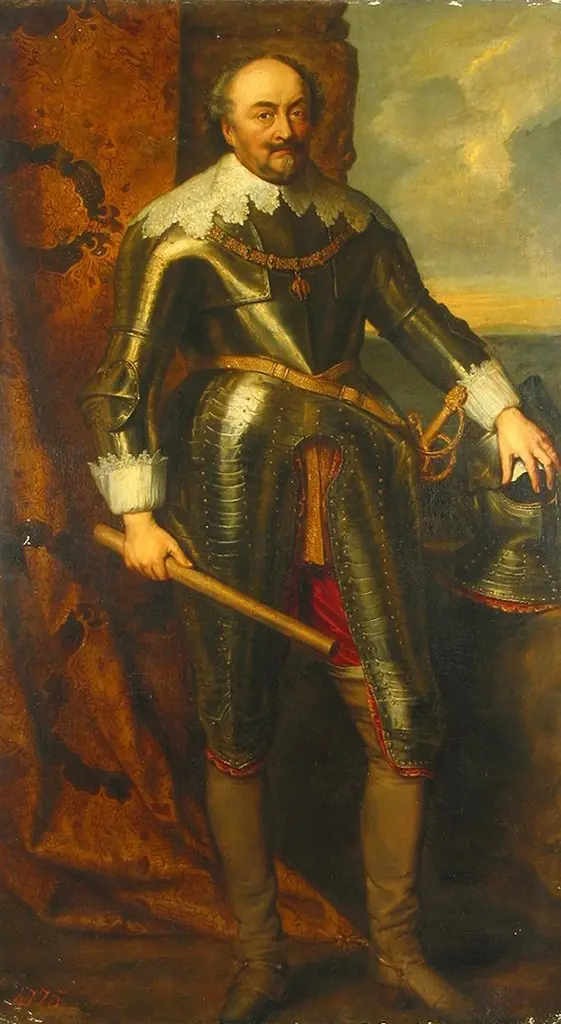 Portrait of Johan, Count of Nassau-Siegen (1583-1638)
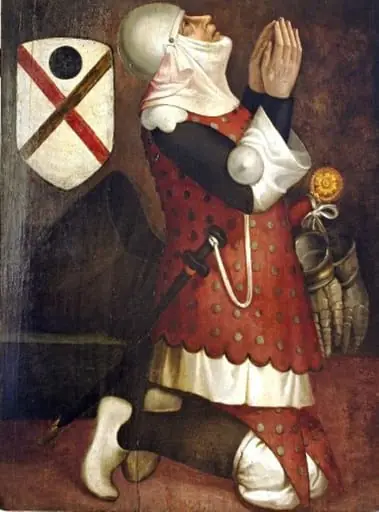 Cavaler cruciat
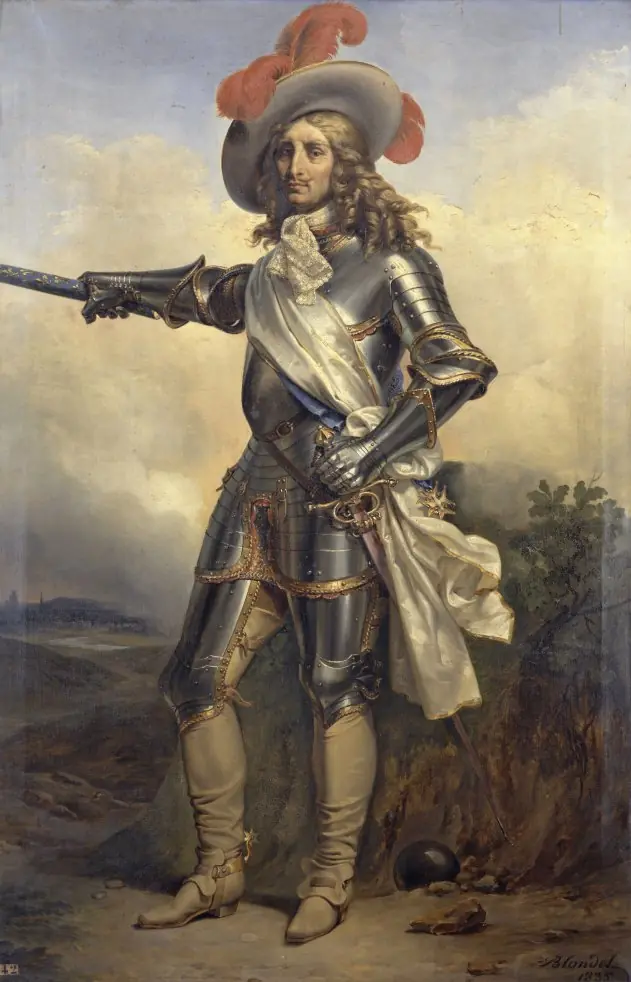 Portrait of Guy Aldonce de Durfort de Lorges (1630-1702)
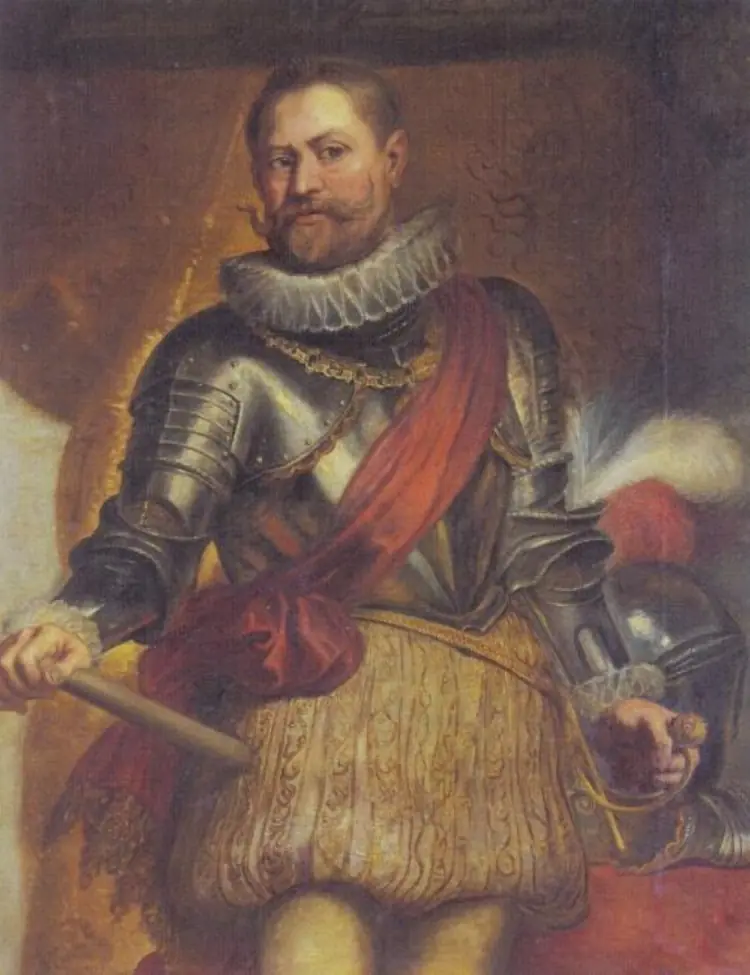 Portrait of Ernest, Archduke of Austria (1553-1595)
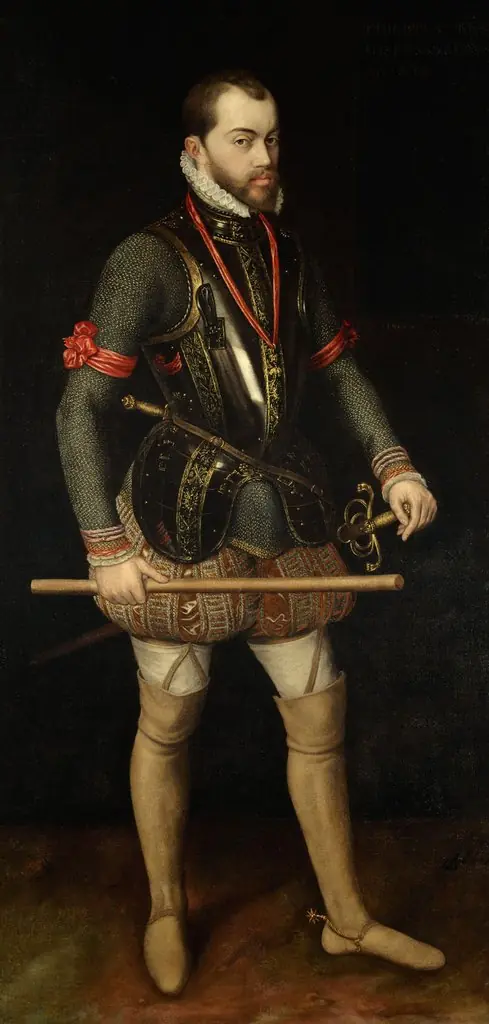 Portrait of Philip II of Habsburg (1527-1598)
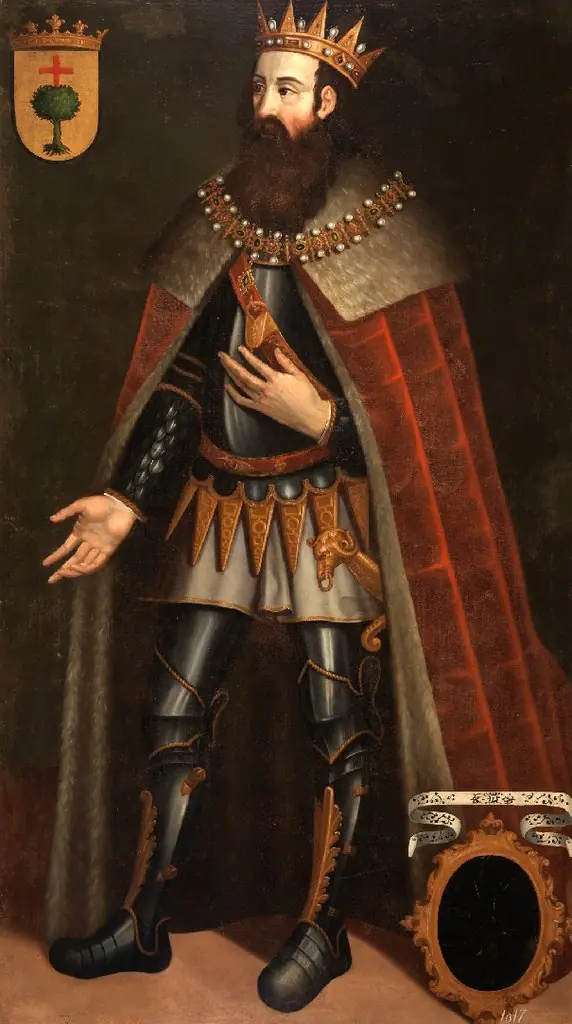 Fortunio Garcés I III rey de Sobrarbe
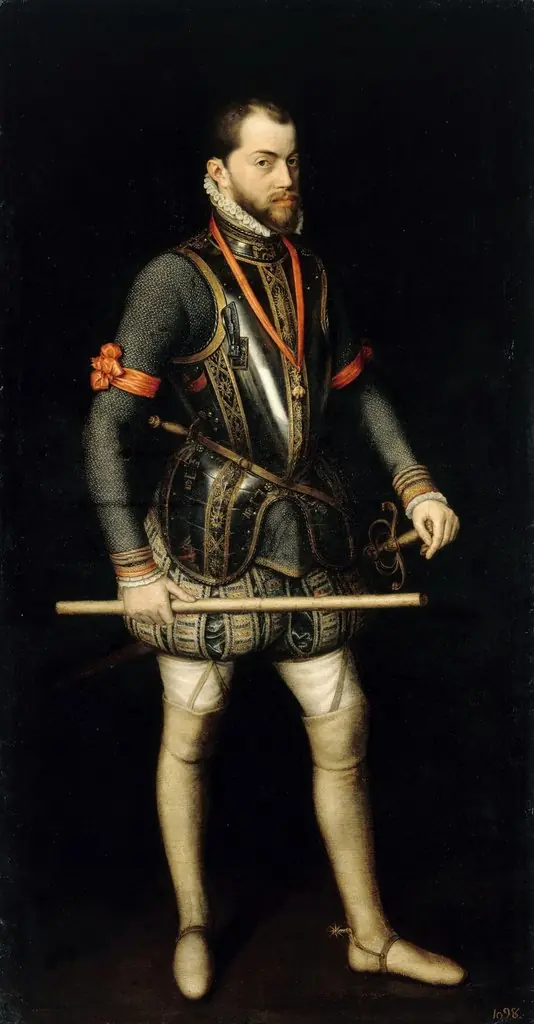 Portrait of Philip II of Spain (1527-1598)
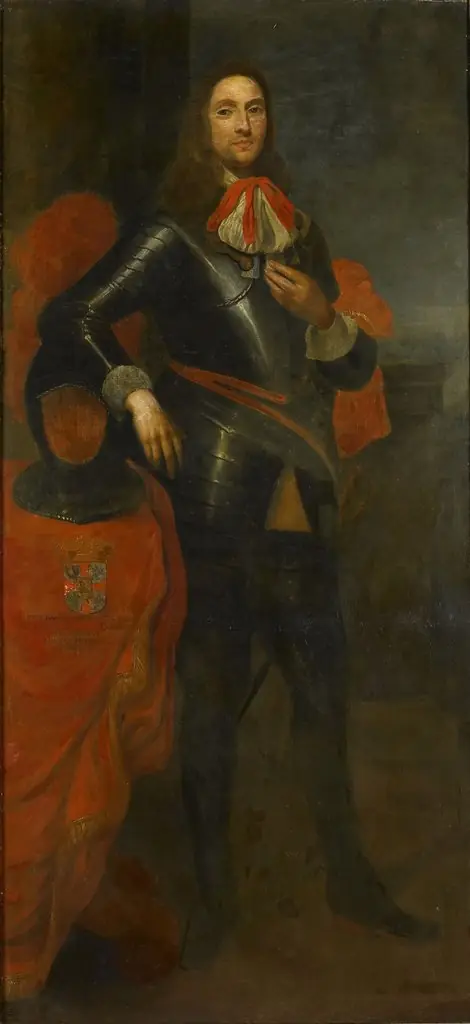 Portrait of Ferdinand Carolus Gonzaga Duke of Mantua (1652-1708)
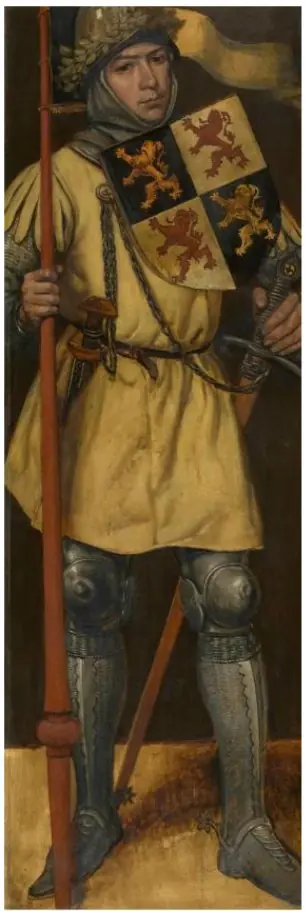 John I, Duke of Brabant, 1290
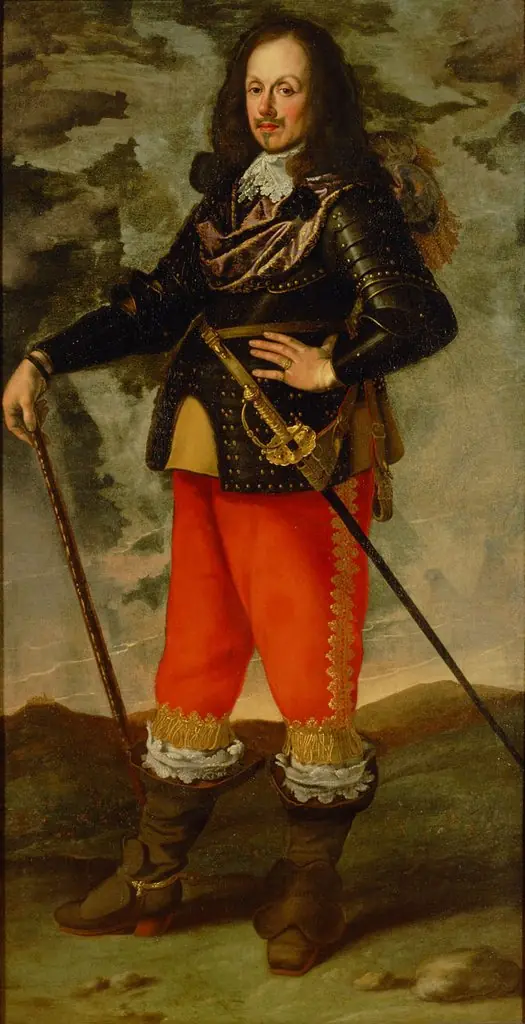 Mattias de' Medici (1613-1667)
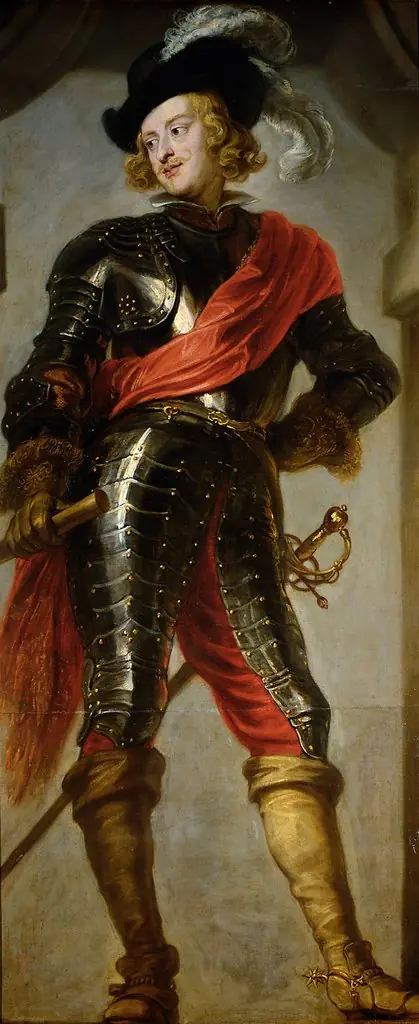 Cardinal-Infante Ferdinand of Austria
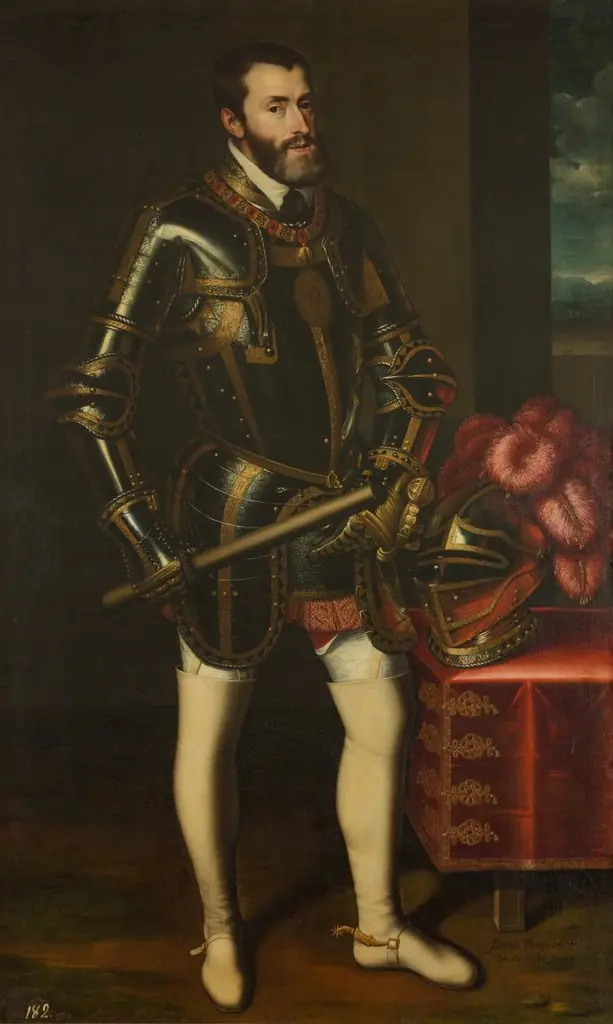 The Emperor Charles V