Artwork
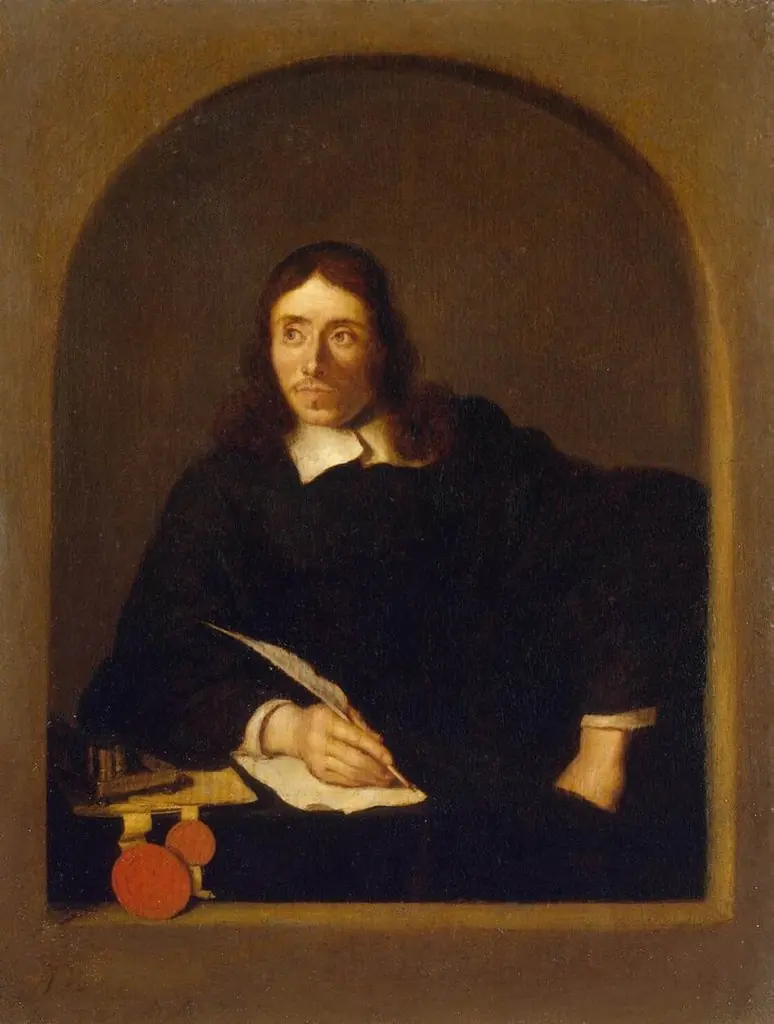
Portrait of a Notary
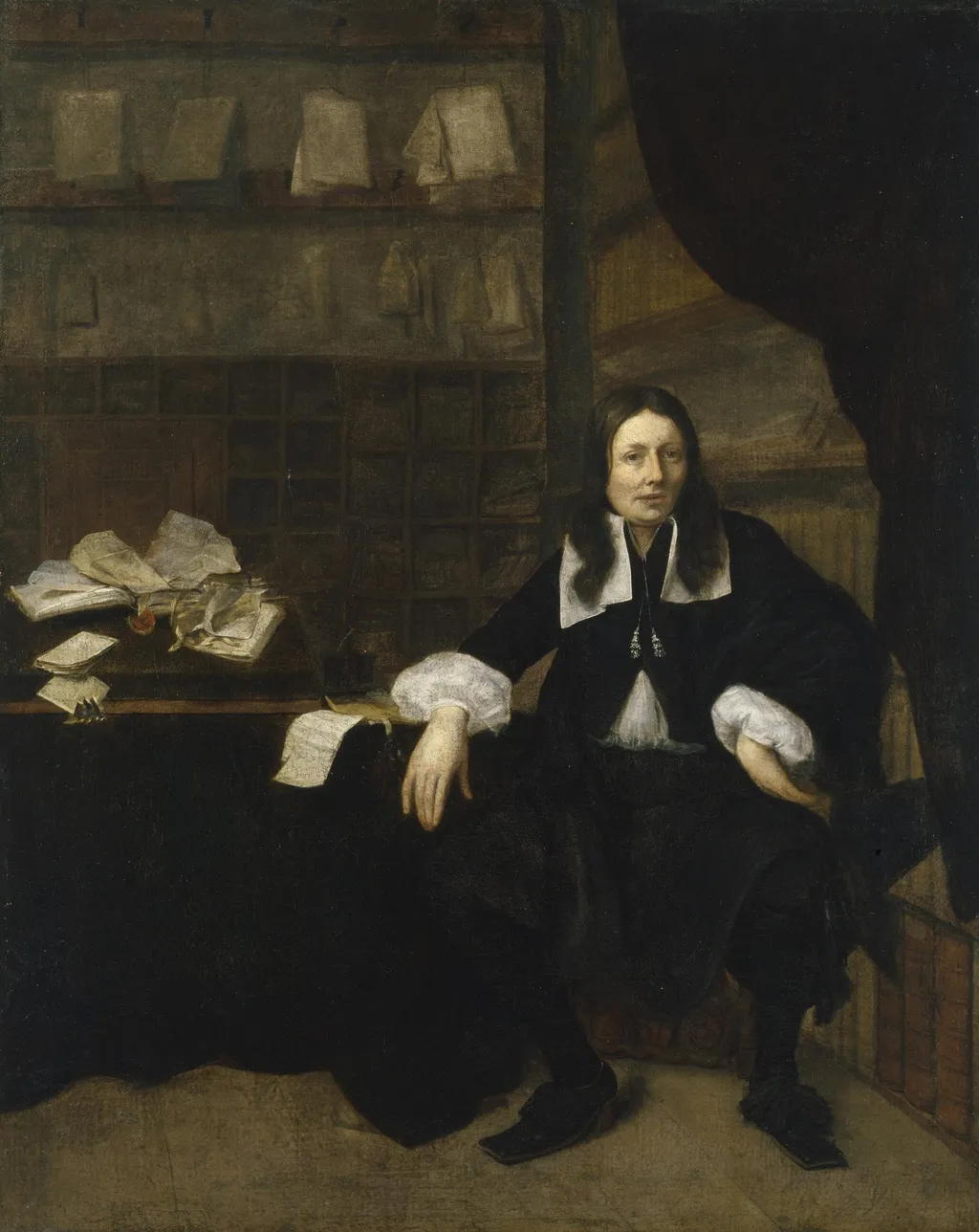
Portrait of a Notary is an oil painting by the Dutch Golden Age artist Michiel van Musscher. It dates from 1670 and is held in the collection of the Hermitage Museum.
About this work
Overview
Painted in 1670 by Michiel van Musscher, this oil portrait depicts a notary seated at a desk. The work is part of the State Hermitage Museum’s collection and exemplifies Dutch Golden Age portraiture through its restrained composition and attention to detail. The subject’s identity remains unconfirmed, but his profession is clearly indicated by his surroundings and attire.
Subject & Meaning
The figure is a notary, identified by his formal attire—white lace collar and cuffs—and the legal documents scattered across his desk. His hands, resting calmly, suggest composure and authority. The cluttered desk implies a life of meticulous record-keeping, while the dim setting emphasizes introspection and professional gravity over personal display.
Technique & Style
Van Musscher employs chiaroscuro to model the figure with sharp contrasts between light and shadow. The face and hands, illuminated against a dark background, gain three-dimensionality, while the desk and shelves recede into muted tones. Brushwork is precise yet unobtrusive, favoring texture over flourish, particularly in the fabric of the robe and the grain of the wooden desk.
History & Provenance
The painting entered the Hermitage Museum’s collection in the 18th or 19th century, likely through imperial acquisitions of Dutch art. Its provenance before that is undocumented, though it aligns with the type of portraiture favored by Dutch civic elites. No significant alterations or restorations are recorded in public archives.
Context
In 17th-century Amsterdam, notaries were respected figures in civic life, often commissioned for portraits to signify their status. Van Musscher, known for his refined likenesses, catered to this market. The painting reflects a broader trend of depicting professionals in their work environments, blending realism with quiet dignity.
Legacy
The portrait endures as a quiet example of Dutch psychological portraiture. It lacks theatricality but conveys presence through restraint. While not widely reproduced, it remains a reference for studies of light, professional identity, and the material culture of early modern bureaucracy.
Own this work as a print
Artist & collection

 Portrait of Johan Maurits (1604-79), count of Nassau-Siegen and governor of Brazil
 Portrait of Michiel Comans (d. 1687), calligrapher, etcher, painter and schoolmaster, with his third wife Elisabeth van der Mersche
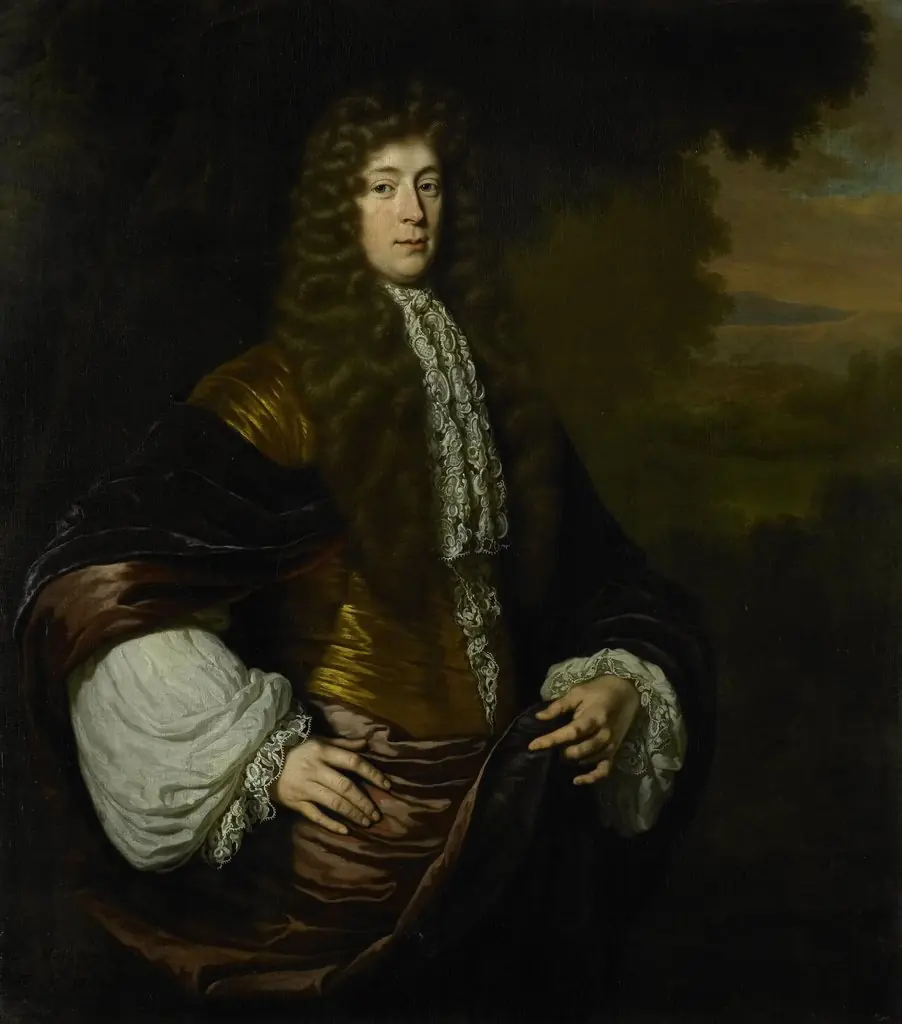 Portrait of Hendrick Bicker (1649 - 1718), burgomaster of Amsterdam
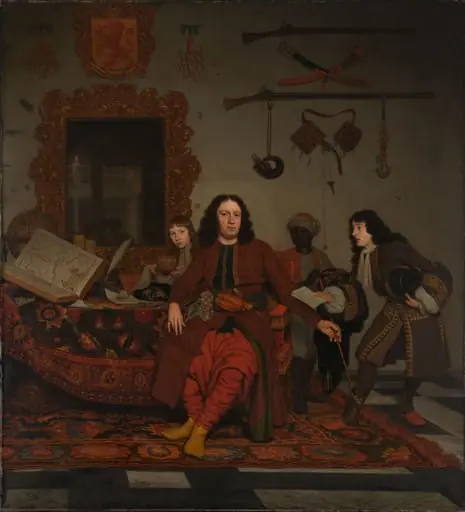 Thomas Hees and his Servant Thomas and Nephews Jan and Andries Hees
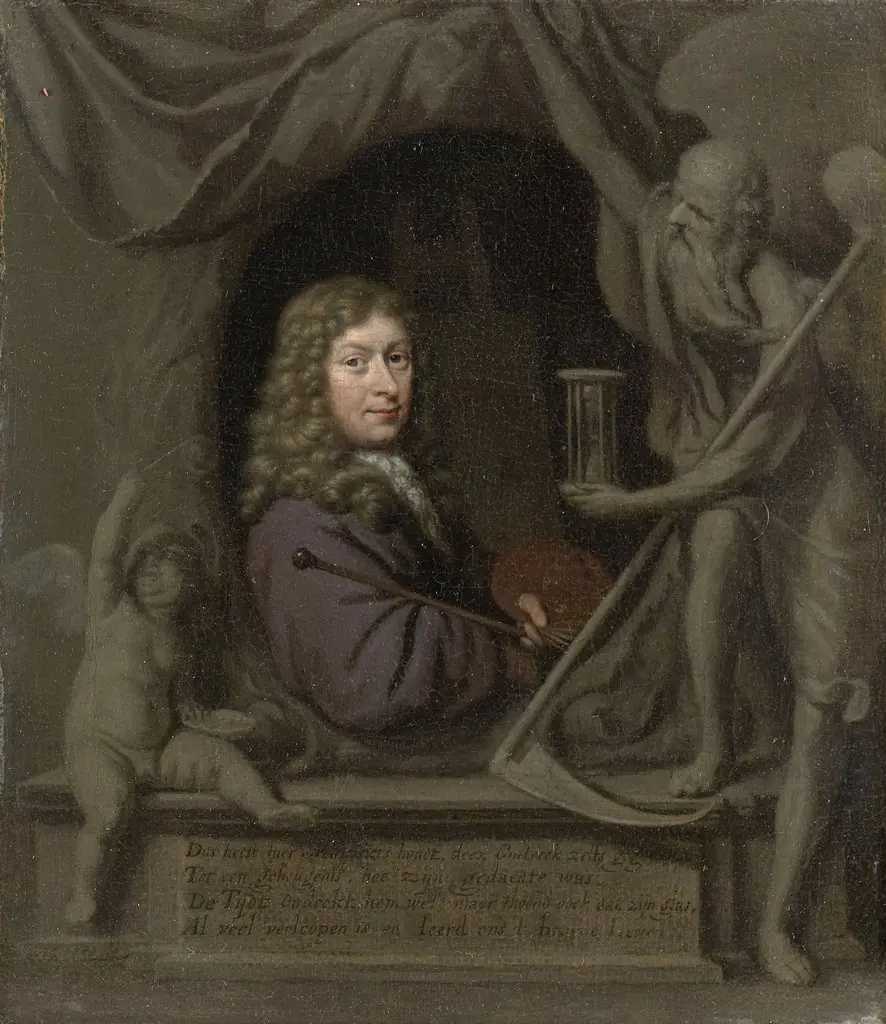 Self portrait
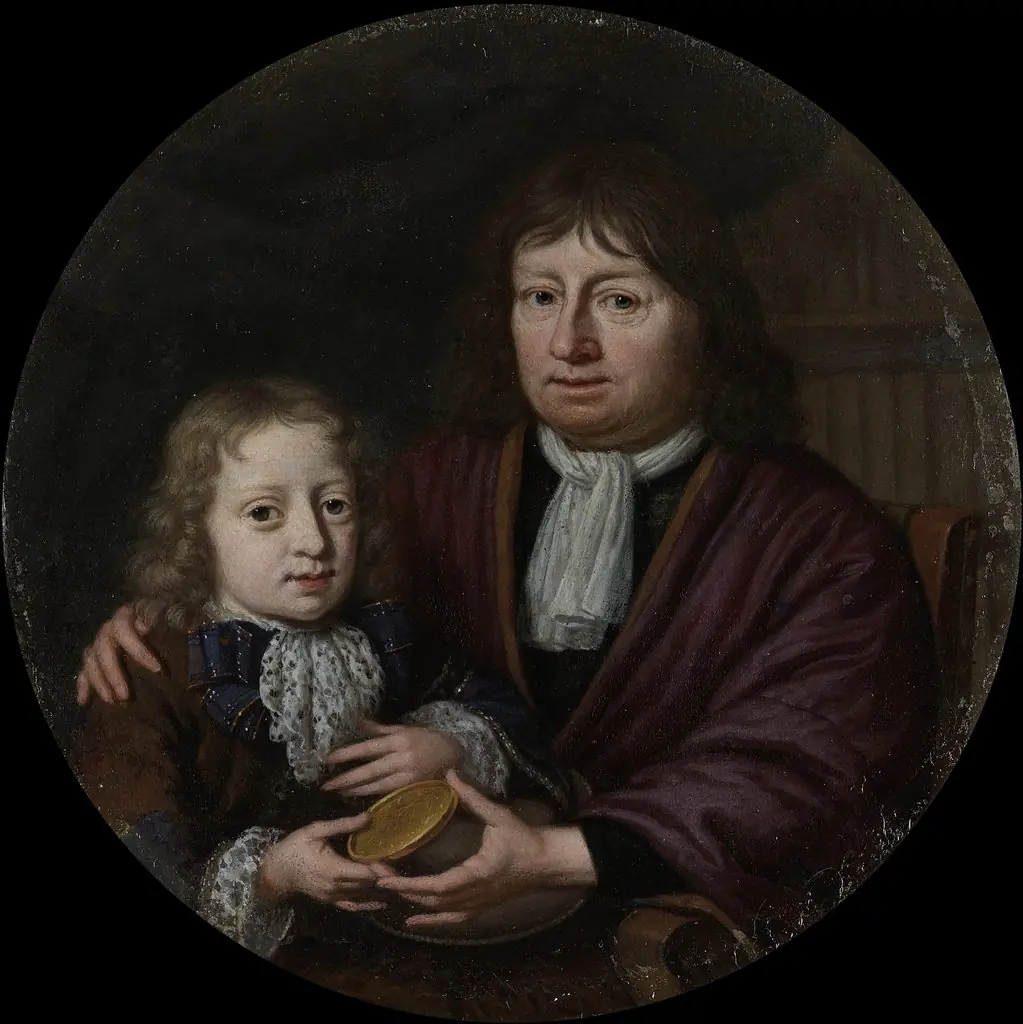 Isaac Pontanus Giving a Gold Medal to his Grandson Hendrik van Beek
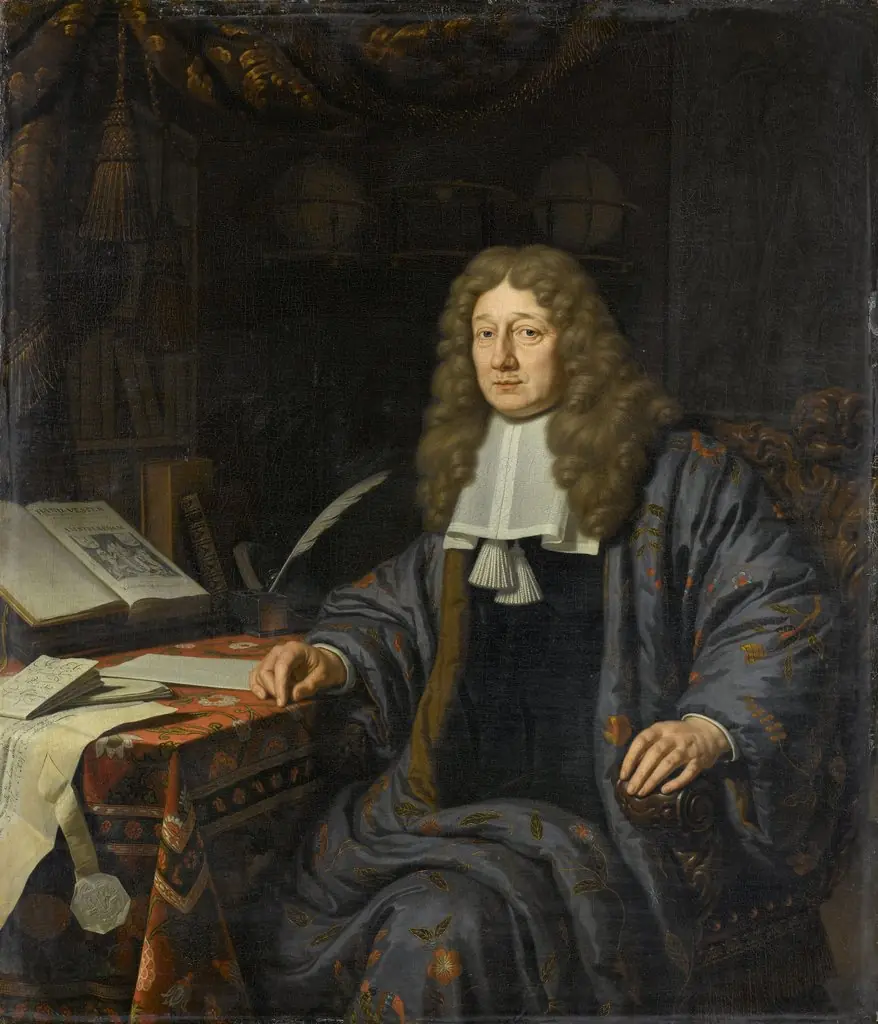 Portrait of Johannes Hudde (1628-1704), burgomaster of Amsterdam
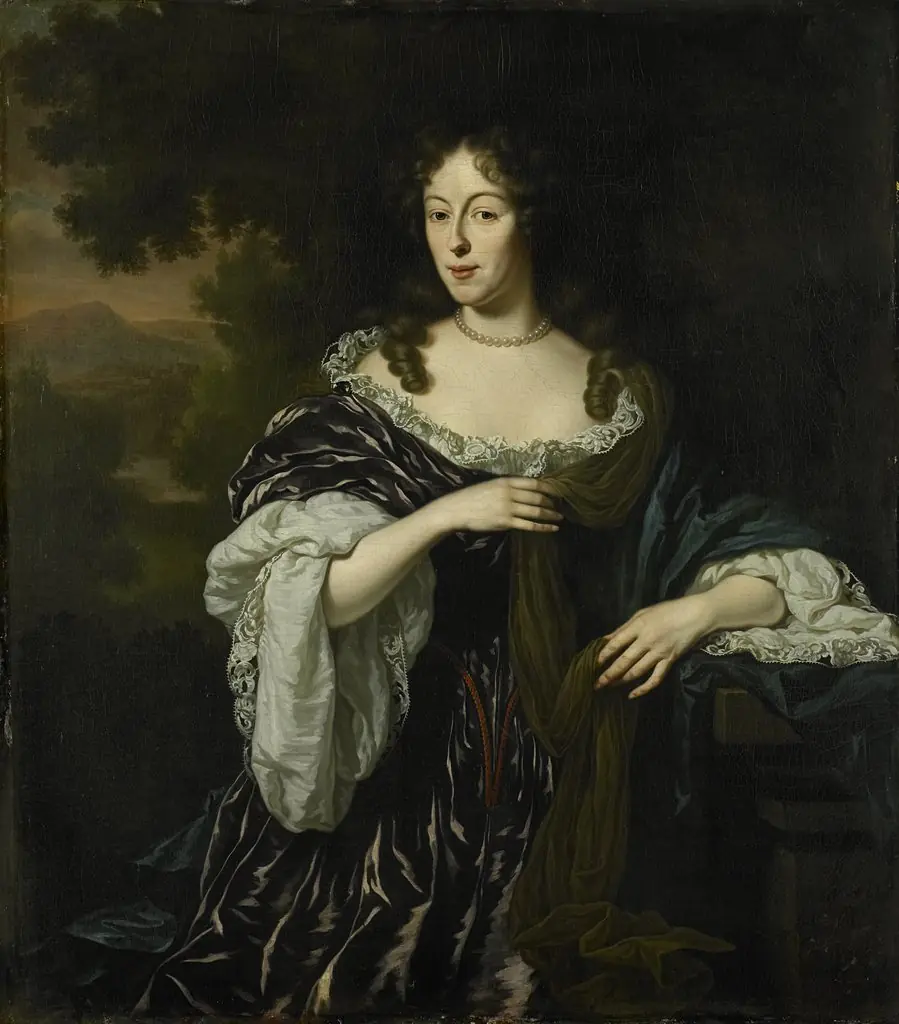 Portrait of Maria Schaep (1658-1725), wife of Hendrick Bicker
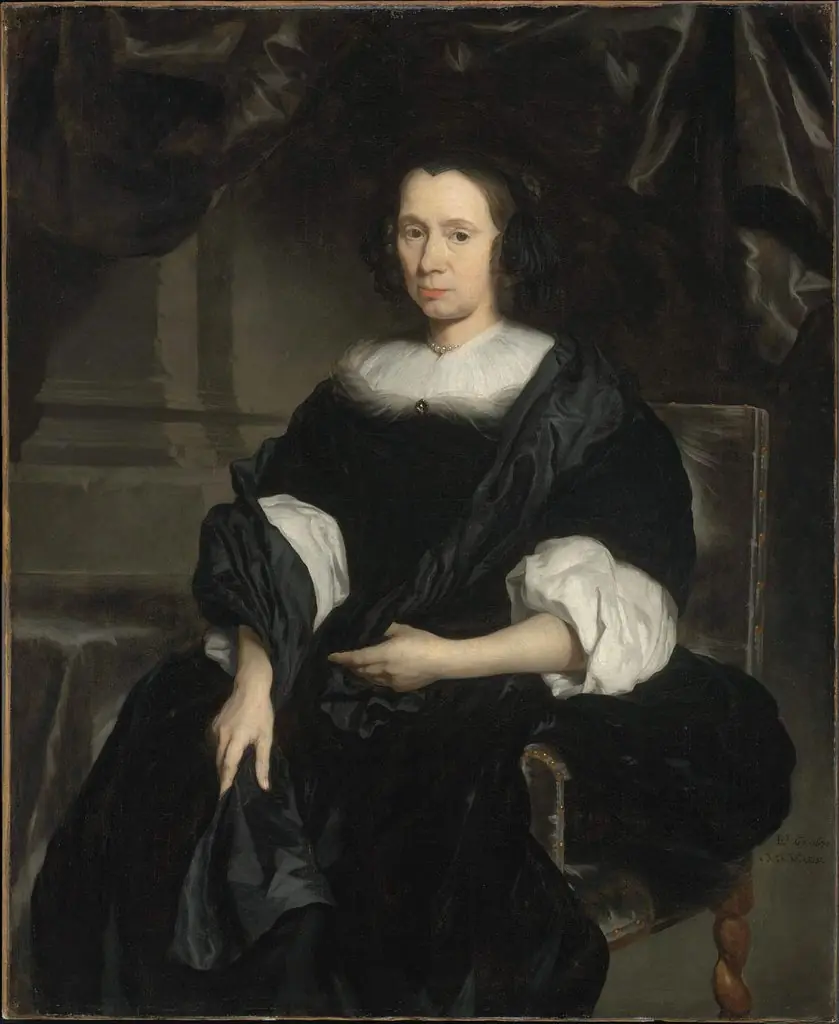 Portrait of a Woman
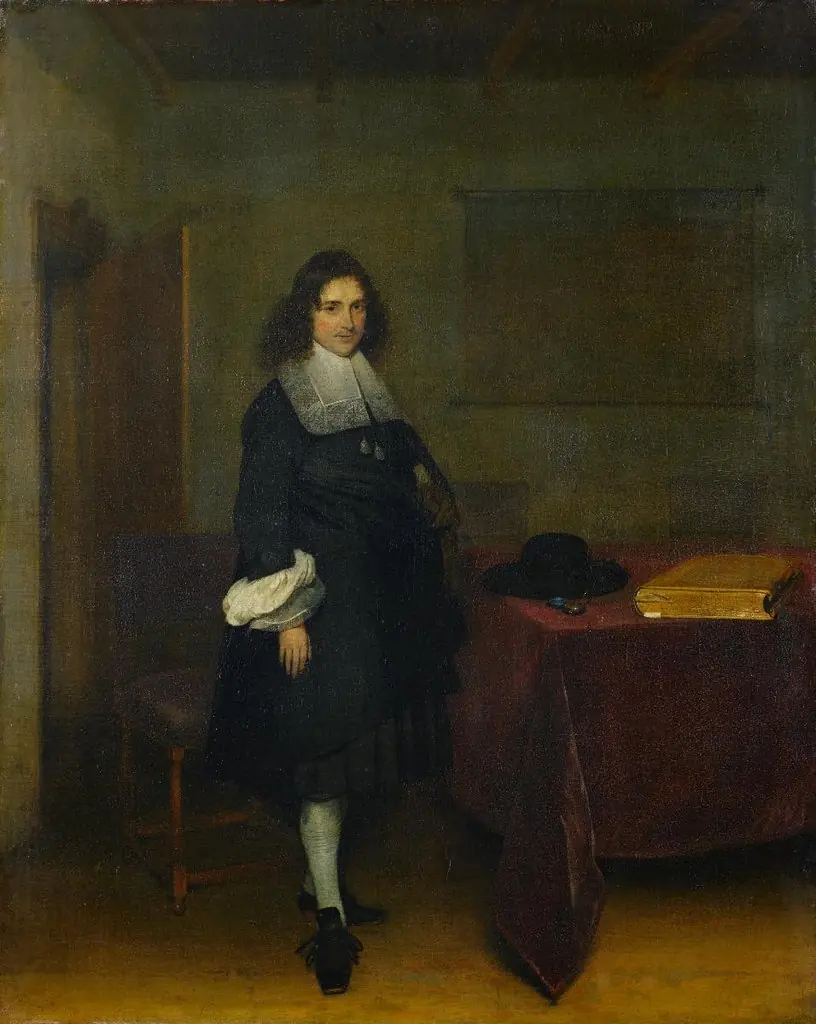 Bildnis eines jungen Herrn im Interieur
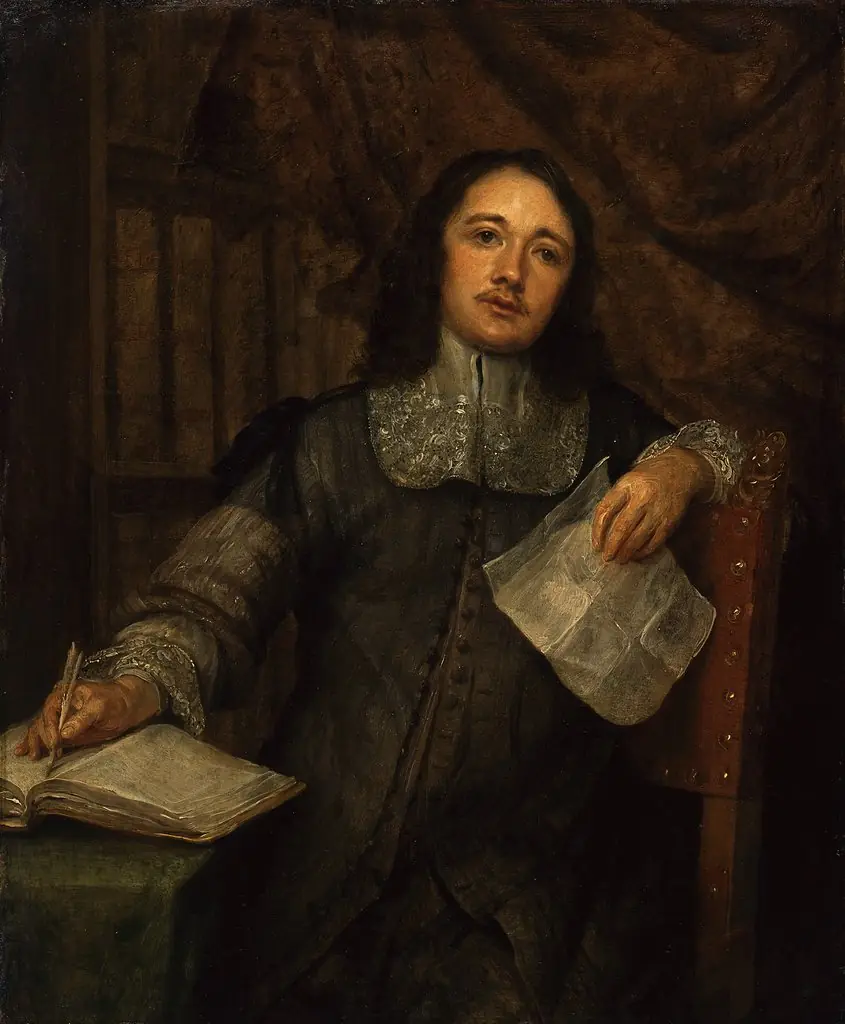 Portrait of Cornelis de Bie (1627-?)
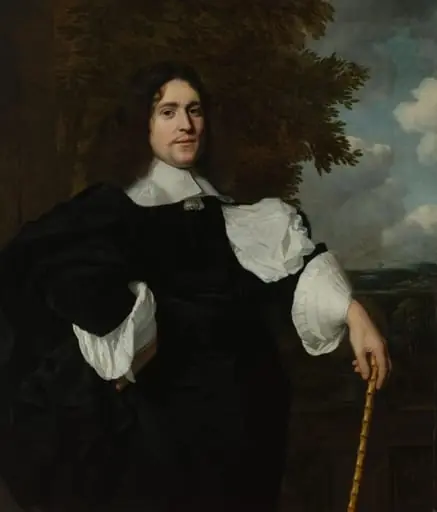 Jacobus Trip (1627-70), Armaments Dealer of Amsterdam and Dordrecht
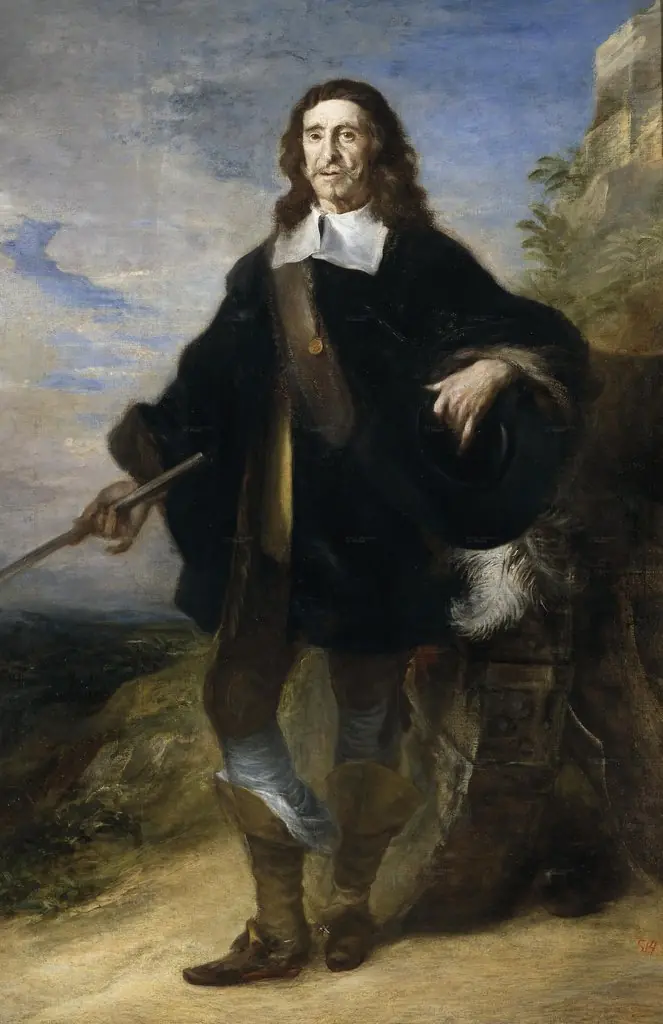 An Artillery General
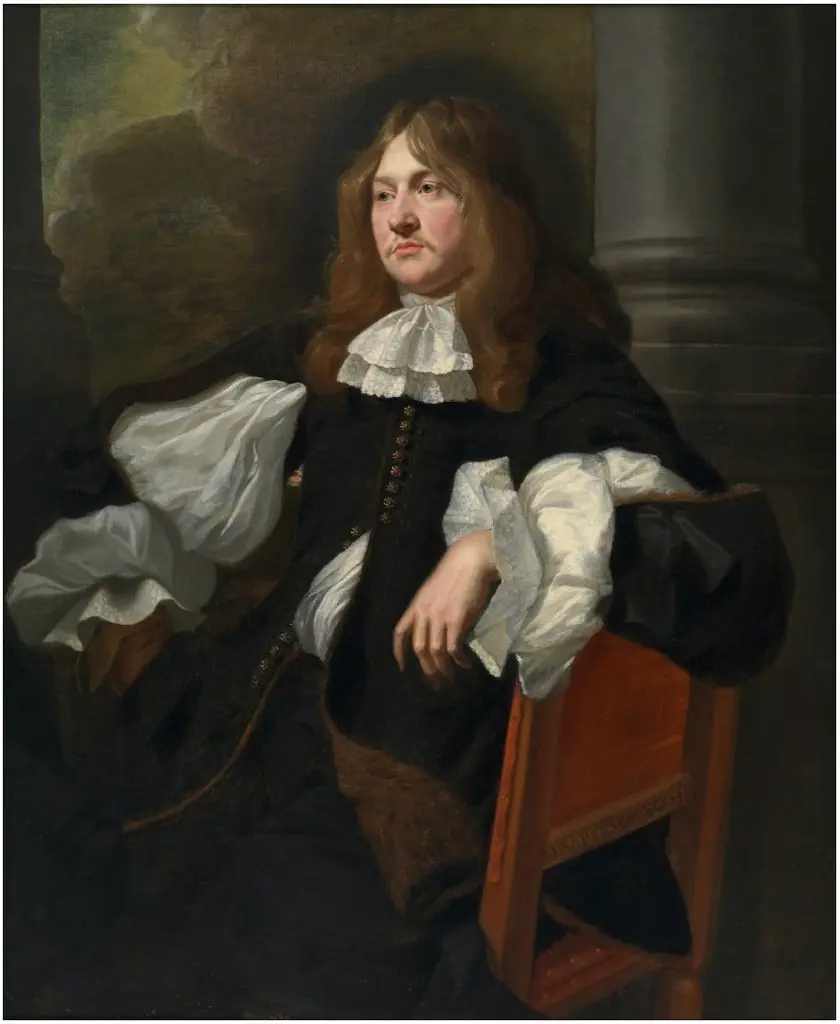 Portrait of Edward Hyde
 Portrait of one of the brothers Van der Burch, probably Arent van der Burch (1621-1691), 1656
 Portrait of a Scholar
 Portrait of a Man in Black
 A Young Man Seated at a Table (possibly Govaert Flinck)
 Burgomaster Jan van Duren (1613–1687)
 Portrait of a Notary