Artwork
Catharina Grill (?)
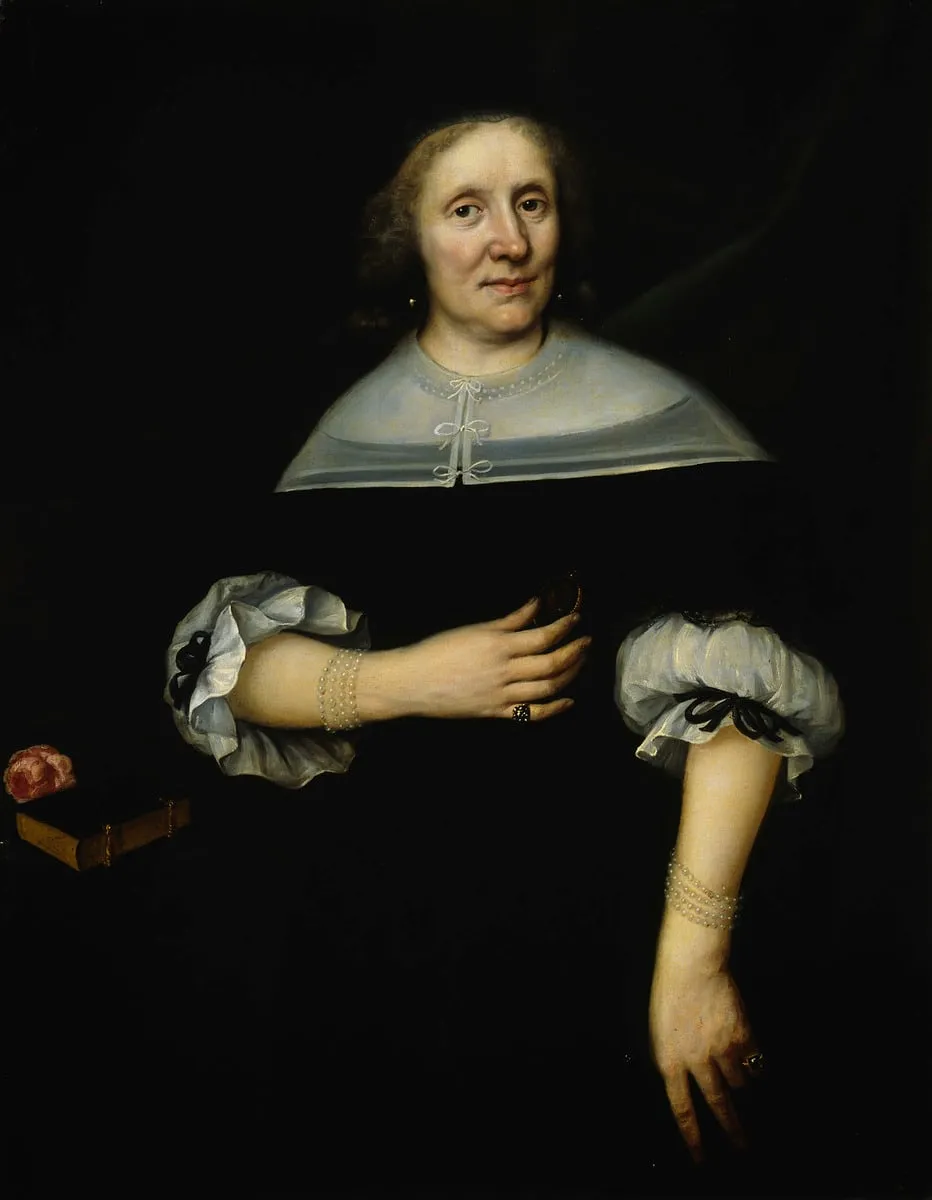
Catharina Grill (?) is an unspecified painting by Martin Mijtens vanhempi / den äldre / the Elder. It is held in the collection of the Finnish National Gallery. This portrait depicts a woman seated against a deep, unbroken background, her form sharply defined by focused illumination.
About this work
Overview
This portrait depicts a woman seated against a deep, unbroken background, her form sharply defined by focused illumination. Her attire includes a light-colored gown with ruffled sleeves and a high collar, suggesting modest elegance. Her hands rest gently on her chest, one holding a small, unidentified object, while a red cloth and a box rest on a ledge before her, adding subtle narrative detail.
Subject & Meaning
The woman’s poised posture and the intimate placement of her hands suggest introspection or quiet devotion. The small object she holds may be a reliquary, locket, or token of personal significance, hinting at private sentiment. The red cloth and box could symbolize memory or domestic ritual, though no definitive identity or story is recorded, leaving interpretation open to the viewer.
Technique & Style
The artist employs chiaroscuro to model the figure with precision, using light to highlight the contours of the face, neck, and jewelry while allowing the background to recede into shadow. Delicate rendering of rings and bracelets underscores attention to material detail. The contrast between the dark setting and the luminous dress enhances the subject’s presence without theatricality.
History & Provenance
The painting is tentatively attributed to Catharina Grill, though this identification remains unconfirmed. No documented ownership history or exhibition record precedes its modern appearance. The lack of inscriptions or archival references leaves its origin and commission context unresolved, placing it among anonymous portraits of the period.
Context
Created during a time when portraiture in the Netherlands emphasized quiet dignity over grandeur, the work reflects a trend favoring intimate, domestic subjects. The restrained palette, focus on texture, and absence of landscape or architectural elements align with mid-17th-century Dutch conventions, where personal identity was conveyed through gesture and adornment rather than status symbols.
Legacy
Though not widely studied or reproduced, the painting contributes to the broader understanding of female portraiture in early modern Northern Europe. Its quiet composition and careful lighting offer insight into how individual identity was visually constructed outside aristocratic circles, preserving a glimpse of everyday presence through refined technique.
Artist & collection
Artist
Martin Mijtens vanhempi / den äldre / the Elder
This Swedish portraitist in powdered wigs and velvet coats was the go-to painter for Helsinki’s elite in the 1700s.

 Bildnis einer Dame
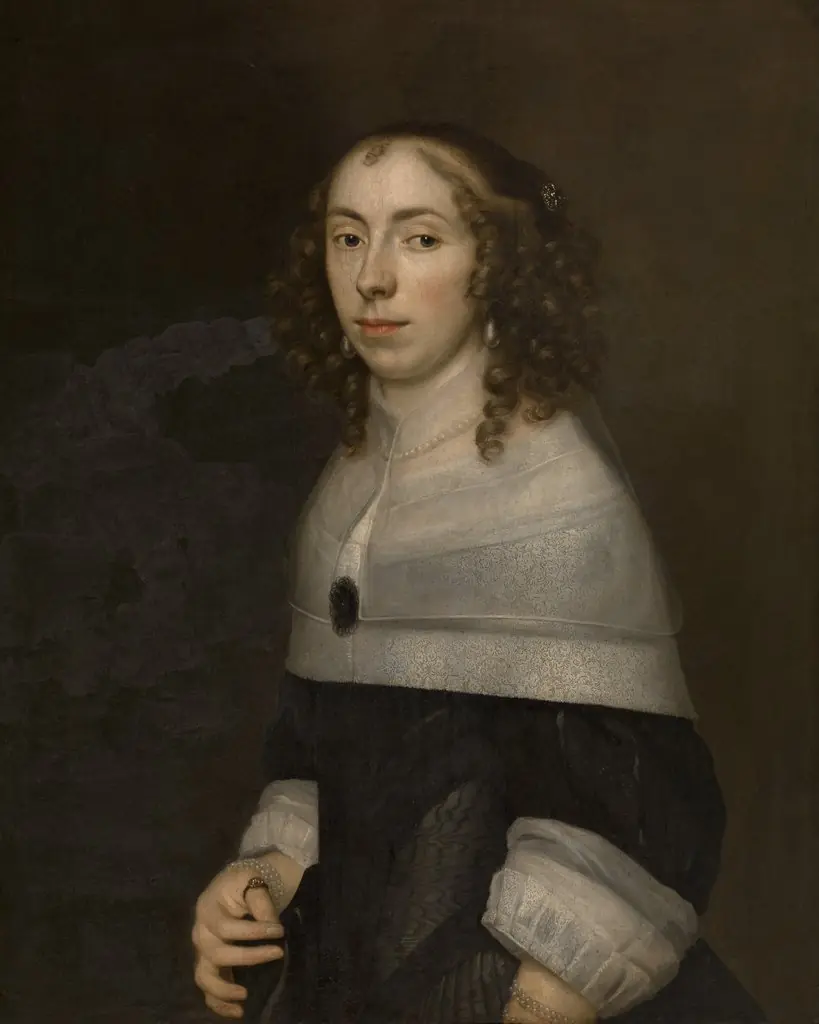 Portrait of Geertruijd Coenen (1635-1716)
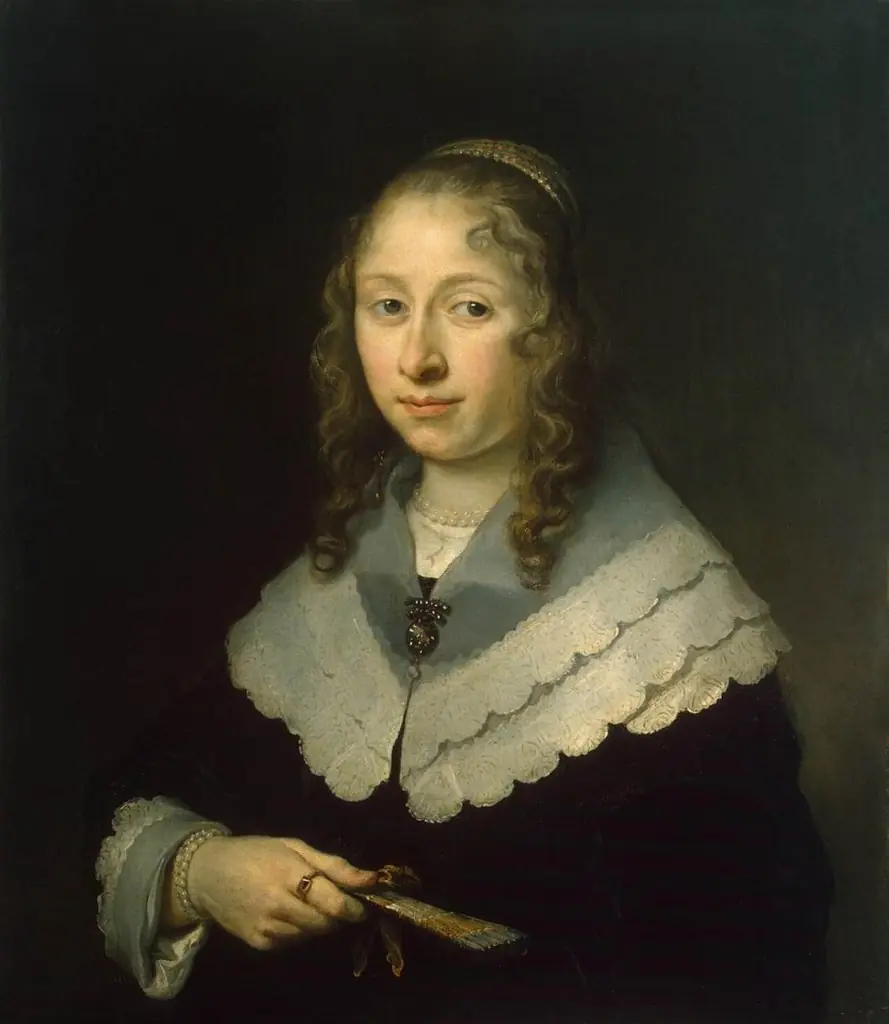 Portrait of a Woman
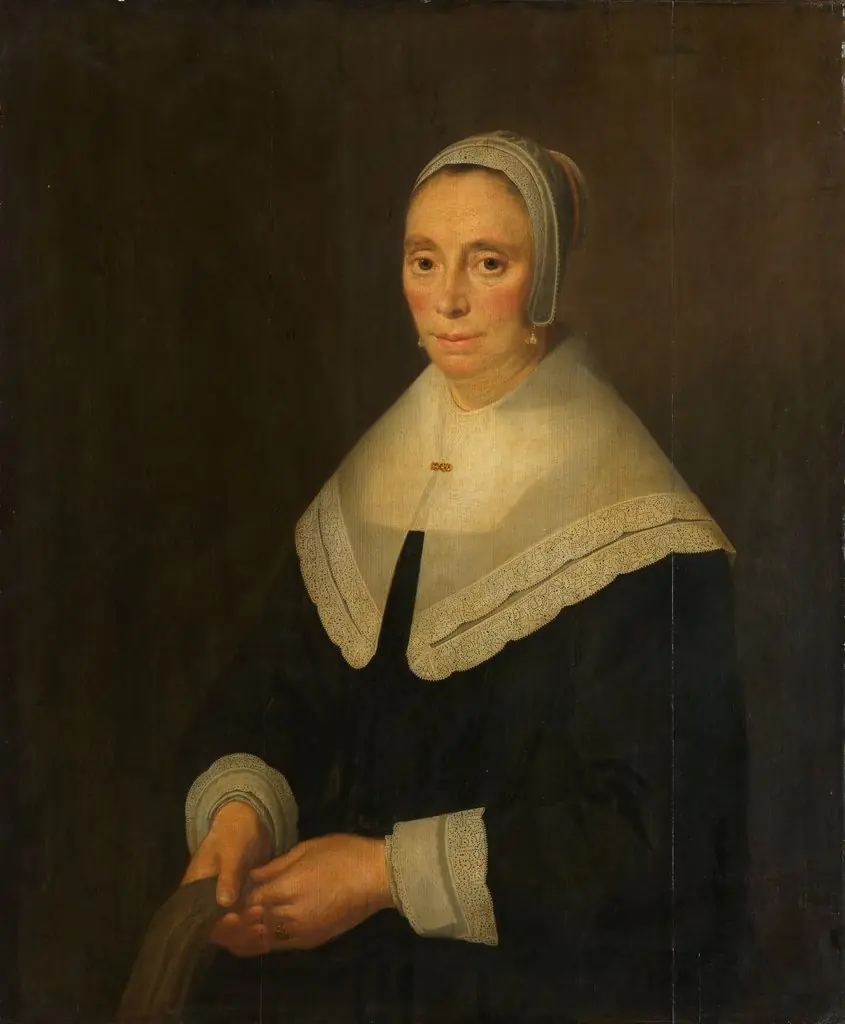 Portrait of a woman
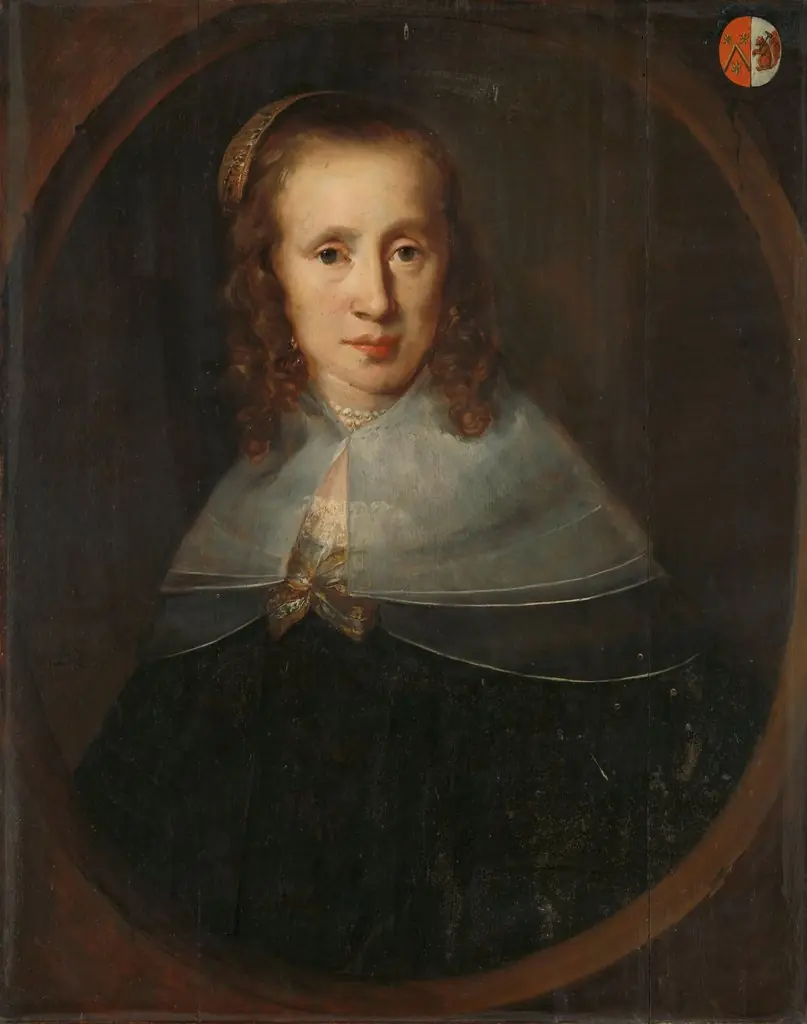 Digna de Maets. Wife of François Leydecker
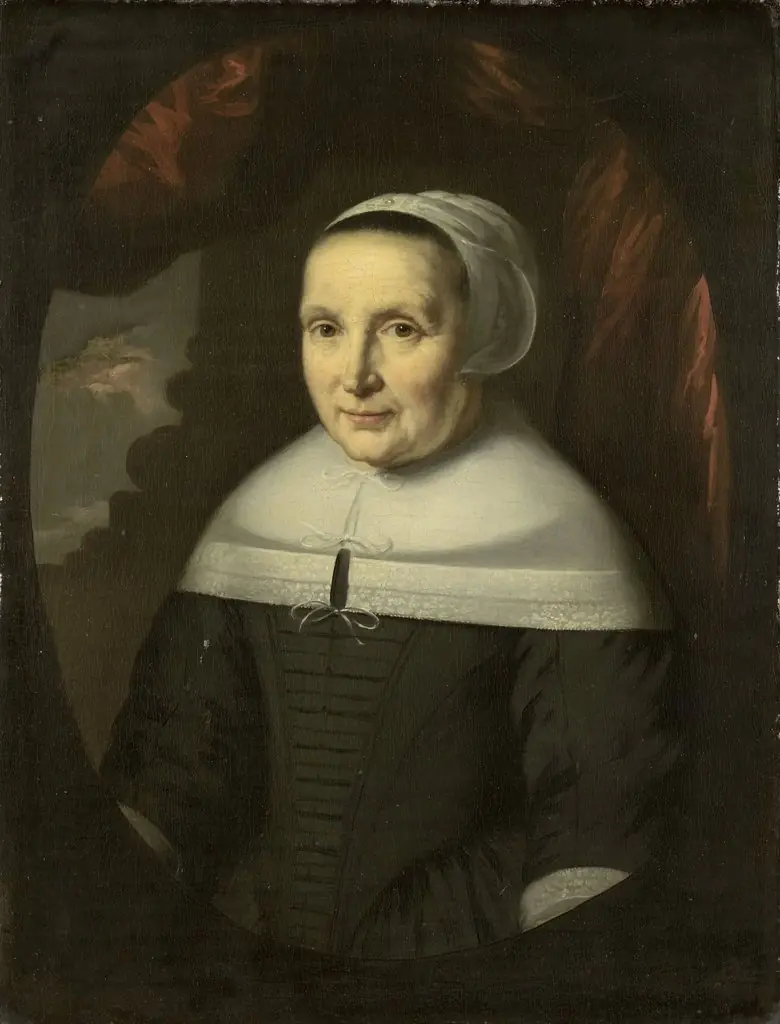 Portrait of Aeltje Denijs (b. 1598/99), wife of Hendrick Wijnands and mother of Dionijs Wijnands
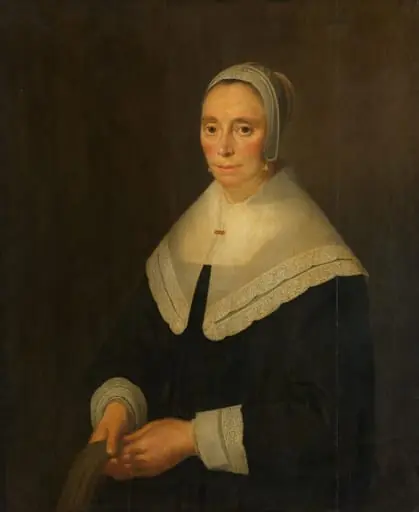 Portrait of a Woman
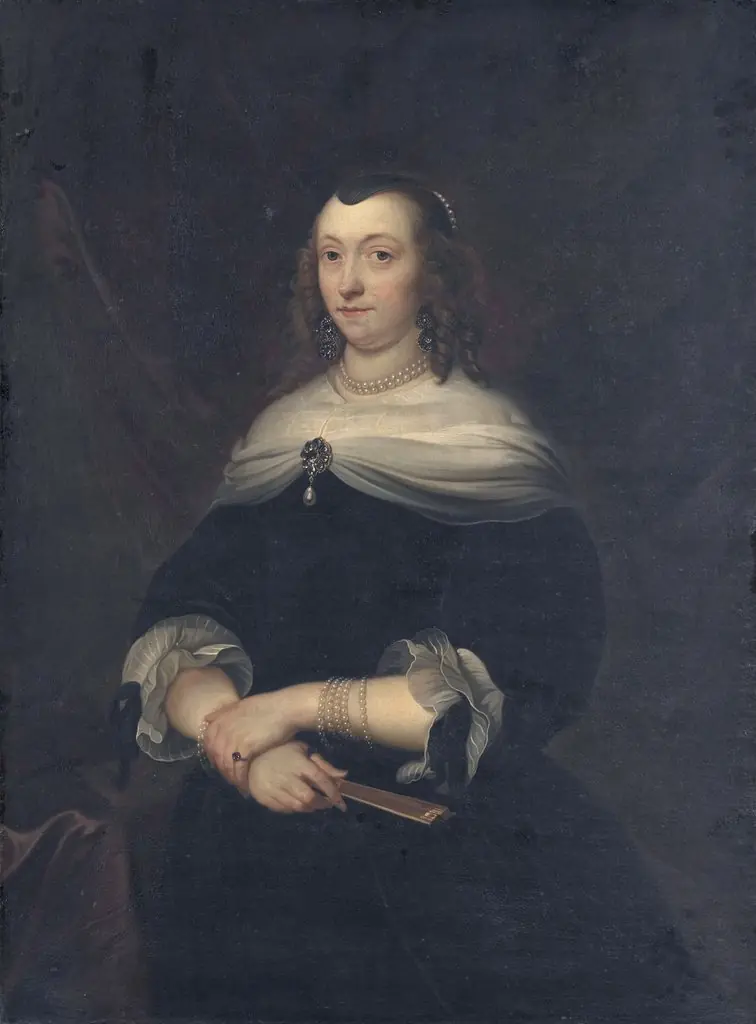 Portrait of a woman, thought to be Lucretia Boudaen
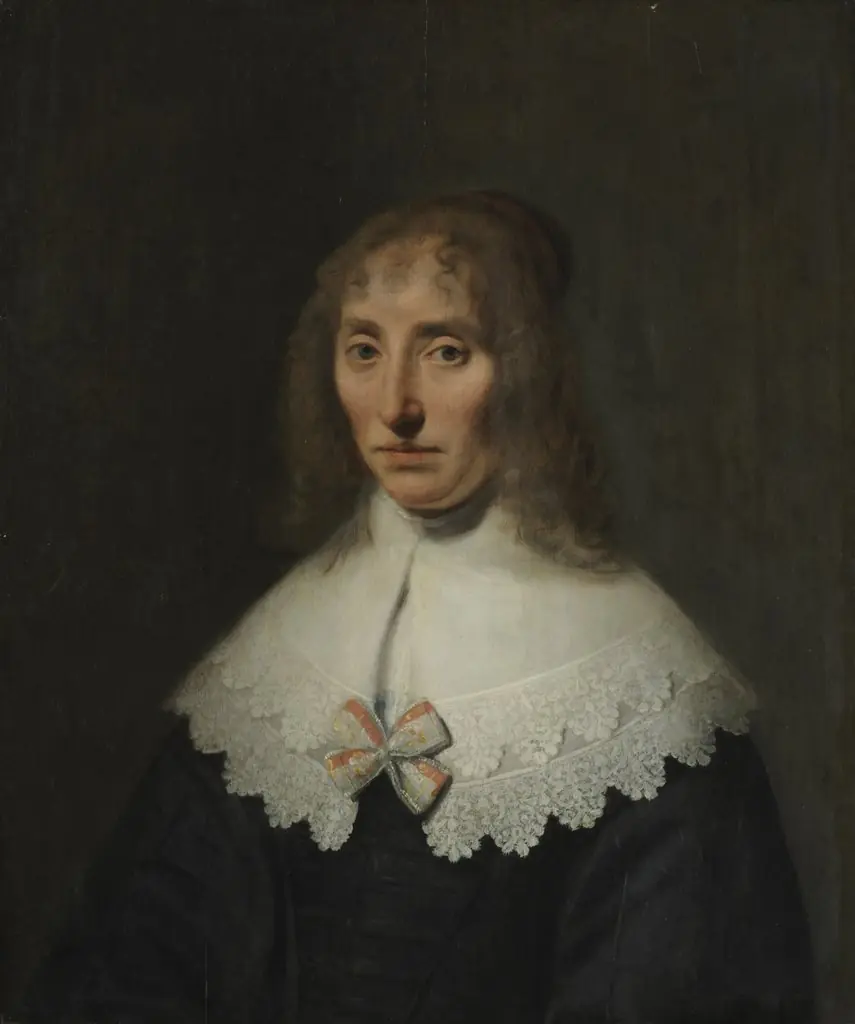 Portrait of a Woman
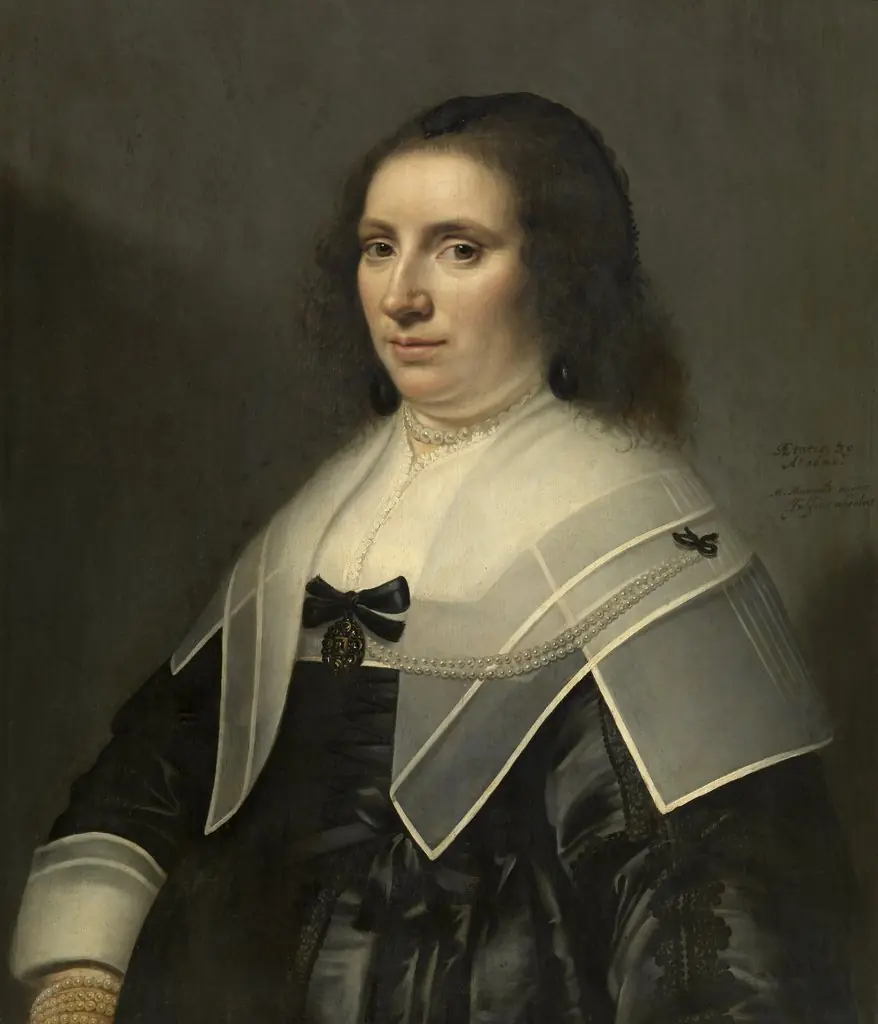 Portrait of Christina Pijll
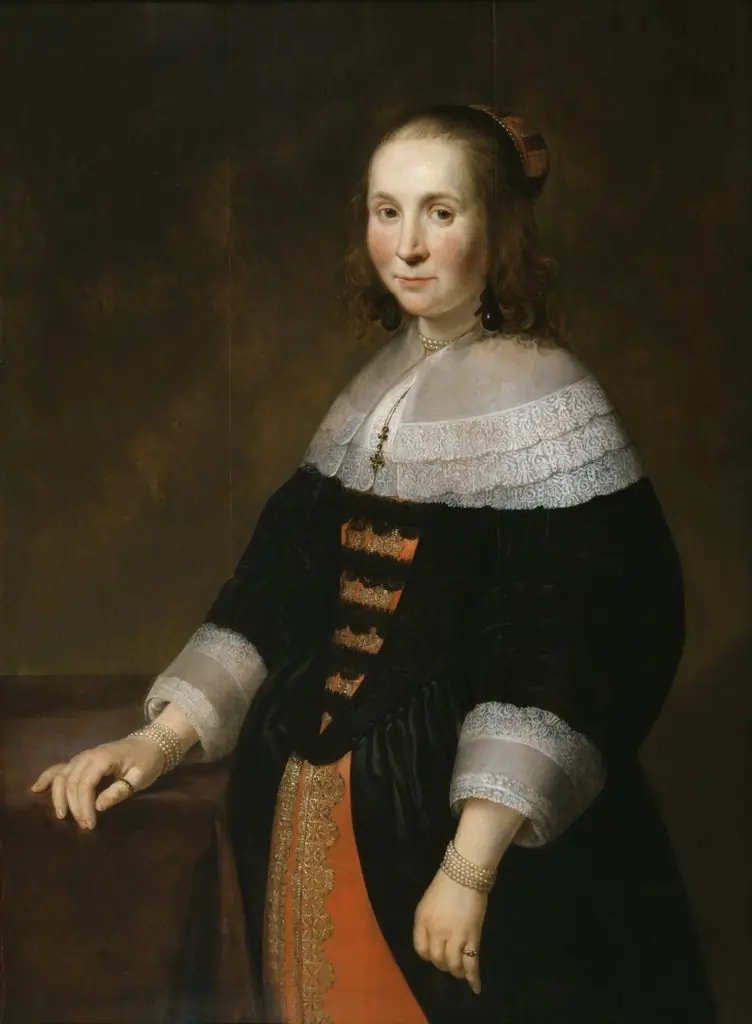 Portrait of a Wife
 Portrait of Digna de Maets (?-before 1667)