Artwork
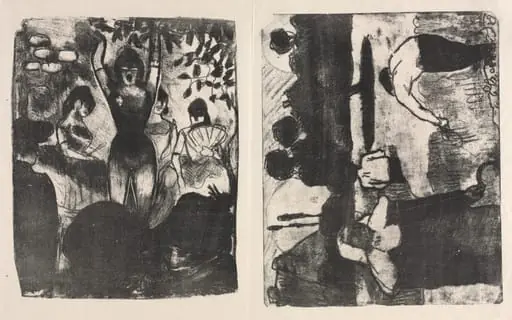
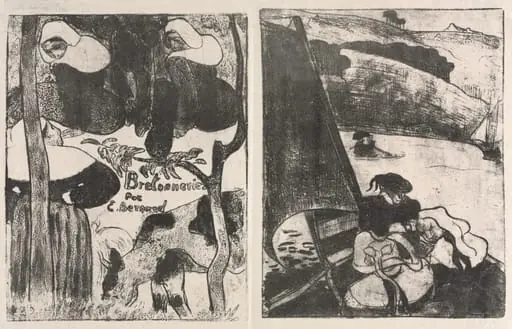
Les Bretonneries: Breton Women Making Haystacks (Bretonnes Faisant les Foins) and Wedding in Brittany (La Noce en Bretange)
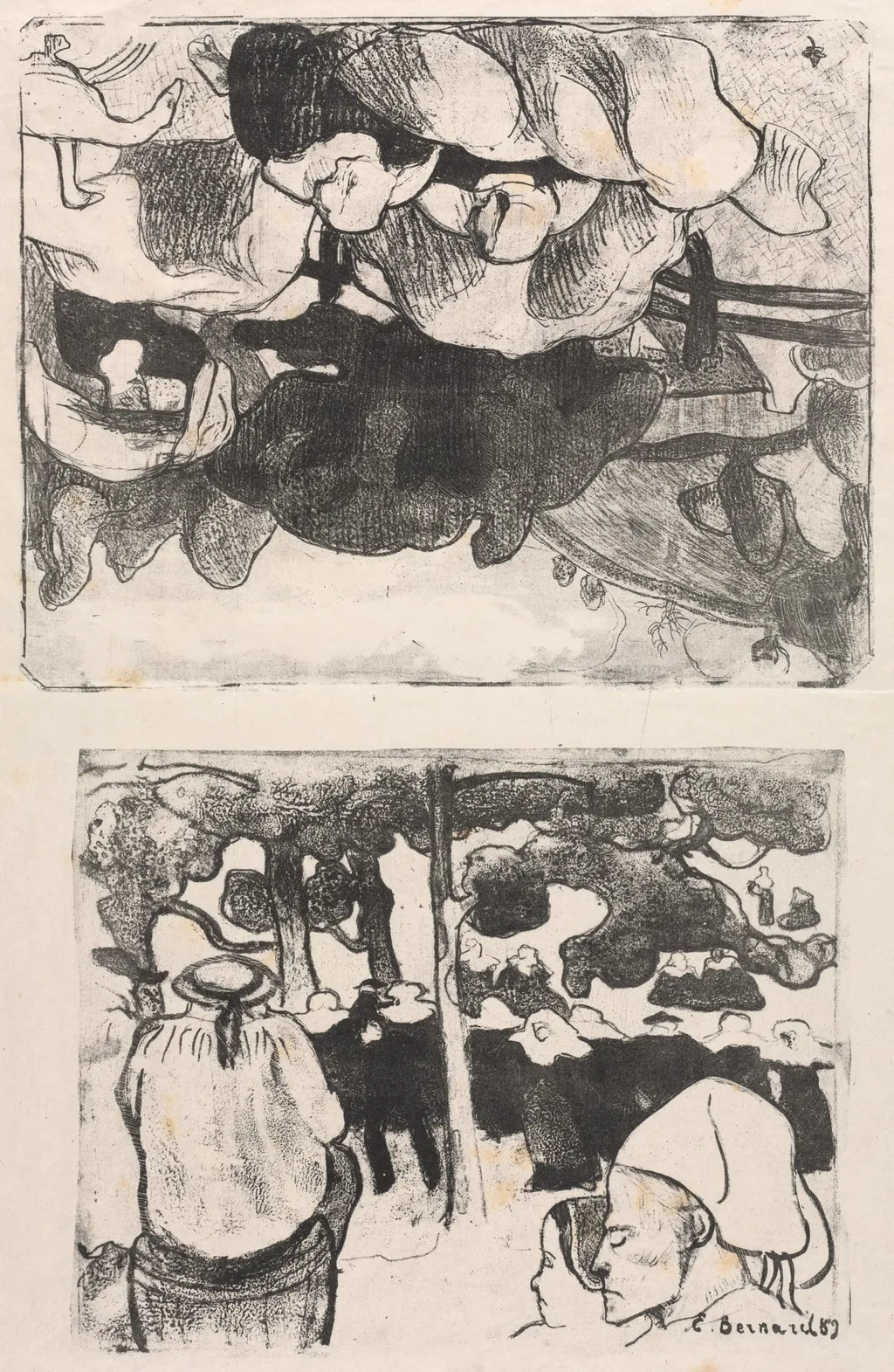
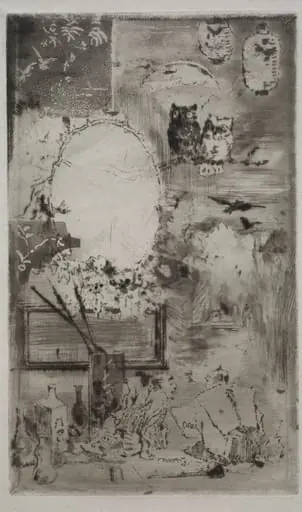
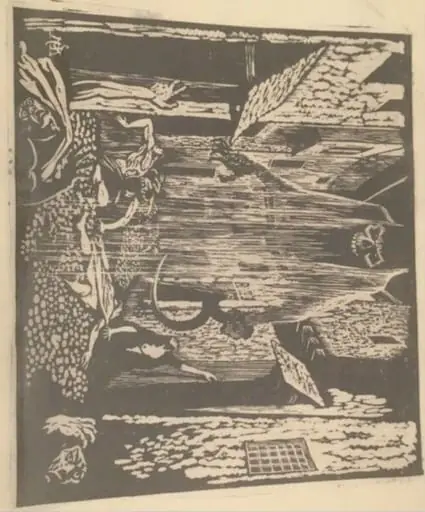
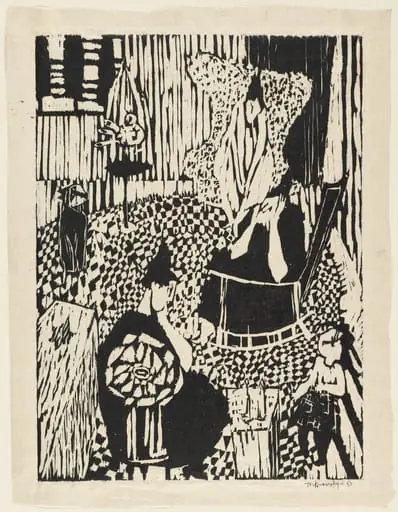
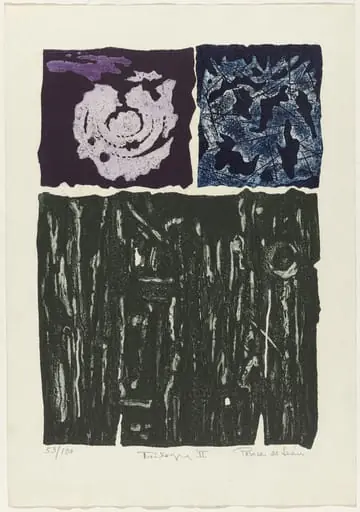
Les Bretonneries: Breton Women Making Haystacks (Bretonnes Faisant les Foins) and Wedding in Brittany (La Noce en Bretange) is a print by the Impressionist artist Émile Bernard. It dates from 1889 and is held in the collection of the Cleveland Museum of Art.
About this work
Overview
Created in 1889 by French artist Émile Bernard, *Les Bretonneries* combines two scenes from rural Brittany: women gathering hay and a local wedding.
Created in 1889 by French artist Émile Bernard, *Les Bretonneries* combines two scenes from rural Brittany: women gathering hay and a local wedding. Executed as a single composition, the work reflects Bernard’s engagement with Synthetism and Cloisonnism during a formative phase of his career. The piece merges narrative and decorative form, rejecting naturalistic detail in favor of flattened space and bold contours.
Subject & Meaning
The upper panel portrays women engaged in the laborious task of haymaking, their postures unified by rhythmic motion and simple garments. Below, a wedding procession unfolds with solemn dignity, the bride and groom centered among attendees in traditional dress. Together, the scenes emphasize communal rituals and the quiet endurance of Breton peasant life, offering a non-romanticized view of regional customs.
Technique & Style
Bernard employed thick, dark outlines to separate areas of flat, unmodulated color, a hallmark of Cloisonnism. Shading is minimal, and perspective is deliberately flattened to prioritize pattern and symbolic clarity. The palette is restrained—earthy tones dominate—with emphasis on texture through simplified forms rather than realistic rendering, aligning with Synthetist ideals of emotional and spiritual synthesis.
History & Provenance
Painted during Bernard’s stay in Pont-Aven, the work emerged from his collaboration with Paul Gauguin and other artists seeking alternatives to Impressionism. It was produced shortly after Bernard’s theoretical writings on Synthetism and reflects his attempt to codify a new visual language rooted in folk subject matter. The piece remained in private collections until entering public institutional holdings in the 20th century.
Context
In late 19th-century France, artists increasingly turned to rural Brittany as a site of cultural authenticity, distancing themselves from urban modernity. Bernard’s work responded to this trend, aligning with broader efforts to revive regional identity through art. His approach contrasted with academic traditions, favoring symbolic form over illusionistic space, and contributed to the evolution of modernist abstraction.
Legacy
Though less widely known than contemporaries like Gauguin, Bernard’s synthesis of folk themes and formal innovation influenced later Symbolist and Nabi artists. *Les Bretonneries* stands as a key example of how Post-Impressionist painters redefined narrative painting through structural clarity and emotional restraint, paving the way for 20th-century reductions of form and content.
Artist & collection
Artist
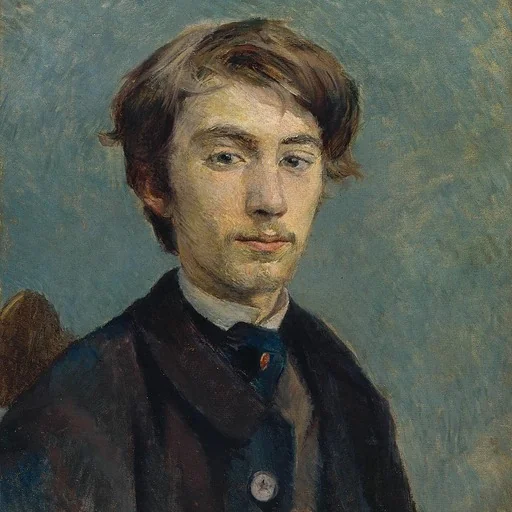
Émile Henri Bernard (French pronunciation: ; 28 April 1868 – 16 April 1941) was a French Post-Impressionist painter and writer, who had artistic friendships with Vincent van Gogh, Paul Gauguin and Eugène Boch, and at a later time, Paul…