Artwork
Self-Portrait as a Troubadour
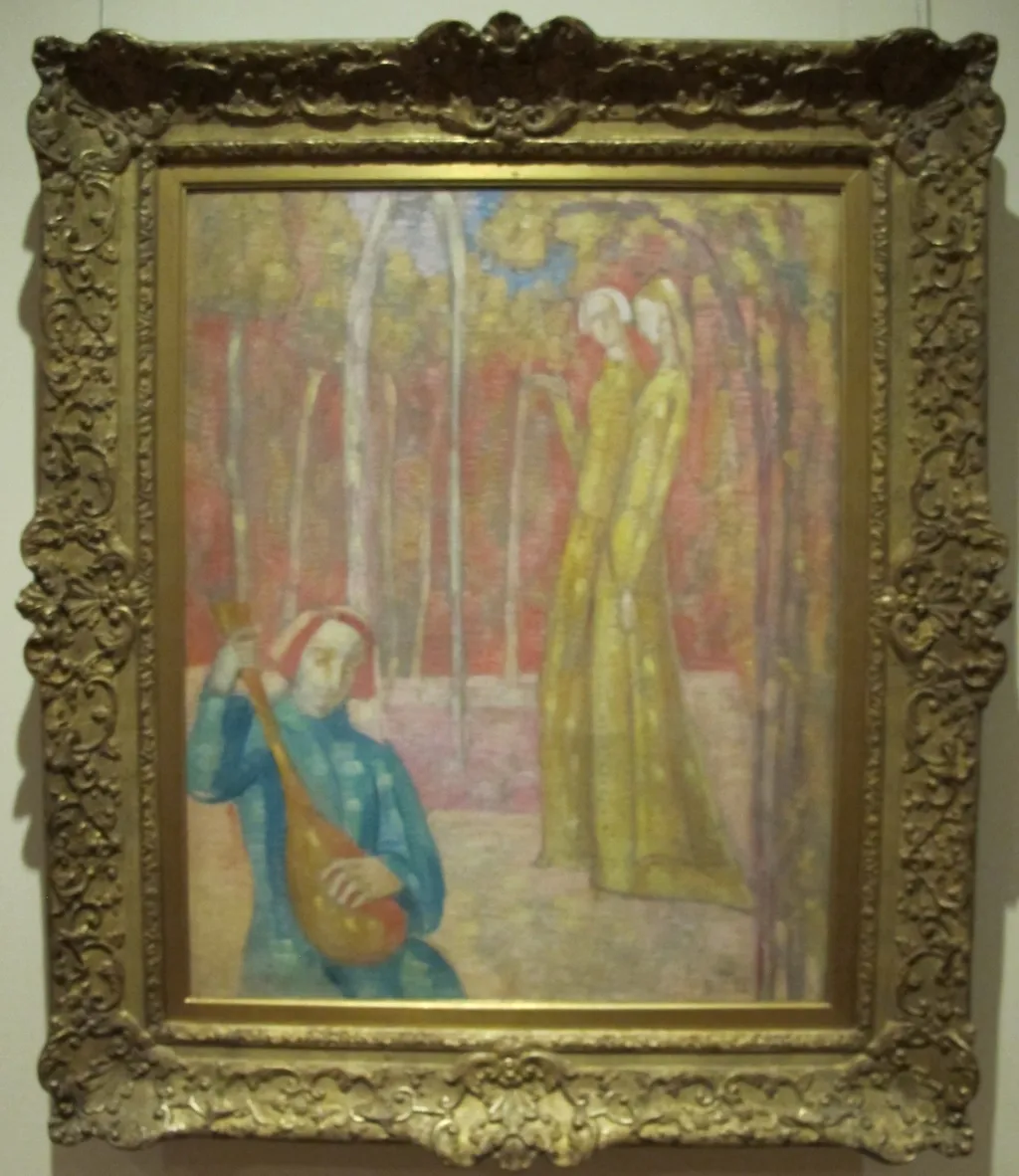
Self-Portrait as a Troubadour is an oil painting by the Post-Impressionist artist Émile Bernard. It dates from 1896 and is held in the collection of the National Museum of Western Art.
About this work
Overview
Self-Portrait as a Troubadour, painted in 1896 by French Post-Impressionist Émile Bernard, is an oil on canvas work showcasing the artist's experimentation with style and form.
Subject & Meaning
The painting features Bernard himself as the central figure, dressed in a long blue garment and holding a musical instrument, suggesting a connection to the troubadour tradition. A secondary, partially obscured figure in yellow accompanies him.
Technique & Style
Characterized by blurred facial features, a mix of vibrant colors (notably red, yellow, and green), and indistinct forms, the piece exemplifies Bernard's engagement with Post-Impressionist principles, blending elements of Cloisonnism and Synthetism in its composition.
History & Provenance
Created during Bernard's active involvement with late 19th-century avant-garde movements and associations with notable artists like Van Gogh and Gauguin, the work is now part of the National Museum of Western Art's collection.
Context
The painting reflects Bernard's period of stylistic experimentation, influenced by his interactions with key figures of the Post-Impressionist era, yet it stands as a unique interpretation of the self-portrait genre.
Artist & collection
Artist
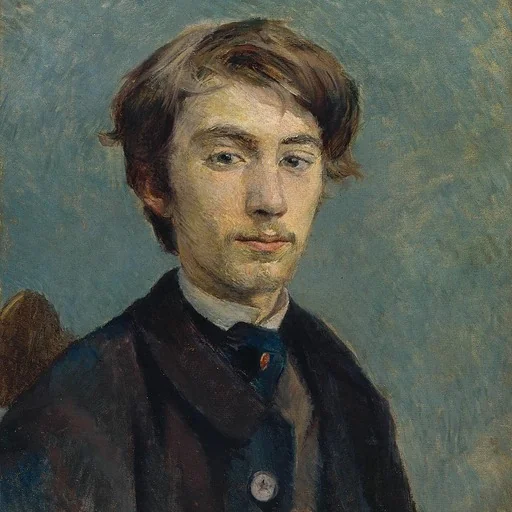
Émile Henri Bernard (French pronunciation: ; 28 April 1868 – 16 April 1941) was a French Post-Impressionist painter and writer, who had artistic friendships with Vincent van Gogh, Paul Gauguin and Eugène Boch, and at a later time, Paul…

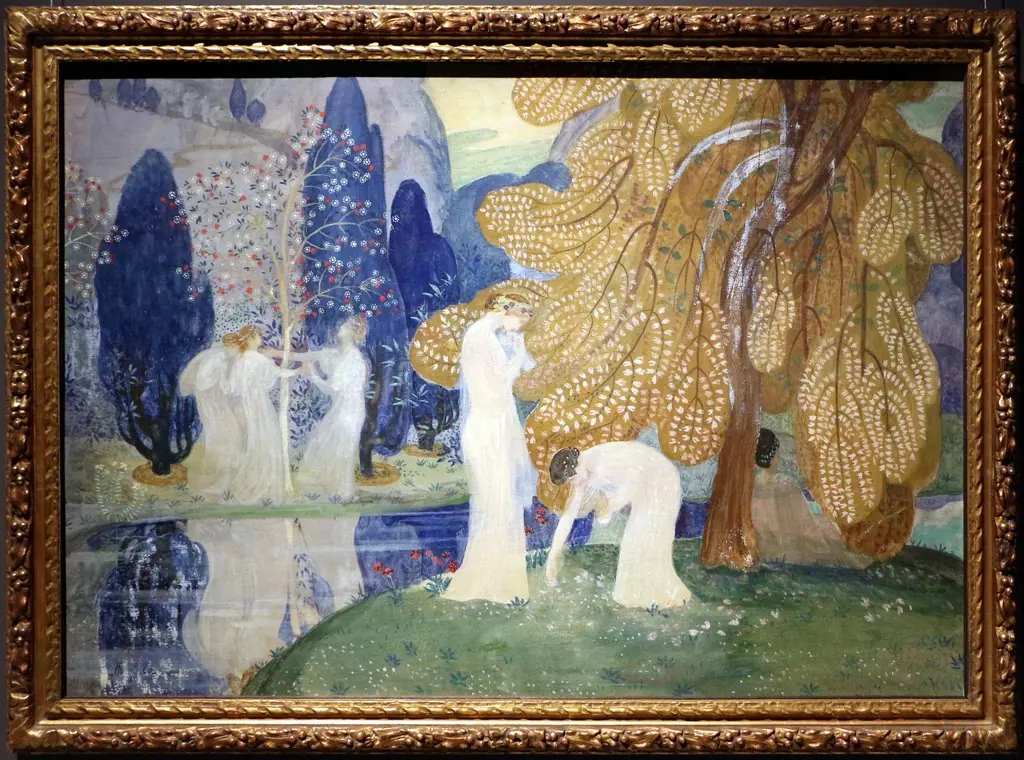 Dancing Nymphs
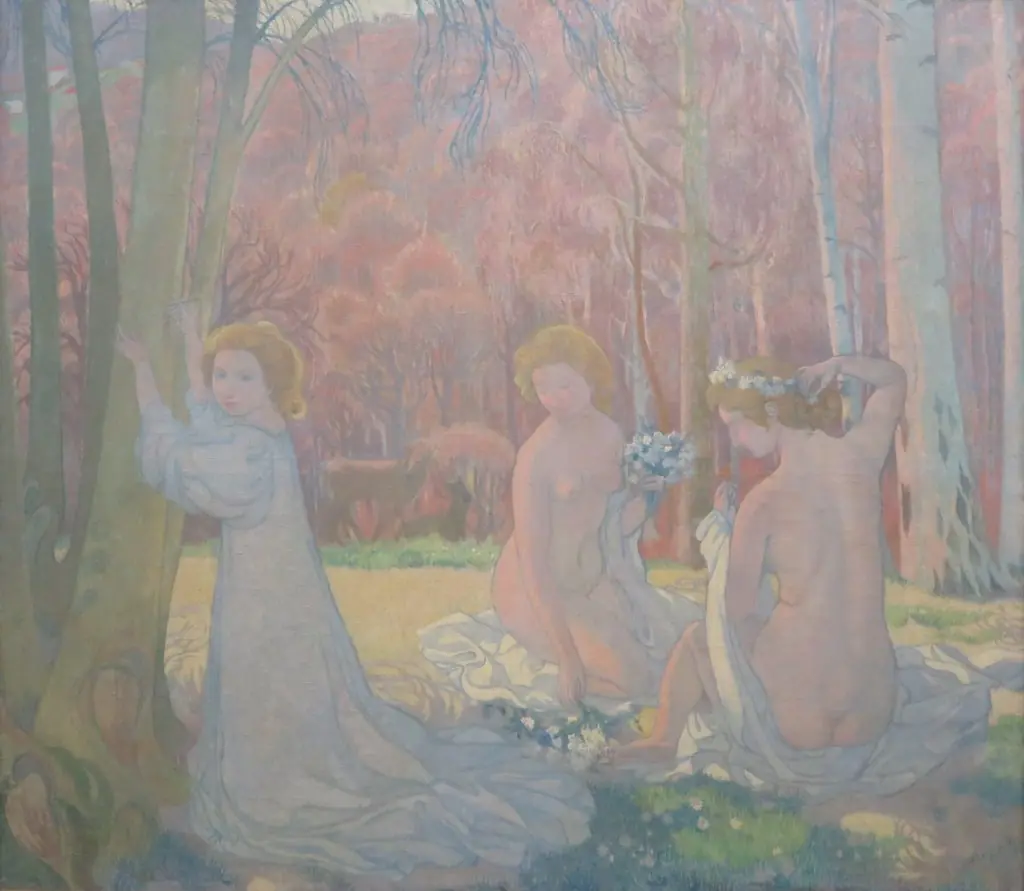 Figures in a Spring Landscape (Sacred Grove)
 Untitled
 Bois de Boulogne
 Young Girls at the Piano
 Sketch for "joy of living"
 Synchromy in Yellow
 Visitation
 Street in Biskra, Algeria
 View of Collioure
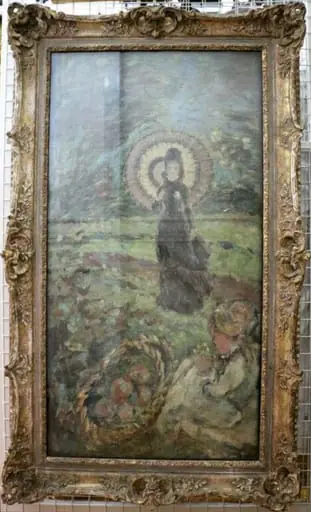 Stage property painting for <i>Letter from Paris</i> by Dodie Smith
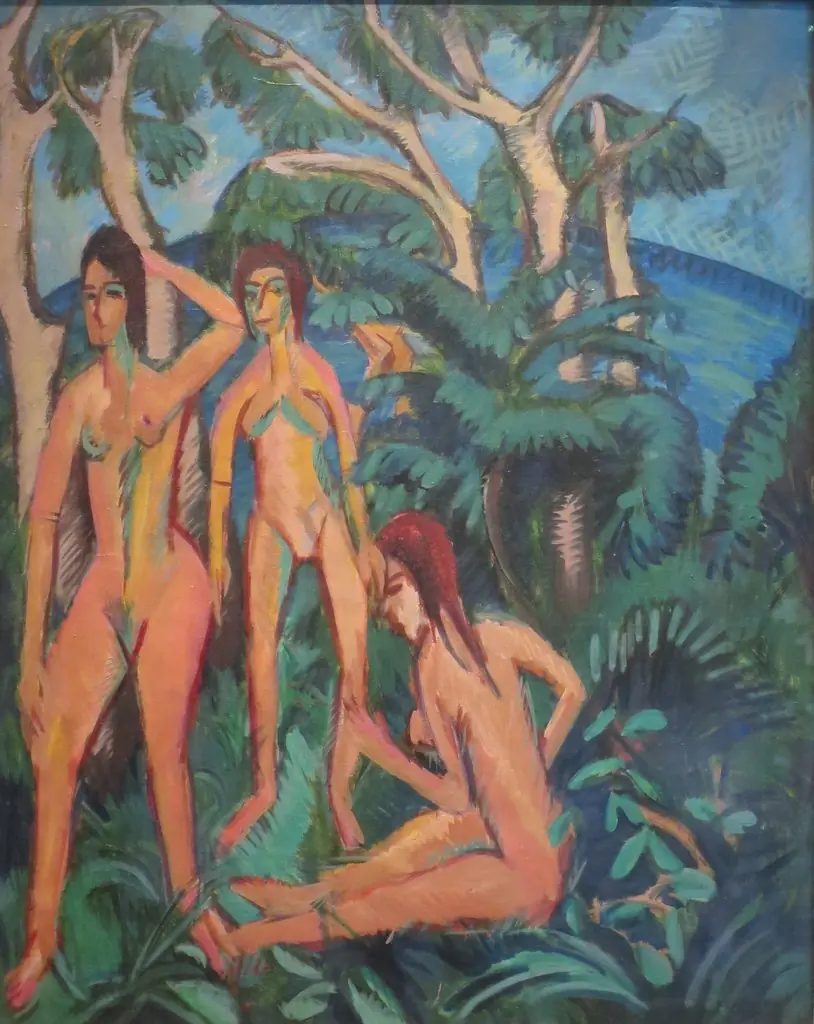 Bathers beneath Trees, Fehmarn