Artwork
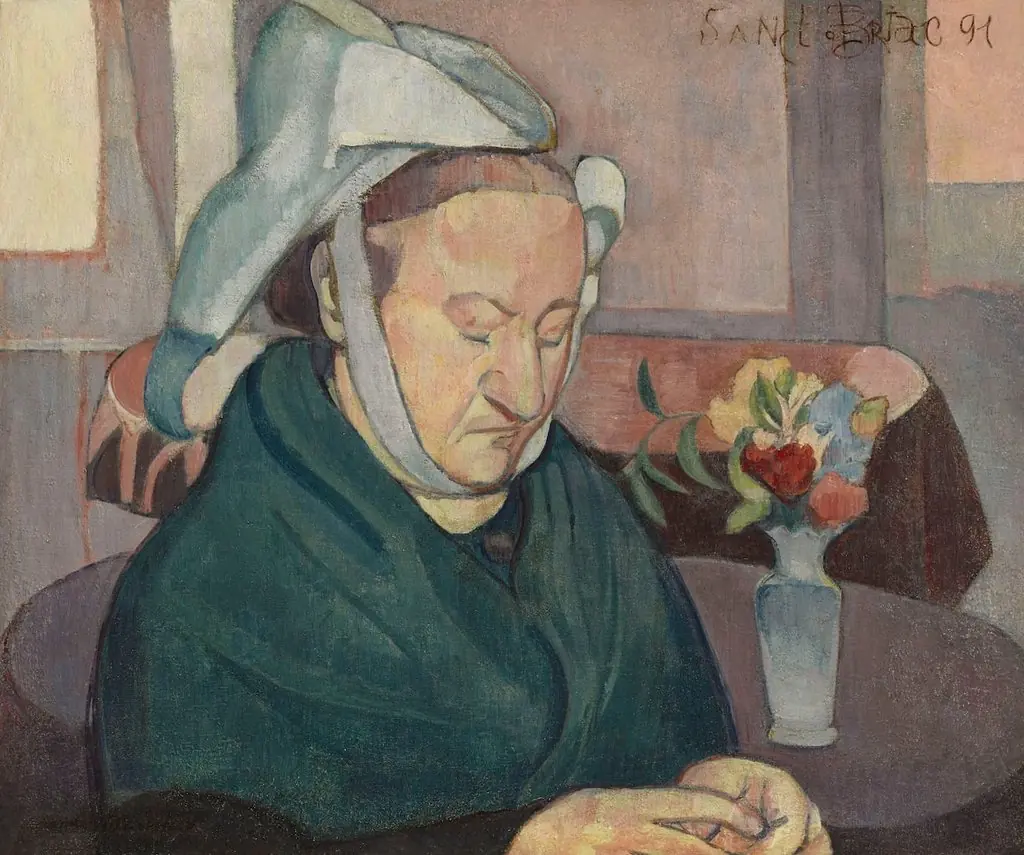
The Artist's Grandmother
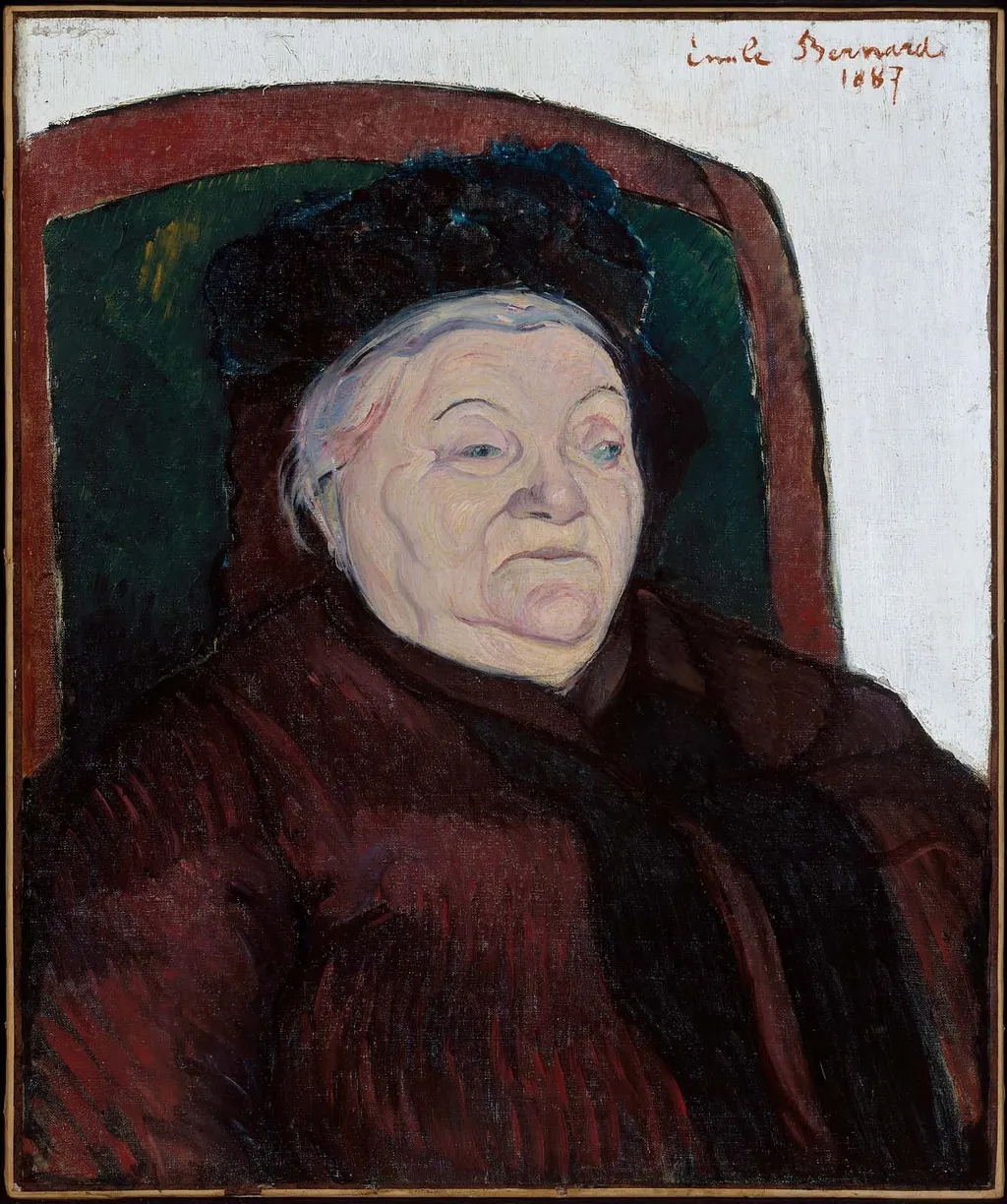
The Artist's Grandmother is an oil painting by the Post-Impressionist artist Émile Bernard. It dates from 1894 and is held in the collection of the Museum of Fine Arts Boston.
About this work
Overview
The Artist's Grandmother is an 1894 oil painting by French Post-Impressionist Émile Bernard, characterized by a contemplative portrayal of an elderly woman, likely the artist's grandmother, in subdued, dark attire against a muted background.
Subject & Meaning
The subject, an elderly woman identified as possibly Bernard's grandmother, is depicted in a state of quiet introspection, her downward gaze and serious expression conveying a sense of solemn contemplation.
Technique & Style
Executed in oil paint, the work blends realistic rendering of the subject's facial features with the subdued color palette and simplified forms indicative of Bernard's association with Cloisonnism and Synthetism, movements emphasizing flat, enclosed areas of color.
History & Provenance
Created in 1894, during Bernard's period of interaction with influential Post-Impressionists like Van Gogh and Gauguin, the painting is now part of the Museum of Fine Arts Boston's collection.
Context
The painting reflects Bernard's contribution to the Post-Impressionist movement, distinguished by its departure from naturalism towards a more expressive and introspective representation of the subject.
Legacy
While not individually renowned as some of his contemporaries' works, The Artist's Grandmother exemplifies Bernard's stylistic evolution and his role in the broader Post-Impressionist landscape, encouraging further exploration of his oeuvre.
Artist & collection
Artist
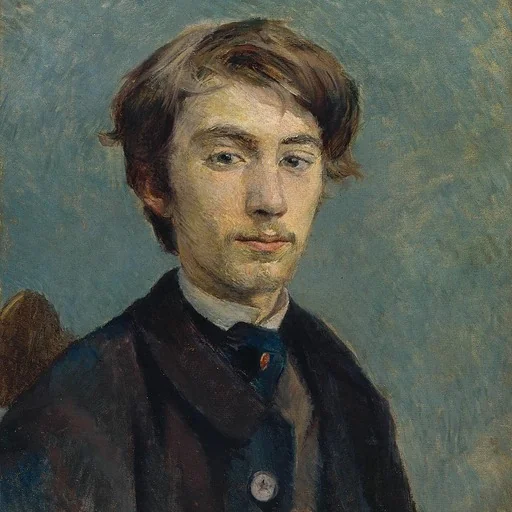
Émile Henri Bernard (French pronunciation: ; 28 April 1868 – 16 April 1941) was a French Post-Impressionist painter and writer, who had artistic friendships with Vincent van Gogh, Paul Gauguin and Eugène Boch, and at a later time, Paul…

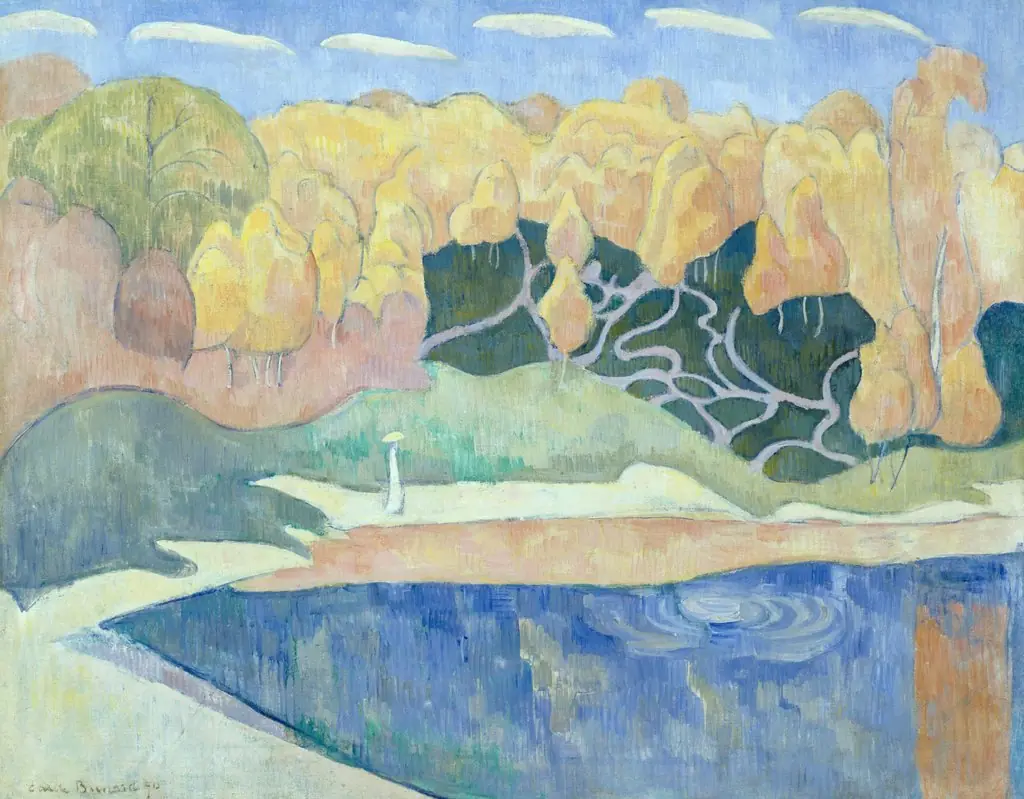
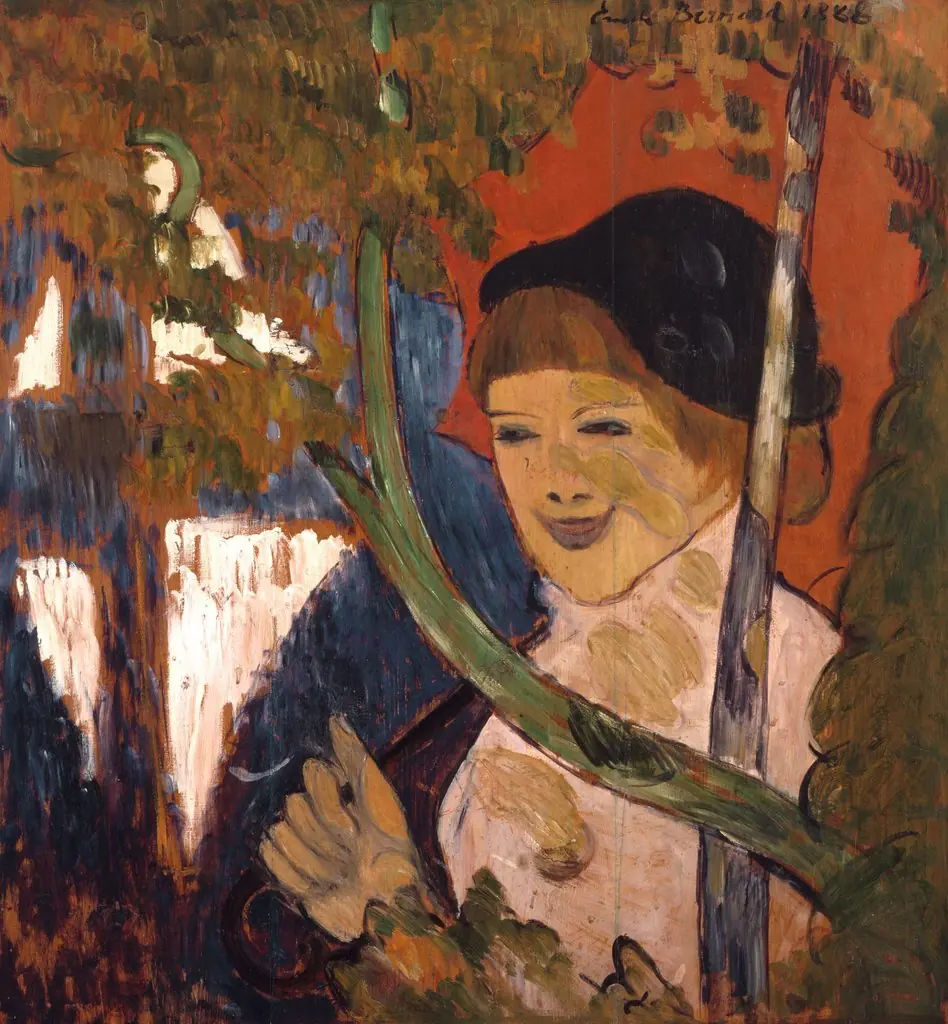
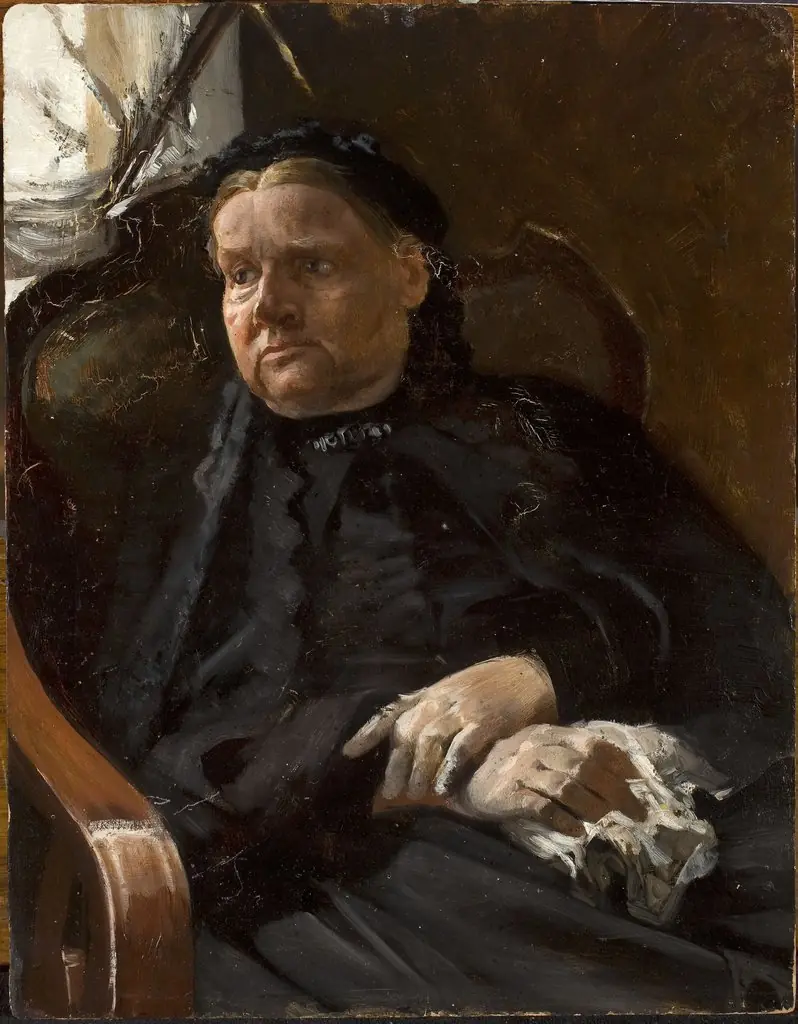 Portrait of artist’s mother
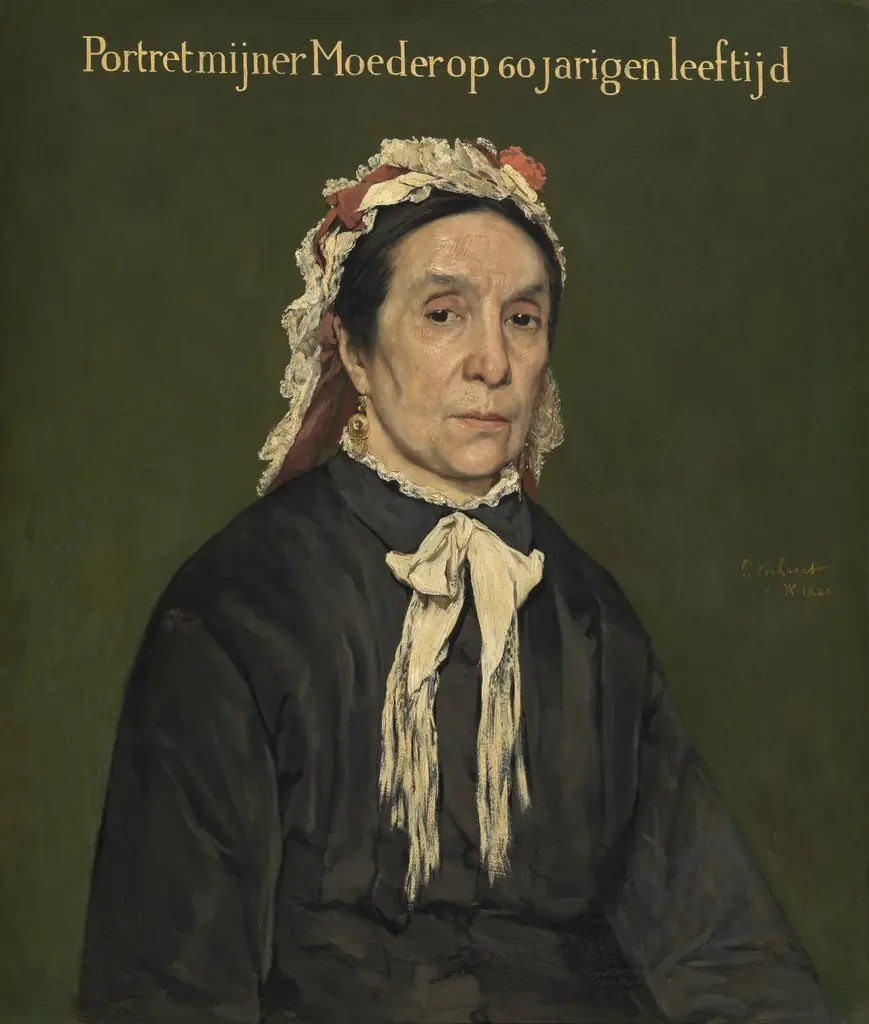 Portrait of the artist's mother at the age of 60
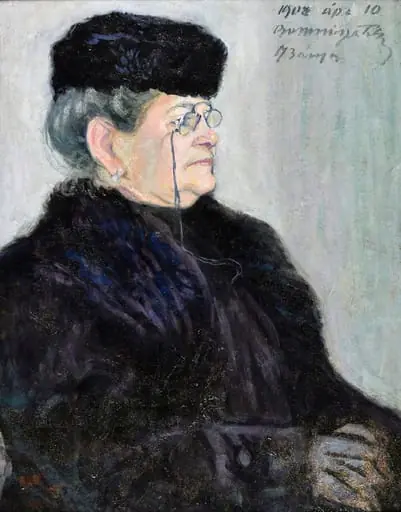 Portretul doamnei Buday/ Femeie cosând (verso)
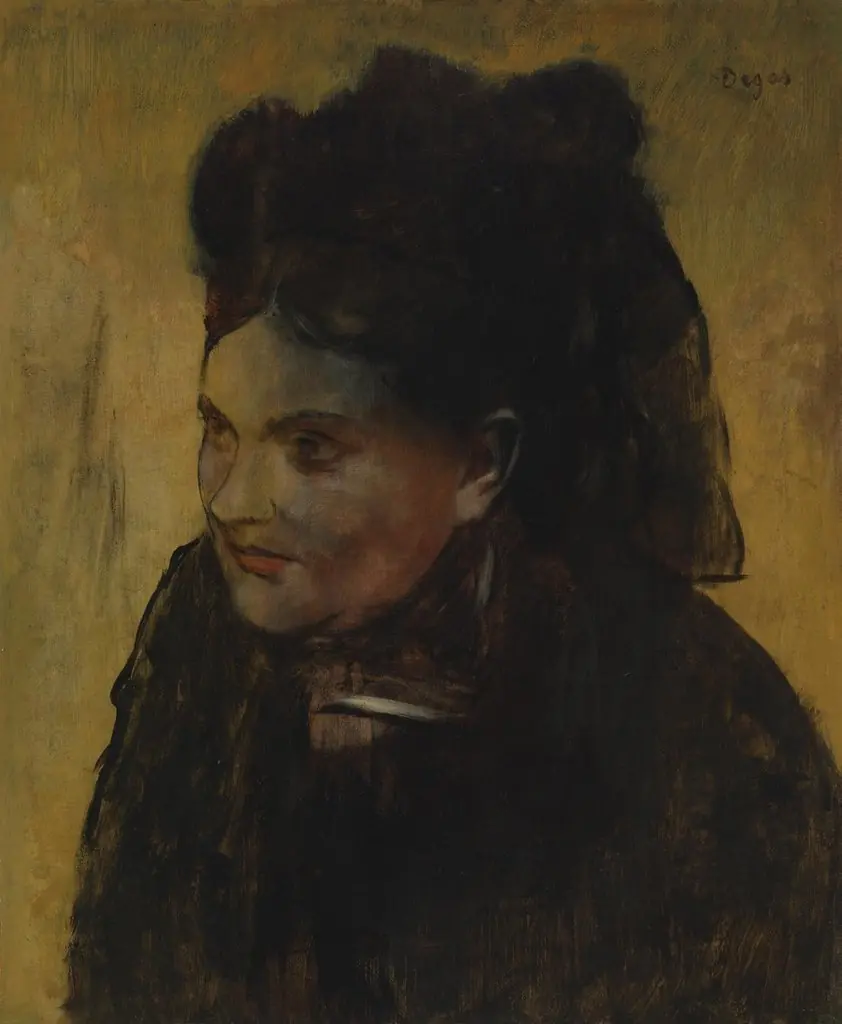 Portrait of a woman
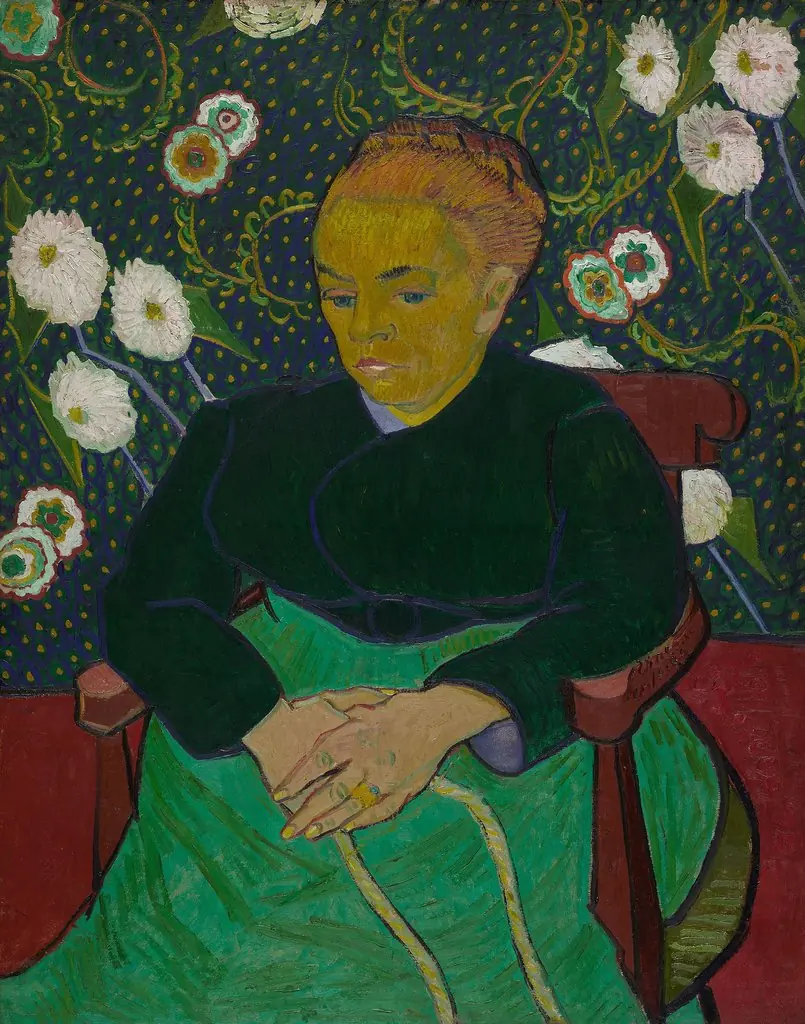 Madame Roulin Rocking the Cradle (La Berceuse)
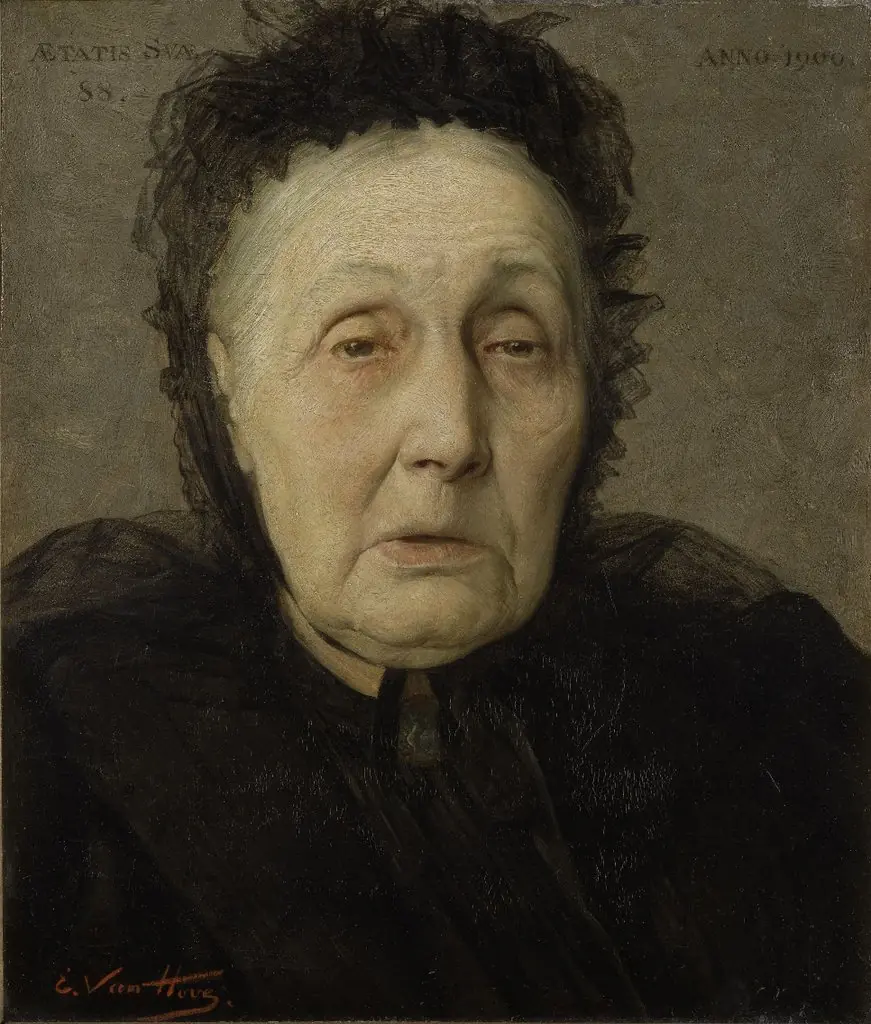 Portrait of Anna Maria Moulaert
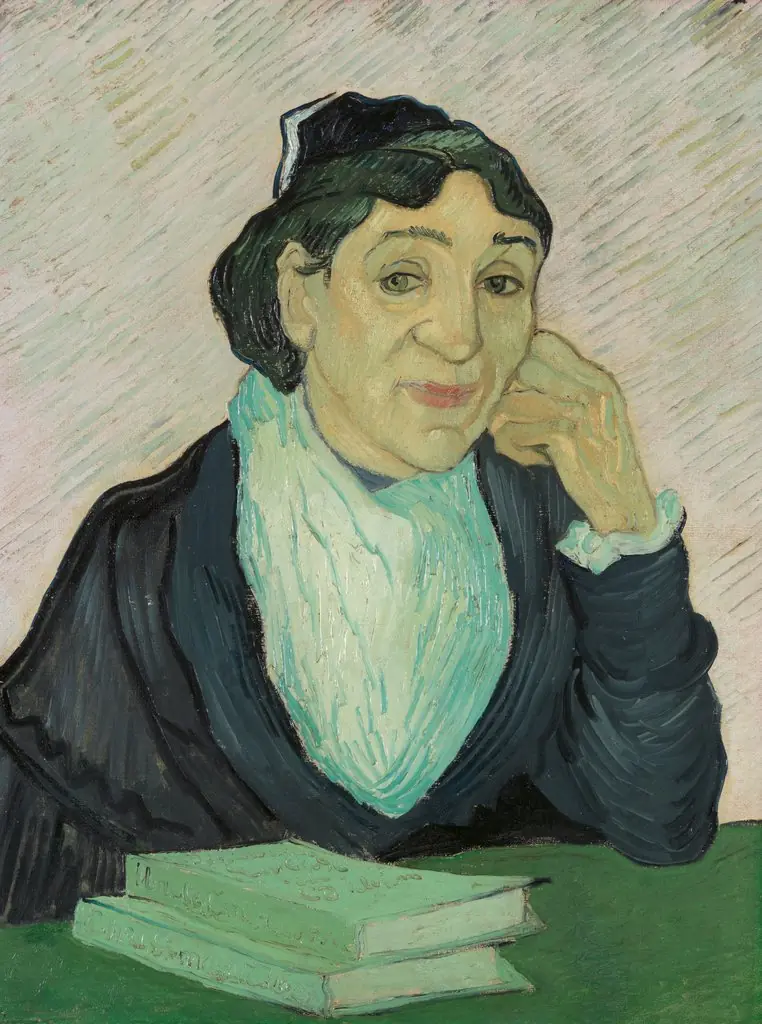 L'Arlésienne
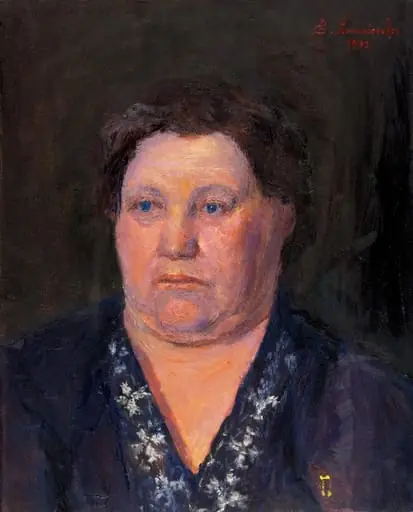 Portrait of Mrs. Foteina Stasinopoulos
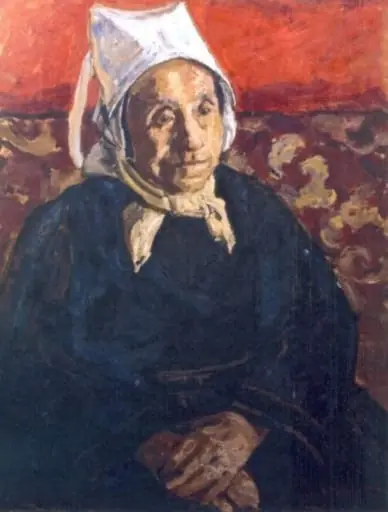 Bătrână din Finistère
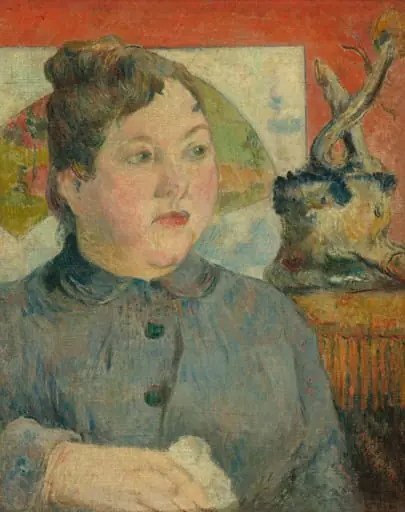 Madame Alexandre Kohler