Artwork
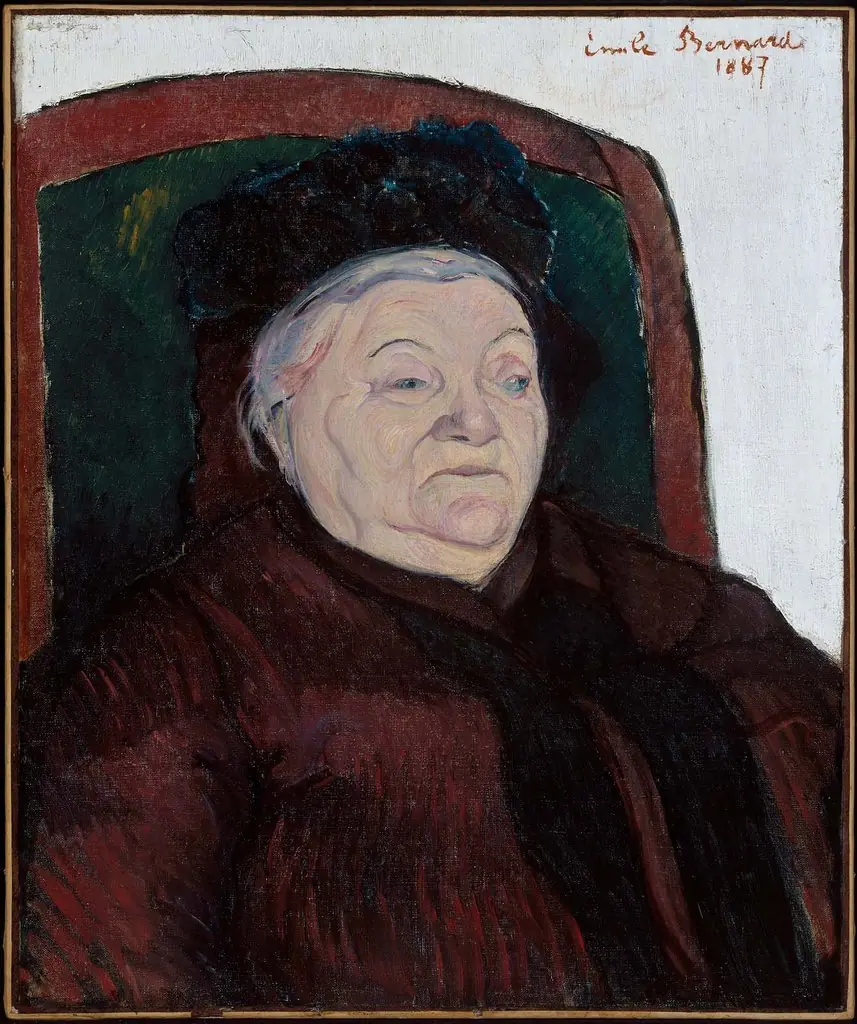
Portrait de Madame Lemasson
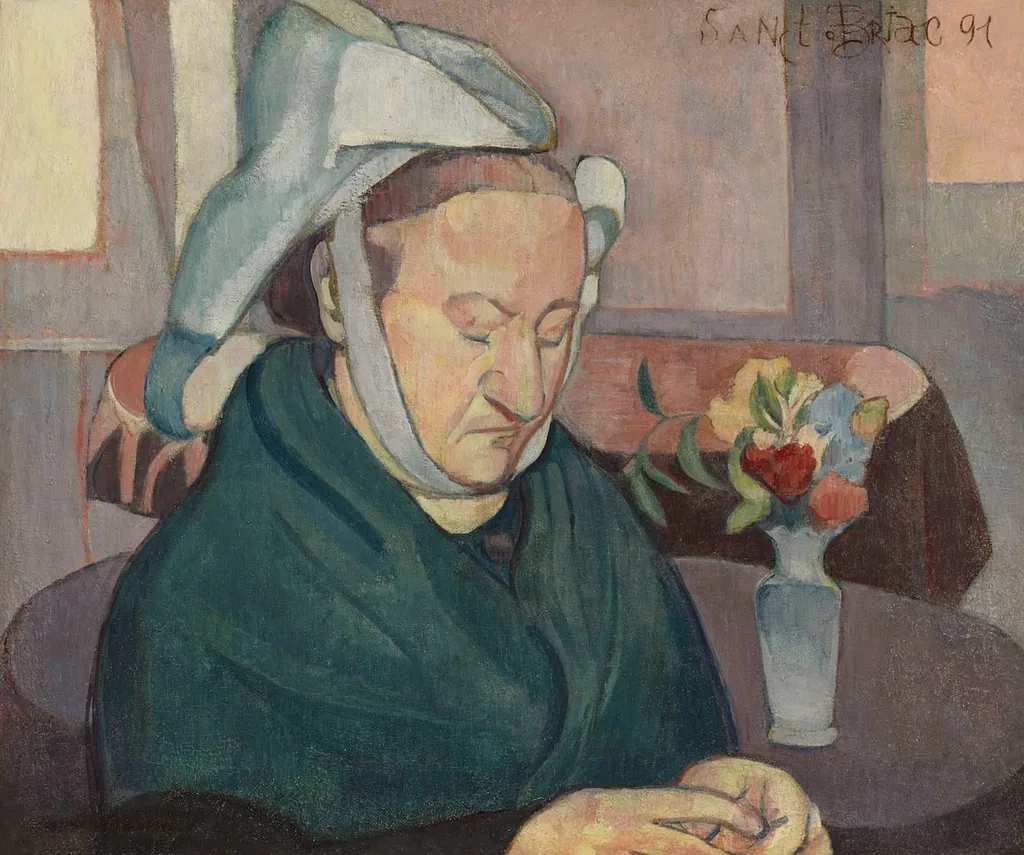
Portrait de Madame Lemasson is an oil painting by the Post-Impressionist artist Émile Bernard. It dates from 1896 and is held in the collection of the Clark Art Institute.
About this work
Overview
Émile Bernard’s *Portrait de Madame Lemasson* was painted in 1896 with oil on canvas. The work belongs to the collection of the Clark Art Institute and exemplifies Bernard’s post‑Impressionist phase, during which he explored new approaches to form and color.
Subject & Meaning
The canvas shows a seated woman dressed in a dark green shawl and a white headscarf, her gaze directed downward and her hands gently clasped. The subdued setting and her contemplative posture convey a sense of quiet introspection, emphasizing interiority over narrative drama.
Technique & Style
Bernard renders the sitter’s face with flat, simplified shapes and limited detailing, reflecting the cloisonnist and synthetist tendencies he shared with contemporaries. The muted background and the restrained palette focus attention on the figure, while the decorative vase of flowers adds a subtle compositional counterpoint.
History & Provenance
Created during a period when Bernard was closely linked with artists such as Vincent van Gogh and Paul Gauguin, the portrait entered the Clark Art Institute’s holdings at an unspecified date, where it remains on view as part of the museum’s representation of late‑19th‑century French painting.
Context
The work emerges from Bernard’s involvement in movements that sought to move beyond naturalistic representation, favoring bold outlines and flattened color fields. This approach aligns the portrait with broader post‑Impressionist experiments that emphasized symbolic content and decorative surface treatment.
Artist & collection
Artist
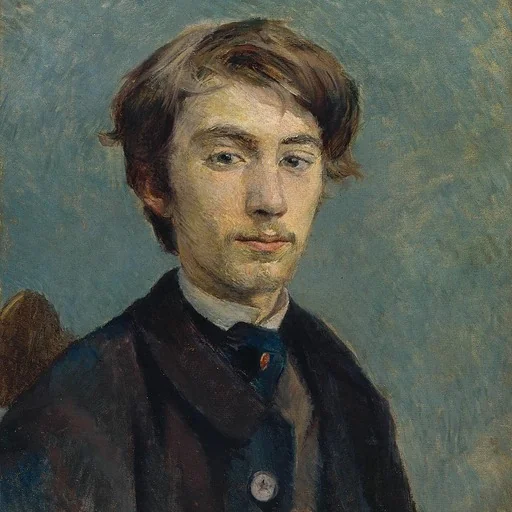
Émile Henri Bernard (French pronunciation: ; 28 April 1868 – 16 April 1941) was a French Post-Impressionist painter and writer, who had artistic friendships with Vincent van Gogh, Paul Gauguin and Eugène Boch, and at a later time, Paul…

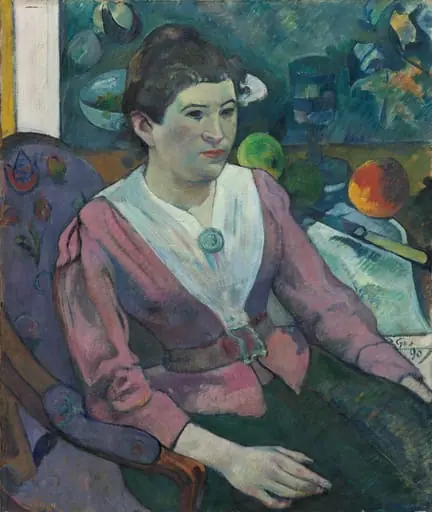 Woman in Front of a Still Life by Cezanne
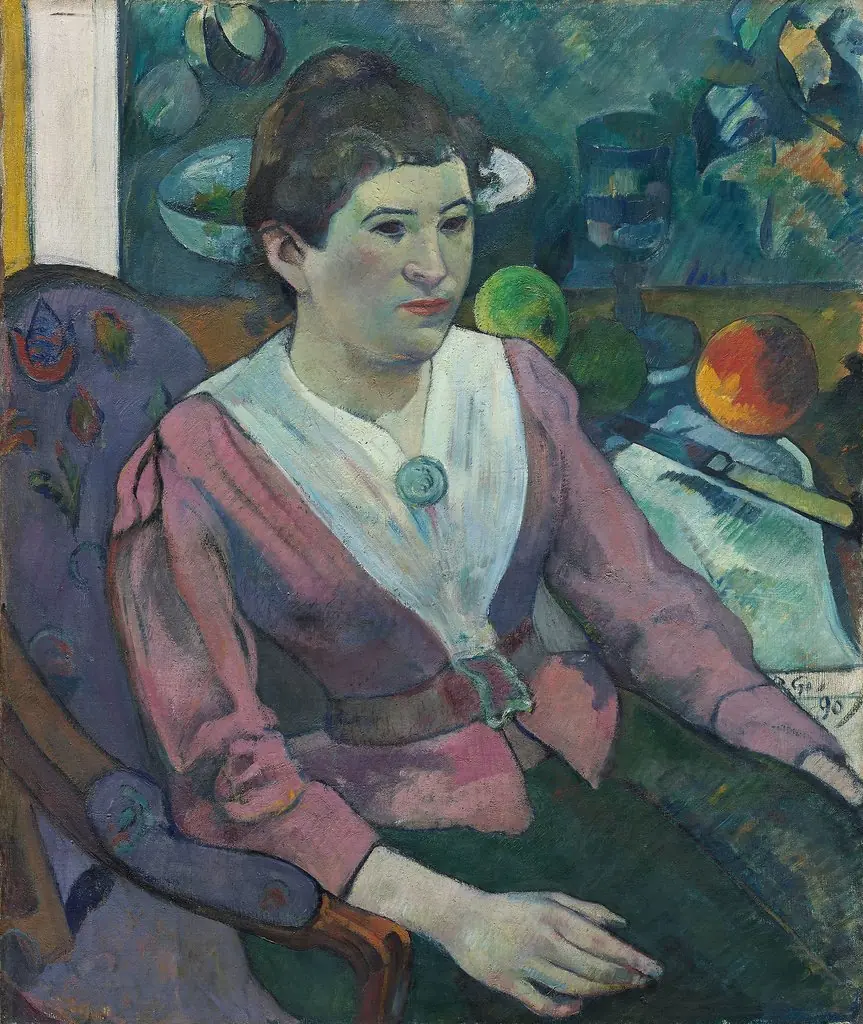 Woman in Front of a Still Life by Cézanne
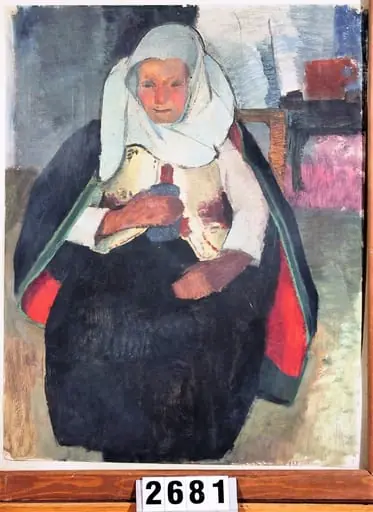 Țărancă săsoaică din Viscri
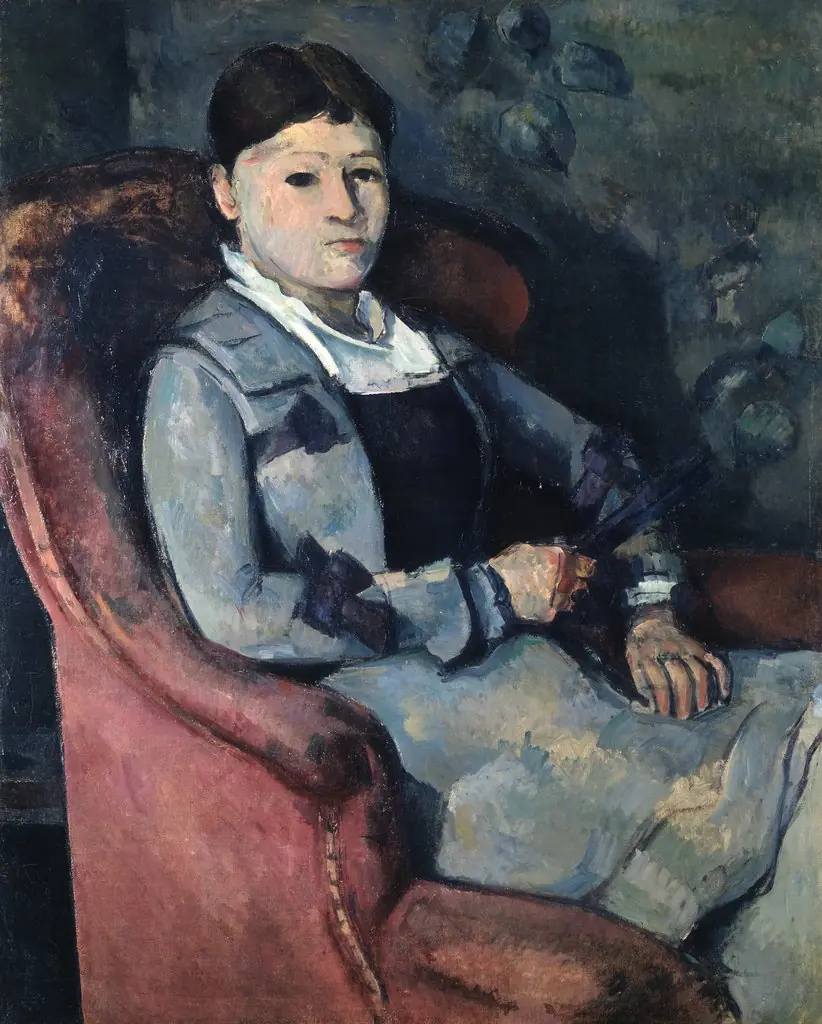 Portrait of Mme. Cézanne
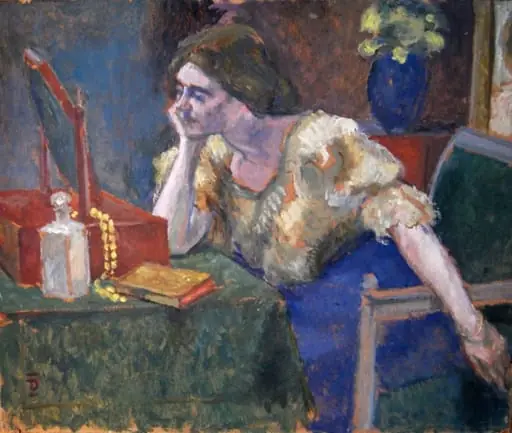 Femeie la oglindă
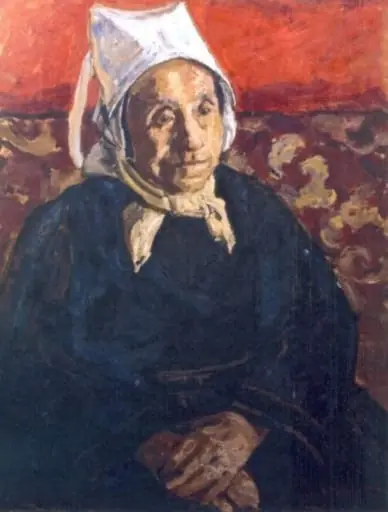 Bătrână din Finistère
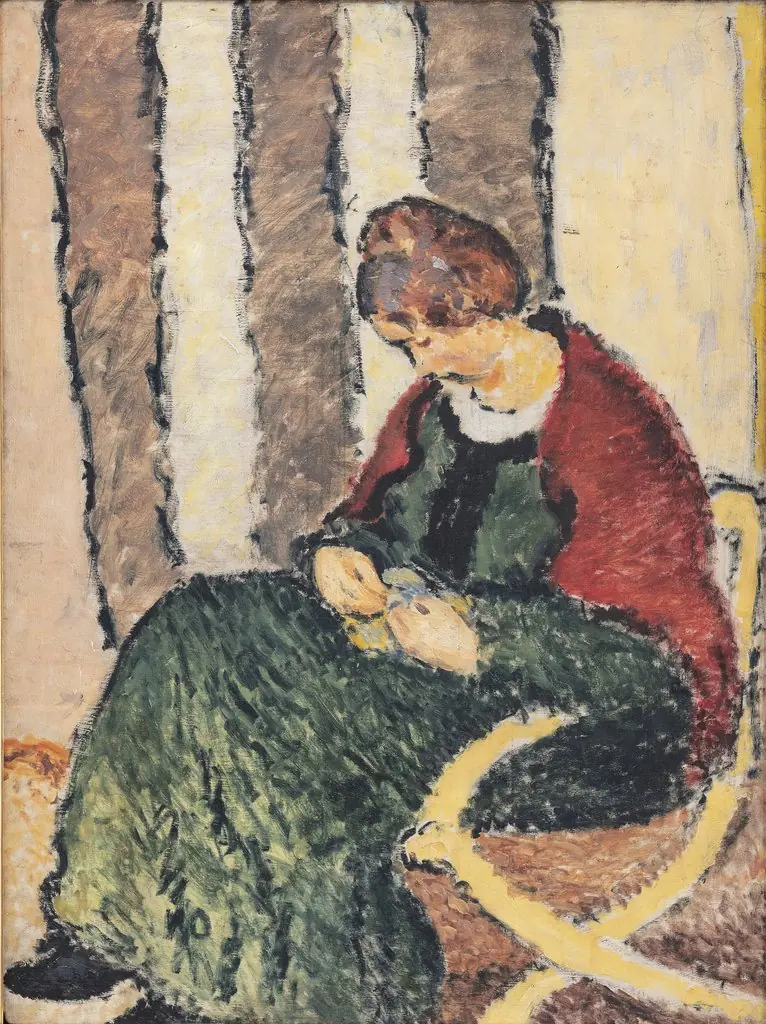 The Artist's Sister, Anna Giersing, Wearing a Red Shawl
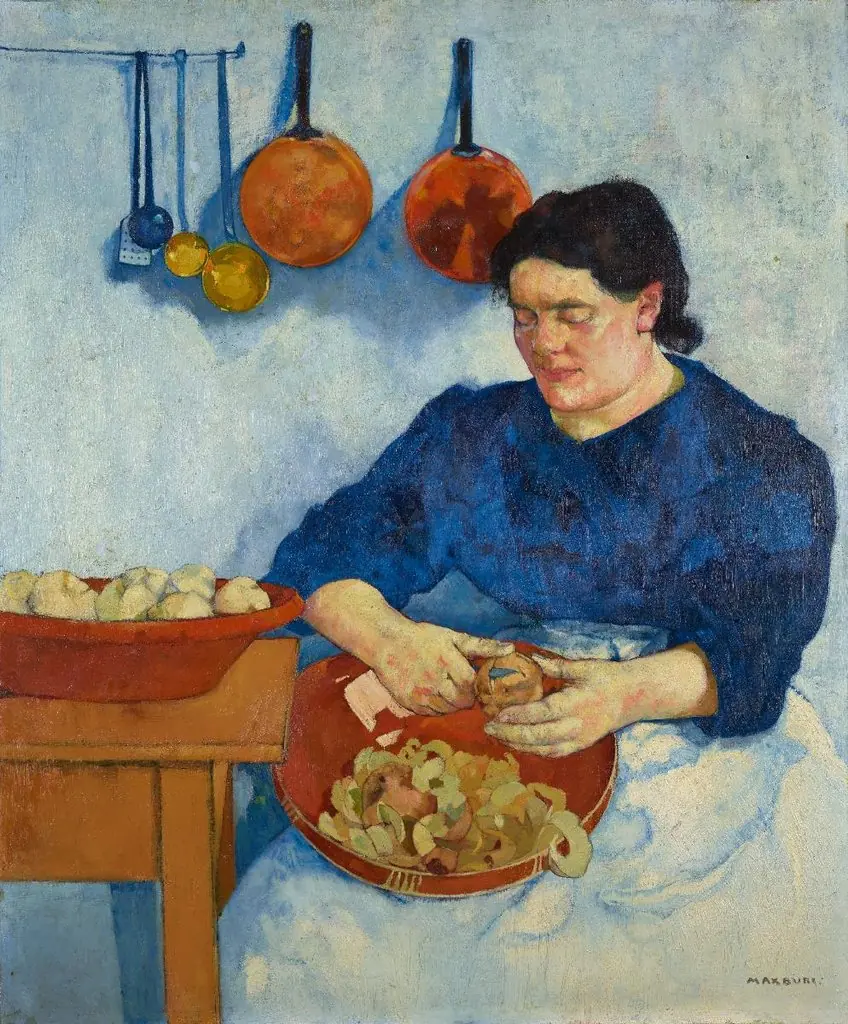 Beim Kartoffelschälen
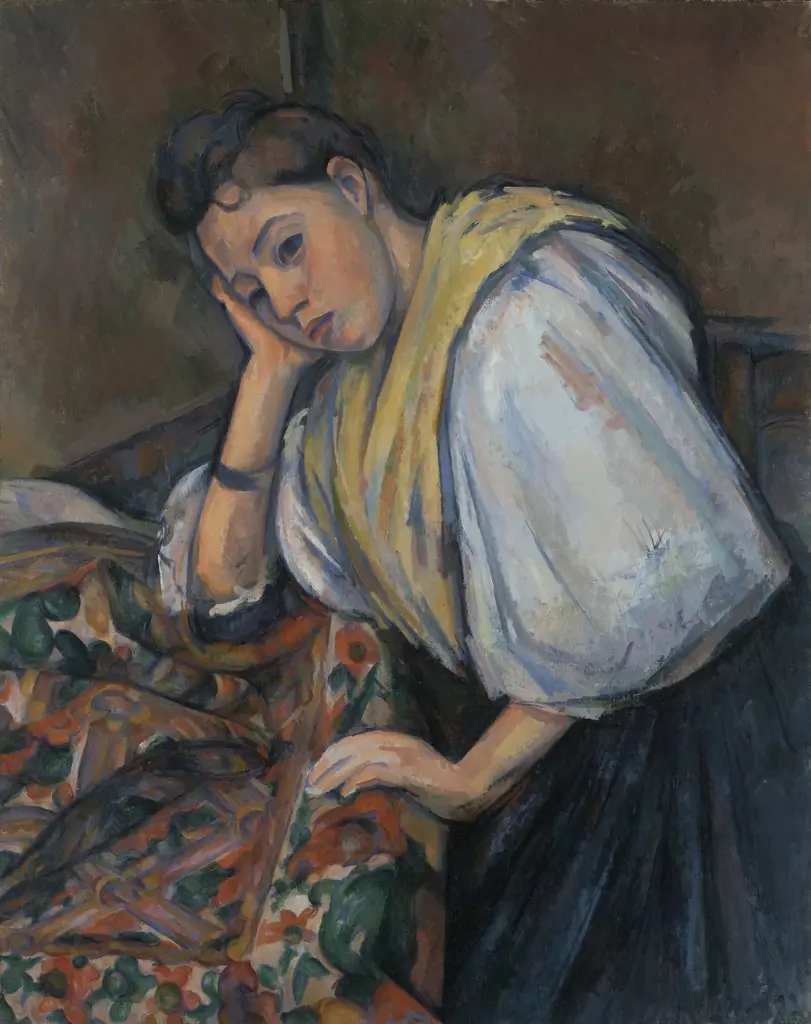 Young Italian Woman at a Table
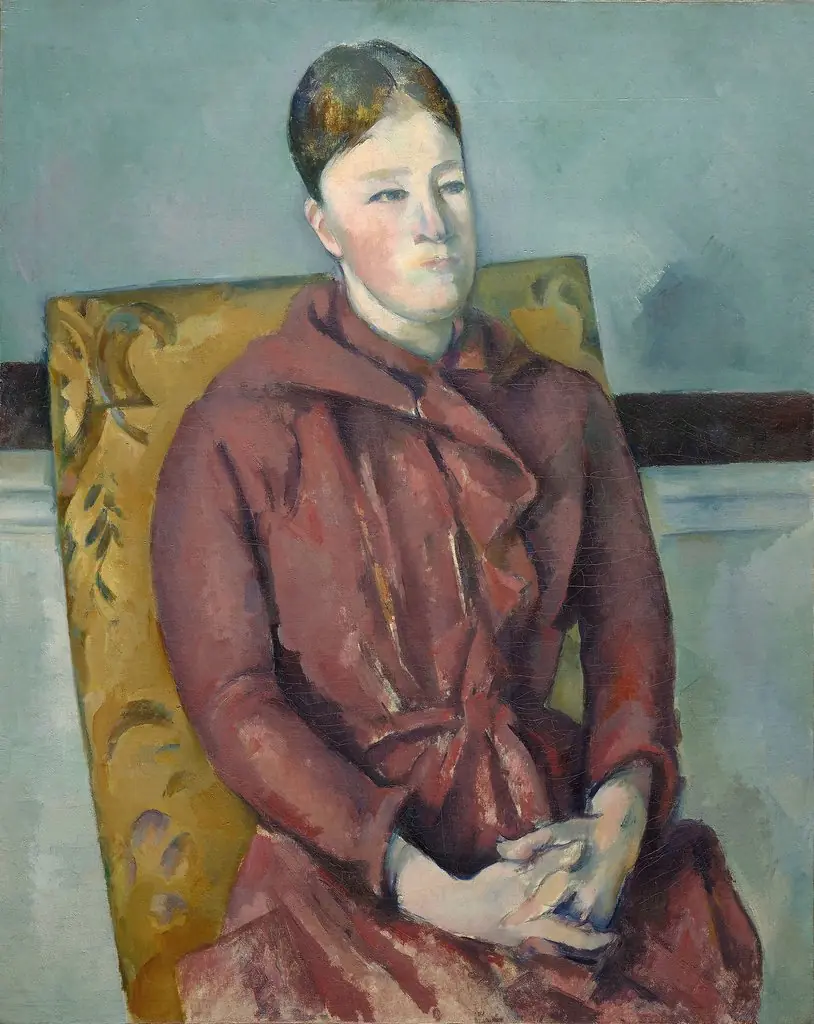 Madame Cézanne in a Yellow Chair